
TuneDig is an in-depth and informed conversation between two lifelong friends about the power of music — one album at a time.
In each episode, we go down the rabbit hole to spend a while in the strange world we discover. We take an honest look at creativity in all its complexity—from writing and production to history and cultural impact.
We promise you’ll learn something new every time, no matter how much you already love the album we explore.
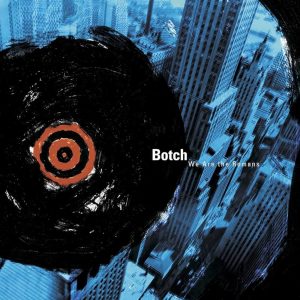
Episode 54
We Are the Romans
Botch
If you like heavy music in 2024 (or want to try), all roads lead back to “We Are the Romans”. Botch is the Eno-on-Velvet trope of hardcore, the band that launched a thousand imitators simply by being themselves.
“We Are the Romans” is a visceral, vital document guaranteed to make you feel something from its first notes — and there’s never been a better time to stop and smell the roses from a group just now getting its long-overdue flowers.
Transcript
Cliff: Today we’re talking about We Are the Romans by Botch.
So, Kyle, I know that many of our illustrious fans have messaged us directly and said, thank you so much for expanding my palette with things such as Alain Goresje and Ravi Shankar, but this time, would you mind doing something that’s more accessible? to normal people to immediately pick up. And the answer to that is a resounding, um, no, sorry.
No, no, not this time. Unfortunately, it’s still important and, uh, we need to pull your palate in another direction for fun. Although for spoilers that it will be significantly different than the previous two vibes that we’ve asked you to get down with.
Kyle: Imagine if we’d gone from Marvin Gaye into this one.
Cliff: There are threads that we could pull there too. So why not? the whole thing of this podcast is look at how all these things interconnect. This record is really, really important to us, to a lot of people. And in the moment that we’re recording this session together, which is a little bit before it will be released in the appropriate month relative to the calendar.
But in this particular moment, Botch is about to finish its, well, what it says is its final, final show. Although as we’ll discuss, I’m sure this is a band that would agitate promoters by consistently saying that they were about to play their last show ever for years and years and years on end.
Um, and so even in this moment, it’s going to be a little difficult to try to figure out whether that’s actually what’s happening or not,
Kyle: I kind of believe
Cliff: I do too.
Kyle: Yeah. So like, thanks for all the wind up. But also they’ll, if time is any indicator, they’ll be in their 60s the next time they choose to resurrect. Um, I just. I don’t know. Anybody can do anything at any age. Just look at Iggy Pop, but
Cliff: Yup.
Kyle: I don’t, know that they’ll want to.
Cliff: No, they seem to enjoy Charlie Browning the football away from people every time they go to kick it. So I would imagine that this moment is probably probably, if I had to bet, sincere for the purposes of being like, did you ever expect us to be sincere here at the last moment of our career?
Kyle: yeah. And the other thing that’s different this time is they are sincerely, undeniably, kicking everyone’s ass like the people who knew knew back in the day and then other people had 20 years to catch up and they’ve been at the full height of their powers for the what 14 plus months they’ve been torn on this record since the whole thing sort of started on a whim it’s a whole fun story but here we are the thing for me Going into this one was it’s like the water right in front of our face.
The, this is, we’ve talked about converge. We’ve talked about me without you, but I would say if there’s like a Rosetta stone record, the whole reason we started music grid before Tundig was because of a little band called the chariot that absolutely wouldn’t exist without Botch. And I would say the majority of the like center of the Venn diagram of our musical friendship.
owes everything to Botch and to this record specifically. So it’s a bit like, any anyone who already probably needs to know knows and then everyone else, why would you even bother going about Convincing them, you know, how do you jump from Ravi Shankar to this? Where it’s like it’s so intensely personal and it’s so about seeing the niche and whatever but I think there’s some really good universal stuff to unpack here that I hope we avoid trafficking in the cliches that so many people have done in talking about This band and this record and what it ostensibly means But I do think there is a fair amount of stuff to take away once you take the cannonball to the gut of the opening sounds of this record.
Cliff: Yup. To that end, the Bandcamp summary from the reissue of this record. It’s good enough to just say as an intro to talking about this thing, cause it’s hilarious. Begin quote. Unless you’ve been living under a rock that’s underneath an even bigger rock in a cave in the middle of nowhere, you probably already know what’s up with this milestone of an album.
Initially released in the year two grand, Baja’s final full length was slash is the kind of devastating metallic hardcore explosion that the term quote metallic hardcore could slash can only aspire to. In fact, these dudes nailed it so hard that the bands that came after them had to start calling themselves Metalcore out of respect.
even that little synopsis is born of a time that has now passed, but was the moment that we learned about we are noodley hardcore right around this exact time when all of a sudden blogs and threads and thoughts that people were beginning to have about lineages of bands were beginning to be documented on the internet in ways that we could chase down, figure out, learn about, and then download all of.
And I think even that attitude that we heard in that writing used to be the way that a lot of bands would write about themselves and their albums, even in that time, trying to figure out how to give the most kitschy MySpace bio that would cause you to play some tunes and then hop around on similar artists or whatever.
But like, it’s both that quote itself is a good introduction to this band and this record because it’s both in some ways. manner, factually more or less accurate, and also just like wildly inappropriate tonally. And both of those things just live together with glee, uh, anytime this band pokes its head up.
Kyle: There is a definite you know, two types of people, people who get it and people who don’t thing that lives on in the posture of this band and is sort of exemplified by this quote. And that’s a theme that kept popping up for me and, you know, if you’re under the age of 25 first of all, welcome, crazy that you’re listening to this second of all it probably sounds farcical on its face, you know, cause if you grew up in flattened, the flattened cultural context of the internet, like it’s, it’s almost passe to say like genres are irrelevant or, you know, you know, regional scenes are, or whatever, but I guess rest assured at least that I, an older, pit retired person have always hated this kind of stuff as a word person, and the like, imagined Berlin Wall between metal people and punk people, and just like, the word metalcore makes me, makes me want to jump in front of a car. Um, And it does such a disservice, like so much of the stuff around this does a disservice to the smartness of a band like Botch and the people in it. And I think that’s where a lot of the pushback and the bristling on the record came from is like, we’re outsiders to the world already.
That’s why we’ve sought out these venues and these weird sounds. Like why are we doing the same shit inside this room that they’re doing out there outside the doors? Like guys, can we, can we take a minute and pause until we can figure out what’s going on? So I, all that to say, no matter what your age, if you’re if you’re a little bit of an antagonist or a misanthrope, No matter what the sounds do to you when you press play on this record, You can at least start with a posture that there is to appreciate. That’s a little different than anything you’re going to get anywhere else. Cause it’s antagonistic, but it’s also smart and self assured. And I think you can sense that in the music. It’s like impossible to separate into any kind of an objective first impression for us at this point. But I, I think I want to ascribe that sort of posture and being able to sense that feeling, connecting to that feeling immediately, tell me more about Botch. paint more of a picture about this band.
Cliff: We go to the 90s in the Pacific Northwest where nothing was happening in music at all during that time, for sure. Certainly nothing that would go on to influence American music. Uh, in any degree, but yeah, to this, what you just brought up will keep playing itself out over the history of this band, uh, both in their original active moments and then in the followup since then but they were formed in Tacoma, Washington in 93, which I always really want to impress when we are talking about bands from the nineties who were doing sounds that.
Created new genres 10, 20, and 30 years later, because it’s very, very difficult in my opinion, at least I was only one particular age in the 90s, but it’s very difficult to imagine this band, Meshuggah, Dillinger Escape Plan, making the types of records that they did in a year that started with 19 in it. It, it feels out of time and strange.
So it’s. Cool enough to think about how out of left field seeming any of this stuff would be but I have a feeling that it’s sort of doubly or triply the feeling that we’re getting these days to have experienced it back then. You must have felt like a madman listening to something like this the moment that it came out.
Kyle: totally, it’s, are you experienced in 67, right? Where you’re like an alien gave them the, the blueprint for the pyramid. There’s no way this came out of a fucking human body. And just like 93, man, like Tacoma right down the road from Aberdeen. Nirvana is blown up. The Melvins are, I think. this would have been right before stoner, which so, but like Pacific Northwest is fully poppin at this point, but not in this way.
Like it’s, it is the grunge moment and they started and were influenced by like more 80s stuff, but the hold that like punk, truly punk culture, uh, and like post punky stuff. almost had on this area is, is like just anthropologically really cool to me. You know, they were all, all fighting back against the rednecks up in that area at the time.
It’s, it’s a culture of a bygone era. It’s just, it’s so interesting.
Cliff: For sure. And like Melvin’s, which, you know, we spent a lot of time in the episode about Melvin Melvin’s that we did years ago about how much of a Rosetta Stone they are. And so here that is again right influencing bands that don’t necessarily sound like them, but certainly share a certain approach to antagonism at all possible times.
Because yeah, like, like you were mentioning, you know, in the early 90s, that would have been, you know, Stoner Witch was 94, Houdini was 93. So they were already uh, gaining what they would gain as the band Melvins. But for like Botch specifically, it was sort of a double edged sword and you read a lot about this in retrospective now, but.
Effectively, at the time, like, they were seen as not playing especially accessible music, which will not shock a lot of people who may not be familiar with the band, right, but like, the degree to which you become inaccessible when you’re already an offshoot of a burgeoning punk scene is, like, An interesting threshold to kind of figure out, like, who, hold on if punk is a whole collective thing where we’re sort of saying there’s nothing that doesn’t belong, who is it that’s all of a sudden making the wall that says Botch is on the other side of it? We, we don’t really know, but what we see from Botch in those years is, they were pissed at whoever it was. Whoever defended that wall, they fucking hated them. And so they were consistently sort of being treated as outsiders and then also Made sure to act like outsiders, uh, at every possible chance they could.
Made fun of overly serious hardcore and punk scenes. I mean, there are a million touchstones for all this as we talk about this record and this band. But I mean, everything from the way shows were booked to the way that they made merch and sold merch. The designs of their t shirt. The way that they released records after they broke up as a
Kyle: go Google the, go Google Botch boy band shirt right now. So merch in punk history. That and the chat pile, glass, grimace, smoking a bong are my two favorite pieces of merch probably ever in punk history.
Cliff: Neither of them currently approved for working remotely where my shirt is in the camera. But I can wear
Kyle: I’m off camera and I can’t tell you why.
Cliff: My shirt is too cool for this meeting and I’m very
Kyle: Isn’t it pride month? Fuck you guys. Doesn’t Lockheed Martin support? Don’t we have a rainbow LinkedIn right now?
Cliff: So even back then, right, some, some other examples of this Me and you laugh about this a lot because it has become such a normal thing that it’s no longer a surprising bit But like we’ll see weird bands weird local or small or heavy bands or whatever play shows And especially if they’re the headliner and seem to have any control over The music that gets played in between before the band comes up like nowadays.
It’s just like that Basically, as ironic as you can possibly be is the move, right? You are either at that point making a sincere statement about an obscure piece of music, or you’re being intentionally obtuse and playing something that doesn’t fit. And like, that’s become a normal, expected move.
This is the kind of shit that Botch did then. In the 90s, intentionally to like, throw off any vibes of like, overly serious pretension towards what it is that we are about to do. Which is basically to make well, discordant noise at seemingly random intervals for a really long time with high energy until we’re done.
Kyle: But it was a signal that it’s about energy and momentum and release, not about aggression or, masculinity or whatever.
And, and we have two really recent examples, like the big one that I think about a lot is turnstile playing, I want to dance with somebody and everybody’s singing along right before they go on.
But then we saw he is legend for the I am Hollywood shows. Like a week or two ago and they played, um, what’s that Shania song? Man, I feel like a woman and everybody’s saying along there too. And like
Cliff: course we did.
Kyle: Only with, with forebearers like Botch, would that moment be not only acceptable but commonplace.
Cliff: Then, kind of contextually, for Botch as a band, but also the type of music that they were creating that was considered to be not entirely accessible to those scenes even then. 1999 and, right there at the end of 99 and then into 2000. Again, this record was technically released like right at the end of 99 but seems to have had a little bit of a period to where people will talk about it being released in 2000.
But either way. Right at that time you’ve got Man, here’s a real like vignette into my life. We’re gonna list off some things that some people will know deeply and other people will go, What in the hell are you talking
Kyle: First group is small, but deep. Second group is much
Cliff: ha ha! ha! Yup! So, 1999 especially was really crazy for hardcore.
In general, we have, we are the Romans, we have Calculating Infinity. We have the Red Sea from ISIS. We got the Poacher Diaries from Colette or, uh, from Converge. Sorry. And then not long before that, right, was, were Coalice Records. Candiria was another band that came out during this time that was doing some pretty crazy stuff.
Bands were experimenting with finding ways to become technical, but without having to explain the technical complexity of it. They were exploring ways to make complicated music without ever having to have really a rubric for deciphering it on the other end. It just sort of like, the more you hear about the way Botch wrote this record and then a lot of the other bands who were writing similar music people just got a weird itch and then made it weirder and weirder and weirder and weirder until something had a very odd time signature that felt cool overall and then put that shit on tape.
We’re done. no one is counting out all the beats to start with and then subdividing them up with intention in a songwriting or composition type manner.
Kyle: You know, when you put this point in the outline, it got me thinking, like, was it just hardcore that had a moment in 99? But it’s easy to forget because we’re a quarter century on from it, but like 99 was sort of a Feeling culture change moment in general and like popular culture. And Brian cook mentioned this in an interview when they were recording, we are the Romans.
Nuki was on MTV like every half hour. He said, he was like, it was astonishing to me that this song was popular, but like heavy music, that heavy music was popular, but also that it was like the dumbest shit you’d ever heard in your life. I caveat my biscuit fan, whatever. Yeah. But it reminded me also of when we talked about Rated R by Queens, like, you know, my probably favorite record ever.
And that was sort of a pushback to Nu Metal as well, and like a sort of a coarsening of the cultural sphere. That that came out in mid 2000. And then Stankonia by Outkast came out. October of 2000, sort of in response to the narrowing over 10 window of what was acceptable in hip hop music at the time.
And so it’s really interesting to me that you have this like end of the millennium sort of fear and paranoia about what the next century is going to be. And we squeeze all this juice out of the end of the millennium, like right at the wire. And that goes for like artists and counterculturists of all stripes and, and punk is like peak counterculture in our opinion.
So, I like looking at it through like more of an intersectional lens too, but yeah, holy shit. Just in the heavy music we did 30 or 40 years worth of progress in heavy music and a calendar year, which was awesome.
Cliff: Yeah, I had never thought of it before this moment but yeah you’re right I can see lots of other examples, including the moment that was weird for me when I, even though what I mean, 1999 we’re in middle school right. So, my brain is. Pre waking up to reality I would still say at that point, but like I remember that this’ll This will knock me down a few pegs in anyone’s brain.
In 99, the fundamental elements of South Town by P. O. D. came out, and if anyone just responded viscerally to that, mention just for a second, hold on, I’m not saying the whole thing was crazy. What I recalled in that moment, though, was like, South Town, the song, was big. And it’s a hardcore song.
Kyle: Mm hmm.
Cliff: it’s hooky, yes, it’s got DJ stuff, all that, for sure, but like, it’s a heavy song. And like, they were sneaking in some kind of slammy metal type stuff. Not only into, again, not only into the sort of popular, But at that point, I mean, they’re shoving that into Christian music stores.
And so all of a sudden now that’s meeting up with, you know, and if you want to know about this little branch, right, we did the Norma Jean episode and we’ll walk you right up to that line. And you can take that line further in our other episode if you want. But like, yeah, to your point, like all of a sudden heavy music started finding footings in a bunch of different places.
And even though we’re maybe projecting this onto it, it does seem like all of a sudden a lot of bands went, nah, I can be weird too. Let’s do it. Let’s get especially odd. Right. And then we had Behold the Arctopus, which is what happens when you don’t let people reel it back in.
Kyle: Did you know, I didn’t realize until just this exact moment, the Battle of Los Angeles by Rage was released the same day as We Are the Romans.
Cliff: Yep. Okay. We’re putting some pieces together in this puzzle, aren’t we? Yeah, for sure.
Kyle: but again, internet convergence culture makes it so easy to see how a bunch of stuff stacked up in a day, but when all we have is our like, pubescent memories of these things, they all existed in separate cultural lanes. And so it’s like, the Slim Shady LP came out around the same time, came out around the same time as Battle of Los Angeles, and then came out around the same time as We Are the Romans. Crazy.
Cliff: Yeah. But then specific to, you know, that, whatever kind of subgenre or scene you could discover, you know, to that point about the internet and the way that it was changing then, finding Botch specifically, and
to this day, I think it’s hard to think back to this moment, right? When I heard transitions from persona to object, I was like, THIS? Makes sense to me. I know we’ve talked about this before in other episodes like with Meshuggah, but like, there was a part of me that connected to music in a new way the first time I ever heard that really particular riff in a really similar way that like 43 percent burnt by Dillinger’s skate plan will do it.
all of a sudden you realize like something in my body and my psyche loves The way you just did a rhythm
Kyle: Mm hmm.
Cliff: The way you just made that unnecessarily hard to follow, but then I figured out how And now I can just repeat it and repeat it like I felt dialed into something In a way that I Really hadn’t dialed into music before then despite wanting to study it and love it and learn from it already It’s like the closest I would get to something like that before that point was like, you know, led zeppelin something that was about depth and mastery and proficiency and production and like Things that just had you know stories and thought and complexity for days and years and instead this was like This doesn’t feel like that, though, but it’s still really cool.
Kyle: Yeah.
Cliff: Thank you, Blox. And As well, like during that time this actually came out from Hydra Head Records, which is another, again, moment to see all the places that things were spiderwebbing out, right? Because Hydra Head was started by Aaron Turner, Aaron Turner having been the frontman of ISIS and now SUMAC and a lot of other really cool projects, who’s also just like a really cool artist in his own right.
But you know, Hydra Head at that time was putting out, again, Check this list, man, like Isis, Botch, Converge, Coalesce, Boris, Jesu, Kayo Dot, Cave In, like just records on records on records that would become if you just took that list and you took every record from the every band I just mentioned in five seconds you can find Hundreds or thousands of people who are like, that’s my favorite record and I love it so much I would die for
it. Like it’s an important piece of music to me And in some of these just a handful of record labels were just like putting out things that would you know have all this
Kyle: It’s, I mean, there were a lot of great labels, like, Ipecac, amphetamine reptile, like cool, cool, heavy, weird, whatever stuff in the nineties. But for my money, Hydra head was like the a 24 of seen stuff at that time. Where it’s like, I will go check it out. Sight unseen. Because it’s so well curated and it’s so good.
So like, shout out to Aaron Turner for being a consistent tastemaker for over 20 years. And being really uncompromising about that. Like, Hydra Head, you and I personally owe a lot. And I know, to your point, thousands of people would say the same thing. And like, that kind of an impact is so cool. So cool and seismic.
Cliff: It really is. It really is. And you know, Man, moments like this, sorry for an overly earnest aside, so early in the episode, but like, Thinking about moments like this Will sometimes, like, really kind of throw my spirit into a weird moment Of What is the little small thing that I have an itch to do that feels like it won’t matter but could potentially have like a seismic dent in the universe level?
Type of shift or cause people to see things or experience things differently in such a cool direction. And like Aaron Turner and Jake Bannon, both are people who are like, you just watch them having done things. And you go, Oh my God, like you’ve created more culture than I’ll ever experience in my whole lifetime.
Just
Kyle: He says with a Jacob Bannon artwork directly behind his head.
Cliff: Yes. Yes. Be because in, in a in a sincere way, people like that really inspire me. Like the, there doesn’t seem to be a high threshold for the pretense of the thing. The thing doesn’t have to be so important before you do it. They just sort of do it because it’s in the lane of the art that they’ve created or that they want to create.
I don’t know. I just I have a sinking feeling that if you talk to either of them about it They would never have the foresight to tell you. Yeah, I knew that was going to make a huge difference I knew I should start hydra head records and put these weird bands out because I knew it would Change the landscape of music Over the coming decades, but it happened because they wanted to and then it did
Kyle: I, it resonates with people because the start and end of the ethos is I want, I wanted to find a little bit of a lane that didn’t exist that like spiritually evokes some of the things that I grew up loving and being inspired by. But like, I want to find my own way To express those things, and I just want to do it, I will do it, no matter what.
It’s not product market fit bullshit. It’s not tech guy on LinkedIn. Sociopathic depravity. It’s, I would do this if it put me in a tent, and I had to live on the streets to do this. They all, All the guys like that have evolved really beautifully and they’re like, there is a mix of pragmatism or whatever that allows them to keep evolving and growing and finding new ways to reach people and connect with people.
But I think at the end of the day, it’s like, I just want to be around things that I really believe in and I want to make things that I really believe in. One of the, one of the dudes in Botch in one of the interviews had the quote, you know, I, I’d rather be proud of what I did than rich in my twenties.
And they’re like all the Hydra headbands. I, there is a sense of pride of like, well, no matter what happened, we made the best and most original stuff we possibly could and didn’t cave into a zeitgeist. We tried to find our own voice and, you know, at the end of our lives, that’s all we can ask for.
Cliff: Yeah, so we can take that little nugget with us, but even that plays out in the way that Botch got connected to Hydra head at all to create this record and then we can kind of talk some more about the music itself but Aaron Turner contacted Botch and asked him to put a song on a compilation that Hydra Head wanted to put out called In These Black Days, which is a whole bunch of Black Sabbath cover albums, uh, released as a series of split singles, which for what it’s worth was more innovative back in the day than our current, uh, hellscape of music distribution.
But, so, Botch recorded a cover of The Wizard, which is just, uh, Unironically, my favorite Black Sabbath song anyway. But they recorded a cover of that, sent sent it to Aaron Turner along with a demo. And now we, uh, now we’re going to release a Botched record. Okay. Yeah. Like whatever this band is doing, everybody was on board with.
But like, so many earnest, tiny connections like that are cool and have such a uniqueness to them down to like, The fact that, uh, a Black Sabbath cover would connect these people when, you know, one of the ways that Coalesce got through certain periods of their career was from a Led Zeppelin’s cover record.
There’s just a, you, if you make the mistake, as we go along, of thinking everything here is non serious, you’ll miss it. But if you think everything is serious, you’ll miss it too, because it’s not. But like, You don’t record Black Sabbath and Led Zeppelin covers, you don’t talk to people in the scene who clearly care about bands and putting out innovative material, unless you, at some particular and personal level, give a deep shit about something that you’re doing.
But Botcha’s ploy seems to have always been We’re never gonna quite let you in on exactly what that means, and your only invitation is to come to a bot show. At which point we’ll probably troll you but that’s still the only place to get it.
Kyle: Agreed.
Cliff: Ah, carrying on the vibe of the Melvins, no matter what, in every possible aspect of reality. So Okay, one thing we’ve been doing in recent Toondig episodes that will work really cool here, I think. One of the things we talk about is how do you start by taking in a record like this, especially if it’s one that you haven’t heard before, or you haven’t heard in a long time, or isn’t generally in your kind of sphere of things you’re naturally going to turn on, unless we make you and, I think this one’s, this is a really important aspect of music like this, and we sort of talked about it a bit with Meshuggah but, you know, being able to approach this with an open mind is important but there are some ways I think we can kind of guide your open mind through it as, um, experienced listeners of well, just perversely decadent music I think we can help.
So. To that end, I’d be curious then Kyle, like what either kind of surprises you about this record, thinking about it as someone listening to it for the first time, or like paying a lot of attention to it, uh, as we have in prep here or otherwise like some guidance or context on thinking about this, if it’s not normally within your wheelhouse.
Kyle: Yeah I think for a number of reasons, this exercise is especially important in this episode with this album for a couple of reasons, One, like if the Olivia Rodrigo episode brought you to this point with us in some rare way or something else like that sun house, I don’t know.
You’re gonna, maybe there’s a chance that you’ll turn this on and within 10 seconds hit the pause button and be like, Nope. I’m going to go get a beer. Keep on living my life. on the other end of the spectrum. There is a lot of hype. There’s a lot of cliched writing, which I, you know, have already talked about my disdain for, but this album is enshrined, you know, like you, you mentioned to me before how many places this appears on like best albums of the end of the millennium or whatever.
Like they’ve been called revolutionaries. It, it has a true hall of fame place. So it’s like very easy to throw all that in, into your like goggles before you listen and be like, there’s something I’m supposed to get, like a lot of other people get this thing. I need to get it, whatever, whatever happens when I listen, I need to get it and then go to a show and be like, yeah, of course I love Botch.
I would do my best to do away with. Any of those preconceived notions and try really hard to listen for the first time. Even if you have listened to this before, even if you’re a Botch fan, like even if you’re listening to this episode because you love the band because you saw the reunion tour. If you’re in the camp like us we wish we could, I would dare to say, experience the feeling of this record for the first time again. I think there’s three things that stand out for me. The first thing is the energy, right? At the risk of, at the risk of sounding like all the writers that I, I hate talking about this record. The first thing that you’re going to notice is like a force of nature feeling right, like immediately first notes right out of the gate, and it’s just, it’s like downhill skiing on a black diamond or something, or like having a hurricane come directly at your face.
Um, and I won’t, I promise I won’t do any more shitty similes. but like. To be able, the human ability to be able to bottle a thing like that, that’s inside of you and just like throw a lightning bolt with your hand is amazing. And no matter what kind of music you’re into or what kind of stuff you like in the world just try to hop on that horse and grab it right away.
The second thing is like, there’s a lot going on noise wise. But there’s a tightness, you, I, I will use an I statement, never doubt the band’s control over the chaos for a second. Frequency Ass Bandit is a really great example of that for me where it like, it can be really choppy and abrupt.
But they’re, they’re in control. They’re riding the lightning the whole time. And then similarly, the third thing is, is dynamics and space and tone. One thing that sets them apart from a lot of their peers of the time was not only the like nirvana, loud, quiet, loud thing that they do so well, and it doesn’t feel jarring to go from a loud part to a quiet part but the space they create and the tone that, that like creates a feeling of bigness throughout the record because a lot of it is not recorded in a big Led Zeppelin four kind of way.
It’s close mic’d, it’s tight. You know, there’s some DI stuff. Dave’s vocals are very tight. The drums are very tight and dry. It sonically is not necessarily a record that I would think of as big, but there’s just like such a torrent of shit coming at you. That the dynamic stuff helps you zoom out and it sort of creates space in the recording.
Cliff: Yeah, a hundred percent. I, uh, I remember that surprising me, specific to the sound of it, back hearing it, even back then, for the first time, in, you know, probably, 48k on my iPod, or whatever, um, or probably, yeah,
Kyle: It just, it sounded like a monophonic ringtone. Yeah.
Cliff: Jesus. Yeah, so, actually, yeah, so, at that time, that would have been, I would have been downloading this on Napster, playing this on the old Family Computer Speaks, uh, with whatever, uh, headphone I could find nearby, and
Kyle: crackle, needless to
Cliff: yup, and even then, you’d be like, Well, this sounds like it was recorded in a toilet paper tube, uh, why?
and I do want to call out like I Speaking for myself, I guess I I don’t love the production of this record And I don’t think that the reason that most people love this record is because of the production of it but It was a move, and I didn’t realize that it was a move until, and we might mention this later, but Norma Jean, we, we covered that, you know, we did an episode on their first record, Bless the Martyr, Kiss the Child.
If that sounded like an ISIS record, the next record they, they had, Oh God, the Aftermath, sounded exactly like a Botch record. And it freaked me out when I heard it the first time because I was kind of looking forward to that record And I didn’t understand it and then it didn’t take but even back then a pretty quick like Set of googles to quickly understand.
Oh matt bales did. Oh, he Oh, this is him, in both places. Now I understand. This is a very particular way to do hardcore, and it sounds this way on purpose. And, so, I think, trying to avoid
Kyle: but it’s not like a whole, it’s not, it’s not like an injustice for all thing where you’re
Cliff: Yeah, yeah, yeah, exactly.
Kyle: this sucks. do I love it? Like if I was in a heavy band, would I want my record to sound like that? No. Would I change it? Absolutely not. Like it, it adds to, it’s the fifth man thing. It adds to it.
And I think some of the bite of it would be lost. It sounds good. And I don’t, I don’t really know how to convey like like objectively, if you’re a Nashville person, which Matt Bayless was, that’s where he interned and he worked with country guys on straight to tape all day. So again, it was a move.
He knew what he was doing. They knew what they were doing when they produced this record. is it objectively good? No, probably not. But, but it is, it is intentional. It is deliberate. And it is good. It is good in the way that it wants to be. It’s not like there’s nothing about it that you hear it and you’re like, this sounds like shit.
It’s, it’s dialed into what it is, but it’s different.
Cliff: to all that. It’s important to point out though, because it has an outsized impact on how it sounds in certain contexts. This record changes the most to me, depending on what type of headphones you’re listening to. Car, not bass subwoofer, not right. Like there’s a, there’s a very particular little alley that the bass guitar is driving down.
And if your headphones are not good at that little. You just won’t hear it. You just won’t hear it.
Kyle: I agree.
Cliff: And. But, to your point, it begins to feel intentional if you’ll let yourself hear it, because what does happen by doing that is guitar merges with vocals, and everything becomes an extreme downbeat. Push like everything has an energy to it when everything’s kind of coming down at the same time that Disconnects a bit I think from the rhythm that’s otherwise setting it up And that creates a really cool dynamic and it’s part of what makes it really difficult to find doing rhythmically.
And we’ll probably talk about this some more as well. But like the alternations between what designates a downbeat in this music will send you spinning. And It’s an aspect of what makes you feel off kilter and what makes it feel like it lacks like resolution and things like that it’s all kind of working together and doing something interesting that a lot of other music never really tried to do and for me, especially Going back and trying to both remember what it felt like at the time and thinking about it now like it still Shocks me how little any of these songs resolve in a traditional musical sense Period.
Root notes, choruses, payoffs in general, no, no. And it becomes even clearer that that’s the case when you listen to bands who were heavily inspired by them and took more melodic directions and turned those into like resolving choruses and things like that. And so to me, this just like continues to kind of stand out as like, it’s It was a unified approach to something in particular that is very, very hard to execute unless your brain is already kind of preconceptualizing it.
But if you want to hear what I think first of all, to be even clearer, like there has already been a remaster of this record that came out, which is for the most part, the one you’re going to listen to when you’re streaming. And I think that got released in 2006 or 2007, something like that, maybe.
And yeah 2007 and so that’s already improving for sure but then The two minutes to late night guys did a cover of to our friends in the great white north and curbaloo’s playing guitar on it and Presumably had something to do with maybe the production or how some of that sounds and I thought it gave an interesting um insight into how would a whole bunch of people who definitely respect what was being done on this record treat the first song from this record?
Like the most recognizable sound in some hardcore sub genres at all is the beginning of this record. And so it was an interesting bit to listen to there, but to your point, like you can even see that Even though I feel like I can tell some tonal differences, especially maybe in drums and things like that, they are still trying to achieve that same unified sharpness that would come down with angular guitar riffs and vocals happening all at the same time.
So it’s a fun thing to experiment with and think about. So that, that continues to catch me off guard a little bit these days as I think about and listen to it. But being less of a fucking dork for a second, uh, you know, we, uh, we talk a lot about the, uh, everything’s in four, four, if you’re not a huge dork challenge I want you to kind of apply it here, especially if you are someone who’s new to this record or doesn’t listen to a lot of music like this, if you have trouble, like latching in.
Just go straight to transitions from persona to object in the very beginning. It is five beats over four beats And then every 20 beats, these two things come together. If you’ll just kind of sit with that part of that song for a second and try to count out those notes and hear it, maybe, not for everybody, but maybe, some people it will like, click in.
You’ll find out there’s like a codex to this thing in a lot of the cases that makes you, like, it’s what makes the hook worth it. In a lot of these records is because once you get where that downbeat is you hear it differently And then you’re locked in
Kyle: I have listened to this record and thought, How would I be able to keep up with the changes if I were in this band? And they’re definitely one of those. Well, I would just have to memorize parts until they became muscle memory. Because to your point, I do think a little bit of it is inherent to them and the different influences that they brought to the room and like some of the weird tensions in, in lots of different ways.
It’s definitely not Polyphia or one of those bands where it’s like the math is the point and it’s like it’s this and then it’s this and I went to berkeley and
Cliff: Yeah with very clean playing and everything.
Kyle: Yeah, yeah. Yeah, it’s just uh a little off, you know, I’m going to take, I’m going to take this thing that’s regular and then I’ll, I’ll take out one little chunk here and I’ll stick it underneath over here on this other side until it starts looking kind of funky, but it definitely starts from a like, just what’s a cool basic idea type of framework,
Cliff: Yeah, there’s a, I’m not one for these videos normally, but there is a cool reaction video on YouTube of someone who’s clearly like very well versed in music theory and is a composer reacting to is it C. Thomas Howell? It was one of, one of the songs from this record and he is, no, I think it was transitions for persona to object, but
Kyle: which, which, by the way, multiple interviews, different band members have said, like, I think that’s the high watermark of the Botch sound. So if you start with to our friends and that’s too much, like skip straight to track three, that’s my favorite Botch song. Cliff, obviously you have an affinity for it.
They played it pretty late in the set in the reunion tour. And it got quite a reaction. So there, there is something there. It’s, there’s like a core Botch thing, which is interesting because it’s one of their weirder songs. It’s not like a Botch fastball. It’s a Botch change up. Ha ha
Cliff: this reaction video is funny because it ends up being, um, and we know how this feels. This guy says pretty late in the video, holy shit, this song was like a seven minute song and I’ve talked for 45 minutes about it. How did that happen? Like, yeah, I feel you. Let’s get another white guy in here and we’ll add another hour to every episode. It’ll be sick.
Kyle: Director’s cut.
Cliff: the
Kyle: I put three white guys in a room and all I got was this shitty DVD commentary.
Cliff: just a lot of, wow, that’s so interesting, yeah,
Kyle: Dude. Bro. Bro. Wait. Bro. Wait. Babe.
Cliff: listen to this guy who’s clearly smart about music, like try to kind of chronologically track in real time, the time signatures. He’s clearly very good at it and he does it right at the beginning, right in that part I’m talking about where it’s like a 5 4 over 4 4.
And he’s, he’s easily doing it. And then as it goes along, he’s like, no, I got it. And he’s naming them and he’s counting them out and he’s naming them. And then it starts to get to several places and he’s like, I don’t know what they did. I don’t know. I don’t know. And it, but he kept, it was this cycle, which I think is a cycle that’s worth having for people maybe listening to this for the first time, which is like, that didn’t make any sense, but it wasn’t wrong.
That didn’t make any sense, but it wasn’t wrong. Hold on. Okay. That did. Okay. I don’t understand what happened. It feels random, but at the same time, it works if I keep in here and listen to the next thing that it’s connecting to you.
Kyle: For other non musician fans of that Michael Palomino guy, the guy who always plays the PRS guitar and reacts to different
Pieces of
Cliff: yeah. That guy seems so sweet.
Kyle: It’s a, I agree. Like, I love watching his videos. Watching that guy when you sent me that was a lot like the satisfaction of watching a Michael Palomino video where he can’t immediately find the phrasing of a thing.
It’s satisfying if you like the piece of music and he can’t figure it out immediately. Cause it’s like, there’s a smartness to it. If he can’t, if this guy with perfect pitch and whatever, can’t get right to the thing. So it was cool to watch that guy with bots where he was like, it’s so weird. And so we’re like, what?
Yeah,
it’s gratifying. You know, there’s something there, but structurally, you don’t necessarily know what it is.
Cliff: yeah And so let’s dig in a little bit more there because there’s still, there’s intentionality and there’s some cool, I think more, more than almost any other records we’ve talked about. This one has nice little vignette quotes that’ll help kind of box you in to like we said, it’s always going to alternate between overthinking and underthinking.
So bringing out little vignettes about what they were actually trying to do versus the meaning that you could project onto it in reverse is hilarious. As a spoiler, soon we will talk about C. Thomas Howell as the soul man, the title of the song, and how How hilarious it is that that is the song title, and how it is not as serious as you think it is once you figure out why it’s hilarious.
It’s all amazing. But, one quote that’s great was, The point of Botch was as Tim always put it, apparently Keep it in a weird time signature so when they’re banging their heads, they’re banging them on the wrong beat. And it’s like a Okay, that can actually help me kind of figure this out. And you would see then from all the bands that these folks would go on to make, because this was actually their last studio record because apparently they didn’t get along super well.
But like, they would go on to, you got Minus the Bear and Russian Circles and These Arms are Snakes, uh, and Roy, which is a, a definite fun offshoot but like, they would always continue to play with weird time signatures in a lot of those other bands, but specifically within Botch, like, it was very antagonistic intentionally from the perspective of, of the actual rhythm.
And then the guitarists were. I found reading about it fascinating, especially reading it now and hearing it from grown adults thinking about how they played guitar, 20 years ago or 25 years ago, and hearing them basically talk about, like, the thought that they put into it was, Well, we want it to be more complex than our last record because we were kind of just fucking around with one finger drop detuning chord things then So we wanted it to be more complicated than that But at the same time anything kind of beyond that no like they weren’t thinking harder.
It was more just like I want to play it differently than I played it last time and I need it to be weird and mash up with all the weird stuff that we’re doing, uh, so that it’s like, you know, sharp and angular and that’s going to sound right. There’s no grand scheme. Uh, there’s no like magical complex music theory approach to how the stuff was written which I think makes it all the more fascinating that it came out this way at all.
Kyle: And then you add in the layer of you know, they said it was kind of a fluke. They, this band was slow at writing. America Nervoso took a long time to put together. Some of the songs were five and six years old by the time that record came out. So they did a big tour on nso then it was what’s our next tour going to be?
That gave them sort of an end point for, okay, well we need new music for when we go on that tour. And they booked some studio time and just so happened, I don’t know, cos call it cosmic whatever, to have a really fruitful writing phase. NSO took two years to write. And then Romans came out in less than six months The thing that I love that they said about it just as a self professed creative, they said it was a flurry of creative activity.
And it was almost like one of those things where once we’d given ourselves a few parameters, once we’d established that we were not going to do standard palm muted mosh parts, just cutting that completely out. So then it’s, what can we do? That’s way more satisfying than that. So by creating boundaries and limitations, it opened things up for us.
Made us think a little more aggressively and thinking outside the box made things a lot more exciting. Doing things like looping guitar parts and transitions from persona to object. We were by no means the first band to come up with that. You can listen to Self Pity by No Means No from 1981 and they do a very similar thing in that song.
But for us, that kind of musical technique was uncharted territory and super exciting. I love One of my favorite creative exercises is more constraints, like even within the context of this podcast, going from what do you want to talk about into, context, what to do on first listen, uh, what to think about influence, just, Just like three, three or four really specific things has been really liberating too.
So like any, anybody who’s looking to try to do anything new impose a limitation. What can I do in 24 hours? That’s why I love, I’ve mentioned it before the Brian Eno card deck.
Oblique
strategies. Yeah, yeah, yeah. That’s why I love it so much imposing a limitation or a dimension or whatever. Just like, push the physics of your imagination, of your creative being, in a direction. And they were definitely doing that here.
Cliff: And I think maybe another thing that you specifically and personally would probably align with that supports that same creative energy is when you find a thing though that really captures whatever part of you that’s like, um, This fucking sucks, and I hate it, and I want to make it better, and I’m going to keep pointing at it until it gets better.
That also motivated aspects of what they did, specifically with like, we mentioned they were sort of immediately antagonistic towards and from the scene itself that they were maybe attached to. But they also had a really, they were really hot on this thing back then, and then they still talk about it now, where One of the things they were respec Repelling so strongly against That punk had And, and Hardcore had tried to become self serious in a way that made them really uncomfortable.
And they have, I mean, they’re, they’re on record in a number of places, and I don’t just mean musically, they’re on record in interviews basically being like, we hate the band Race Trader and everyone else who’s like them, who was at that time, like a band who you like. It’s pretty easy to go back and, and find the edges that Botcha’s pointing at and saying that’s stupid now.
But like, you could also see and empathize how bands and movements like that emerge from punk and hardcore scenes where people People care people care about a lot of stuff. That’s we talk endlessly about people who are kind of outside of that scene or who have never come into it for a moment just to look around.
It comes across as some sort of like, aggressive. Nihilistic anti community thing when really the only thing that’s right about that is it’s nihilistic But in a way where we take care of each other and we care about things really deeply and we yell about them Until they go away or we keep yelling and like so Seeing bands respond so early and so harshly to the idea that you needed to become very very serious if you’re going to become a punk or a hardcore aficionado who cared about politics and things like that was Part of what played into, not only their whole vibe, but really specifically, songs here, including the song See Thomas Howell as the Soul Man, which basically has lyrics, which, maybe we can talk about this if we need to on this episode, but, even when you talk to the vocalist about the lyrics he wrote, he’s not super like, these are important, and I thought a lot about them.
It’s pretty much nope, I wrote them at the last minute. I’m a terrible procrastinator. And, they themselves would go on to inspire decades of vocalists who then would just say vague, obtuse phrases, uh, over and over on top of riffs and it became vocaling. But here in this song, part of the vocals were basically piping in this message where they painted really specific other bands in portions of the scene.
But an extremely Botch vignette of this whole thing, right? C. Thomas Howell was a person, a human being. Is a person? I’m not actually sure at this moment.
Kyle: He’s still very
Cliff: actor. Okay, great. You never know anymore, right? This person was an actor. He acted in the movie Soulman. In the movie Soulman, he portrays a character who, and I’m gonna mega shorten this, he plays a character who wears blackface to get ahead in society.
And so, so if you stop in this moment and you take that information and you go, well, that’s quite a statement. Right? Look at what they named that song. What? Okay. So they’re pointing at specific bands saying don’t put on an act of self seriousness in order to elevate yourself above other people because all you’re really doing is reinforcing the systems of oppression that you’re trying to rebel against.
And you can write this whole story about how genius it is that they ended up, titling the song like this and how it highlights something so maybe insightful about their perspective. When actually they ended up naming it that because there were tapping parts on the guitar in the song.
So they started calling it Taps, and they thought C. Thomas Howell was in the movie Taps. So they started calling the song C. Thomas Howell, but then they realized he wasn’t in TAPS, but he was in Soulman, so the title of the song is C. Thomas Howell as the Soulman.
Kyle: There’s so many moments that remind me of Donald Glover’s Wu Tang name generator moment where like everybody was messing around with it and then Childish Gambino came out for and he was like, wait. I have to be a rapper now because of this
Cliff: Yep,
Kyle: weird party trick. I mean, the name of the album kind of came from an it’s not serious till it is thing, right?
They said we had the song, man, the ramparts, which is the great closing track on the record. And I had just written the line. We are the Romans. Dave Rowland said Brian thought it’d make a great title. And Brian determined many of the song titles crediting JG Ballard’s atrocity exhibition. Great.
Danny Brown album title. Shout out JG Ballard for years of inspiration. Um, the atrocity exhibition as inspiring themes of the human body as a landscape and the way that culture and entertainment sort of dictates the human body and vice versa. So Brian cook very much a cerebral core of the band. Um, we’ll, I’ll talk a little more about him later anyway, on man, the ramparts.
The line, we are the Romans Brian thought would make a great title, but Dave thought it was a totally silly gladiator song because the riff is kind of huge. So he was thinking about chariots and fire and stuff like that. And it sounded like I pulled the words out of Conan, the barbarian, but then. We in the band started talking about the social decline of Western civilization and how Americans are the new Romans, it’s all slaves and Caesars.
So we made it work. And then Brian said, I don’t think Dave was originally trying to make some grandiose statement. I think he was just singing about Romans and using all of this cheesy medieval imagery. At the time, it seemed like sort of a joke, but when we went into the studio and actually finalized everything, it actually kind of worked as a metaphor for America as an empire and decline.
So if you’re looking around the scene and you see all these self serious shitheads, And you look at the larger world, and Nookie’s playing every 30 minutes. And, everybody’s falling for the saxophone playing dipshit in the White House who’s doing war crimes. Uh, and criminalizing poverty. Then, of course, a little bit, you’re gonna, you’re gonna be like, I don’t care!
Unbuckle me from that rollercoaster! Until you lock into something really interesting, and then you’re like, Oh, no, wait. Hold on, actually,
Cliff: and apparently for practically every song title on this record, it was pretty much seemingly just Brian Cook.
Coming
Kyle: I don’t, I don’t think, I think Dave said I, I didn’t come up with any of those and that’s why so few of the lyrics have a connection to the song titles,
Cliff: Yep,
Kyle: which, which became a cliche in heavy music later as well. Um,
Cliff: about to say, yeah,
Kyle: yeah, more, more farcical titles and yeah, yeah.
Cliff: Well, yeah, and especially the super long ones that basically had no correlation with anything that was actually being said in the song, so that everything on the track listing looked ridiculous.
Kyle: Everything is alive. Everything is breathing. Nothing is dead. Nothing is bleeding.
Cliff: So did this end. We often also talk about if you can give yourself over to a thing enough to let it get in your bones a little bit as you’re listening to music and letting it expand you on the inside. What can you then focus on when you try to listen to this music really actively? And how can you start to interpret it?
Think about it? Uh, experience it in new or interesting ways. I, I found, I, I kind of felt self conscious about saying this statement. And then I listened to an offhanded other podcast episode where two people in Australia were talking about this record. And this, uh, the, the woman who was being interviewed, um, Had listened to this record a lot after not really being exposed to it and was sort of talking about her experience with it Very interesting premise for our podcast Um having comedians listen to seminal hardcore records and then be like, what did you think about that?
Be funny Was really fun. But she was basically
Kyle: Hello, Line Cook! Let’s talk about the stock market!
Cliff: But she was like, you know, I ended up enjoying this most laying down flat doing nothing else just listening She’s like every time I try to put it on doing something else It fell off and I couldn’t get it and I couldn’t lock in and I couldn’t appreciate anything about it She was like, you know, this is not my normal type of music at all But I came to appreciate it But it didn’t click in until I decided to just lay down and listen to it without doing anything else at the same time And I think There’s something unique that I have no good explanation for about this record and in some other ones.
In fact, actually the Chariot record you just mentioned is like this for me. They cross some sort of threshold where they go from becoming a super energizing thing to me, to becoming more of a like relaxed locked in thing and I tend to I really enjoy this record doing much calmer things than I normally would integrate this type of music into.
And I, I don’t know why, but something about it feels different. Uh, and I wanted to at least say it out loud so that if someone else had a similar experience, you could try it too. Cause like, doesn’t feel like a put this on and chill at the pool type record. And yet I have a feeling that would work pretty well.
And I don’t know why.
Kyle: I don’t want to ascribe too much of their intent to why that works. But I had the same thought. I was walking in my neighborhood, listening to this record, and I was like, I love Like looking at the birds in the trees and smelling the fresh cut grass to this record, it like it gives me a piece in a weird way.
I think it’s I also don’t like it for things like going for a run, or trying to exercise, or like getting pumped up, or anything like that, and I think it’s because there’s so much like falling apart happening, you know, you can’t, you can’t build too much momentum because then the train will, fall off the rails or something like that.
I got to feel like it’s, it’s something around the way that they designed it to like, not be locked into one thing. Um, and, and the second you want it to be one thing, it’s not that anymore, but if you can just like absorb it and appreciate the multitudes of it for what it is, It like makes you feel more present, it’s like, uh, it’s like walking around the High Museum with really bright lights on and all the art looks a little different in the collection, but like, you really want to be, you’re pumped to be there, but you have more of a like sustained soul chakra thing than just like a lot of energy to do a lot of Red Bull energy to be exercising or whatever.
I don’t know,
Cliff: Yeah. What you did though, I’ll ask you to share some more though, cause you shared a ton of moments. This is a very like, wow, I guess the word would be momentous, but it’s not quite
what I mean. Yeah, like you pulled out a ton of just like moments, and those are true for me too, but I thought your list was awesome.
Like how, like what happens when you hit moments that you identify as such when you have the context that you just shared about how you kind of feel about it overall?
Kyle: Yeah, I normally think parts don’t work in a record when it’s like part and part and part and part. And you know, one of my favorite bands of all time was Every Time I Die, and Andy Williams talked one time about how At first they were a band that just wrote parts and then they wrote whole songs and then they wrote songs that worked together linearly as a record.
And I I’ve always seen those building blocks as the way you get to being a better and better band because you can just string together more time more smartly. And maybe there’s, Maybe it’s less party and more songy than I give it credit for, but it seems like the way the dudes in the band talk about it, you know, this being only their second full length record that they’re trying a bunch of stuff and seeing what works.
And they’re trying fragments, you know, fragments add up into like a movement or whatever. But I think the record, I love the record because it’s full of moments that 20 plus years on still make me go totally feral. Yeah. It’s underpinned by Dave’s vocals. I don’t think Dave doesn’t get enough credit as like one of the best vocalists in the history of, of the genre or the approach.
Everyone’s really at the top of their game on this record. Great drums, great bass, obviously killer guitar, but Dave’s vocals, there’s the perfect amount of rawness in the capture and like just some delicate distortion applied. So I think throughout vocals are a cool thing to focus on and isolate. And then here.
how much of the vocal and lyrical styling is clearly influential on stuff that came after it. But starting in the first song it’s got a move that you and I have always loved to the point of joking and laughing about. There’s a cymbal ping, just a boom, and then they go into the last rip. Yeah the ting you and I and our buddy Stuart Roan used to comment on the ting and how we would, we would look out for that move in bands.
And that was like, that was a signal. That was a That was a conch shell to lose your shit in the pit, just like a real quick move. So I love it when I hear it. And I, I didn’t realize that this had those in there, but like such a signature move, love it. Then you go into Mondrian that’s got. A weird count, but it always hits.
I think it’s the first time also that I really noticed Brian Cook’s bass tone. He does a really like gnarly, nasty, gritty but cool, tuneful, melodic bass tone. And then you get to about a minute 15 and they do that big atonal chord in a groove that again has been ripped off a million times since.
And then about a minute later. They go into a groove, a sort of Latin groove. And I think the demo. For this one was called Latin song, or one of the demos was called Latin song. I want to say it was this one, but there is a groove. That’s great. If, if you are on Tik TOK and you love the way people are doing like Bachata dances to knock loose suffocate there’s a little cool rhythm stuff happening there.
We’ve talked about transitions at length. You can obviously see where the guitar here evolved into minus the bear and shout out to our boy, John Asante, who’s a long time, minus the bear fan. And he and I, I like. parallel pathed our way in college into being like, Oh, we both love Dave Knudsen’s guitar in really, really separate contexts.
He got, he got me into Minus the Bear because he was like the guy from Botches in this band. Initially I was like, I don’t know what this goofy shit is. but I really, really loved them and they became a band that I, I love a lot. So there’s some really cool mathy tappy parts. And then he does a crazy like robot death rattle solo with some sick pedal work at at about five minutes into the song, then, uh, channel channel sort of interlude thing shows how good they are with space.
We talked about dynamics earlier in the episode. They like oscillate through dynamics really naturally. And then if I, if I recall correctly, there’s some like recorded. Audio like an audio segment or fragment that they work in which became sort of a staple or a cliche in the genre c thomas howell we talked about the what they call the ending the the big huge chord part which is actually like two thirds of the song starting at about a minute and a half it’s the ascending bass notes and the guitar taps with delay that goes into Sort of big triumphant part and everyone in the band was quick to be like, yeah, Brian came up with that chord progression.
He’s great at writing those things. So like the fact that that song is so resonant with their fans, partly because it’s a, it’s a fuck you song to other bands in the scene. And partly because it’s just like, kind of got a cool triumphant energy. A lot of that comes from Brian cook. Then a little later on, or I guess right after C Thomas Howell is St.
Matthew returns. I, I called this the Limp Bizkit clunk splat note, which I know is just a helmet thing. It’s just a, like everybody flattens out into a really dissonant low end thing. But when they all hit it to your point, the downbeat thing, I think St. Matthew is where you can really hear the downbeat because it sounds like Wile E.
Coyote splatting onto the pavement from great heights. I, that’s like my favorite aspect of that song. And then I was like, is there a guest vocalist on this punk style? But it’s just Brian cook. It’s so different than Dave. That I was like, this somebody from another band. I don’t, you know, maybe they got, um, maybe they got somebody from a, from a band that they like, but it’s just Brian Cook.
Not just, but it’s not Dave. And then in, uh, in frequency ass bandit the super ripped off move, is it three minutes? The, the panic chords, the meh, meh, meh, meh, going into then like a super fast chug part with. Like repeated lyrics that make you want to jump up on somebody’s shoulders and scream it directly into the mic like it That is it’s like the part of all parts in this like smart hardcore music and the lyrics are Who holds my fate in their hands?
Not you after the refrain of who holds my fate all the lyrics, all the breakdown lyrics that I’ve ever loved in hardcore. Um, and I know this is cause we grew up in the South around like the pseudo Christian bands and whatever. They have a little bit of a like biblical apocalyptic thing to them.
You know, there’s a little bit of a literary reference. It’s a little bit biblical. It’s a little bit probably more cerebral than like a throwdown or hate breed type thing. And frequency is an example. That I, I look too often in terms of like a, a good smart, but not too smart for no reason refrain.
And then you go into man, the ramparts and there’s the refrain of we are the Romans and just the huge big chord that starts and repeats throughout man, the ramparts is. is sick. It’s a great, huge, I love a huge album closer. I love it when bands go out on their biggest note. And they certainly do here.
Cliff: Yeah, breaking out chants was a cool move. Which will surprise you if you listen to this whole thing, especially straight through.
Kyle: Mm hmm.
Cliff: and I bet I bet if I had to challenge you you could do another 10 moments that you pulled out of nowhere with another singular listen through the record because these are the types of just like you can just time stamp stuff.
That’s like well, that was fucking cool. That was crazy All right. That was shit. That one got me go back do it again. Okay, I got that now I’m gonna be ready for that one next time it comes around
Kyle: I think when you listen for parts, you understand why so many bands rip this band off. Because if you just isolate it to an atom, you’re like, I think I can do that. But what made Botch great is they put together 45 minutes of them straight. and they work much better in the context of each other than isolated and other bands tried to take them and like make them their thing but it’s it’s just 45 minutes of pretty singular moments that they mash together in really dynamic ways it’s a it’s just a like a shit ton of one and one make three just for a long time over and over very very alchemic in that way
Cliff: Yep. So we’ve talked about this a ton, but I think it would be helpful to do, we’ve done this once or twice in past episodes, we want to kind of talk about the constellation of things that this created as a result of existing at the time that it did. And We’ve mentioned a ton of these, but this is a good, like, let us be your related artists in your streaming app thing, because they suck and we’re good.
So, one, one avenue that we’ve talked about a number of times, right? If something in this connects with you, welcome. Welcome. You, you are a person like us, and we welcome you. We don’t know what that means either, but we welcome you. And, you, especially if you’re new to this journey, there is, I have good news for you, you will never run out of music.
So, not only other Botch stuff, yes, but also, Isis, Coalesce, Converge, Dillinger Escape Plan, the Blood Brothers. Okay, all bands who Like, we’re not even talking yet about bands who were inspired by them. We’re just talking about bands that existed at the same time as them, and were connected to a similar zeitgeist, uh, and went in different directions.
And, you know, we mentioned we mentioned a few episodes we’ve done. We also did a Converge episode in the past, so, we’d encourage you to check that one out. We love Converge. Both of us just love it. Undyingly but all those are bands that were sort of doing really similar when I say similar, I mean similarly
Kyle: ethos
Cliff: Yeah Yes, similar ethos and similarly abstracting from similar ideas so I don’t mean to say that all these bands will sound the same but they all
Kyle: They, they don’t even a little, yeah. Mm
Cliff: but they take off in interesting directions from a singular point and you can start to pick out which, which, which parts, you know, you really dig.
Just a pure example, like even from the bands that we just mentioned, right? Like, Coalesce is an inherently, to me at least, like vocal fronted band. If you really, really like the sound of vocals in hardcore, you get A lot of what you get in Botched, but with a frontman who was scary and large and approached the whole thing really differently, right?
Whereas, like, Converge, as we talked about killer frontman there, obviously, but the approach is very different. They are making singular noise it is intentionally Not complex, but intentionally, I mean composed they are very smart. They’re doing a lot of things on purpose um, whereas on the other hand like, you know, we mentioned the blood brothers like that’s that’s going to be in the we are endlessly antagonistic Direction of things right like I like the blood brothers, but it’s not the same type of experience you get listening to this record so They’re just like, and I mentioned earlier, Candiria 2 was another band that was around during this time doing really similar stuff.
And that was the sort of, for me, that was the handful of bands that I discovered all at one time and went, Well, fuck. I like all of this now, and this is who I am. Related to that, then, are bands that resulted from these people being in Botched to begin with. So, these arms are snakes, minus the bear, which you mentioned.
Russian circles, sumac. Again, all very different bands, actually. Especially in that group, that’s really fascinating. Minus the bear is the
standout from
Kyle: And, then do the bands that those guys were in. So like these arms are snakes. I still think is one of the coolest. There’s no band that ever sounded like these arms are snakes. I think they’re really, really rad in the way that like latter day poison. The well was just like, oh my God, they were breaking out into something.
Yeah. That nobody else was doing. They were really thrilling to me and I’m sad. I never got to see him live. Um, sumac though, in particular, I’m thinking like Aaron Turner is in that band. So obviously that’s cool. But Nick what’s his face from Baptist is the drummer and Nick is like one of the Dave Grohl posted a Baptist live video because he was like, this is one of the best fucking drummers I’ve ever seen in my life.
And. For the few on the proud who knew and saw Baptist, they were like, Oh my God, they were different and they were good. And they, and then they get over into the converge side of things because they were a God city recorded band. So like between Hydra head and death wish God city converge, you know, but between the Botch guys on the West coast and the converge guys on the East all the good heavy stuff ever of the past 25 years has a root on this tree somewhere.
The other part of that being Matt Bayless, who, engineered this record, was briefly in Minus the Bear, produced a lot of other stuff, like you, you mentioned him earlier. Uh, the big ones for me, though, are those seminal first three Mastodon records Remission, Leviathan, and Blood Mountain that like, if you were coming of age and having music in the early and mid 2000s.
Those are still like, titanic, smart, oh my god, heavy music is breaking into exciting new places type music. Um, and he was at the helm of the truckers as well. I sent
Cliff: wear my Blood Mountain shirt anywhere.
Kyle: It’s hard in Atlanta. There,
I mean, we could do We’ve never covered Macedon on this because we would have to talk about it for a minimum of six hours just being from Atlanta. But I sent you Matt Bayless’s, he has like a word document saved on his. com on his own website of all the stuff that he’s produced or engineered.
And it’s like a two column thing. That’s one, two, three full pages. It’s an insane amount of stuff like burnt by the sun. He also worked with Brendan O’Brien. That’s where he cut his teeth after Nashville. He was an assistant on Around the Fur, The Deaf Tones. He’s, uh, seen it all, done it all so there’s, there’s a lot just to go, if you go down the Matt Bayliss rabbit hole by itself that’s enough for quite a while,
Cliff: It would be cool to be cool enough to have a rabbit hole about me. That sounds neat. So we thank you for your work, Matt Bales, and everyone else who has rabbit holes that we get to go down in podcast form. Similarly, I mean that, first of all, just the two directions we just gave you will, you know, Take you the rest of your life anyway, but other ones to add into the mix um, we mentioned earlier like melvins were effectively a A bit of a forebearer forebearer godfathers of the scene type deal but close enough to kind of be considered peers I think on top of the other bands we talked about both melvins and harvey milk and those two bands’s Influence and impact in a similar time frame in a similar moment
Kyle: and desire to antagonize
actively, yeah. Yeah, I, I would add on, you know, more modern descendants of that same, uh, trolling, shitty, toxic dude life would be like Viagra Boys, who are one of my favorite bands of the moment, and Kalisdao Boys, who are one of yours, who take very different tacks on the I, I want to put a finger in the eye of all of the worst things of this scene, who, that is supposed to be inclusive and an oasis from all the bullshit of the rest of the world.
There’s not enough of that kind of stuff because it’s very hard to do well and smartly and not be like a hack, um, but those are a handful of bands that are exceptional because they, they toe a line very delicately and humorously and the music is like inarguably great in my opinion.
Cliff: Yep we’ll, plus one, callous dowboys for anyone who hasn’t taken our word for it yet.
Kyle: Go to a show. The records probably won’t make sense. Go to a show. Go see them at a show. It’s
Cliff: Yeah.
Kyle: I haven’t like scratched my head at a thing in a while, but I walked out of there last set. Like I’m so glad that I’m not going to go put that on in the car right now, right this second.
But that was one of the coolest things I’ve seen in a while.
Cliff: That makes sense, although I am somebody who puts a song in the car. For sure. But, to that point, like, I mean, just to connect dots, right? Like, we are gonna go see them soon because we’re going to see Dillinger at their calculating infinity reunion shows. And whatever in New York and like so Dillinger put together a killer lineup Uh in several shows, but like calloused owl boys will be there and it will work perfectly it will fit
Kyle: Who else is on those car bomb candy.
Cliff: and car
Kyle: Yeah.
Cliff: Very very good vibe collections, uh overall But, to, to several points you made, just again using Callis Dalvois as an example, like the, perfectly executed tonally merch thing is a thing they do very well, um, and has certainly a spiritual connection back to the aforementioned famous bot shirt,
Kyle: But Botch boy band walked. So God smiles on the Calistel boys could fly.
Cliff: I’m thinking of the Cowless Dowboy shirt that says, Yeah man, I’m gay too, with a bunch of Punisher logos running down the arm.
Kyle: I forgot about that one, yeah. God bless the Kyle Stout Boys.
Cliff: I’ve never wanted a shirt that I could never wear more than I had in that particular
Kyle: I want to wear that shit to Applebee’s, man.
Cliff: can, you can get away with it, you’re two of me, perhaps.
Kyle: Big, big guy privilege.
Cliff: Yeah.
Kyle: Uh, one, one other thing that I, I want to mention is, uh, I’m a huge fan of Brian Cook more beyond the context of Botch, and just as like a music figure in like an Iggy Pops radio show kind of way, he or like quest love for other people, I guess, basically anything he writes about or recommends is like, is worth checking out to some degree.
He talked about Rick Froberg from Drive Like Jehu and Hot Snakes when he passed away. And like he said, I can’t overstate his influence enough, but he’s also into stuff like Stars of the Lids, Silver Jews, Jackson C. Frank, like folkier stuff. He has like kind of folk solo side project. But he’s been a role model of continuing to stretch and evolve as like a, an aging punk.
On a meta level I have appreciated and taken cues from a lot over the past 10, 15 years. He also writes on Tumblr about his record collection, like literally every record that he owns, adding up into the hundreds, which I think is a psychotic and very cool and a labor of love that I would absolutely have done In a previous dimension, like 20 year old me would have taken that on and done about the first 500.
And then I’ve been like, this is horrible. Why am I doing this? And then he’s, he’s just very eloquent. Like he writes for a lot of bands for like reissues and, and stuff. And there’s a great interview with him on machine music where he, he talks about evolving and inspiration and like trying to be timeless instead of tapping into the zeitgeist.
He talks about the band Fugazi and, and how they were a good. Template for him. He, he said stuff like they set a very high bar as to how bands should conduct themselves. And I think a part of growing up is realizing that only Fugazi can be Fugazi. Only Fugazi had the leverage and the power to do the kind of things they did.
They don’t necessarily need to be rule makers, you know? So I think one of the great things, talking about the serious, unserious dynamic of Botch, it’s like, Never get boxed into your own, like the point was to get out of the box. So never put yourself in your own box. And that was what made Botch, I guess, like hard or harder to appreciate widely in their time.
But it’s the best lesson that you can take from the band too, is like constantly be out running the box that you inadvertently accidentally put yourselves in. Just by, by like time and repetition. So that’s why I’ll always love and respect the band because they, they left behind a good template. And I mean, like they, they blew themselves up at exactly the moment where things started to happen.
And I’m a big believer in things only being good because they end or because you know, they’re gonna And like never overstaying your welcome, never playing the chorus too many times, never being Metallica and being like, well, I like these parts. Let’s do them for eight minutes. Like always under say you’re welcome and leave them wanting more.
And never, never let them guess your next move. If they can guess your next move, you’ve already lost the war a little bit.
Cliff: This tees me up well for our last section that we make sure to hit on. That I really love. And that is, if in listening to either of us, or more importantly, listening to this record, something happened, something connected with you, what do you do outside of what we’re encouraging you to do with just the music itself, where you can experience it, and learn from it, and hear new things and all that.
That’s music gives you Eternity in itself, so that’s always good enough, but a lot of times like music compels you towards something else. And we, I’m going to channel some energy from, we did a series of podcast episodes called Friday Heavy. And we spent a lot of time talking about artists in closer to the scene and particularly ones who are active releasing records and touring.
And so when I want to encourage you, and I bet Kyle will agree. When, I want to encourage you about what to do when a band exists in that moment and you like them and they’re doing something good. Please go to them and give them your money and support them now. Now. Not because it’s all panicky or terrible, but simply because bands are very, very hard things to keep together.
Even when they’re doing monumentally huge things to an art. We have to as much as we can capitalize on moments where you are humanly available and a band that’s really good is coming through your town or somewhere nearby and they’re going to play a show and like that show matters and adds up into the Big Lego piece that comprises their career, and you simply do not know how long a band is gonna last, you don’t know what will ha I mean, even Power Trip is an example, man, like, everyone who got a chance to see, who could’ve seen Power Trip, before Riley Gale died and did it, regrets it, endlessly, every day, and like, that’s because you could’ve been a part of something and you could’ve supported it, when all those human beings were there to receive that from you, and like, It doesn’t have to be super important or deep or spiritual necessarily, but just like we’re encouraging you when a band is available and they’re playing shows and you’re connecting with it, find a way to be a part of it in that moment because you’re going to get something out of that, that you’re never going to be able to go back and get later when you’re just listening to it.
Kyle: Yeah. The older you get, the more you appreciate the I, I got to be there. Then moments I bore witness or I, I was part of creating it. I think the two MA motivators you know, for anyone who’s like, I’m pit retired, I have a kid, I’m too old, whatever. One is the Riley Gale thing I’m so grateful for the times, I gotta see.
Power trip. And like, sometimes that kind of thing is the motivator for like, it’s a weeknight. I’ve had a long day of work. I’m tired. What’s going to get me off my ass to make the drive to go see the show. It’s that well, it could be over tomorrow. Like this band could implode. Two is in spite of the odds, the scene is really healthy right now.
We are experiencing a moment in heavy music. Um, so like all the openers from Botches reunion are good fodder. Like go look. Every single one of them up and go check them out, but like scowl gel Zulu Pest control like I could name a gazillion who we’ve either seen sometime this year or we will see later this year at Furnace Fest or something else.
It’s an absolutely incredible time. Like the Gen Z kids are straight up killing it. So if you want to feel like you are part of a moment, this is the time to do it. Go to shows, go check stuff out, go to your local watering holes and watch bands and support them. There, there are a hundred more coming up that are inspired by those bands.
That like we don’t even know about. So be part of it, be different than a, a generation or two ago where like you have a little more capital now, if you’ve got a little extra scratch to give them, be a, be a supporter, be a godfather or godmother or god person of the scene. Be a person who helps, helps the ecosystem flourish.
Cliff: And related to that, another thing I’m realizing that I, sort of been able to reflect on thinking about this music too. When I tried to figure out what it is about it that connects with me, you end up with thoughts that don’t have a lot of words attached to them. You can’t quite discern the thing they’re trying to think through.
But for me, one thing that this reminds me of, because sort of, if you can imagine the music in this record as a bit of like a physical structure, it There’s more going on inside of it than anyone sort of actively detects in the moment. And I mean something more specific than just, It’s greater than the sum of its parts.
Not necessarily. It’s not an equation. Like, it’s not linear, in that it’s more or less. It’s different every time you listen to it. You pick up something different or a different feel, sort of every time you interact with it. And for me, I often feel like a person who has more going on inside than the container on my outside shows to anybody else.
I, I feel like a person made up of a million polyrhythms and time signatures that aren’t intentional, but they are me. And they’re what I’m experiencing, and frankly, I’m just riffing on them. I’m just trying to find something interesting and do something a little bit different and see if this, like, entertains me or gives me energy in life.
And like, Something about knowing that this music exists and how people connect with it and how they talk about it Motivates me in a really strange way to just be more of myself I actually don’t have to explain it. There doesn’t need to be a thesis on the cover and Honestly, just like this band just like someone is listening to this album or this episode right now going nope And you know what?
That’s fine You don’t have to get it, but if you do, there’s something that unlocks that feels exponential. The ability to have more to pay attention to than you have attention to pay is a feeling, and it comes up for me a lot, listening to We Are the Romans and the other records that this inspired, and like, I hope that if that thought connects with somebody that that gives you energy the next time you listen to this record and that it reminds you that being weird and playing it by ear as you go along because you trust yourself and you understand that you’re making something that other people don’t have to approve of, get some fucking energy from this man.
This is a, a perfect encapsulation of what we’re capable of as people. If we’ll just. Stop thinking about it so much and stop trying to explain it and go.
And you’ve taught me, Kyle, more about that than anyone else, probably.
Kyle: vice versa, for sure. It’s important to do that not only for its own sake, but because the world is constantly in shitify, the modern world. The world at large is battling to, to flatten culture into a commodity and to flatten people into data points and things to be transacted.
Don’t let it, if you don’t want to do it for yourself, do it out of spite against the world. Don’t let the world flatten you and the people and thoughts and things around you that are, that are beautiful and cool and and as of yet, unwritten, like push, push back against the world, kick against the pricks and be the boy band of your dreams.
DAILY ALBUM CALENDAR
We’ve curated an entire year’s worth of albums to spin, one for every single day.
If you’ve listened to TuneDig, you already know these 366 picks span history, genres, and cultures. Each day presents an album that’s fundamentally different than the one that came before it, and the one that comes after.
LATEST EPISODES
Episode 80: Between the Buried and Me’s “Colors”
Music can be this?! Five North Carolina dudes took the full range of the human spirit and musical styles into the woodshed, and from the loom came a technicolor dreamcoat of power, precision, and progress that we’ve worn with pride through nearly 20 years of long, strange trip. Join us in looking back with gratitude for getting to be there during a special band’s watershed moment and looking ahead with renewed enthusiasm for the boundless possibilities still beyond the dark side of the moon.

Episode 79: FKA Twigs’s “LP1”
As the 2010s cleaved culture into fractals and alienated humans from their being, Tahliah Barnett beamed down from the cosmos, a biblically accurate angel contorting into shapes embodying pure emotion. Her singular, decade-defining debut offers prescient wisdom for our AI age: the path to the world begins back in our bodies. When (FKA) Twigs moves, you move.
Episode 78: The Chemical Brothers’s “Exit Planet Dust”
Time's funny, innit? As today's youth excavate the nineteen hundred and nineties for the ecstasy of seemingly simpler times, here lies a fossil record containing so much of the DNA of how it was done — layers upon limestone layers of cultural source code. Keep digging and you might just find a place to get off your biscuits. The Big Beat goes on.
Episode 77: Otoboke Beaver’s “Super Champon”
For our money, this is what running through the halls of your high school and screaming at the top of your lungs actually feels like. And why *shouldn’t* the unreal world be a 250-BPM confetti cannon of primal-screaming sweetness? Take 21 mere minutes to blast-beat your brain and body into a fireworks show and then let’s shopping after.
Episode 76: Chic’s “C’est Chic”
This episode’s meaning is neither deep nor hidden: the Nile is a river. To good times, that is. If the savoir faire, stellar musicianship, and seismic influence of Nile Rodgers and Bernard Edwards’ organization don't suit you, then to cite a very wise t-shirt: “disco doesn't suck; you just can't dance.”
Episode 75: Nas’s “Illmatic”
Illmatic’s impact on hip-hop is a foregone conclusion — one listen and it ain’t hard to tell why. But as we unpacked the lyrical density, the layered samples, and the hyperlocal lens of Nas taking us to the Bridge, we found they represent, represent something deeper in the American mythos and our cultural consciousness. In the land of the free and home of the brave, life may be a bitch, but the world is yours.
Episode 74: N.E.R.D’s “In Search Of…”
It may be true that No One Ever Really Dies, but at the turn of the millennium, a young, wild, and free new wave in culture most certainly came alive. Whether or not you were around and aware in the moment of the Neptunes’ cultural dominance—and the decidedly counter-cultural bomb N*E*R*D planted underground—it's worth the star trek to the 21st century sound and style’s Big Bang.
Episode 73: Odetta’s “It’s a Mighty World”
Odetta — a must-know titan of American music and culture — once noted that young people “learn about American history through battles.” But her dream of liberation was shaped much differently: “I learned about the United States through this music, through the songs that I sing.” As we live through the kind of historical moment that makes most folks want to lie down and die, we can — like many heroes before us, from MLK to Maya Angelou — look to the legacy of 1964 and Odetta for strength to insist upon our lives.
Episode 72: R.D. Burman’s “Shalimar”
Once upon a time in Bollywood, one magical man made enough music to fill a million moments—and made space for hundreds of other artists along the way. Of the 331 scores “Pancham” composed in his lifetime, 1978's “Shalimar” is a uniquely compelling introduction to his technical prowess, transcendent alchemy of cultures, and tremendously joyful love of a life full of song.
Episode 71: Marianne Faithfull’s “Broken English”
“That’s the thing about pretty faces… We don’t expect them to belong to the fighters— the junkies and monks and cockroaches who’ll survive every atomic bomb and suicide attempt and outlive us all.” - Lindsay Zoladz Broken English is searing, singular snapshot of surviving to spite the devils (who’ve gotten far too much sympathy in the story so far). You’ll love it forever with its good and bad weather. We may have lost Marianne Faithfull this year, but not before she outran the darkness. As we close out a dark year and look ahead for light, there’s a lesson to...

Episode 70: Sade’s “Love Deluxe”
Any denier that all art is political need look no further than the smoothed-out soul slipstream of Sade, a group defined by its economics. Rare output, minimal arrangements, reserved volume, and, of course, the premium implied by “Love Deluxe”—a title derived from the idea that true love is among a precious few luxuries that can’t be bought. Our world’s clearly longing for more longing, and we discovered a truly transcendent delicacy as we unboxed Sade’s brand of desire.
Episode 69: Charles Mingus’s “The Black Saint and the Sinner Lady”
When you think of true "artists" in music, who comes to mind? Charles Mingus embodied its romantic ideal, for better and for worse. His magnum opus "Black Saint" is more than even jazz's cosmic form can hold—it's the full-bodied essence of a master composer, peerlessly inventive bassist, and clairvoyant critic of the real America. In it, you’ll find what his collaborator Gunther Schuller called "the widest ranging musics you can find composed by one single human being."
Episode 68: Gang of Four’s “Entertainment!”
“Entertainment!” is described by Gang of Four’s Jon King as “a record about young people smiling and dancing in the face of disaster.” Uh oh, sound familiar? This Leeds-born slab of Brechtian boogie reminds us that to navigate a world where everything is (small-p) political, dancing and dialectics belong together. Free your ass and your mind will follow.

Episode 67: Brooks & Dunn’s “Brand New Man”
This is the tale of two lonesome cowboys who got down, turned around, and went to town catching lightning in a bottle on their first try together. Whether or not their decade-defining country anthems lit a flame in your eye in the 90s like they did ours, Ronnie and Kix offer a lens through which outlaws, in-laws, crooks, and straights alike can look for ways to learn to love again.
Episode 66: Oumou Sangaré’s “Moussolou”
The name "Oumou" derives from an Arabic word meaning "mother of." It is associated with dignity, wisdom, and maternal strength. Southern Mali’s Oumou Sangare has come to embody her namesake for millions around the world, and it all began when she was just 19 years old, channeling the magical music of hunters through her powerful and purposeful voice and creating a moment that captivated an entire country. Hers is a story everyone should know.
Episode 65: Missy Elliott’s “Supa Dupa Fly”
In the words of one of her groundbreaking forebears, “You feel free? You want to try some wild s**t? Thank Missy.” Since the very first frame of “The Rain” entered our eyeballs, Missy has made the avant-garde accessible, pointing us to a future full of more funk and more fun simply by standing fully in the splendor of her space-age self. Come (supa dupa) fly with us back to the moment where Missy’s magic began.
Episode 64: The Cramps’s “…Off the Bone”
God is a woman and she plays the guitar loud … y’all come catch some Holy Ghost in your hips. Hear our hallelujah for the love story of the queen of rock ‘n roll and the mad daddy holy rollin’ on a river—upstream all the way—and boot scootin’ through a fun and freaky heaven and earth of their own design. The Cramps were Dionysian, devilish, dangerous, and damn good, and they remind us that life can be, too. If you can’t dig this, you can’t dig nothin’.
Episode 63: Black Moth Super Rainbow’s “Dandelion Gum”
Life’s a bit heavy to chew on these days, so we reached into the pocket of our mid-2000s jeans and found an old piece of Dandelion Gum to chew on instead. As soon as its neon syrup hits your tongue, you’ll wonder why you hadn't let this "future pop for now people, today" melt you, melt you, melt you yet.
Episode 62: Project Pat’s “Mista Don’t Play: Everythangs Workin”
This life we're livin' is oh so beautiful. Take it from Patrick Houston, who has spread the gospel of the real for three decades, followed by a discipleship that has shaped 21st century culture in his image. For those still alive in 2025 by the grace of God, let us give flowers to the man from the North North.

Episode 61: Grace Jones’s “Nightclubbing”
Not a woman. Not a man. A revolution. Music’s long history is littered with larger-than-life characters whose mythology shapes reality for the masses — and few loom larger than the mighty Grace Jones. “Nightclubbing” without context is a tremendous body of songs worth anyone’s time, but after a deep dive into Grace’s time at Compass Point, you’ll agree that it’s a vital work.

Episode 60: Paramore’s “This Is Why”
The menace and melancholy of modern life have sentenced scores of young people to the gilded prison of nostalgia — but much to our surprise, a band of recovering Southern pop-punks have an antidote. For anyone willing to “sit still long enough to listen to yourself,” their new music’s sharp rhythmic angles and sharper lyrical reflections frame a doorway through which to free our big feelings and forge ahead.

Episode 59: Ennio Morricone’s “The Good, The Bad and The Ugly”
You know that five-note coyote howl. You may even know the classic film it helps power. But what do you know about the man behind those iconic moments? For our final exploration from our 2024 calendar, reflect with us on the genius of a maestro who could make magic with a mere fistful of notes, who poured forth from his soul a foundation upon which much of 20th century popular culture was built.

Episode 58: TLC’s “CrazySexyCool”
Vision. Bravery. Originality. The 30th anniversary of the ATL-exported opus — by the highest-selling girl group of all time — offered us a chance to reflect on all the ways our hometown heroes ran so some of the 21st century’s most iconic artists could fly.

Episode 57: Kendrick Lamar’s “good kid, m.A.A.d city”
Before the Super Bowl, the super beef, the Pulitzer, or PGLang, one good kid and king-to-be sojourned from South Central to the height of the American promise and rained down lightning that united one nation under a groove. You’ll feel the energy of this episode from two planets away — hop in the van real quick and let’s roll out.

TuneDig Episode 56: Cocteau Twins’s “Heaven or Las Vegas”
Dream of ethereal waves of sound swirling around you—and words you can’t make out saying more than you could imagine—as you float back upstream with us toward the warmth of Cocteau Twins’ decade-defining masterpiece, which still ripples across a vast pool of influences 25 years on.

TuneDig Episode 55: Jeff Buckley’s “Grace”
Once upon a time, “your favorite artist’s favorite artist” wasn’t a Midwest princess, but a “mystery white boy” beloved by Bob Dylan and Adele alike. Jeff Buckley’s signature Grace is on the shortlist of transcendent albums every living being should experience, because, as one industry vet put it: “it’s all in there, isn’t it? It’s just all in there.”

TuneDig Episode 54: Botch’s “We Are the Romans”
"We Are the Romans" is a visceral, vital document guaranteed to make you feel something from its first notes — and there’s never been a better time to stop and smell the roses from a group just now getting its long-overdue flowers.

TuneDig Episode 53: Ravi Shankar’s “Three Ragas”
Ravi Shankar lived one of the twentieth century’s most extraordinary lives, bearing witness to—and making—history all around the world. To many (especially in the West), he personified an extraordinarily complex style of music and the cultures from which it was borne, and he worked hard to make it look easy.

TuneDig Episode 52: Alain Goraguer’s “La Planète Sauvage”
Gather ’round, sommeliers of the strange and crate-digging boogie children, for something “Strange! Frightening! Fascinating!” awaits. The soundtrack to Cannes 1973’s Jury Prize-winning film is a dazzling, surreal, avant-garde hymn to cosmic knowledge and compassion and a secret handshake among real heads. If you’re after a trip to a new dimension, here’s your one small step for man.

TuneDig Episode 51: Marvin Gaye’s “I Want You”
Marvin Gaye’s well of soul power ran mighty deep, and deep into his career, he pulled up a bucket of ice-cold, silky smooth champagne called “I Want You.” Come for the lush instrumentation, vocal harmonies, and Leon Ware clinic; stay for the stories. For our return from hiatus, we observe a titan in his element, reflect on the pain that built him into one, and consider how to reconcile our feelings when complicated messengers deliver beauty to our door.
SEASON 6

TuneDig Episode 50: Funkadelic’s “Maggot Brain”
Before uniting one nation under a groove, the lysergic lords of chaos in Funkadelic harnessed wild lightning into an amulet called Maggot Brain, bestowing the bearer with raw, dark power stronger than any force known to man. Between reaching our 50th episode and coping with the “maggots in the mind” of today’s universe, it felt like the right time to free our minds. We hope y’all’s asses will follow.

TuneDig Episode 49: Alice Coltrane’s “Journey in Satchidananda”
The story of Alice Coltrane — an accomplished bebop pianist from Detroit who transcended into something far greater before walking away from public life altogether — is a glimpse into what it means to be truly free. Alice’s masterpiece "Journey in Satchidananda" is a cosmic dance that sparked creation from destruction. And in a time when we’re all desperately searching for a spark of meaning and hope, Journey abides abundantly.

TuneDig Episode 48: Heart’s “Little Queen”
Take a moment to appreciate Ann and Nancy Wilson, who kicked down the doors of rock ‘n’ roll’s boys’ club with their peerless guitar work, soaring soul vocals, and tight songcraft. 1977’s Little Queen — an oft-overlooked gem in the classic rock canon — offers a snapshot of those elements at their most urgent and pure, powered by the Wilsons’ simple motivation (as described by their producer): “It was a war.”

TuneDig Episode 47: Tangerine Dream’s “Phaedra”
When you think of “electronic music,” what comes to mind may not be a genre you deeply love — hip-hop, house, new wave, or even dub reggae — but all of it owes some debt, scientifically or otherwise, to Tangerine Dream. Dig in with us as we study a prime example of the band’s brand of effortful innovation, where they patiently and persistently labored at the cutting edge of electronic technology to open a portal to new worlds in our minds.

TuneDig Episode 46: Olivia Rodrigo’s “SOUR”
Did you catch one of 2021’s biggest albums, or like us, did you almost overlook it? If you have any expectations of pop music, "SOUR" will likely subvert them. Teenage dream this is not; it’s an exquisitely universal portrait of a weird time to be alive.

TuneDig Episode 45: Fela Kuti’s “Expensive Shit”
The story of Fela Kuti — one of the most famous people on an *entire continent* passionately struggling to liberate power to more people — is absolutely one worth deeply knowing, regardless of whether you find yourself drawn to Afrobeat or (cringe) “world music.” But once you know it, it’s almost impossible not to fall in love with Fela and Afrika 70 as their revolutionary grooves rewire your brain in magical and meaningful ways.

TuneDig Episode 44: Meshuggah’s “ObZen”
Meshuggah’s ObZen—an artifact of human creativity pushing the limits of what’s possible—will quite literally make you hear music differently. If you’re looking for a new musical adventure, and especially if you don’t think you like “heavy” or “weird” music, consider this your sign to push past your comfort zone.

TuneDig Episode 43: mewithoutYou’s “Catch For Us the Foxes”
A misunderstood wise man once said “Let him who seeks continue seeking until he finds.” In our most personal and vulnerable episode yet, we do some seeking through the lens of songs that fill us with the bravery and sincerity to love ourselves and others fully. Dig deep with us as we fish for words about our tiny place in the universe and dance with gratitude for our ability to do so.

TuneDig Episode 42: Erykah Badu’s “Mama’s Gun”
Y’all tryna raise your vibrations? Erykah Badu is here to help. Season 6 kicks off with a meditation on realness and what being on “your own wavelength” really means. (Spoiler: it ain’t a single frequency — it’s a whole spectrum.)
FRIDAY HEAVY
For lifelong headbangers and the musically curious alike, a new podcast from TuneDig is here to push your palette with aggressive, abrasive art. Each short, fast-paced episode offers (1) a new metal, punk, noise, or experimental release we recommend, (2) a related playlist we’ve curated, and (3) a heavy issue to consider and an organization doing something about it. Join us in the void.

Friday Heavy: End of Year Review 2022
It was a great year in heavy music. In this episode, we look back at all the new releases we featured and the curated playlists they spawned.
It was a NOT great year in many other ways. We leave you with a parting message of encouragement to connect your energy and angst to on-the-ground organizations doing the work in your community.


Friday Heavy: November 11, 2022
This week, we discuss:
- He Is Legend – Endless Hallway
- Curated playlist sussing out the depths of He Is Legend’s roots, weirdness, and attitude
- Protect Our Winters (POW)

Friday Heavy: October 28, 2022
This week, we discuss:
- Witch Fever – “Congregation”
- Curated playlist of eclectic, high energy that might get your inner goth stoked on (briefly) going out
- Housing Justice League

Friday Heavy: October 14, 2022
This week, we discuss:
- The Lord † Petra Haden – “Devotional”
- Friday Heavy playlist densely packed with thick, meditative vibrations across the spectrum of drone
- Multidisciplinary Association for Psychedelic Studies (MAPS)

Friday Heavy: September 30, 2022
This week, we discuss:
- Escuela Grind – “Memory Theater”
- Friday Heavy playlist dedicated to the absolutely fucking hostile energy that powerviolence can bring to radical inclusion
- Zealous

Friday Heavy: September 16, 2022
This week, we discuss:
- Holy Fawn – Dimensional Bleed
- Friday Heavy playlist showcasing the incalculably extensive and wildly diverse Shoegaze Cinematic Universe (aka post-rock)
- MTB Atlanta

Friday Heavy: September 2, 2022
This week, we discuss:
- The Callous Daoboys – “Celebrity Therapist”
- Friday Heavy playlist confronting the under-appreciation of Atlanta’s heavy and weird music scene
- Mississippi Rapid Response Coalition – Water Fund

Friday Heavy: August 19, 2022
This week, we discuss:
- Osees – “A Foul Form”
- Friday Heavy playlist fuzzed out on oddball punk that smells like cigarettes just thinking about it
- Women on the Rise GA

Friday Heavy: August 5, 2022
This week, we discuss:
- Chat Pile – “God’s Country”
- Friday Heavy playlist with, uh, a bunch of very pissed off songs directed at christofascist terrorism
- The Grocery Spot

Friday Heavy: July 22, 2022
This week, we discuss:
- WAKE – “Thought Form Descent”
- Friday Heavy playlist that anchors its sound in modern production of sludge, blackened death, and post-metal
- The Planetary Society

Friday Heavy: July 8, 2022
This week, we discuss:
1. Vomit Forth – “Seething Malevolence”
2. Friday Heavy playlist that’s unsettling in the best way, leaving you feeling a little off your axis
3. Trees Atlanta

Friday Heavy: June 24, 2022
This week, we discuss:
1. CANDY – “Heaven is Here”
2. Friday Heavy playlist packed with off-the-beaten-path punk and hardcore from bands that deserve space on your battle jacket
3. Round Rock Black Parents Association

Friday Heavy: June 10, 2022
This week, we discuss:
1. Sasquatch – “Fever Fantasy”
2. Friday Heavy playlist of heavy grooves for late desert nights and hazy generator parties
3. Feed Buffalo

Friday Heavy: May 27, 2022
This week, we discuss:
1. Decapitated – “Cancer Culture”
2. Friday Heavy playlist stacked with bands putting their unique and modern spin on (occasionally tech) death metal
3. PropelATL

Friday Heavy: May 13, 2022
This week, we discuss:
1. Primitive Man – “Insurmountable”
2. Friday Heavy playlist full of SLOW, enveloping, massive and crunchy tone and big feedback
3. National Network of Abortion Funds

Friday Heavy: April 29, 2022
This week, we discuss:
1. Heriot – “Profound Morality”
2. Friday Heavy playlist packed with mid-tempo, huge guitar tone, big atmosphere and lots of industrial grit and grind
3. Invisible People

Friday Heavy: April 15, 2022
This week, we discuss:
1. Greyhaven – “The Bright And Beautiful World”
2. Friday Heavy playlist for fans of more choatic + melodic combinations
3. Campaign for Working Families

Friday Heavy: April 1, 2022
This week, we discuss:
1. Meshuggah – “Immutable”
2. Friday Heavy playlist full of high quality Meshuggah aping that AIN’T “djent”
3. The Bail Project

Friday Heavy: March 18, 2022
This week, we discuss:
1. Soul Glo – “Diaspora Problems”
2. Friday Heavy playlist with 20+ songs in under 40 minutes, (almost) all under 2 minutes each
3. Equality Texas

Friday Heavy: March 4, 2022
This week, we discuss:
1. Vein.fm – “This World Is Going To Ruin You”
2. Friday Heavy playlist exploring more of Will Putney’s work
3. Books to Prisoners
SEASON 5

TuneDig Episode 41: Miles Davis’s “Bitches Brew”
Let’s be clear: "Bitches Brew" is a challenging record, even to some of the best musicians in the world — but all of them say it’s worth the investment. It’s the kind of trip that, even if we *could* draw a map, it wouldn’t take you there. Let go of the need for meaning and enjoy the ride with us. We can promise you’ll be pleasantly surprised where you end up.

TuneDig Episode 40: Fiona Apple’s “Tidal”
On the heels of one of 2020's most acclaimed albums — Fiona Apple’s Fetch the Bolt Cutters — we revisited Apple’s debut Tidal and wound up working to extract ourselves from the mostly male gazes that made its reception … much different. We arrive at a question much like writer Jenn Pelly had: “People would constantly prod Fiona on how an 18-year-old could write songs as mature as these ... Why did they not ask instead how she became a genius?”

TuneDig Episode 39: Death Grips’s “The Money Store”
The modern world is accelerating beyond our control, shaping our reality in ways we can’t yet perceive or understand. Enter Death Grips, an art project capturing the chaotic energy and illustrating the absurdity of our hubris in trying to harmonize the surreal and extremely real — never more perfectly than on 2012’s prescient "The Money Store".

TuneDig Episode 38: Augustus Pablo’s “King Tubbys Meets Rockers Uptown”
Reggae music is easy to take for granted, but its impact is underappreciated and massive — in the case of dub in particular, everyone from Radiohead to Johnny Rotten to Run-DMC owes it a debt. Augustus Pablo and King Tubby together created what’s regarded as “one of the finest examples of dub ever recorded.” Join us as we dive into the culture, history, and unique engineering experiments that made it possible.

TuneDig Episode 37: Rihanna’s “ANTI”
By every measure — sales, awards, chart-toppers, global name recognition — Rihanna is objectively as big as the Beatles ever were. In fact, ANTI is so big it’s still on the charts, a record five full years later. Take a closer look with us at “the record you make when you don’t need to sell records”, and get a taste of the true freedom that comes from focusing on your inner voice when faced with insurmountable expectations.

TuneDig Episode 36: Son House’s “Father of Folk Blues”
All American music traces back to the blues, and deep at the root sits Son House. That the recordings on "Father of Folk Blues" even exist is something of a gray area that cuts to the heart of the great American myth, but wherever you land after hearing these stories, you’ll find that what matters most is what the great Muddy Waters once said of House: “That man was the king.”

TuneDig Episode 35: Melvins’s “Stoner Witch”
The futility of describing the Melvins has stretched critics in the direction of absurd words like “Dadaist” for nearly 40 years now. They’ve belligerently flogged any attempt to pinpoint their essence simply by being themselves, but "Stoner Witch" remains a reliable mall directory for the Melvins’ vast and wild discography. Grab yourself some pretzel bites.

TuneDig Episode 34: Dolly Parton’s “Jolene”
We should talk about Dolly the way we talk about Prince. Her extraordinary kindness and unique kitsch both make her universally loved, but what gets left out of the conversation is the very thing that made her famous: the music. Join in as we focus attention on the sonics and songwriting of the low-key masterpiece "Jolene".

TuneDig Episode 33: The Allman Brothers Band’s “The Allman Brothers Band”
Six enlightened rogues out of Macon, Georgia birthed an entire genre simply by being their soul-powered selves. We have not come to testify, but we’re still hung up on the dream The Allman Brothers Band helped us see. By the end of this episode, you will be, too.
TUNEDIG RADIO


SEASON 4


SEASON 3


SEASON 2




SEASON 1


BONUS TRACK EPISODES

BONUS TRACK: How We Got Here
We got a bunch of interesting listener feedback in our off-season, and it encouraged us to shed some light on why we do things the way we do ‘em. Also, we reflect on our first writeup, which was ... interesting.
WHO WE ARE
We're Cliff (right) and Kyle (left). We’re two dudes born and raised in ATL with day jobs in tech and sustainability, respectively.
We met in middle school, and in one way or another, music’s been the thing that’s kept us close for the two decades since — whether it’s sharing and talking about new music (like this podcast, except in our texts or over beers), going to shows, or working with our favorite record stores to help them survive and thrive.
We started TuneDig as a little art project that connects us more deeply ourselves and to the world through the infinite gift of music. We hope you’ll join us for the conversations, let us know what you think, and share discoveries of your own.
More About TuneDig
TuneDig began as a little something called MusicGrid.me, which we created after realizing there was no place online to directly exchange music recommendations with your friends. Our aim was simple: to make rating albums simple, useful, and social. We got some love from places like Mashable, Wired, Evolver.fm, and Hypebot. We managed to foster conversation between music lovers, get thousands of reviews, and meet great people.
Along the way, we realized that record stores were an essential part of the music lovers’ community. After many a conversation about how we could helpfully connect them to the people who loved them, we began helping them leverage technology to create new revenue streams and embrace streaming services without giving up what’s unique to them: expertise and curation. (Long live the counter clerk who knows exactly which record will be the right introduction to jazz fusion!)
TuneDig is our vision to connect music lovers with the music they love, because no matter how much has changed in the way we discover and enjoy music, recommendations from people you trust and respect will always be the best way to find new music you’ll dig. With this podcast, we’re channeling the spirit of trusted curation pioneered by record stores, and bringing you something to take you deeper into music you can love.