
TuneDig is an in-depth and informed conversation between two lifelong friends about the power of music — one album at a time.
In each episode, we go down the rabbit hole to spend a while in the strange world we discover. We take an honest look at creativity in all its complexity—from writing and production to history and cultural impact.
We promise you’ll learn something new every time, no matter how much you already love the album we explore.
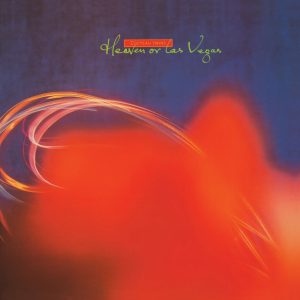
Episode 56
Heaven or Las Vegas
Cocteau Twins
Dream of ethereal waves of sound swirling around you—and words you can’t make out saying more than you could imagine—as you float back upstream with us toward the warmth of Cocteau Twins’ decade-defining masterpiece, which still ripples across a vast pool of influences 25 years on.
Transcript
Kyle: Today we’re talking about Heaven or Las Vegas by the Cocteau Twins.
Cliff: So we usually don’t have, uh, episode to episode linear narrative or connection, that’s sort of the point of picking a bunch of different albums like we tend to do. But we not only have some of that this time, uh, I feel like this in and of itself is a pretty classic tune dig focused album in the sense that on one hand, we can talk all day about how interesting this piece of music is in isolation.
Like we can talk about the thing itself, but then it’s another one of those Morty’s mind blowers of downstream impacts on everything where it’s like, we could basically fill 12 hours talking both about the thing itself, uh, and then every other cool thing that we started noticing that happened probably as a result of this album existing at all.
And it makes me love our ability to connect a few dots in, uh, particular moment in time in the nineties from Jeff Buckley to this one but be able to speak to the alicized impact of two pretty different genres of music actually coming out of a similar period of time. Uh, and then we’ll have some Easter eggs of literal connection between them as well, which will be nice.
Kyle: What I love is that we weren’t even really aware of the connection. We weren’t deep in the lore for either of these artists. And we were aware of things that they did. And as we were researching, you know, we’ve been texting each other a bunch like, Oh my God, did you know? And we just knew that these were records.
Like you can, you see the cover and you see people that you like. Their music binds talking about these records over and over, just sort of universally beloved. And I’ve started doing the litmus now to of, I’ll just show the record. I’ll be like in public at a thing. And somebody will ask me about the podcast, which is, makes me cringe out of my skin.
But then it’s an, it’s a way to do a little bit of field research. You know, what, what’s coming up next. And then you show them the next couple of things we’re talking about. People like buckled at the knees when I showed them the album cover, they were like, Oh my God, this record. So there’s almost a religious fervor around heaven or Las Vegas more broadly around the Cocteau twins.
But it’s just so interesting that this deep in the game, we’re still finding stuff where we know it’s big, but we just haven’t opened that door in the endless hallway yet. And now we do, and it’s a huge room, like in Encanto. Um, so I’m, I’m excited to walk around inside for a little bit together.
Cliff: Yeah, speaking of cringing out of my skin, uh, having public conversations about music,
Kyle: Is that the title of your, your standup, your, your Netflix hour? Speaking, speaking of cringing out of my skin, what’s the deal with social cues?
Cliff: Have you guys seen this? Have you heard of this? Feeling weird in public? Have you done this? I’m realizing now, you phrasing it this way, I already now have at least one thing that’s going to activate in me like the Winter Soldier when someone mentions this album now. And a little preview of probably what we’ll talk about later because I’d love to bring this up, but it’s become a recent realization of mine that this is now my canonical anti loudness album. Like evidence one, a for submission into court about why the loudness wars were not only terrible, but now I also think produced music that tried to compensate for the loudness that was being produced and kept us from having records like this until probably again, in the last few years, when all of that shit died back down.
I didn’t realize that I would care about this or that somehow I would mentally connect. This record to death magnetic but it has happened in my brain. Uh, and I look forward to talking about that some more, especially as we talk about the songs and sounds
Kyle: you are saying they’re opposite polarities. There are two records that are loud and one of them tries to be loud and one, and this one tries to be dynamic
Cliff: Yes, yes. With Death Magnetic being the poster child of the Loudness Wars, uh, I think it
helps,
Kyle: a, a solid spectral block for over an hour. Yeah,
Cliff: Yes, they found so many ways to be annoying as a band, uh, and then this was one of their best ones. But yeah, just understanding a little bit more
Kyle: they did. Lulu, and then somehow, or I don’t, I don’t remember which one was first, but two. There was two. Two right there in sequence where it’s like, what are you guys doing?
Cliff: Yeah, if we’re cringing out of our skin their story is comfortable here, bro. We’re good. No, this is fine
Kyle: An almost consultant level of brutal lack of self awareness. the finance bros of music.
Cliff: How to never feel cringed by never realizing that you notice yourself feeling cringe a story
Kyle: This is exactly the kind of discussion I know Liz Frazier would love being a digression before we get into her music. But you need the contrast, I feel to appreciate the softness and deeply feltness of what they’re doing here.
Cliff: Well, we can’t launch directly into all the superlatives, because that doesn’t make for interesting content.
Kyle: Yeah, remember the no conjecture rule? I was thinking as we were preparing the outline, we’re probably about to break that shit. This is a real, this record’s a real all timer.
Cliff: So, released in September of 1990, recorded in London, this is a record that we chose specifically out of the Cocteau Twins library, but also I would imagine we would just not only pluck this out of their discography and the Tune dig calendar for this particular month. But if you wanted to touch on any of the downstream implications of dream pop, shoegaze, ethereal sounds, ambient, post rock, like any number of things that quite frankly have become my favorite sort of sub genres of every genre.
Um, this is once again, uh, sort of center of that constellation. And they have a ton of great music. Across their library as an artist for sure. But this one in particular, I just want to say clearly like this is far and away my favorite, uh, and part of it is because of the production. But I would also learn as we do on these episodes the whole reason we structure things this way.
Not only do you learn stuff by listening to an album with a lot of intention and fresh ears, so to speak, but loading up all the context in history of how the record gets made So Sometimes they’ll surprise you. This one was like, Oh yes, that makes exact sense. That is correct.
Kyle: That, that translates.
Cliff: even, you know, and I’m, I will mention a ton of these, right.
But even down to them having 10 fully recorded instrumental songs before Elizabeth Frazier began her work is like, yes, that tracks to me and matches exactly to not only what makes sense to me kind of about this music, but What makes me love it specifically there as a person who loves to shit just a little bit on the role of vocals and lyrics.
This is music that helps me prove my point in a way that
Kyle: Oh, I was gonna say, no, no, no, no, no, no. Fuck you, dude. I was gonna say, this is a counterpoint to everything you’ve ever said about it. It’s probably two halves of the same truth, but it’s like, no, there’s a way to do it this is, I guess the same thing Kurt Cobain was doing, but less a bit less dialed in, um, and we, we can talk about the nuances cause I’ve really sat and thought about this a lot as have their fans clearly there’s no accident to the way that this is being conceived of and it’s, I find it extraordinary and as a words person, I’m, I’m really mystified by it and I’m impressed.
Cliff: This is exciting. We got a podcast now, baby. We disagree over something mildly inconsequential in which we both agree on the larger point anyway, but we’re going to talk about it for a
Kyle: Yeah, yeah,
Cliff: No, that’s great.
Kyle: words are failing us. We probably have similar feelings, but we’re expressing them in a different way, thus further reinforcing Liz Frazier’s point with trying to avoid the English language entirely, because fuck the whole thing. Am I right? You
Cliff: me anyway, so might as well do it on purpose and make it sound good.
Kyle: Since we’re doing disclaimers, I, I just want to reiterate my hatred of genre terminology. Dream Pop is always one that has really bugged me. And, this record, the Cocteau Twins in general, but this record specifically because of its poppiness. It is fully worthy of the term dream pop because it sounds like you’re listening to a pop record in a dream where it’s all a little bit out in front of you and you can’t really, as soon as you try to grab at the details, they evaporate.
But if you strip the whole thing back, like if somebody sang these melody lines and played the basic chord progressions, it would be great and memorable songs. so the, the genre tag really works for me here. Not going to go around using it, but I do appreciate it. It is helpful to understand what you’re about to experience.
If somebody says that’s what this music is,
Cliff: Fully agreed. And one reason I’ll keep bringing up production as we go along is for me, I, so I can agree with you, but even just thinking about the production and how production specifically will impact a pop record. Like to me, you could. You could, at least theoretically, turn a dream pop record into a non dream pop record exclusively through production approaches, right?
Kyle: totally.
Cliff: and so to me, that is why, yep, agreed. Uh, I don’t want to overuse that label, but here it works. And, uh, It has the dreamy pop ness of it has an expression that you can sort of point at, uh, and has some different like pieces of the elephant that you can actually describe and see a whole of why it sounds good point being, I feel like if this record were made or produced in, in the midst of the loudness wars, like I mentioned, so, you know, 10 to 15 years ago the vocals and other aspects of the instrumentation would be so forward that it would not have the washy feeling and sensation that this record specifically
Kyle: Mm hmm.
Cliff: And for me personally, that makes all of the difference in when I want to listen to pop records or
Kyle: The, the layers would flatten and it would be like overpaint. Yeah, yeah you really critically need space with the amount of like chaining and layering of effects that’s happening here.
Cliff: yeah. And to me, this is sort of a sibling conversation to our Olivia Rodrigo episode because we not only talked about being surprised by the quality of the music on Sour in general, but we talked a lot about the production and why it sounds good and how it works. And like, that’s another record that’s a good example of at least, From my anecdotal or personal experience of the record, like the balancing of the instrumentation brings out the overall like emotion of the songs that are actually written.
They feel more intense to me, more immersive because especially when it comes to vocals. When they are properly aligned with all of that other ethereal sounding, reverberation, whatever else is happening, it feels like one cohesive story being told as opposed to, you know, a lot of pop records to me feel like a singular person performing with some background people doing music to it.
Like, if that makes enough sense, like to me, that’s, that’s really the hard to
Kyle: karaoke. It’s somebody, it’s like a,
Cliff: Great. Yes.
Kyle: thing that then somebody, Consumes or whatever. Yeah. Yeah. Yeah. What, what I found really interesting about that unlike so many other artists the band has a huge website. And it’s got, it’s got a glossary of terminology. It’s got all sorts of interviews.
It’s got stuff about gear. It’s got all the press that’s ever been written around lyrics or lack thereof or whatever. It’s just like, it’s a, it’s a tremendously good repository that I would love to see from more legacy artists. So kudos to the team that. Puts it together and maintains it. One of the scores of articles on there is an interview with Robin Guthrie where he talks about how each track in the song is a recorded effect.
And he talks about how he’s not a really good guitar player. So like sometimes he’ll do a single notey thing and then start building and bouncing. I didn’t think about the elements being that thin or minimal or singular. getting from there. To the huge sounding things that you’re hearing on this record is a an enormous journey.
And makes me Makes me applaud what’s happening? Even more. I mean the dude literally said I wouldn’t know a d flat from a b major which is very much in the school of Gary arse from yawning man who just like does stuff with his hands or jay mascus from dinosaur junior who was just making up chord fingerings and To be able to do almost perverse amateurishness and land something cool and novel is like, well, of course, eventually you would land something different, but to make it sound different and cool a huge thing. So the level of innovation on display here goes all the way down to the bassist musical elements, which I find really exciting.
Cliff: Totally. I mean, Robin Guthrie. So just to, set it up clearly. So he is the Producing this record, he’s primarily the guitarist, uh, but to, to really bring home immediately, you know, Kyle, what you were just saying, like, this is sort of a, it’s like a knee jerk, Oh, Cocteau twins, like, uh, classic synth records, like actually a shocking amount of the music on this album is just guitar being channeled through, uh, You know, rack unit after rack unit effects, processing after effects, processing, building, building, building, and creating a bunch of layers of things to the degree that, to some extent, this record in the, especially the guitar playing, has more in common with King Tubby meets Rockers Uptown than it does most of the other guitar based music that we talk about, which is the thing that makes it sound and feel synth y,
Kyle: another Jeff Buckley connection. It’s a guitar record that you didn’t know you should refer to as a guitar record
Cliff: Yup. So speaking of that, two, two really great connections, I think, between our just previous episode on Jeff Buckley and this one, one is the bone headed one that’s just worth mentioning, but the other, I think is, is a little more deeper and conceptual, uh, in alliance to how we’re trying to approach music and trying to help other people approach music too.
So one is just, yes, eventually Elizabeth Frazier vocalist of Cocteau’s winds would. be in a relationship with Jeff Buckley and would go on to write about that in future music and did a duet with Jeff before his death. And, they had a relationship, it played out. I don’t think that should or did have a super influential or important chunk of meaning relative to what we should discuss about this record.
Kyle: The, the only, the only digression that I would, I would probably account for is she is a huge self-admitted fan of Tim Buckley. And I know there’s a, there’s a whole complicated relationship there, but I think there’s a spiritual, like I heard a voice in Jeff and felt a spirit that I have always been drawn to.
There’s a, there’s a very cosmic essence to Liz Frazier and the way she moves through the, I mean, she’s very. Artists, artists in that way, like big, big old fields. So yeah, there’s the, I don’t want to call it tabloid stuff, but yeah, there’s, there’s the stuff that this podcast tries to not concern itself with, that’s, that’s there a little bit.
and that people have asked her about, pretty exhaustively at this point, unfortunately.
Cliff: Yeah. So it’s worth noting so that we can say we know about it, but we’re intentionally not talking about it. We are the same duo who brought you an Alice Coltrane episode in which we were like, Yeah, so the fact that she was with John Coltrane is basically not important here. So let’s just set that to the side and talk about a mammoth record.
Uh, so similarly here, there’s a lot more to talk about. Especially because, In the timing of this album Guthrie and Fraser had just had their first child. And it was a newborn here, which we’ll talk some more about the pretty heavy stuff that was going on for everybody in this band during, during recording that I think helped produce the thickness of this record.
But on a lighter note, I just wanted to call this out because I really enjoyed this discussion from last time. I usually don’t get all like meta talking about our previous discussions, but like in
Kyle: All right. Did you cool out Dan Harmon?
Cliff: sorry, but in that Jeff Buckley episode, one of the things we talked about is paying attention to your favorite artists, favorite artists, right?
And in this moment, yes, we have a direct Chaperone, uh, reference for that whole meme. Yes. But that’s been going on for a long
Kyle: R. I. P. Jeff Buckley. You would have loved Chapel Run.
Cliff: we can draw a line between anyone
Kyle: That’s why, that’s why we’re great at bars. Give me two, give me two things. I’ll get there. Two, give two, two faraway end points and some hot wings. I got you, baby.
Cliff: Yes, Cliff, famously good at extroverted conversations with strangers in bars. Yes. But we talked a lot about paying, again, paying attention with your favorite artist’s favorite artists. And for Jeff Buckley, like that’s, you know, that’s, that was folks like Jimmy Page and things like that. Here here there is a lot of love for Cocteau twins, but one of them that was pretty immediate to pull out, Prince.
Like Prince, Unabashedly like this band a lot. He replicated it through music, both at the time, uh, and then through, um, the 2014 release of Tic Tac Toe. Like, there’s several songs that are kind of direct aping that he didn’t really hide when someone would ask him about it. And then additionally, he tried, he tried to sign them
Kyle: And oh, by the way, do, doing stuff like directly or indirectly from other artists was very much not Prince’s thing, just to put a fender point on it.
Cliff: Right, right, because who was doing something he hadn’t already done or thought of, right? so this is another example of like, okay, I was already on board, but I’m gonna lock in pretty hard. Uh, if, if Prince is paying so much attention to what was done, especially in the early 90s iterations of what this band was cranking out.
Kyle: Just the fact that he literally said, what I like is stuff that I can’t do, and I would never do, like, the Cocteau Twins, I would never do that.
Cliff: The, another quote he had though, which I think, Can take us directly into sort of what it feels like to try to listen to this again with fresh ears and to start tying together some of the references we’ve already made about vocal approaches and the sounds and all this stuff. He said, quote, you can’t understand the words of Cocteau twin songs, but their harmonies put you in a dreamlike state and like, yep.
Yep. I mean, we could kind of put the podcast down now if we were being irresponsible or if we were only looking for Prince quotes to end everything that we were talking about, but that’s a pretty good, I think summation of at least one way to experience this record and kind of understand what it’s sending in your way when you’re listening.
Kyle: I think about the essence of the Erykah Badu episode where we were talking about how her, her sort of Unstated mission statement is to raise vibrations. It’s like elevated consciousness. That this is more like out than up. I mean, I think it is intended to be a consciousness shifter for themselves or otherwise, but more like diffuse to capture the the, the bigness of consciousness. So dreamlike state is perfect, but you know, don’t think of yourself falling asleep and having a movie playing. Like think of your senses being really diffuse and beyond your ability to catch them.
Cliff: I love how you said that. Sorry. No matter how long we do this together, man, it still excites me when we start saying things and it’s like, Oh, that’s exactly what I was thinking about when I was listening. So it’s still, man, it just gets me stoked, but okay. That is a great way. I think to talk about what surprised me when, you know, this wasn’t my first time hearing this record.
I’ve heard it plenty, but. You know, we always take this approach when picking an album and we focus on it and we give it active attention and one of the exercises we try to do is just giving it a sort of new ear listen and just notice what surprises you and specifically Related to what you were just saying, when we talk about it being dreamlike, one thing I noticed specifically is that despite the songs being a pretty normal length, they never overstay their welcome.
there’s no slow ramp up, there’s not a lot of instrumental interludes that feel like they’re spacing out the songs, there’s not a lot of repetition that feels like it’s unnecessary. The songs, like, pretty much end immediately, uh, once the, the, the melody itself is done for the last time. Like there’s no long play out, there’s no ethereal interlude And in that sense, it has an uncanny dream like quality in that dreams somehow always feel like they just stop at this really weird time.
Like it sort of completes,
Kyle: And you always become, you always become aware of them in the middle. So you get dropped right into the main idea, which is what these songs do. And you know, Robin Guthrie talking about like, they’re all built around an effect. And then I start building layers outward from there. It’s like a, oh yeah, a fish is my teacher in my 11th grade class.
That’s what this, that’s what track five is. Fish is my teacher. And then track seven is, um, I’m seeing the Northern lights on another planet and another timeline or whatever. They’re, they’re distinctive, but they do drop you right in. There’s no, It that’s what lends itself to oh, this is a pop record. There’s no bullshit You’re right into the main idea and they get going they cook on a dynamic and then they leave It’s like borderline chuck berry ish
in that
Cliff: Oh yeah!
Kyle: It’s very focused. so great great on you good point there Because
Cliff: really stood out to me especially again, coming off of a conversation about a Jeff Buckley record where I personally talked about how it felt hard to kind of click into it for me for whatever reason.
Kyle: there is so much build and and wandering and dynamic on that record. Yeah
Cliff: Which, like, I mean, I’m a, I’m a mono explosions in the fan sky, or explosions in the sky fan.
There we go. Ha ha ha ha ha.
Kyle: Did you know there’s an Explosions in the Sky connection to this band other than Sonically?
Cliff: No.
Kyle: Yeah, so here we go. I wanted to talk about Bella Union when we got to the last part. Um, and obviously we can revisit that. But Explosions in the Sky is a Bella Union band. It is, or at some point was. So, they’re part of this tree.
Cliff: That tracks. Man, that’s cool. yeah, explosions in the sky, mono, Seeker roast, which I think we’ll also mention later has a connection. Like, I love a good build. I’m a big fan of it, but in the wrong context or in a, in a particular type of genre, especially for me, it just, it’s hard to click into this one opposite.
Five seconds into the first track, anytime I was doing a full album playthrough or even, you know, I try to mix it up sometimes and play things in different orders or see what comes out, you know, we love the classic play it in reverse trick to see what happens. Every single time I was locked in immediately, no matter what I was doing.
I, and it was just a a difficult to describe quality, but that I love. Having a stupid podcast where I can verbalize to other people like, yeah, sometimes music doesn’t work. This one did. You’re like, you should keep trying it because sometimes things just click into place that you would have never expected.
Kyle: That is a really excellent point. Cause I’m sitting here thinking about all the times in the past few weeks where I was like, I don’t want to listen to that right now. I’m not in the mood for that kind of thing. And then I’d be like, well, just do it. So you like think about it for 30 minutes today.
It’s also a pretty lean record. It’s 37 minutes. Um, so it, it gets in and out and then doesn’t, doesn’t overstay its welcome certainly. But like within 30 seconds of putting the record on. Like right away with cherry colored funk. You’re like, Oh, okay. Your muscles relax a little. And you’re like, I’m, I’m grooving.
Like you feel yourself kind of your body, your whole body loosens up with it. And you’re right. It is immediate. If there had been a bunch of build, or it had had some of the sparseness of their earlier stuff. the coldness the post punkiness It wouldn’t have pulled me in as fast, but yeah, it, uh, the lushness really, really gets you no matter what mood you’re in.
To that point, we’d also be remiss if we didn’t point out that this is their sixth full album. Um, and they’d been a band since 79. And I can’t think of that many artists that their sixth, seventh, eighth record. is the consensus favorite among fans and casual listeners. So there’s a bit of a unique quality to this group because they hit a stride or had a moment or a breakthrough.
I even think about, you know, I’ve talked about every time I die as a personal favorite band on this podcast before and how People generally acknowledge that they got better and tighter as they went along, but there’s always going to be a camp that’s like, you know, they’re for the, from 2003, the early stuff, man.
and, and there’s, there’s definitely people in the camp of liking the early 80s stuff. lower register, Liz Frazier, sort of a different approach to the, to the sound, but I think if you pulled a hundred people who like this band. You clear 90 of them that would say, yeah, start with heaven or Las Vegas, which is so interesting to me.
And like the early 80s stuff, you can hear, you can hear the starts of things on lullabies in the early 80s. There’s cool, like different vocal rhythms. and then you do the records right around this one, Bluebell Knoll before it and Four Calendar Cafe right after it. And both of those are really good records.
Like we could easily, if this record had never existed, we could easily talk about either of those other two and be like, wow, this group was really great. But It’s immediately apparent from the first notes of cherry colored funk. And they’ve said this in retrospectives, they knew when they did that instrumental, like, Oh, we’re onto something.
I just, I really look for stuff about. Did you know how, like, how did you make it more special? Were there influences that went into this? And I guess that’s the point you’re, you’re going to get into in a bit. It’s just real life informed a special energy that they brought to the creation of this stuff.
Cliff: Yep. I think that energy plus their literal approach to recording and production produces this kind of unique combination of things that we haven’t seen a ton. Cause it’s pretty hard to get that combination of, uh, extremely talented, tight knit group of musicians who are also, once again, at least one of them is an extraordinarily talented producer when you, you know, when you get those kind of moments, you know, like, uh, An easy call out is the band Converge, right?
When one of your members is an actual audio engineer, yeah. You have a different layer to draw on entirely.
Kyle: It’s worth. Worth mentioning that 4AD, their label, tried to get Brian Eno to produce a couple of their records before this, and he literally said, nah, they’re good, they got it.
Cliff: Eno, thanks. Yeah. Great stuff.
Kyle: but if that doesn’t mean anything to you now go to Brian Eno’s Wikipedia page, we’ve mentioned him a number of times, but go, go look at all the stuff he has been involved with, much of which was an influence on this band like he worked with. John Cale, The Talking Heads, Devo, Bowie would go on to work with U2 and maybe if he’d worked with Cocteau Twins, we wouldn’t have been subjected to U2 in the 80s.
You and I have different feelings about that. But, they did go on to work. Yeah, snuck that one in. They did go on to work. With Harold Budd later in the 80s who was part of was a collaborator of you knows, you know worked on ambient 2 Um, and like one of my favorite ambient records ever is called pavilion of dreams by harold budd And they did a record with him in 86 There’s a cut above from their peers thing because they’re, they were venturing off into new directions.
So, like we would do a disservice to try to talk too much about the history. Unfortunately, I don’t, I haven’t seen enough of the history and context around this group in one place, perhaps outside of their website, but they I’ve grown more fascinated with them as we’ve started to look more closely and, um, you know, the, this is yet another group that they are great in part because the family tree around them or the, the six degrees around them are like so much good recorded music in the history of music.
Cliff: For sure. So another thing that stood out to me on reactive listening to this one was, you know, we, we already kind of talked about the downstream connection to a million genres, artists, ideas, whatever that would, that would be heavily inspired by this band and this particular record. Um, But even I, a person who is pretty selective about the pop adjacent stuff I listen to and am familiar with, even I, immediately on first listen, was drawing out specific moves in the song and mapping them back to other artists.
I heard FKA Twigs directly on one of the songs. One of the tracks, uh, Ice Blink Luck, reminds me of the band Churches and Lorne Mayberry, and like, I I’m not a huge Churches fan across that whole discography, but I’ve always appreciated a lot of their music. About their approach some of the songs I really love and they were really fun to see in concert, but like the church’s song leave a trace like if you can’t hear Cocteau twins directly from that song I don’t know listen again and believe me I guess And then even 50 50 Clown, which is a pretty cool song in and of itself.
The ending had voices on it that, speaking of the Olivia Rodrigo record, reminded me of a move off of Sour. sometimes we can’t, you know, you mentioned the no conjecture rule. We don’t want to draw lines where we know that they don’t exist. But some of these are like, nah. You were listening to this while you recorded that other album, and that’s awesome.
Like, that’s that blues spirit playing out through all types of music and pervading everything like the inverse of a cancer, where we can all borrow the coolest moves from one another and keep recreating into something totally different that then inspires other people. So, especially if you are, um, Even close to like a pop or indie pop aficionado of any sort, make sure you’ve heard this record recently because it will feel familiar and I think that’s going to be cool for a lot of people who aren’t like me, uh, and know a lot more about different genres of music than I do.
Kyle: There, there are moments where it ventures into like FKA twigs is a cool example. And you draw it back to Prince 50, 50 clown. The first time I really listened to it was like this could be an R& B song. Like if you put real lyrics on this, the progression of this could be a 2000 or later R& B song for sure.
And 50 50 clown is the one that people compared. That song love that will be done that Prince wrote originally for Martika. Olivia Rodrigo herself could probably turn it into a cool. R& B ish thing, or a number of artists could and I have a whole, dense paragraph of people that like, if you’re picking up what they’re putting down as pop artists on this but boy, do I have a, a block of new things for you to go listen to.
This is actually, now that I’m thinking about it, this and Jeff Buckley are two that we should probably make playlists for probably just needs to be a standard. We’re thinking out loud here. Brainstorm happening in real time. People, there needs to be a standard recommended. If you like, we’re always talking shit about algorithms.
Let’s put our money where our mouth is and do the weird, the weird connections that you might not have expected playlist.
Cliff: Whatever. I stand firmly in my stance that we kick the algorithm’s ass in most cases, uh, and throw its dead body behind the dumpster, So our ability to, yes, even I’m excited to just get to that part of the episode and talk about it because yeah, like the Jeff Buckley episode, instead of trying to condense what’s happening in this album into a singular thing that then guide you along a singular trajectory through other related music, like we, we like firmly stand against this with religious fervor, like go in every direction instead.
Like, look in all of the places, uh, and look for all the things that surprise you and delight you that you wouldn’t have expected otherwise, because there are a million rabbit holes to go down, and that is, yeah.
Kyle: a deeply held belief for me hanging around musicians that they don’t think about it the way that listeners do. There’s less linearity. They’re pulling inspiration from more disparate places than often they let on. And so I think we’re trying to offer connections, more cosmic connections like the musicians themselves would want to be acknowledged or explored.
It’s really like inspiration begets more inspiration, you know, it’s got a, it’s got a multiplier effect. We’ve talked about that before. So the mark of a good album for us to talk about is the size of the ripples and the space between them, if the more different they are, but you can clearly draw some kind of connection still, the more worth talking about it is.
And I think you’ll continue to see lots more of that from us in the future.
Cliff: Was there anything else that surprised you when you were listening to it fresh?
Kyle: I feel two things. I feel one, like, Simon Raymond gets overlooked a lot. In this conversation about Guthrie and Liz Frazier and in a bit of a give the drummer some moment. The bass is a very important element of this record that like, I just did not see talked about enough and base in the way that like John Paul Jones was frequently not acknowledged enough as the backbone of Led Zeppelin.
There’s like if you watch Zeppelin videos. And he’s doing the bass with his feet, the synth bass on like a no quarter type song. There’s a lot of that kind of feeling bass and it really it propels things, it accents things, like everything is built around the guitar slash synth layer, the mostly guitar stuff, right?
But the base either warms it up or it accents it. So really listen for that and listen on a good pair of speakers where you can pick up the low end really nicely. Cause it’s, it’s pretty mid range and Trebley, uh, without, without the right set of speakers. The other thing that I’ll say you know, a lot’s been said about the lyrics or lack thereof, or the multiple languages or the.
All the stuff about Liz Frazier, but cadences of delivery and runs of notes are like two things I think she does really uniquely. So the, the cadence on something like, I wear your ring, dun, dun, dun, dun, it’s not how I would have. Put um, a vocal line in that instrumental and I found multiple instances of that as I was listening she just makes really unique choices around places.
She puts rhythmic emphasis and runs so not just like weird keys or weird sequences of notes, but she does these little flitters that are You totally inimitable. Nobody else could do them. And if somebody else tried, you’d be like, Oh, that’s a Liz Frazier thing for sure. You really hear it in, uh, the first time that I ever noticed it was the fearless on my breath line in teardrop by massive attack.
And like, Oh my God, who’s that singing before I’d ever listened to the Cocteau twins. You know, I, I’d heard that song. But in, in Ice Blink Luck there, she does like a, a trilling thing almost that it’s like, Whoa, holy shit. How do you do, how do you even do that with your voice? It’s a little bit operatic.
It’s a little bit Bjerk. It’s a little, a little bit. Punk or post punk atonal. But it’s really beautiful and it it seems impossible to pull off. I Am not a great singer, but I certainly can’t make my voice approach anything Near that there’s a deftness to it that is just I find really really impressive and it seems natural Effortless effervescent like it just seems like that was in her and that’s just how she sings around the house almost there’s a lightness To it, and I Found myself like you can’t hone in on any of the lyrics, but I found myself often Being like what’s she gonna do next?
You know, like what john bonham playing drums to make another zeppelin connection just like I fill to fill line to line. I don’t really know what’s gonna happen and it’s thrilling
Cliff: I liked your Björk reference there. I think this record draws out one of the two sides of Björk that has gotten channeled into popular music since she existed. To me, there are a million ways to classify this, right? But the side of Bjork that everyone seemed to adopt is the side that points towards, like, Regina Spektor and stuff, where people are like, I am small!
Hello, here I am! And like, oh, okay that works. And that got, that became like a
Kyle: I’m wearing a goose
Cliff: And I just, I feel like that became the move for versus. On pop songs, and then they would, you know, dive back into the lush hook in a chorus and, but, but like every verse would sort of fall back to this minimalist, um, sort of voice forward thing, which, first of all, Bjerg did and does in an inhuman way, much better than other people who even attempt to imitate it, but on the other side of it, like, If you can even just think of the line emotional landscape, a lot of people do the landscape part of Björk, but don’t do the emotional part where she is just
directly on note, directly ethereal in with the music designed to give you a very clear melody line.
Like that aspect of it, in my opinion, gets sort of. Uh, in subsequent records, this record is a gray example of that approach to vocalization where it is. No, I’m going to slot in here and yes, it will often be melody, but sometimes it’s harmony, or sometimes you can’t really tell who’s carrying the melody or what part is harmony because it’s all one kind of bigger mishmash of things together.
And because we keep running all of these signals through effects units that are building layers on top of it, the Venn diagram is no longer a series of three circles. Like, we don’t know where the edges are because things are bleeding into one another. And,
Kyle: And she stacks vocals like in the round with herself, you know, like overlapping phrasings in addition to harmony stacks like I want to emphasize that the more you sit with her delivery It’s very clear She’s not making up a language or doing baby talk or like sometimes she’s sneaking in a little bit more scottish or old english or whatever of You We’re clear words that are pulled, but it’s like, what if I stripped all of the hardness away from words with discrete admissible meanings, but like, it’s not, it seems like a lazy thing or an avoidance thing.
But it’s perfect. It’s not too loose, and it’s not too, like she didn’t make up Klingon for it, and only sing in this specific language, and that’s what gives it it’s dreamy quality, because it’s recognizable and real, but it’s not literal and linear.
Cliff: Yeah.
Kyle: And that’s extraordinary. Think about not only conceptualizing to nail a middle ground like that and evade either of those ends of the spectrum, but to be able to do it and then fucking remember it, to be able to sing it the same way twice is like, my brain could never do that in a million years.
Cliff: When I was learning to sing in a choral setting when I was younger, like one of the things they would teach us was if you don’t know the words, sing watermelon
because watermelon will look approximately like, you know what you’re doing and won’t sound terrible. And it’s sort of like, Well, what if you joined a chorus and then you made up your own part with watermelon and it sounded so good that they were like, wait a minute, let’s make that the main thing that we’re going to do.
And we’ll just kind of focus on that because it doesn’t really matter that you’re not saying what we were trying to say to begin with. We’ll get enough of the point, but you just keep doing what you’re doing. You just vibe it out. If you want to use some of the words you can, if not just the fact that we’re approximately in the same location as the words, we’ll do just fine.
And it just works so well.
Kyle: but it’s like she learned watermelon in 14 languages and uses them all on the record
Cliff: Well, as someone who works in corporate America during the week, um, that sort of skill does come in handy. Um, you can just sort of like say watermelon ish things back to people and they’re like, yes, yes, ROI, ROI, great meeting. Yeah.
Kyle: give this guy a promotion
Cliff: Yeah. I’m going to put this on LinkedIn. Here’s what Watermelon teaches me about B2B sales.
I
Kyle: Uh Send this podcast episode to your favorite best wearing b2b sales friend
Cliff: have one in mind.
Kyle: And then afterward, ask yourself, why are they your friend?
Cliff: Because we might as well make this turn as dramatic as humanly possible. I think it’s worth noting without, uh, Belaboring the point, a couple of like serious things that were happening in real time during the recording of this record. And I think it’s important to bring this up for two reasons. One is because, well, the context of an album is always something that we try to bring forward as much as we can.
Not people talking or playing. Projecting onto the record, but like, what were things that were actually happening then that the artists themselves say influenced it? So I think it’s important to know from that perspective, but from another I think this would be a good example of actually not overthinking The meaning of music and that’s great coming.
Thank you podcast That’s two hours long every episode about a fucking album for telling me not to overthink it but like there were some really heavy things that were happening then I don’t think and I don’t see any reason to believe that that darkness is the only thing that produced the outcome Of what people love about this record
Kyle: As the B2B sales guys would say, it’s a data point, not the data point.
Cliff: We cannot keep this theme going in a MetaSense across all of our episodes.
Kyle: we circle back on what was happening in the studio?
Cliff: so, So two things. First of all, like I mentioned a minute ago when we discussed, uh, Elizabeth Frazier and Robin Guthrie had just had a newborn. So there, there is a child between the two of these people, uh, that is less than a year old.
And as Kyle knows personally, and I only know anecdotally, that first year seems pretty busy and difficult.
Kyle: It’s psychotic and psychedelic. It’s insane. I mean, it felt like I was on drugs for a whole year straight, honestly.
Cliff: Every person who I love. Well, I’ll say it that way. Every person who I love, who has been through that experience, describes it in some capacity like that. Like, it is the most everything and the most terrible, all at once, somehow wrapped into the same thing. And my capacity for enduring the terribleness and my capacity for, like, expansion, all were there at the same moment, and I found out I was a superhuman.
Kyle: When every, when everyone’s like, yeah, you’re never the same after you have Kisly. Yeah, because it breaks your fucking brain, dude. Like, it, you just fundamentally are not the same physiologically anymore. One, because apparently biological things happen. But two because you are. You are in the trenches.
You are experiencing the middle of the night in different ways, more than you ever anticipated that you would. You’re sitting there thinking about your friends doing last call at a place out in public. And you’re like, oh god, I’m here. I have throw up on me.
Cliff: So that was happening for two of the three people in this band. And on top of that, you know, one of them, uh, Robin Guthrie being, you know, the person who is more or less taking single vibes and building them into massive songs. Like this is what is happening in his brain and body during that time period.
At the same time, while they were in the studio, um, Simon Raymond’s dad died, in the middle of all of this. Um, and,
Kyle: you’re getting the whole circle of life in one
Cliff: oh,
Kyle: creative burst. Um, and
Cliff: maybe we’ll mention this a little bit later too, but like, we, once again, we, we know that that had a direct impact, uh, and that’s worth bringing up because Simon even mentioned that, in his own words, quote, After my dad died, I couldn’t even grieve properly, and I arrived back at the studio early the day after the funeral and began playing the piano, and by the time Robin arrived, Foo Foo Foxes and Midsummer Fires was pretty much done.
Like, so, so we know from an objective standpoint, from the source, this song was written in grief. Like, this is a grief song. and while it has some sort of spiritual connections to the scenario Jeff Buckley had in his discovery, which we talked about last episode, where, you know, in the shadow of your father dying, uh, you’re able to emerge with something artistic and beautiful In the same vein, I mean, this is, this is heaviness personified in this moment across an entire group of people who are experiencing life’s highest joys and lowest griefs all at once, all while, once again, producing their sixth record as a well known group of people who are, you know, experiencing a pretty intense moment in their lives.
Uh, and I do think it’s worth mentioning as well that A lot of times when we cover moments like this for artists, this is it. This is the end. Or at the very least, this is the penultimate moment where they’re like, I’ve only got one more thing in me before I’m done with this forever. They would go on to have, like, this was the top of the bell curve for them.
They, they made it through this in other ways. And. Yeah, it’s an amazing testament to whatever they believed that they had between one another musically, uh, and it’s nice to be able to validate that in retrospect now because it’s magical.
Kyle: when you filter everything through the next record, four calendar cafe that came out, I think three full years later, you know, they’re in parenthood Robin Guthrie is still dealing with substance abuse issues, which like kind of feels tawdry to talk about, but, um, there’s a totally different air on that record.
Um, somebody mentioned the influence of can on Susie and the Banes who were like a spiritual ascendant of this band. And, and I think maybe there was a direct link of some kind to, to Cocteau twins. But it reminded me, I was trying to find an analogy in my mind. For the difference in vibe between having a Las Vegas and, and four calendar cafe.
And it felt like the jump from Tago Mago to future days where they’d gone maximalist and they’d had this sort of like big moment. And then they almost sort of had to exhale it. And there was a, a calm, a steadiness after, and I know it was, it goes deeper than that because it like was. fraught and the band only had a few more years before they collapsed under the weight of themselves.
But you can point to, you know, if you do the Dewey Cox, like, how can I tell the story of this band that lasted a really long time? You can point to things that are kind of tropes that exist at other places, but their story is really, is really kind of unique.
Cliff: yeah.
Kyle: and there, there’s just so much feeling between them that, that all came out in the music in a unique way.
And, you know, they were supposed to reunite for Coachella in 2005 and it didn’t happen specifically because, or at least partly because Liz Frazier felt the full weight of those relationships and how they went into the music. All that to say, when you hear the thickness, when you hear the emotiveness of the bends of the vocal sounds, um, when you hear the dynamics between the major and minor shifts some, you know, through something like the bass, especially they’re putting all that in there, but not in Not in a literal way.
I think the gift of the Cocteau twins was they Like we i’ve been thinking a lot about that like units of information thing that we talked about with jeff buckley last episode they found a way to compress it into pure dream like energy. another Rick and Morty reference. Like the thing like, we took the memory of, uh, the best day you ever had with your daughter.
We put it into a dessert snack. They could kind of do that with feeling for real in, in music. In a way that is like kind of touching at the sublime.
Cliff: Yeah. I mean, even just one more data point to support what you’re pointing out here. You mentioned, you know, four calendar cafe. The band themselves would say that that record was itself a response to this period of time in which there was a whole lot going on, which would get worse before it got better.
But point being, by that time, they were on the other side of Guthrie having gone through rehab successfully, which is itself a pretty unique story point for an artist. Usually that doesn’t take, you know, the first few times for people. Um, but he made it through, uh, and then Frasier, you know, by their own, um, you know, statements, had gone through psychotherapy to help repair some of the things that she was going through, like, there was a connective tissue together between these folks that they valued, clearly, it wasn’t a regrettable thing.
Kyle: sorry, not to make light of that moment, because that is a, that is a deeply earnest and meaningful point. But I was just thinking about how you invoked Metallica at the beginning of this episode, and I want to go create a Wikipedia category page of bands that went to therapy together.
Drop other examples in the comments.
Cliff: things that can, through music culture, trigger you. Nothing like mentioning that exact video. I’ve never gone from being neutral on someone to hating them as fast as I did when I saw that video of Metallica. Anyway,
Kyle: Songs that are about your mom, whether you know it or not. one thing I did want to ask you about, because you’re one of my favorite gearheads, like, there’s a clear you know, studio as an instrument, the city as a character type thing going on here with Robin Guthrie. Was there any aspect of that that intrigued you, or that you dialed into, or that you learned about and found interesting?
Cliff: Mostly, I would say that the more I learned about Robin Guthrie and his technique and approach here, the more it. re rooted and supported this growing thing as I try to be more and more of a student of music itself and the
Kyle: As I live and breathe.
Cliff: as I live and breathe. The people who have the best musical ideas are not consciously thinking of them in the way that we experience that once we’re done.
And like, yeah. Maybe that sounds boneheaded. I don’t know. But like this, like this, it’s sort of like, uh, maybe it’s just going from a childlike mindset into more of an adult understanding of things. But, you know, when you hear music that really kind of takes your breath away and you go, how do they even get there?
And then you, you know, read and learn a little bit more about the music, musicians themselves, and you realize, you know, they’ve been doing this forever. They’ve been working together. They do this every day. You sort of get this. implication in you that, for instance, Robin Guthrie sat down and picked 10 different things to do and then did them.
Just like he sat down, he did them. He knew what he would do and then he did them and then it was done. Uh, and then maybe people added embellishments or whatever, but it was, you know, it was that sort of third eye clarity directly on the place where they would get to and then they just know how to make their way there.
When I mentioned earlier that it feels like this has more to do with King Tubby than it does, like, Guitar effects in general, like the more I Understood that everything here was a journey that started with something extremely uncomplicated. Guthrie would remind everyone of that on a regular basis and continues to this day.
Down to the fact that, like when he gets interviewed talking about guitar tones, he would mostly willingly brag, especially nowadays. About how he was like, well, I just play like 150 squire now. Cause they’re like significantly better in quality than the super expensive guitars that we had back then that took all this work to set up and sound good.
And he was like, like, he just has this, LOL, nothing matters vibe. To his approach to music, and he doesn’t even talk about his time during this record as if it’s like sacred or he had these magical ideas like every time he would talk more in detail, it was just like, Oh yeah, this thing got curious, piped it through some things, thought about it, ended up in a place and then the addition of two other people took it to this mountaintop.
Every single time. Ha
Kyle: there is a sound on sound interview. With him, That speaks to exactly what you just said. He said, we don’t write songs as such. We come in here, put down all our ideas on the tape machine once, and then we mix and that’s it. There’s no demoing or anything like that. We’re very sort of down to earth about it. A lot of musicians fantasize that there’s some sort of artistic notion that goes into their music.
I don’t understand that to me. If it sounds good, use it. I don’t think about it when a lot of people hear music, then they go and say, it makes me think of such and such as if that’s what we’re thinking about when we made it. But me, I’m just thinking of which plug goes in which hole.
Cliff: ha ha! I had not seen this quote when I was trying to express this idea!
Kyle: Yeah. So he, he totally validated with evidence. And they asked him, can you recreate. One for one, the things that you do in the studio, can you take a piece of machinery apart and put it back together and create a certain effect? He said, no, that’s going a bit far. What’s helped is that when I first walked into the studio, I knew how to fix a module before I knew how to operate it.
And that comes from his work in Grangemouth on an oil refinery, like dealing around with buttons and stuff. Um, the shoegaze industry. he said all these different units. I like making them do more than the average person would take a reverb. For instance, most people would put it on the snare drum, but me, I then put it through a chorus and then compress it and just keep going.
I’m not into this purist idea of what a drum machine should sound like or what a guitar should sound like with me. It’s, I wonder what would happen if I put this in there, in here. So you absolutely nailed it. That validated by first person evidence.
Cliff: Hell yeah. To draw out, though, the kind of surprising other side of that same kind of realization, attack on the guitar is fundamentally different than how most people play guitar. And that was something that I thought that I started noticing, but you can Produce your way towards a lower attack sensation, if that makes sense.
You can play the guitar however you sort of want and then produce your way to the thing. But it felt different. And then eventually I stumbled across a quote where he said, My technique for playing the instrument is very, very gentle and very, very soft. Um, And he talks about how a lot of people that try to play music with a lot of effects, they’re really overdoing the playing part, which is like an absurd sentence, but he says they really overdo the playing part.
I’m not playing a guitar. I’m playing the sound. I’m playing the pedals. I’m playing the reverb. My touch is based upon what I’m hearing. Which makes me guess he’s probably been a good lover to people in the past as well. Uh, but got Kyle with that one.
Kyle: Oh, in all my years, I, I’ve never heard you make a musical comparison like that. Ladies and gentlemen, this is a new therapy breakthrough live and on the air.
Cliff: My touch is based upon what I’m hearing is a very good methodology to take into a lot of things.
Kyle: I’m sorry. The next time I see your wife, I need to ask her directly and in the face. Did you know guitar playing inspired your love life?
Cliff: The answer may surprise you.
Kyle: Honestly, with your wife, nothing surprises me, and that’s what I love about her.
Cliff: we’ll record this
Kyle: Everything’s a surprise, so nothing is!
Cliff: So, uh, so my, uh, speaking of cringing out of my skin, so my, my awkward statements about this aside, Like, that, though,
is
Kyle: it weird.
Cliff: That’s my job. That approach is shockingly impactful. And once I started thinking through the implications of that and listening to it, that sort of opened up a new way of sort of intellectualizing this record, which you don’t have to do with every piece of music, but sometimes I like to feel like I understand all of it.
Why I like what I’m listening to and hearing it expressed that way helped me to get it because that also to me aligns very closely to what Elizabeth Fraser is doing with her vocals, not only with the style itself, but with this glossolalia concept of like nonsensical syllables and all this stuff as part of singing.
It is not the playing of the instrument. They are not overdoing the playing of the particular instrument in any case. They are using an effect that they’re playing and using their guitar, voice, whatever, To ride out whatever it is that they think that they’re seeing or feeling in that effect.
And to me that thinking about that and putting those pieces together sort of unlocked like, Oh, that’s why I love this record. These things work together on purpose because they were meant to work together because they built it that way. It’s like an Asynchronous little waterfall type process in which they end up with something very predictable every time, if you know the ingredients that went into it to begin with.
And like that, that just to, to be able to draw out why you love a sound is to me a really cool thing to experience in music and something that I think is one of the reasons we like to encourage people to like. Just nerd out on this shit get better at listening to music because like when you start to think about and experience things and understand them at a deeper level like you are becoming an expert and what you’re Experiencing and like the depth of what you can do from there just grows And so like this was just another one of those moments for me We’re like, I just I had conscious appreciation of the exercise of listening to music like this that we do together
Kyle: The designed waterfall imagery it really resonates with me. It is not a novel concept to talk about alchemy between people in a musical group and how the whole is greater than the sum of its parts, but and this is specifically important because they record separately Or they were by this point.
So they’re bringing completed pieces and adding to them. So the effect that they get from the completed piece is even more interesting because it seems designed. to be alchemic. It seems designed to weave in and out of each other’s space, but that just shows how dialed in they were with each other by this point, you know, personal stuff aside, they knew how to work with each other’s stuff and carve out an emotional landscape.
And that’s so cool to me because the other nine, 999, 999, 000 whatever artists try to do that and can’t. So that’s a, that’s a special potent chemistry that they can make it look like it was woven when it was in fact stacked.
Cliff: I hate myself for this but It’s maybe the best example of a true yes and exercise. Trusting through musicians. Like, like it’s literally whatever it is you did, yes.
Kyle: For those listening at home, we did B2B sales. We did improv. Wow. We just need one more to complete the punch card of the worst people you’ve ever met in your life. Stick around to see if we can do it.
Cliff: One of the truly unexpected experiences I think of mine and Kyle’s life are being us inside of way larger companies than we necessarily ever expected to work with or inside of. Which means we both encounter some of the world’s
Kyle: And just having a job in general, if we’re being honest. The worst.
Cliff: stories, yes, that itself would shock many people.
Um, But, being exposed to not only the best people in the world, but also, wow, wow, yes, we, we should You cannot put 100, 000 people in a room and not have a significant percentage of them be the types of people who don’t understand the joke behind the B2B sales reference.
Kyle: you think otherwise, buddy, do I have a cult to sell you?
Cliff: So, bringing forward another one of our exercises that we like to do. We talked about things that surprise you on sort of fresh ears, active listening and all that. Another one we like to do then is, okay, subsequent listens from there. We’re locked in. We sort of have our initial viewpoint on it or our, Feeling or vibe coming into it.
And now it’s just like kind of repetition. Well, what can you focus on? What happens when you listen to different things or pay attention to different aspects of the music that you’re listening to? So you can draw out bits of it and all that stuff. So what did you find was interesting or fun to focus on or isolate or sort of do with listening?
Kyle: Layers, just straight up, like, especially once I knew what an album of layers by design. This was instead of a, a swirling ice cream of delights. A few that I really liked where there is a strobing effect right in the middle of the mix of pitch the baby that I liked. And it reminded me of There’s a little keyboard flourish and sipping on some syrup by Three Six Mafia, um, which is not a comparison I can imagine many people have made before.
But it’s one of those details that once you hear it, it is the main thing you hear, but not in a grating way, in a way that you’re like, Oh I like that sound. It’s like pleasing to my psyche. In Wolf in the Breast, Liz does a vocal bend up that’s then echoed by a little very almost country ish guitar slide up. And it’s like blink if you miss it, it feels subconscious because the slide is, is a little bit buried in the mix. But it echoes, it’s just enough beats off that it It’s like a delay, a dreamy, psychological type of delay and there’s some cool twingy little flourishes there. And then in, Road, River, and Rail, there is an atmospheric layer that feels like baritone sax.
almost. Um, specifically there’s that group born under club of gore, the, the sort of like ambient doom jazz group where they stretch out instruments until they get really lynchy. And, you know, like they did with the Justin Bieber song slowed down 800 percent and it sounded like a really cool ambient record.
There’s some. There’s some stretching in addition to like it feels like there’s a lot of compression and density In this record that like mushes all into a softness, but they stretch the taffy as well on a few of them the layers do go in really different directions and textures and I appreciate that variety but those were Those were a few, that really stood out to me.
I’m also surprised that like the title track hasn’t taken off as a tick tock audio yet. Um, there’s just something about the, the phasing that they use. That that feels really timely or tailored to a time when people are like clearly clamoring through whatever warp nostalgia is happening on the internet right now.
They’re like clamoring to cobble a relationship with time and memory. It feels like a perfect song to do. Like, I’m wearing my mom’s shit from the nineties or whatever, you know? maybe one day it will, maybe it has, and that pocket just hasn’t reached my for you page yet.
Cliff: I’m like to try to get to the Cocteau side of Twitter or of TikTok. Yeah.
Kyle: Commenting to say on Cocteau Talk.
Cliff: Oh,
Kyle: for Cocteau Talk, that’s a different thing.
Cliff: yeah. Lots of lots of check your spelling on this episode for sure. I would agree with you and just draw out a couple of like particular aspects of that that were interesting to me when I think about the layers. One is. This will be a fun little needle to thread, but you mentioned compression. So, specifically though, not compression as defined in audio production.
This has actually a lot less of that type of compression than, uh, like the loudness type records that we were talking about before. However, I know what you mean, and it is great to listen to you, how the blending, the, like, The exact, correct, volumic, and loudness related blending of all these layers together.
To the degree that none of them become foreground versus background, but are sort of this, like, they’re going in as a unit into every song. And to that end, I think a fun exercise, speaking of not overthinking it don’t be a music nerd in this moment. I’m speaking to myself, not you. Like,
Kyle: Don’t, uh, don’t turn on the lights in Space Mountain like the Dissect guy.
Cliff: Exactly. So, Picking out what’s melody versus harmony. So again, don’t overthink it here and like debate with me and like, don’t do the like, it can obviously be in a minor or a major key all the time, bro. Like I know, I know, I know. But what I mean by this is
Kyle: While you were writing this essay, I was busy in public with my friends. Kissing a human person.
Cliff: yeah, touching grass so much. I actually roll it up and keep it in my pocket. But playing with your. Your interpretation in a song of what is supposed to be the main melody line and what is supposed to be accompanying this in the moment is surprisingly not difficult, but like fun. Like it, it catches you off guard because,
Kyle: It’s evasive.
Cliff: Exactly.
And to try to draw some, some contrast, like, me and you, Kyle, are both lovers of like riff driven guitar music, that is melody driven music by any other name. Like, a particular instrument is carrying a melody, everything else is sort of playing around or with that idea.
Kyle: Dude, I did have that thought. The, that like the Adam Tan boos or the at the gates type stuff where it’s really melodic riff writing where you could just listen to the instrumentals and carry those tunes around in your head all day singing them like pop songs. They definitely have that with the instrumental arrangements here.
Cliff: it is related to, but distinct from a pop hook, like there are memorable aspects of all this music that you’ll catch yourself singing and humming around to, but it’s almost never the, Chorus vocal hook that you would traditionally expect out of a pop song. It’ll, it’ll be the, the intro or something tacked on to the end, or like a particular little bit that you didn’t notice in one of the songs until you listened to it a few times through, like just trying to dial in on, is there actually a singular melody happening in this moment at all?
Or is this sort of just like, Oh, Vibe surfing throughout a key, like just allowing yourself to approach it that way and sort of intentionally de intellectualize it without dumbing it down because it’s not dumb, but just sort of not overthinking it. Like to me, that is what helps click in so quickly with this every time, like even when you’re actively focused on it, I’m still bobbing my head to a rhythm that I’m not even actively focused on because it just works.
Thanks.
Kyle: There was a video that I saw Years and years ago when the song came out, but Tuesday by Maconan and Drake, where music theorists sat at a piano and played the chords and talked about how they don’t resolve. And that mirrored the feeling of being at the club on a weeknight, you know, indicating that you’re the type of person at a party that never ends.
And a bit in a good way, and a bit in a melancholy way. And I think of that every time I listen to that song, but it’s also not like, well, I wonder what they were thinking in the studio. You know, I wonder if Sonny digital was thinking about that. The chords don’t resolve or whatever. you can have some fun adding in conscious or subconscious unconscious thought around the thing, but like, don’t let it detract from the actual content which on its face with no thinking is a thing that can fill you with feelings. I think that’s what you’re trying to say, right? Something along those
Cliff: Yeah.
That’s why I love this exploration, man. Just using musical art as a way to, like, pass your absurdist thoughts through and try to communicate with another person. It’s magical when we do these fucking episodes with each other. I look into your face as my, like, one of my longest friends. And, like, somehow we are able to talk about shit without ever having to use the right words to do it.
And, like, That’s magical every time, and it’s stuff that I love to give other people through this. Once again, I’ll just always tell people, through this podcast that we pretty much expected to never do more than a handful of episodes about, but people keep telling us is good or helpful or something. But it’s fun to track my own personal changes through it and how it impacts me.
And one of those things, which I kind of want to mention before we go into the. Here are 30, 000 doors for you to exit. Um, one thing that I feel like I’ve gotten better at, that you’ve always been good at, Kyle, Uh, because you would, I remember when you shared with me one day that you, you’re like, I made playlists, like, based on, like, a feeling, and I was like, My brain was like, the fuck did he say?
What do you mean? Like, what do you In what way, you know, and that was always a cool exercise for me to like try to understand what it is You were doing through that but like being able to discern a describable visceral feeling about a record Is a skill i’ve become better at through these discussions And for me this one Was the feeling it especially to me mapped to Those intense things that were happening for the band at the time where they’re experiencing Extreme joy and grief all at once and for me this record musically and energetically feels like Uh, and I know some people do this.
I don’t know if everyone does, but when you stand in the shower and you have no intention whatsoever of doing anything except standing in that shower and being pummeled with the hottest water you can possibly cook up. And you’re just going to stand there until whatever feeling you have in that moment evaporates and leaves you.
Because there’s nothing else to do except I need to be overwhelmed by body sensation. I need to be trapped in a room that I can’t get out of. I need to sit there. So to speak in this feeling that sort of activates all the you know, the, the heat is activating something in my body that’s trying to release whatever it is I’m going through, whether it’s good or bad.
It just becomes sort of an overwhelming feeling and you just get to reset a little bit just standing in the water Knowing that no one can talk to you and you can’t do anything right now You can’t like look at your phone like you can’t distract yourself and like that feeling when you’ve locked into something and accepted that like I need to sit here until this leaves me that became my visual of what this album felt like to me all the way from the the way that everything thing Is in perfect non literal harmony with one another, like volume wise, it feels like a wash over you, no matter what sort of headphones you listen to, whatever frequency is drawing out has a wash sensation to it.
So you get all these different feelings of being sort of encapsulated by the songs that once again don’t. Because the vocals themselves and the lyrics aren’t such a critical point of the music, it never takes you out of that overwhelming feeling. Because I never have to figure out if I understand what she’s saying or what she’s trying to talk about.
It just is. And like, It’s a real gift to find records like this because I don’t get it, especially outside of heavy music very often. Um, but this one did that for me and I will enjoy returning to this record when I want to feel that feeling again. Ha ha
Kyle: that was so thoughtfully put. I kind of experienced the feelings bit the opposite way you do, which is why I so enjoy having these conversations. Like the blanking out bit for me is like staying at the surface, not going into the big, deep, like I just envision the consciousness inside my body is a big ass house or like a big plane, physical plane that I’m a small thing in the middle of.
Like I’m a, I’m a huge cosmic body with a little brain person inside of it in the middle and the staving it off the blanking out bit is staying up at the very top, right outside the elevator before it goes down and, Uh, that’s the place that I normally like to live. That’s why I like shit like the Stooges.
Like, it just is what it is. Like, come have a beer before you get in the elevator and think about your feelings or whatever, you know what I mean? Like, fucking trash the lamp or whatever in this waiting room.
Cliff: ha!
Kyle: it’s literal and feral and blues and you know, there’s there’s nothing more to it than what it is it’s a big exercise and it’s a lot of physical travel To go down into the depths of yourself, which I think is what this record does but I think what’s so beautiful about it is They see a beautiful place down in the middle of it and i’m specifically thinking about liz in this way But this also applies to the to the two gentlemen where They want to come back up the elevator and describe it to you.
And that’s what the offering of this record is like the walls are these beautiful colors, and there’s a great view of a grassy knoll outside, and there’s all these things happening. So, it’s the blankness that you’re describing in the sense that. Like, oh, I found a peaceful place at the center, or I’m longing for a peaceful place that I haven’t reached at the center of my consciousness, slash the cosmos, slash, you know, the, the golden thread between that macro out in the universe and that thing inside me.
And I’m feeling like anyone who’s never done psychedelics can’t really understand or visualize what we’re talking about. But it’s real. And, and I hope it’s like a therapeutic exercise. People can take a record like this and envision that bigness inside of themselves and maybe extract your own.
Beautiful thing that doesn’t need to be too literal or like anything you’ve ever seen, you know just start like putting colors places or singing in a weird language or writing your own hieroglyphics or Something just like extract that big feeling of describing the huge universe inside you to other people I know that’s what the creative process is just described in maybe kind of a freaky way And
Cliff: Man, I love that. Reminds me of that album title from Cloudkicker, uh, Let Yourself Be Huge. And I remember that phrase just stuck in my brain and, you know, as a closely related sibling to that Marianne Williamson quote, uh, from a unique person, but it’s a pretty good quote. yeah, finding yourself in that space and getting comfortable with it, um, it’s, a blankness that’s much more reminiscent of a, so to speak, successful meditation session than it is, getting too drunk and not being able to think about anything.
It’s not really that, yeah.
Kyle: I I think you and I are both really striving to You offer a visualization exercise, a spiritual visualization exercise of sorts. Because I think everybody’s feeling some version of that and trying to ascribe something to that, you know, all the longing about like, what, what is my purpose? Who am I? Why am I?
There’s not an answer at the end of the exercise, but there’s a direction that you can go in and the really, really beautiful works of art throughout history. And I love that I saw a lot of comparisons to visual artists. uh, Rothko and Agnes Martin and minimalist interpretive type artists. The mark of a really great artist is it, it helps you find your own way to truth and to beauty.
And I hope like if even one person listens to this record and uncovers some, some beautiful truth about themselves or the community they live in or their family or. You know somebody they care about then that’s a that’s a win and I think that’s Something that the three members of this group would be deeply delighted by
Cliff: I love it. Speaking of, uh, right turns, let’s take one out of earnestness just into you. Let’s play another round of we’re better than your stupid algorithm because your algorithm can never be cred and we can at least try to be. I don’t know, do a pretty good job at it. But like we mentioned earlier, like this is another one of those gifts of records that will take you in a lot of directions.
You can go in all of them, or if you hate some of them, all good, you have plenty of space to play. And so many things can be kind of traced back to this, but it is mostly once again about a discovery exercise, which we enjoy sending other people on. Even though, I mean, we don’t, we don’t. Make any money by sending people to music.
In fact, the people who make the music don’t make any money when you stream their music either. But like, yeah, but like, we’re doing it for the love of the game. There is so much joy in discovering something new because a sound or an idea sent you in a direction. So, let’s do it. Where do you want to start?
Kyle: Let’s talk about the impact of this record and you listed a few and i’ll i’ll just augment Uh,
Cliff: to find people directly and objectively saying, yes, Cocteau Twins, yes, that one, that, that is us. And, it, You get a nice smorgasbord of different people, even just from the Direct Quotes Club. So, going on a little journey here, first of all The Weeknd, uh, sampled Cocteau Twins and was like, it is clearly an unabashed fan.
And then in interviews with Cocteau Twins members, they cite that as well as being something they’re proud of. Cool with like excited about, um, that it was sampled. So there’s, you can probably already imagine if a weekend song popped into your head just now, you can start tracing that lineage. If you’d like other places, you know, this was a record released in 1990.
And like we talked about not only contributed to dream pop, but also shoegaze From a number of perspectives, uh, and so there’s a ton of stuff to dive into there, especially if that’s not an aspect of music you’ve explored a ton yes, My Bloody Valentine is in there and all that, but like, Lush, who was sort of like an OG shoegaze band Slow Dive, Even like bands like Mazzy Star from the 90s, like kind of those underrated bands that, that shot out a few hits that were really cool.
So there was like a lot of inspiration happening in that time. In the moments in between both The Weeknd and the bands that were formed in the early 90s, I mean, you’ve got Deftones, you’ve got M83, Japanese Breakfast, Beach House, all of these different little, you know, You know, uh, flagship artists in very different genres, just pointing directly back to either this record or this band and this period of time in general as like truly inspiring their approach to sound especially.
A theory, real layer building around their music. And, uh, I think also, you know, Hard to pull out a direct quote about this, but also inspired, I think, a lot of these bands to, again, not overthink particular things that are considered to be staples of music, like, Oh, I need a very strong lyrical direction and clear vocals.
Like, well, she didn’t, and they made this. So I think I’ll chill out, you know?
Kyle: I would add in the vocal influence or Dream pop succession lineage a bunch more things you can get all the way down to like Arca who do, you know, fragmented Bjerke type stuff, um, but there’s definitely some, some influence there, uh, Lana Del Rey and then there’s a lot of stuff like if you look at Like Cocteau twins and like my bloody valentine as a continuum between maybe like punk true punk uh, sex pistol stooges mc5 guitar y crunchier stuff being the my bloody valentine world and then roxy music david bowie art arty stuff coming down the pipe to Cocteau twins Somewhere between those two, you’re gonna find stuff like the first few Sleepy Sun records with Rachel Fannin like Stereolab weaving in some of the like trip hoppy stuff too, so like Letitia Saviour I think Chelsea Wolf, who we talked about before as a great example, FK twigs, you mentioned earlier in the episode bat for lashes, Julianna Barwick way as blood, uh, why Oak, the XX Jamie XX is another great example.
You mentioned beach house. Like I would specifically point to them because they are on belly union, Simon Raymond’s. label.
Cliff: Oh, I didn’t even remember that. Okay.
Kyle: like that to me seems like they’re a bit anointed. The, the group that is getting compared to Cocteau Twins being signed to his label is like, yeah, they’re a spiritual successor for sure.
So Victoria Lagrange, another, another great voice. Marissa Nadler also on Bella Union. Bella Union itself is a great rabbit hole of like, emotive, washy type stuff. Personal favorite of mine, Jonathan Wilson is on is on Bella Union. So if you’re into the like more Dylan y type fare, as is father John Missy, as is the Dirty Three, Warren Ellis and then because they’re huge, I feel like I should also make a connection to cigarettes after sex and men I trust. There’s a there’s a line from this to that. And then you mentioned slow dive. I think like ride is another great example. Jesus and Mary chain. I just saw unwound pretty recently.
They, they started to take it into darker territory, but I think you could, if you want a little bit of the darker stuff, you could start going in that direction. We talked about Holy fawn on Friday, heavy.
Cliff: Oh, yeah.
Kyle: It’s another
example, slow crush very much in the, in the lineage of like now shoegaze is famous there.
Their personal favorite crumb is another one. There’s a band from Athens that I really, really love called new Madrid. That I, I like this one new Madrid record, magna queen, magna King for the same reasons. I like heaven or Las Vegas. There’s a, uh, Where that feels like being in a dream. This feels like being the new Madrid record feels like being delusional in the Georgia summer heat, you know, kind of getting like haze deer hunter, another Georgia band.
And then in addition to deftones, I would also say the smashing pumpkins who have done cool stuff with. with guitar chaining. And then if you want to go really heavy, a lot of people like loathe, for, for a very, very current example. And then there’s also like the whole rabbit hole of slow core stuff like duster, that mixes things with, whole strains of different feelings.
but I think getting at sort of the same dreamlike state.
Cliff: Right on. I’m gonna keep going. There’s more. Those are all awesome. Especially exploring some of the potential fringes of this stuff to go in especially weird directions. Before I get to those fringes though, you mentioned Lana Del Rey. I think for Bye for I say this with sincerity, uh, if you’re not a self described, like, deep musical nerd at this point, but Lana Del Rey was something that went, oh, okay, yeah, I know, I know that, I got you.
Cool, that’s fine. That’s an avenue worth pursuing too. I would encourage you to think about things that could be sort of spiritually mapped along that track. Without trying to be too contentious, like, Tame Impala is a band that does, generally speaking, a similar sort of like, introduction to psych type thing, uh, that I, I think is aligned with what Lana Del Rey has done or is doing Purity Ring is a band that I really wanted to bring back and bring back up here again to kind of explore Those are just three bands that will take you in weird directions, but that your friends will still know if you mention those bands.
So, I think that’s a cool place to start if you want to or you’re not sure where to. I think a couple of fringy ish directions or a few. One of them would be like the post rock and ambient stuff that was and is a spiritual descendant of this. Many of these bands can directly point to, early nineties type music, not only Cocteau Twins, but, even bands like Melvin’s, like stuff that was happening in the nineties.
You can see it develop into longer term, like weirder and more ethereal types of guitar driven music in that sense, uh, especially if you’re on like the calmer side of things. Uh, I mentioned Mono earlier. That’s a band we’ve covered a lot who has like direct ties with Steve Albini and the early nineties and all that stuff.
So there’s, there is a lineage there. But we also mentioned Seeger Rose. I. While they were not a band who the entire time was directly inspired by Cocteau twins Kyle, you found a quote from jonesy about basically they kept getting compared to Cocteau twins and didn’t like it until jonesy started listening to them and Was good with it to the degree that he got Elizabeth Fraser to sing on, uh, one of the songs on his solo record.
And, uh, again, just, just bringing back up that little mantra of like, when really cool artists go, Oh yeah, that shit rules. Pay attention. They’re probably right about it. Or at least there’s something cool that’s being discovered there.
Kyle: You know, Liz Frazier post Cocteau Twins has been so interesting because she has largely, I think you could characterize it as walking away from music. But has, Um, I’ve done some really thoughtful collaboration, one of which is that when you just mentioned the most famous one, obviously, is with Massive Attack, and she sang with them live at the anniversary shows for that record mezzanine my favorite part of, That whole thing, like, other than the fact that she has said, like, pretty directly, I was singing about Jeff Buckley in a grieving way.
The lyrics were inspired by the philosopher Gaston Bachelard, who was an influence on Foucault, Lacour, Derrida, Pierre Bordeaux. And Bachelard was interesting because he was in, epistemologist, like he was a thinker around the nature of knowledge and knowing, um, which I think like spiritually gets at some of the direction of what Liz Frazier was trying to do with her vocals and lack thereof.
But he also had He popularized the idea of the Ophelia complex, like in reference to Shakespeare’s Ophelia which is described as a nexus of ideas linking the dissolution of the self, male or female, with immersion in the feminine element of water, as symbolized by Ophelia’s drowning. Which is kind of spooky, like when you conspiracy theory, tie it to Jeff Buckley or, or whatever.
But like I, I just sense a cosmic link between all those things. And I’m also really inspired by the smarts behind that kind of thing. Like that Liz Frazier is the kind of artist who’s just casually reading. Like modern philosophers and layering in 10, 000 inputs of thought into words that neither you nor necessarily she can discern.
And then all that to say, Um, I was thinking about like what other vocalists if you like specifically Liz Fraser’s vocals would you also like, and, you know, beyond thinking about like Belinda Butcher from my bloody Valentine or Beth Gibbons from Portishead or Bjork or Sinead O’Connor, Hope Sandoval from Mazzy Star.
All those people you mentioned and then some more Sade is another great
example. I was like, I bet Hayley Williams would kill some Cocteau Twins stuff. And then I went to listen to her solo record, Petals for Armor, to see if there was anything Cocteau Twins y. And then I saw a single called Teardrop, and lo and behold, it was a cover of the Massive Attack song.
And, you know, I talked about the runs and the interesting flitters that only Liz Frazier can do and damn if Hayley Williams didn’t give it a real good go.
People that love paramore Are are intense about how she’s like one of the best singers around but I think people who like put up the pop wall around paramore don’t realize what a Phenomenal like maybe vocalists She is And you can, you can sense that in her approximation of Liz Frazier’s vocals you know, that, that, and the fact that like when they played Wembley pretty recently, she did the Freddie Mercury thing that Queen live at Wembley did.
But there’s, there’s a lot to unpack just with like really great sort of singular vocalists. In the spirit of Liz, even if they don’t sound exactly like her.
Cliff: Totally. To explore maybe another direction, or sort of fringy bit I’m going to basically incorrectly summarize all of this stuff as like, chill wave, just, Let’s just label this bucket show wave.
Kyle: like dream pop. It’s got a bad name, but it kind of works
Cliff: it’s, it
Kyle: there. There’s a new sensation happening. Let’s label it before we’re ready.
Cliff: it is an evocative enough phrase to slap on the outside of this container. Uh, so inside of that, uh, are artists that will make you seem cool to people including Washed Out and Toro Moi or even if you want to, you know, get a little bit less weird. Again, I, I kind of knowingly realized that he doesn’t fit in this particular container, but like Tycho, like the sort of like light feeling ethereal, it is maybe made from electronics, but maybe not type of stuff.
Um, those are all directions that you can pursue that have sort of varying levels of personality. of psychedelia or dream poppiness or shoegaziness or whatever, but piped through other forms of instrumentation or production for music. If you want to really touch a weird fringe, I realized because we saw them recently in Brooklyn the armed is maybe a very good far out place you can go if you’re like, okay, that feeling of being overwhelmed by lushness, I would like to turn that up until it clips.
Like, okay, the armed and ultra pop and some of the stuff that they are trying to do over there, while fundamentally different sonically than this record at all, has moves that smell a lot like what was happening here. Uh, and just, yeah, seeing
them live once
Kyle: dream pop, dream pop and awake pop.
Cliff: Yeah, just seeing them do that live once again just reminded me that like, no, I need to remember that the armed is like, it is a house with a little door that goes under the front porch. And if you can shove a few people inside and tell them to crawl in the right direction, they will end up in a very cool house that they never would have walked in the front door of before.
So I’m just going to keep doing it. Because if you end up liking bands like that, then all of your friends think you’re weird and cool at the same time. And, I gotta tell you, that’s the balance you want to strike.
Kyle: I also Googled, you know, like recommended if you like, and forums are the best place to find the algorithm breaking stuff, you know, where you get a peek into somebody’s brain. It’s like, I literally never would have thought of that. And it’s just stuff on one person’s mixtape, you know, in one in Kenosha, Wisconsin or whatever.
Somebody in a forum suggested Rocksteady and Philly soul. For like ethereal vocals. So somebody suggested Cornell Campbell specifically, somebody suggested the Delphonics, uh, the flamingos and even Smokey Robinson. Uh, and then one other person name checked John Anderson from yes, who did similar strange layering things with vocals.
So, if you’re looking for like singularity and want to push into like way different ways to do. Kind of the same thing. Any of those might be options as well. And like you’ve invoked King Tubby a number of times on this episode. It can’t be underscored enough. King Tubby, Tangerine Dream, people that are doing interesting things with technology as an instrument, sort of expanding the possibilities of human vibration.
I think all of that belongs in the same school for that reason.
Cliff: We could go on and on, but we won’t. HOpefully that sends you in a direction or at the very least stops you at the station of this record, if you haven’t spent a lot of time there. One of the gifts of picking an album, uh, especially off the calendar thing, which like we, we made and like love that it exists in general.
But the magic of this is just like you, you pick up one of these albums and you go, well. I know that it’s supposed to be important. Let’s figure out if I can reverse engineer why, uh, in just like a making your way into how it can have a personal impact on you, everything we’ve talked about, whether it’s just like how to experience the record or how to, you know, more accurately describe a visceral feeling that it gives you or chasing all the downstream artists from there.
These are all little truly, non ironically magical things that can just happen to you on a day to day basis. Like, I know we talk about this almost every episode now, but it is a practice that gets built up and becomes something that’s, like, really rewarding. And it’s cool to be able to do it to albums that you have a hard time getting because you can draw a lot out of something.
But then For me, like with this one, you also have these moments where it’s like, I feel like I have been listening to this record my whole life,
Kyle: I’ve unlocked the
Cliff: than I actually have.
Kyle: Yeah.
Cliff: And that’s, that is itself a really cool experience, which, you know, you mentioned comparisons to visual art and all that.
Like, I mean, you got to go to a physical place to go see if you can have that experience from a lot of visual art. You know, you can try to approximate it through a video or a picture, but a lot of times you got to see the thing in person to get there and just, not to overstate it, but it’s, it is such a gift to exist at a time where basically all of recorded histories, music exists, uh, a few clicks away from you for the dramatically underpriced monthly subscription fee that we are charged.
Uh, and the fact that you can transport yourself into things like this and learn so much so quickly, it’s just like. What else is there? What else is better than figuring out your own version of doing this through the things you encounter in life? Just makes me happy.
Kyle: But hopefully the feeling that you get the first time you listen to this record because we, you know, we talked about the immediacy again and again. Hopefully as you go out and journey you remember and give thanks to this record is hopefully a new center point of sorts. Like I know this will be for me.
I think this, when we get to a hundred episodes, I’ll think back to Cocteau Twins and that’ll be one of the ones that we mentioned again and again, like I’ve done with Alice Coltrane and, uh, and Bjork and others. I’m thankful to have this new anchor point and I hope that it’s an anchor point for people listening to this as well.
DAILY ALBUM CALENDAR
We’ve curated an entire year’s worth of albums to spin, one for every single day.
If you’ve listened to TuneDig, you already know these 366 picks span history, genres, and cultures. Each day presents an album that’s fundamentally different than the one that came before it, and the one that comes after.
LATEST EPISODES
Episode 80: Between the Buried and Me’s “Colors”
Music can be this?! Five North Carolina dudes took the full range of the human spirit and musical styles into the woodshed, and from the loom came a technicolor dreamcoat of power, precision, and progress that we’ve worn with pride through nearly 20 years of long, strange trip. Join us in looking back with gratitude for getting to be there during a special band’s watershed moment and looking ahead with renewed enthusiasm for the boundless possibilities still beyond the dark side of the moon.
Episode 79: FKA Twigs’s “LP1”
As the 2010s cleaved culture into fractals and alienated humans from their being, Tahliah Barnett beamed down from the cosmos, a biblically accurate angel contorting into shapes embodying pure emotion. Her singular, decade-defining debut offers prescient wisdom for our AI age: the path to the world begins back in our bodies. When (FKA) Twigs moves, you move.
Episode 78: The Chemical Brothers’s “Exit Planet Dust”
Time's funny, innit? As today's youth excavate the nineteen hundred and nineties for the ecstasy of seemingly simpler times, here lies a fossil record containing so much of the DNA of how it was done — layers upon limestone layers of cultural source code. Keep digging and you might just find a place to get off your biscuits. The Big Beat goes on.
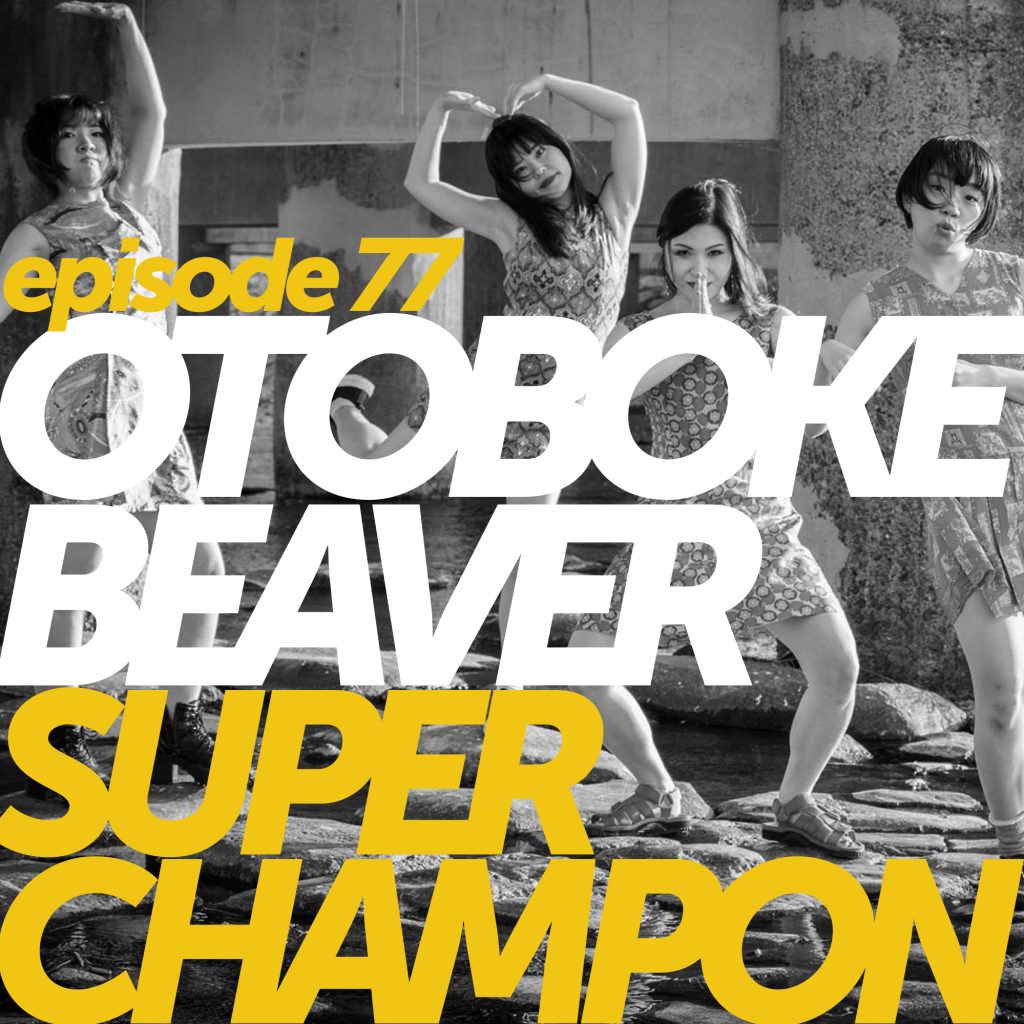
Episode 77: Otoboke Beaver’s “Super Champon”
For our money, this is what running through the halls of your high school and screaming at the top of your lungs actually feels like. And why *shouldn’t* the unreal world be a 250-BPM confetti cannon of primal-screaming sweetness? Take 21 mere minutes to blast-beat your brain and body into a fireworks show and then let’s shopping after.
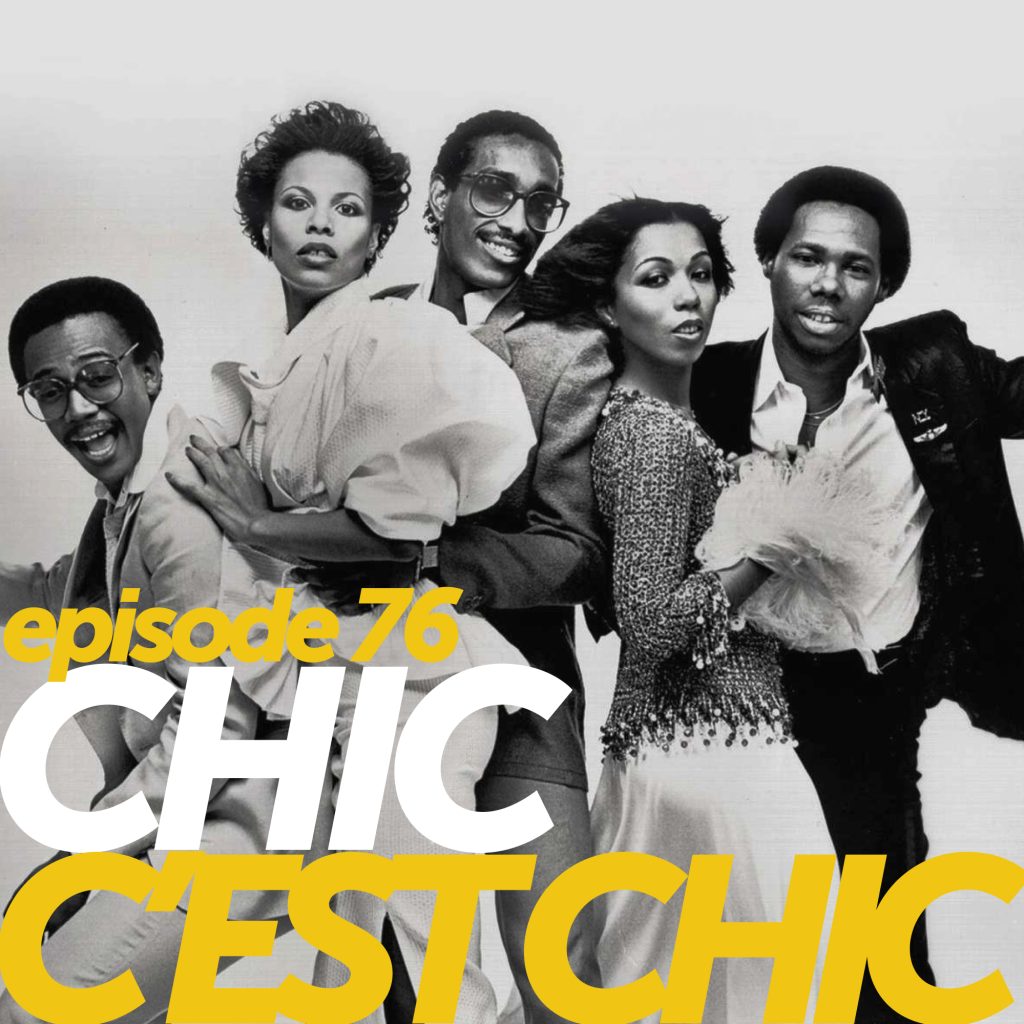
Episode 76: Chic’s “C’est Chic”
This episode’s meaning is neither deep nor hidden: the Nile is a river. To good times, that is. If the savoir faire, stellar musicianship, and seismic influence of Nile Rodgers and Bernard Edwards’ organization don't suit you, then to cite a very wise t-shirt: “disco doesn't suck; you just can't dance.”
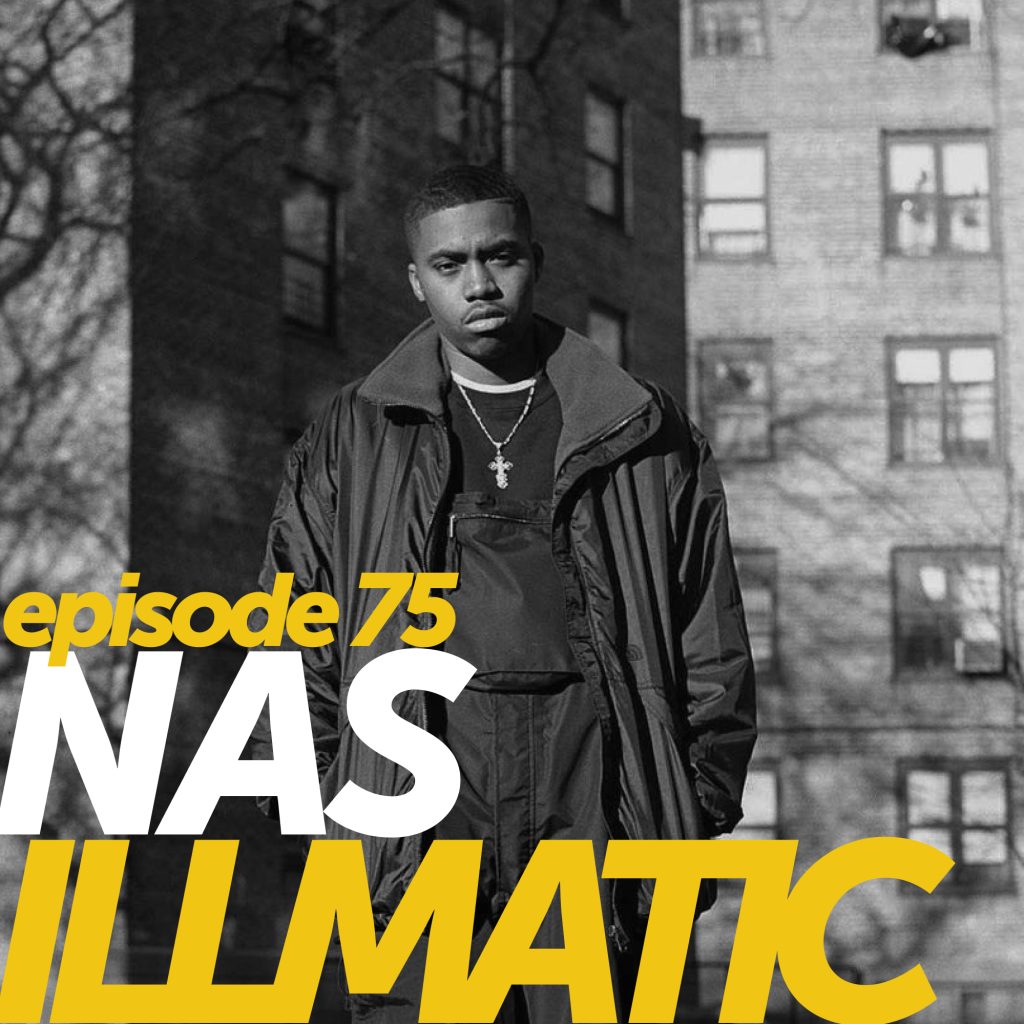
Episode 75: Nas’s “Illmatic”
Illmatic’s impact on hip-hop is a foregone conclusion — one listen and it ain’t hard to tell why. But as we unpacked the lyrical density, the layered samples, and the hyperlocal lens of Nas taking us to the Bridge, we found they represent, represent something deeper in the American mythos and our cultural consciousness. In the land of the free and home of the brave, life may be a bitch, but the world is yours.
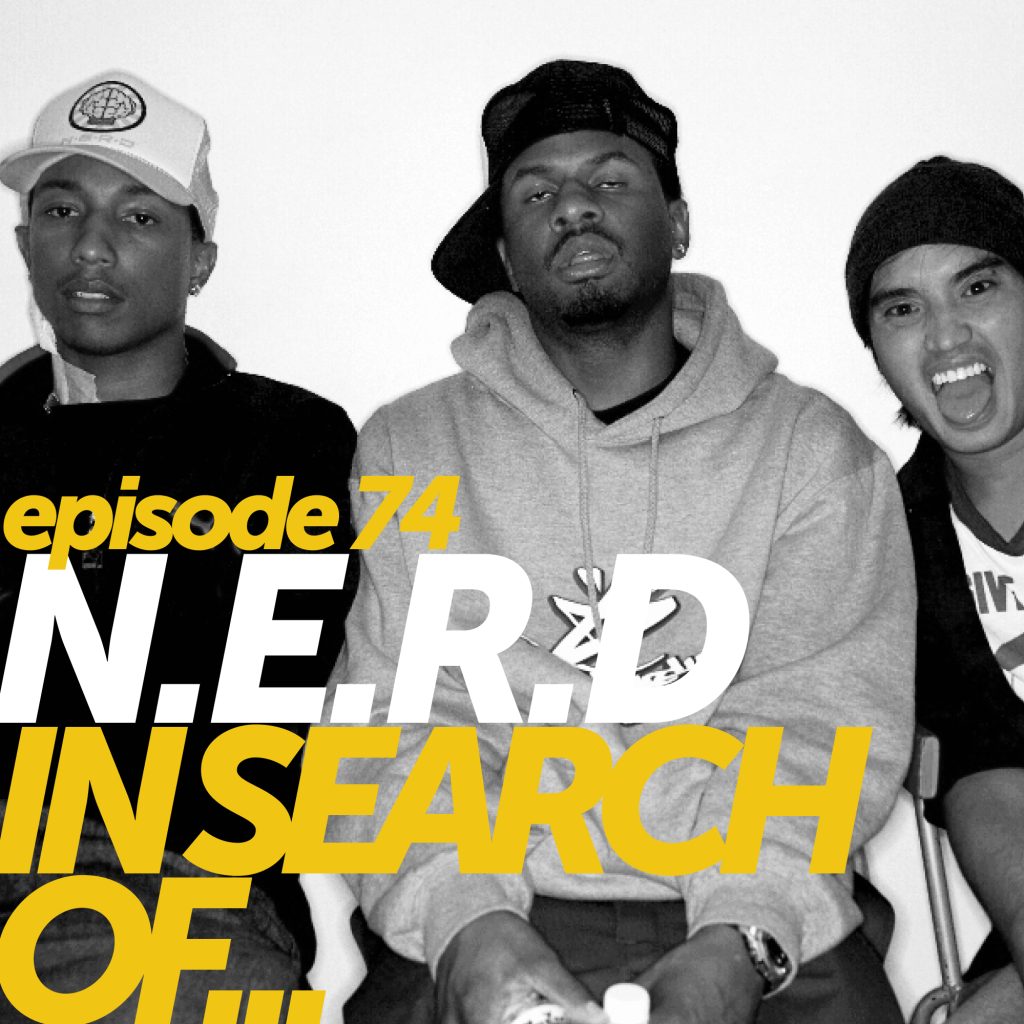
Episode 74: N.E.R.D’s “In Search Of…”
It may be true that No One Ever Really Dies, but at the turn of the millennium, a young, wild, and free new wave in culture most certainly came alive. Whether or not you were around and aware in the moment of the Neptunes’ cultural dominance—and the decidedly counter-cultural bomb N*E*R*D planted underground—it's worth the star trek to the 21st century sound and style’s Big Bang.
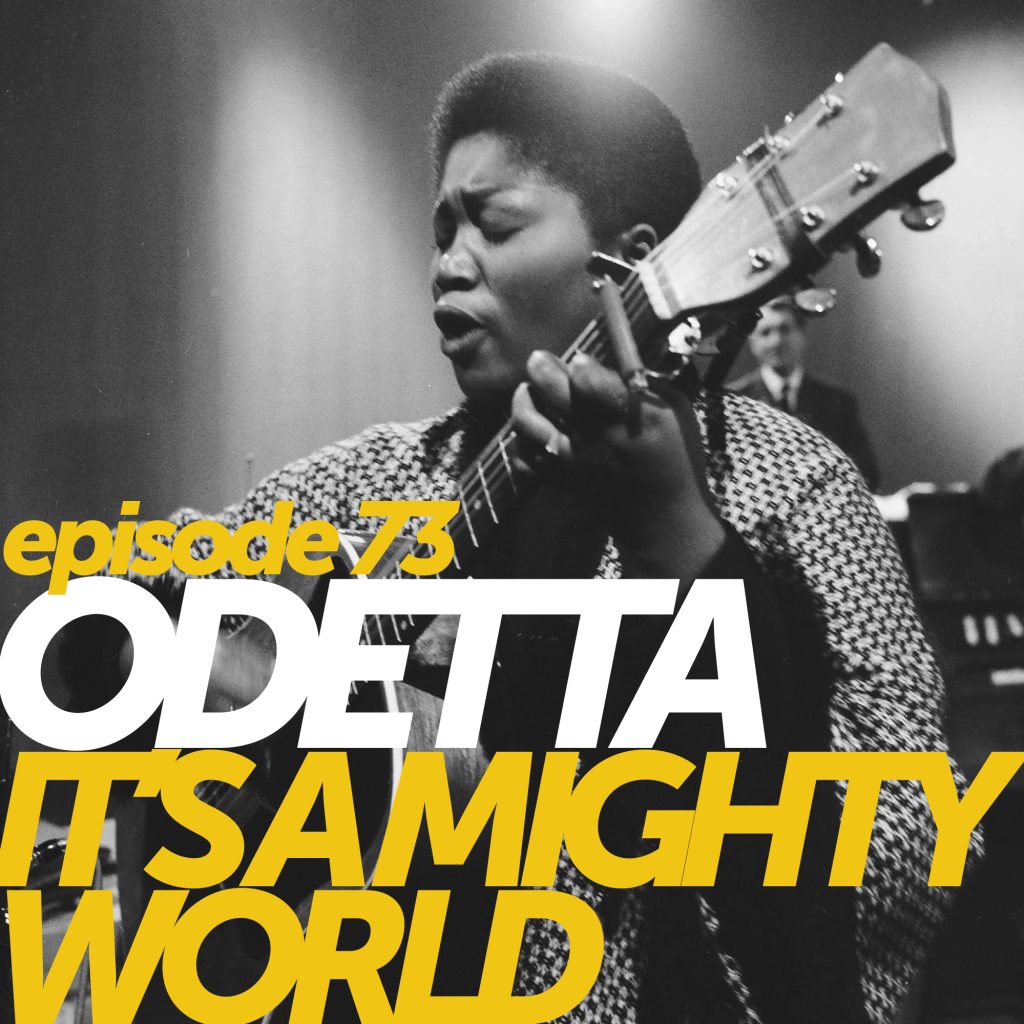
Episode 73: Odetta’s “It’s a Mighty World”
Odetta — a must-know titan of American music and culture — once noted that young people “learn about American history through battles.” But her dream of liberation was shaped much differently: “I learned about the United States through this music, through the songs that I sing.” As we live through the kind of historical moment that makes most folks want to lie down and die, we can — like many heroes before us, from MLK to Maya Angelou — look to the legacy of 1964 and Odetta for strength to insist upon our lives.
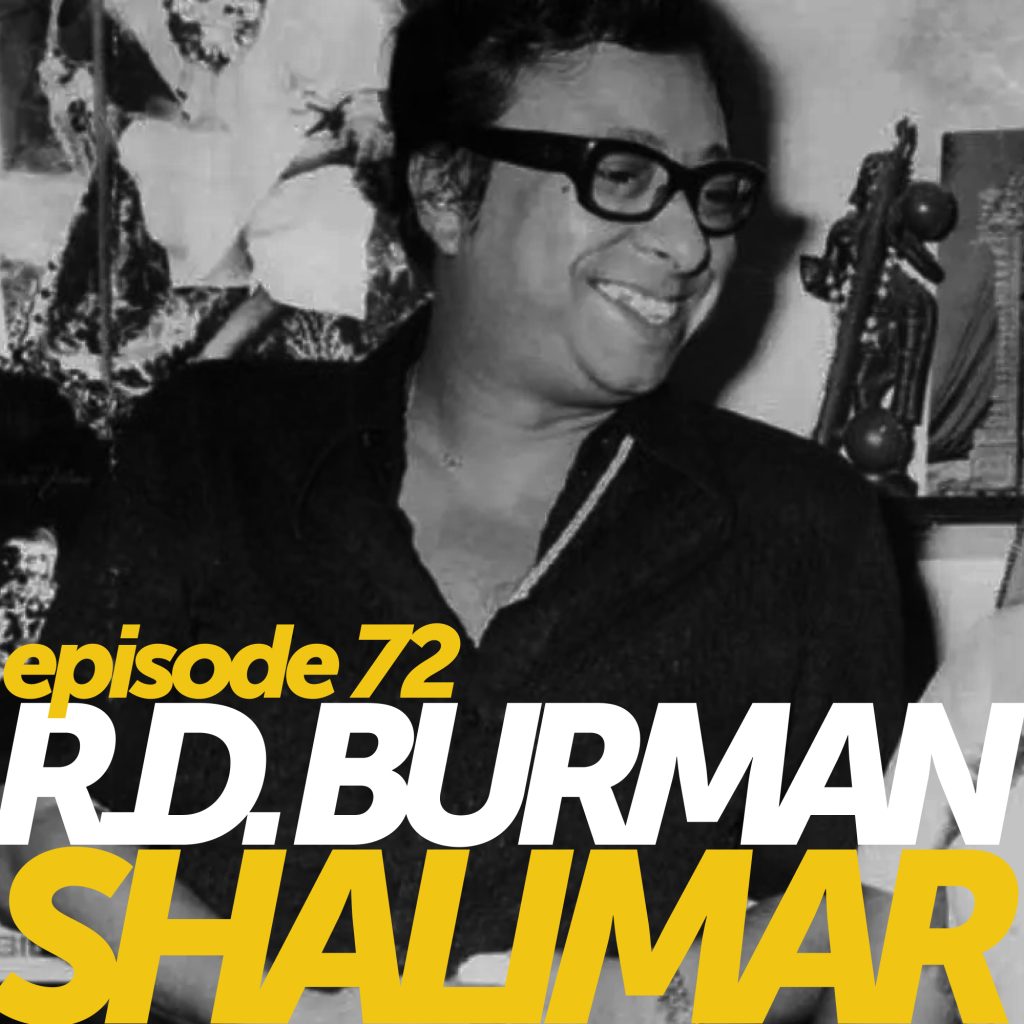
Episode 72: R.D. Burman’s “Shalimar”
Once upon a time in Bollywood, one magical man made enough music to fill a million moments—and made space for hundreds of other artists along the way. Of the 331 scores “Pancham” composed in his lifetime, 1978's “Shalimar” is a uniquely compelling introduction to his technical prowess, transcendent alchemy of cultures, and tremendously joyful love of a life full of song.
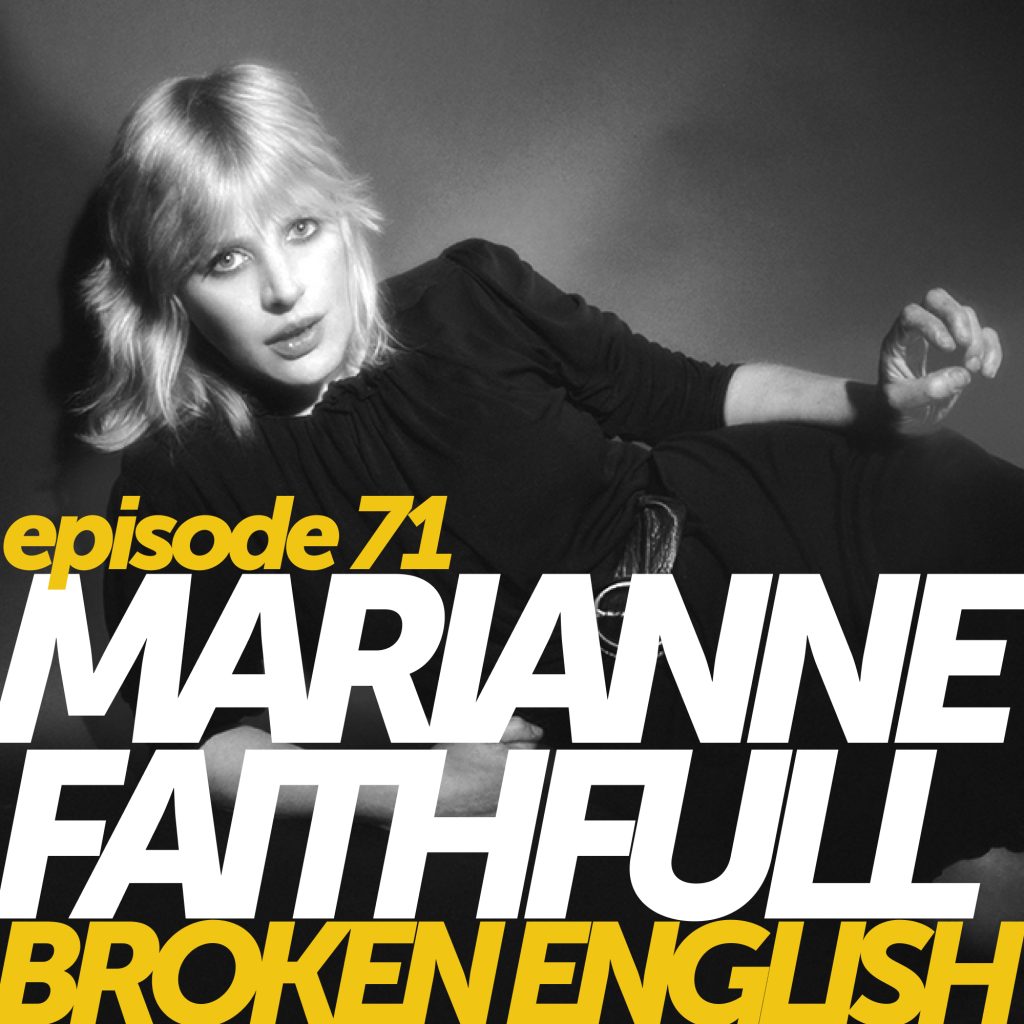
Episode 71: Marianne Faithfull’s “Broken English”
“That’s the thing about pretty faces… We don’t expect them to belong to the fighters— the junkies and monks and cockroaches who’ll survive every atomic bomb and suicide attempt and outlive us all.” - Lindsay Zoladz Broken English is searing, singular snapshot of surviving to spite the devils (who’ve gotten far too much sympathy in the story so far). You’ll love it forever with its good and bad weather. We may have lost Marianne Faithfull this year, but not before she outran the darkness. As we close out a dark year and look ahead for light, there’s a lesson to...

Episode 70: Sade’s “Love Deluxe”
Any denier that all art is political need look no further than the smoothed-out soul slipstream of Sade, a group defined by its economics. Rare output, minimal arrangements, reserved volume, and, of course, the premium implied by “Love Deluxe”—a title derived from the idea that true love is among a precious few luxuries that can’t be bought. Our world’s clearly longing for more longing, and we discovered a truly transcendent delicacy as we unboxed Sade’s brand of desire.
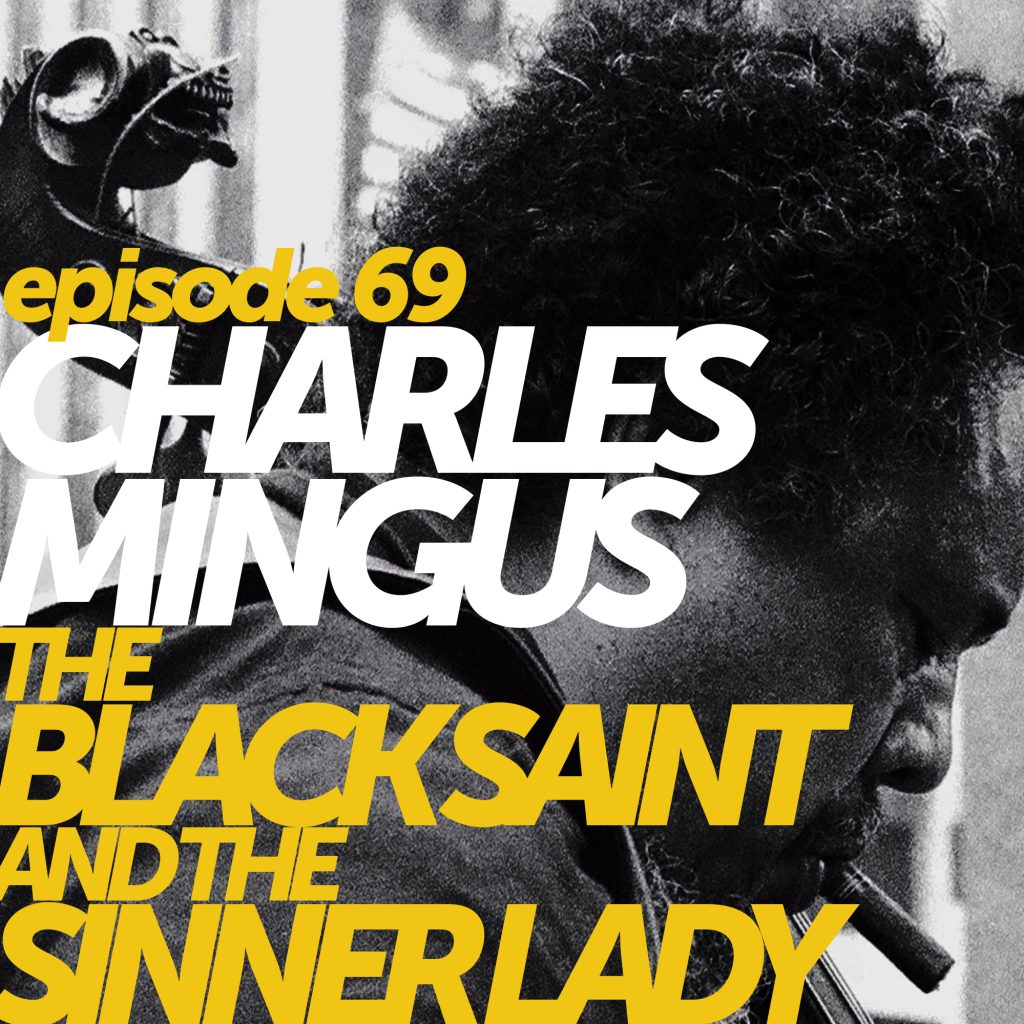
Episode 69: Charles Mingus’s “The Black Saint and the Sinner Lady”
When you think of true "artists" in music, who comes to mind? Charles Mingus embodied its romantic ideal, for better and for worse. His magnum opus "Black Saint" is more than even jazz's cosmic form can hold—it's the full-bodied essence of a master composer, peerlessly inventive bassist, and clairvoyant critic of the real America. In it, you’ll find what his collaborator Gunther Schuller called "the widest ranging musics you can find composed by one single human being."
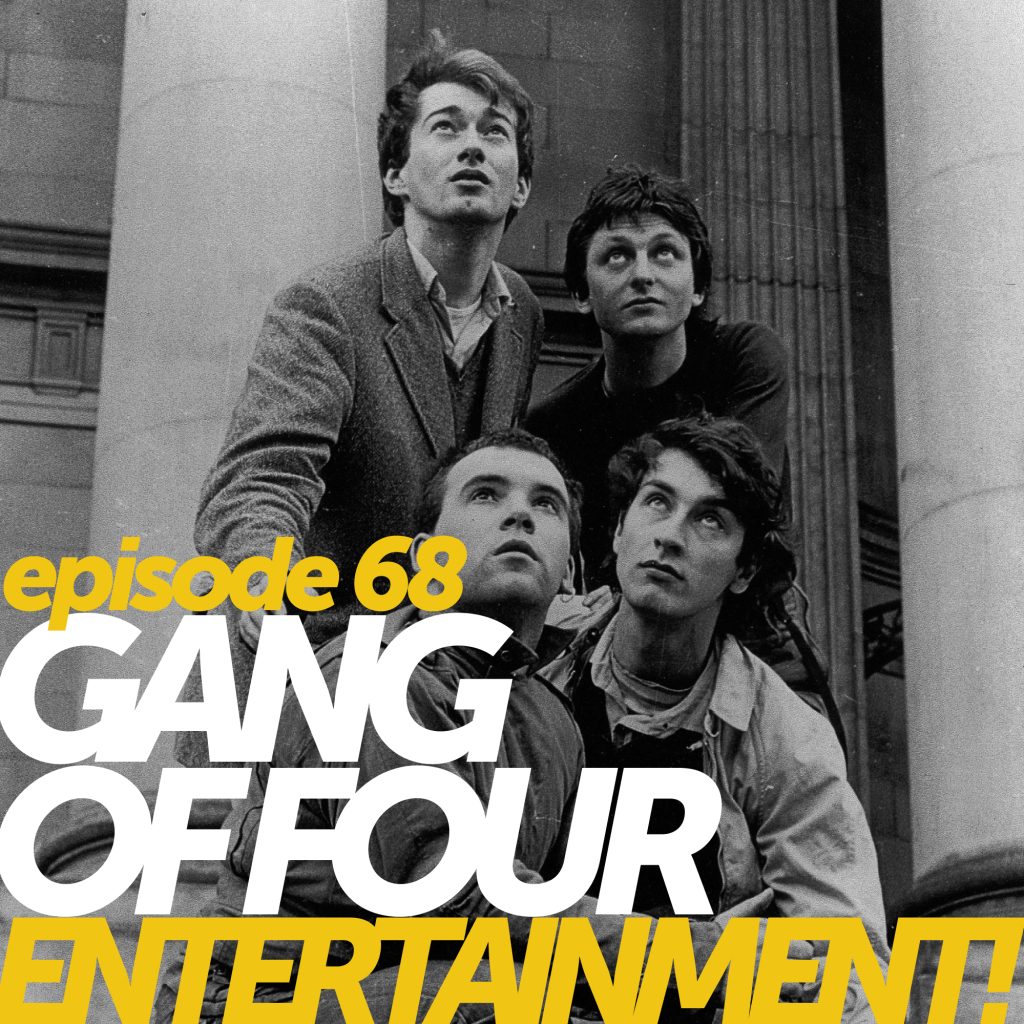
Episode 68: Gang of Four’s “Entertainment!”
“Entertainment!” is described by Gang of Four’s Jon King as “a record about young people smiling and dancing in the face of disaster.” Uh oh, sound familiar? This Leeds-born slab of Brechtian boogie reminds us that to navigate a world where everything is (small-p) political, dancing and dialectics belong together. Free your ass and your mind will follow.

Episode 67: Brooks & Dunn’s “Brand New Man”
This is the tale of two lonesome cowboys who got down, turned around, and went to town catching lightning in a bottle on their first try together. Whether or not their decade-defining country anthems lit a flame in your eye in the 90s like they did ours, Ronnie and Kix offer a lens through which outlaws, in-laws, crooks, and straights alike can look for ways to learn to love again.
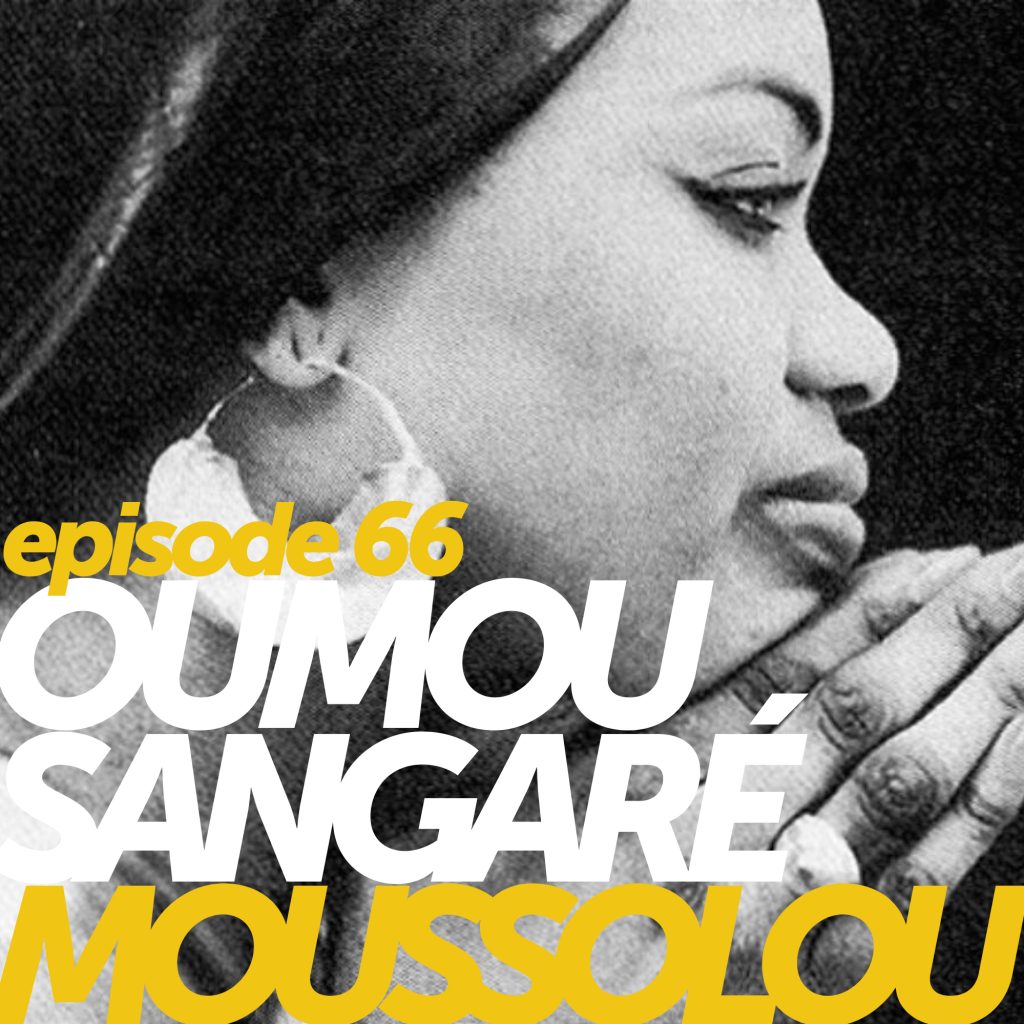
Episode 66: Oumou Sangaré’s “Moussolou”
The name "Oumou" derives from an Arabic word meaning "mother of." It is associated with dignity, wisdom, and maternal strength. Southern Mali’s Oumou Sangare has come to embody her namesake for millions around the world, and it all began when she was just 19 years old, channeling the magical music of hunters through her powerful and purposeful voice and creating a moment that captivated an entire country. Hers is a story everyone should know.
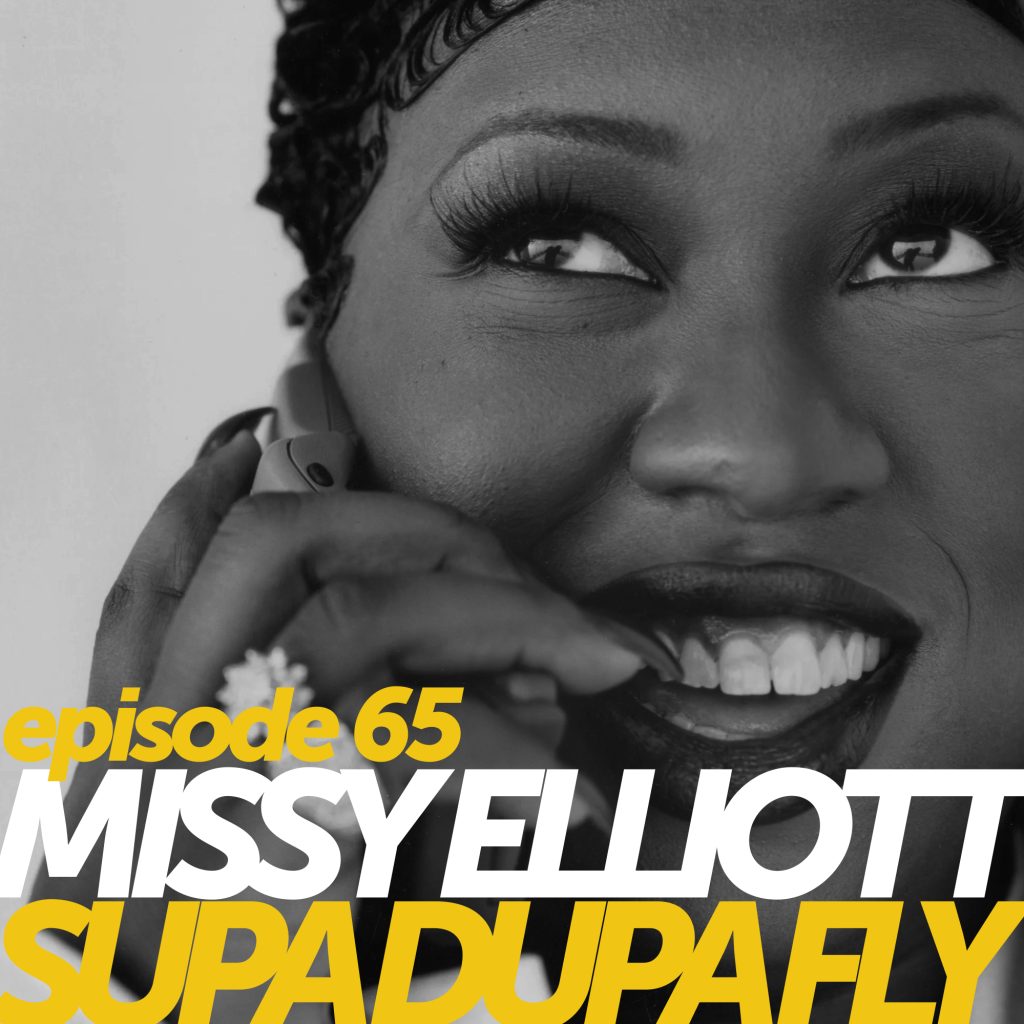
Episode 65: Missy Elliott’s “Supa Dupa Fly”
In the words of one of her groundbreaking forebears, “You feel free? You want to try some wild s**t? Thank Missy.” Since the very first frame of “The Rain” entered our eyeballs, Missy has made the avant-garde accessible, pointing us to a future full of more funk and more fun simply by standing fully in the splendor of her space-age self. Come (supa dupa) fly with us back to the moment where Missy’s magic began.
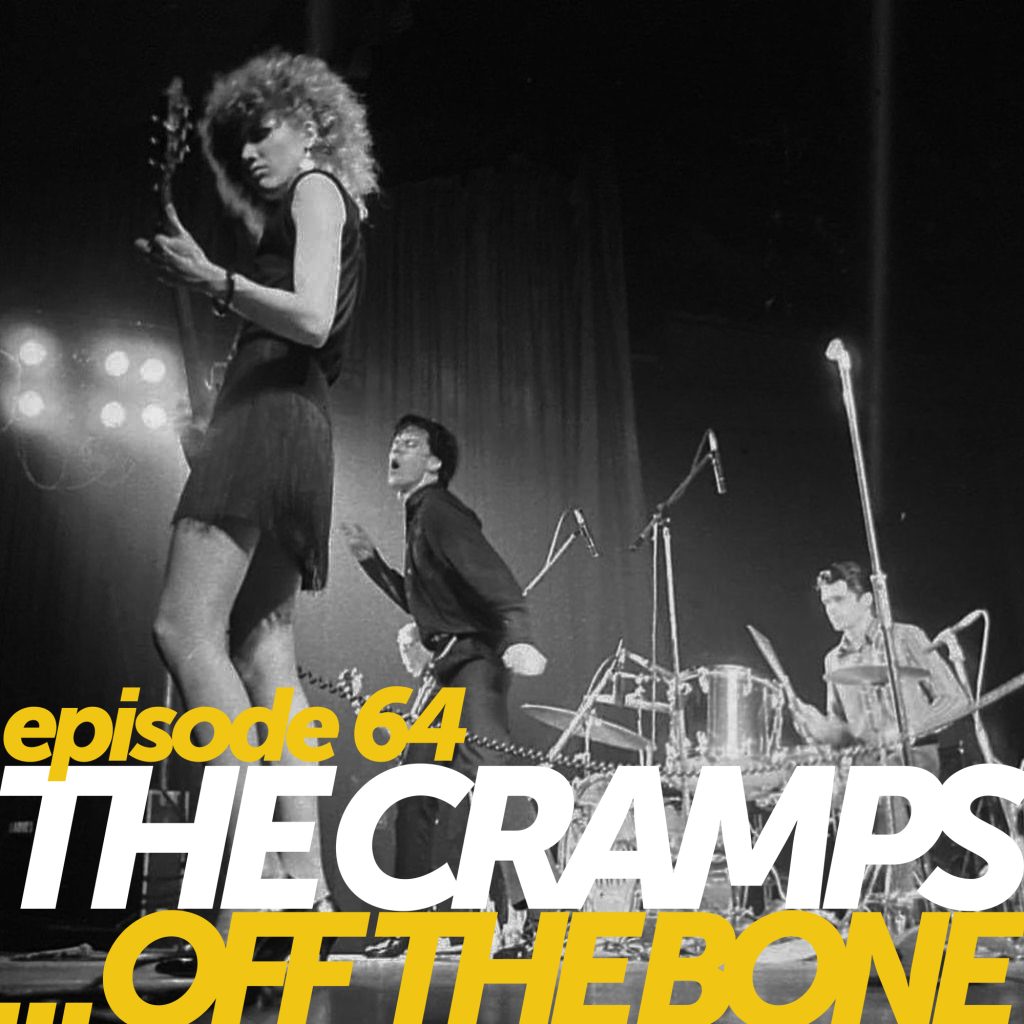
Episode 64: The Cramps’s “…Off the Bone”
God is a woman and she plays the guitar loud … y’all come catch some Holy Ghost in your hips. Hear our hallelujah for the love story of the queen of rock ‘n roll and the mad daddy holy rollin’ on a river—upstream all the way—and boot scootin’ through a fun and freaky heaven and earth of their own design. The Cramps were Dionysian, devilish, dangerous, and damn good, and they remind us that life can be, too. If you can’t dig this, you can’t dig nothin’.
Episode 63: Black Moth Super Rainbow’s “Dandelion Gum”
Life’s a bit heavy to chew on these days, so we reached into the pocket of our mid-2000s jeans and found an old piece of Dandelion Gum to chew on instead. As soon as its neon syrup hits your tongue, you’ll wonder why you hadn't let this "future pop for now people, today" melt you, melt you, melt you yet.
Episode 62: Project Pat’s “Mista Don’t Play: Everythangs Workin”
This life we're livin' is oh so beautiful. Take it from Patrick Houston, who has spread the gospel of the real for three decades, followed by a discipleship that has shaped 21st century culture in his image. For those still alive in 2025 by the grace of God, let us give flowers to the man from the North North.

Episode 61: Grace Jones’s “Nightclubbing”
Not a woman. Not a man. A revolution. Music’s long history is littered with larger-than-life characters whose mythology shapes reality for the masses — and few loom larger than the mighty Grace Jones. “Nightclubbing” without context is a tremendous body of songs worth anyone’s time, but after a deep dive into Grace’s time at Compass Point, you’ll agree that it’s a vital work.

Episode 60: Paramore’s “This Is Why”
The menace and melancholy of modern life have sentenced scores of young people to the gilded prison of nostalgia — but much to our surprise, a band of recovering Southern pop-punks have an antidote. For anyone willing to “sit still long enough to listen to yourself,” their new music’s sharp rhythmic angles and sharper lyrical reflections frame a doorway through which to free our big feelings and forge ahead.

Episode 59: Ennio Morricone’s “The Good, The Bad and The Ugly”
You know that five-note coyote howl. You may even know the classic film it helps power. But what do you know about the man behind those iconic moments? For our final exploration from our 2024 calendar, reflect with us on the genius of a maestro who could make magic with a mere fistful of notes, who poured forth from his soul a foundation upon which much of 20th century popular culture was built.

Episode 58: TLC’s “CrazySexyCool”
Vision. Bravery. Originality. The 30th anniversary of the ATL-exported opus — by the highest-selling girl group of all time — offered us a chance to reflect on all the ways our hometown heroes ran so some of the 21st century’s most iconic artists could fly.

Episode 57: Kendrick Lamar’s “good kid, m.A.A.d city”
Before the Super Bowl, the super beef, the Pulitzer, or PGLang, one good kid and king-to-be sojourned from South Central to the height of the American promise and rained down lightning that united one nation under a groove. You’ll feel the energy of this episode from two planets away — hop in the van real quick and let’s roll out.

TuneDig Episode 56: Cocteau Twins’s “Heaven or Las Vegas”
Dream of ethereal waves of sound swirling around you—and words you can’t make out saying more than you could imagine—as you float back upstream with us toward the warmth of Cocteau Twins’ decade-defining masterpiece, which still ripples across a vast pool of influences 25 years on.

TuneDig Episode 55: Jeff Buckley’s “Grace”
Once upon a time, “your favorite artist’s favorite artist” wasn’t a Midwest princess, but a “mystery white boy” beloved by Bob Dylan and Adele alike. Jeff Buckley’s signature Grace is on the shortlist of transcendent albums every living being should experience, because, as one industry vet put it: “it’s all in there, isn’t it? It’s just all in there.”

TuneDig Episode 54: Botch’s “We Are the Romans”
"We Are the Romans" is a visceral, vital document guaranteed to make you feel something from its first notes — and there’s never been a better time to stop and smell the roses from a group just now getting its long-overdue flowers.

TuneDig Episode 53: Ravi Shankar’s “Three Ragas”
Ravi Shankar lived one of the twentieth century’s most extraordinary lives, bearing witness to—and making—history all around the world. To many (especially in the West), he personified an extraordinarily complex style of music and the cultures from which it was borne, and he worked hard to make it look easy.

TuneDig Episode 52: Alain Goraguer’s “La Planète Sauvage”
Gather ’round, sommeliers of the strange and crate-digging boogie children, for something “Strange! Frightening! Fascinating!” awaits. The soundtrack to Cannes 1973’s Jury Prize-winning film is a dazzling, surreal, avant-garde hymn to cosmic knowledge and compassion and a secret handshake among real heads. If you’re after a trip to a new dimension, here’s your one small step for man.

TuneDig Episode 51: Marvin Gaye’s “I Want You”
Marvin Gaye’s well of soul power ran mighty deep, and deep into his career, he pulled up a bucket of ice-cold, silky smooth champagne called “I Want You.” Come for the lush instrumentation, vocal harmonies, and Leon Ware clinic; stay for the stories. For our return from hiatus, we observe a titan in his element, reflect on the pain that built him into one, and consider how to reconcile our feelings when complicated messengers deliver beauty to our door.
SEASON 6

TuneDig Episode 50: Funkadelic’s “Maggot Brain”
Before uniting one nation under a groove, the lysergic lords of chaos in Funkadelic harnessed wild lightning into an amulet called Maggot Brain, bestowing the bearer with raw, dark power stronger than any force known to man. Between reaching our 50th episode and coping with the “maggots in the mind” of today’s universe, it felt like the right time to free our minds. We hope y’all’s asses will follow.

TuneDig Episode 49: Alice Coltrane’s “Journey in Satchidananda”
The story of Alice Coltrane — an accomplished bebop pianist from Detroit who transcended into something far greater before walking away from public life altogether — is a glimpse into what it means to be truly free. Alice’s masterpiece "Journey in Satchidananda" is a cosmic dance that sparked creation from destruction. And in a time when we’re all desperately searching for a spark of meaning and hope, Journey abides abundantly.

TuneDig Episode 48: Heart’s “Little Queen”
Take a moment to appreciate Ann and Nancy Wilson, who kicked down the doors of rock ‘n’ roll’s boys’ club with their peerless guitar work, soaring soul vocals, and tight songcraft. 1977’s Little Queen — an oft-overlooked gem in the classic rock canon — offers a snapshot of those elements at their most urgent and pure, powered by the Wilsons’ simple motivation (as described by their producer): “It was a war.”

TuneDig Episode 47: Tangerine Dream’s “Phaedra”
When you think of “electronic music,” what comes to mind may not be a genre you deeply love — hip-hop, house, new wave, or even dub reggae — but all of it owes some debt, scientifically or otherwise, to Tangerine Dream. Dig in with us as we study a prime example of the band’s brand of effortful innovation, where they patiently and persistently labored at the cutting edge of electronic technology to open a portal to new worlds in our minds.

TuneDig Episode 46: Olivia Rodrigo’s “SOUR”
Did you catch one of 2021’s biggest albums, or like us, did you almost overlook it? If you have any expectations of pop music, "SOUR" will likely subvert them. Teenage dream this is not; it’s an exquisitely universal portrait of a weird time to be alive.

TuneDig Episode 45: Fela Kuti’s “Expensive Shit”
The story of Fela Kuti — one of the most famous people on an *entire continent* passionately struggling to liberate power to more people — is absolutely one worth deeply knowing, regardless of whether you find yourself drawn to Afrobeat or (cringe) “world music.” But once you know it, it’s almost impossible not to fall in love with Fela and Afrika 70 as their revolutionary grooves rewire your brain in magical and meaningful ways.

TuneDig Episode 44: Meshuggah’s “ObZen”
Meshuggah’s ObZen—an artifact of human creativity pushing the limits of what’s possible—will quite literally make you hear music differently. If you’re looking for a new musical adventure, and especially if you don’t think you like “heavy” or “weird” music, consider this your sign to push past your comfort zone.

TuneDig Episode 43: mewithoutYou’s “Catch For Us the Foxes”
A misunderstood wise man once said “Let him who seeks continue seeking until he finds.” In our most personal and vulnerable episode yet, we do some seeking through the lens of songs that fill us with the bravery and sincerity to love ourselves and others fully. Dig deep with us as we fish for words about our tiny place in the universe and dance with gratitude for our ability to do so.

TuneDig Episode 42: Erykah Badu’s “Mama’s Gun”
Y’all tryna raise your vibrations? Erykah Badu is here to help. Season 6 kicks off with a meditation on realness and what being on “your own wavelength” really means. (Spoiler: it ain’t a single frequency — it’s a whole spectrum.)
FRIDAY HEAVY
For lifelong headbangers and the musically curious alike, a new podcast from TuneDig is here to push your palette with aggressive, abrasive art. Each short, fast-paced episode offers (1) a new metal, punk, noise, or experimental release we recommend, (2) a related playlist we’ve curated, and (3) a heavy issue to consider and an organization doing something about it. Join us in the void.

Friday Heavy: End of Year Review 2022
It was a great year in heavy music. In this episode, we look back at all the new releases we featured and the curated playlists they spawned.
It was a NOT great year in many other ways. We leave you with a parting message of encouragement to connect your energy and angst to on-the-ground organizations doing the work in your community.


Friday Heavy: November 11, 2022
This week, we discuss:
- He Is Legend – Endless Hallway
- Curated playlist sussing out the depths of He Is Legend’s roots, weirdness, and attitude
- Protect Our Winters (POW)

Friday Heavy: October 28, 2022
This week, we discuss:
- Witch Fever – “Congregation”
- Curated playlist of eclectic, high energy that might get your inner goth stoked on (briefly) going out
- Housing Justice League

Friday Heavy: October 14, 2022
This week, we discuss:
- The Lord † Petra Haden – “Devotional”
- Friday Heavy playlist densely packed with thick, meditative vibrations across the spectrum of drone
- Multidisciplinary Association for Psychedelic Studies (MAPS)

Friday Heavy: September 30, 2022
This week, we discuss:
- Escuela Grind – “Memory Theater”
- Friday Heavy playlist dedicated to the absolutely fucking hostile energy that powerviolence can bring to radical inclusion
- Zealous

Friday Heavy: September 16, 2022
This week, we discuss:
- Holy Fawn – Dimensional Bleed
- Friday Heavy playlist showcasing the incalculably extensive and wildly diverse Shoegaze Cinematic Universe (aka post-rock)
- MTB Atlanta

Friday Heavy: September 2, 2022
This week, we discuss:
- The Callous Daoboys – “Celebrity Therapist”
- Friday Heavy playlist confronting the under-appreciation of Atlanta’s heavy and weird music scene
- Mississippi Rapid Response Coalition – Water Fund

Friday Heavy: August 19, 2022
This week, we discuss:
- Osees – “A Foul Form”
- Friday Heavy playlist fuzzed out on oddball punk that smells like cigarettes just thinking about it
- Women on the Rise GA

Friday Heavy: August 5, 2022
This week, we discuss:
- Chat Pile – “God’s Country”
- Friday Heavy playlist with, uh, a bunch of very pissed off songs directed at christofascist terrorism
- The Grocery Spot

Friday Heavy: July 22, 2022
This week, we discuss:
- WAKE – “Thought Form Descent”
- Friday Heavy playlist that anchors its sound in modern production of sludge, blackened death, and post-metal
- The Planetary Society

Friday Heavy: July 8, 2022
This week, we discuss:
1. Vomit Forth – “Seething Malevolence”
2. Friday Heavy playlist that’s unsettling in the best way, leaving you feeling a little off your axis
3. Trees Atlanta

Friday Heavy: June 24, 2022
This week, we discuss:
1. CANDY – “Heaven is Here”
2. Friday Heavy playlist packed with off-the-beaten-path punk and hardcore from bands that deserve space on your battle jacket
3. Round Rock Black Parents Association

Friday Heavy: June 10, 2022
This week, we discuss:
1. Sasquatch – “Fever Fantasy”
2. Friday Heavy playlist of heavy grooves for late desert nights and hazy generator parties
3. Feed Buffalo

Friday Heavy: May 27, 2022
This week, we discuss:
1. Decapitated – “Cancer Culture”
2. Friday Heavy playlist stacked with bands putting their unique and modern spin on (occasionally tech) death metal
3. PropelATL

Friday Heavy: May 13, 2022
This week, we discuss:
1. Primitive Man – “Insurmountable”
2. Friday Heavy playlist full of SLOW, enveloping, massive and crunchy tone and big feedback
3. National Network of Abortion Funds

Friday Heavy: April 29, 2022
This week, we discuss:
1. Heriot – “Profound Morality”
2. Friday Heavy playlist packed with mid-tempo, huge guitar tone, big atmosphere and lots of industrial grit and grind
3. Invisible People

Friday Heavy: April 15, 2022
This week, we discuss:
1. Greyhaven – “The Bright And Beautiful World”
2. Friday Heavy playlist for fans of more choatic + melodic combinations
3. Campaign for Working Families

Friday Heavy: April 1, 2022
This week, we discuss:
1. Meshuggah – “Immutable”
2. Friday Heavy playlist full of high quality Meshuggah aping that AIN’T “djent”
3. The Bail Project

Friday Heavy: March 18, 2022
This week, we discuss:
1. Soul Glo – “Diaspora Problems”
2. Friday Heavy playlist with 20+ songs in under 40 minutes, (almost) all under 2 minutes each
3. Equality Texas

Friday Heavy: March 4, 2022
This week, we discuss:
1. Vein.fm – “This World Is Going To Ruin You”
2. Friday Heavy playlist exploring more of Will Putney’s work
3. Books to Prisoners
SEASON 5

TuneDig Episode 41: Miles Davis’s “Bitches Brew”
Let’s be clear: "Bitches Brew" is a challenging record, even to some of the best musicians in the world — but all of them say it’s worth the investment. It’s the kind of trip that, even if we *could* draw a map, it wouldn’t take you there. Let go of the need for meaning and enjoy the ride with us. We can promise you’ll be pleasantly surprised where you end up.

TuneDig Episode 40: Fiona Apple’s “Tidal”
On the heels of one of 2020's most acclaimed albums — Fiona Apple’s Fetch the Bolt Cutters — we revisited Apple’s debut Tidal and wound up working to extract ourselves from the mostly male gazes that made its reception … much different. We arrive at a question much like writer Jenn Pelly had: “People would constantly prod Fiona on how an 18-year-old could write songs as mature as these ... Why did they not ask instead how she became a genius?”

TuneDig Episode 39: Death Grips’s “The Money Store”
The modern world is accelerating beyond our control, shaping our reality in ways we can’t yet perceive or understand. Enter Death Grips, an art project capturing the chaotic energy and illustrating the absurdity of our hubris in trying to harmonize the surreal and extremely real — never more perfectly than on 2012’s prescient "The Money Store".

TuneDig Episode 38: Augustus Pablo’s “King Tubbys Meets Rockers Uptown”
Reggae music is easy to take for granted, but its impact is underappreciated and massive — in the case of dub in particular, everyone from Radiohead to Johnny Rotten to Run-DMC owes it a debt. Augustus Pablo and King Tubby together created what’s regarded as “one of the finest examples of dub ever recorded.” Join us as we dive into the culture, history, and unique engineering experiments that made it possible.

TuneDig Episode 37: Rihanna’s “ANTI”
By every measure — sales, awards, chart-toppers, global name recognition — Rihanna is objectively as big as the Beatles ever were. In fact, ANTI is so big it’s still on the charts, a record five full years later. Take a closer look with us at “the record you make when you don’t need to sell records”, and get a taste of the true freedom that comes from focusing on your inner voice when faced with insurmountable expectations.

TuneDig Episode 36: Son House’s “Father of Folk Blues”
All American music traces back to the blues, and deep at the root sits Son House. That the recordings on "Father of Folk Blues" even exist is something of a gray area that cuts to the heart of the great American myth, but wherever you land after hearing these stories, you’ll find that what matters most is what the great Muddy Waters once said of House: “That man was the king.”

TuneDig Episode 35: Melvins’s “Stoner Witch”
The futility of describing the Melvins has stretched critics in the direction of absurd words like “Dadaist” for nearly 40 years now. They’ve belligerently flogged any attempt to pinpoint their essence simply by being themselves, but "Stoner Witch" remains a reliable mall directory for the Melvins’ vast and wild discography. Grab yourself some pretzel bites.

TuneDig Episode 34: Dolly Parton’s “Jolene”
We should talk about Dolly the way we talk about Prince. Her extraordinary kindness and unique kitsch both make her universally loved, but what gets left out of the conversation is the very thing that made her famous: the music. Join in as we focus attention on the sonics and songwriting of the low-key masterpiece "Jolene".

TuneDig Episode 33: The Allman Brothers Band’s “The Allman Brothers Band”
Six enlightened rogues out of Macon, Georgia birthed an entire genre simply by being their soul-powered selves. We have not come to testify, but we’re still hung up on the dream The Allman Brothers Band helped us see. By the end of this episode, you will be, too.
TUNEDIG RADIO


SEASON 4


SEASON 3


SEASON 2




SEASON 1


BONUS TRACK EPISODES

BONUS TRACK: How We Got Here
We got a bunch of interesting listener feedback in our off-season, and it encouraged us to shed some light on why we do things the way we do ‘em. Also, we reflect on our first writeup, which was ... interesting.
WHO WE ARE
We're Cliff (right) and Kyle (left). We’re two dudes born and raised in ATL with day jobs in tech and sustainability, respectively.
We met in middle school, and in one way or another, music’s been the thing that’s kept us close for the two decades since — whether it’s sharing and talking about new music (like this podcast, except in our texts or over beers), going to shows, or working with our favorite record stores to help them survive and thrive.
We started TuneDig as a little art project that connects us more deeply ourselves and to the world through the infinite gift of music. We hope you’ll join us for the conversations, let us know what you think, and share discoveries of your own.
More About TuneDig
TuneDig began as a little something called MusicGrid.me, which we created after realizing there was no place online to directly exchange music recommendations with your friends. Our aim was simple: to make rating albums simple, useful, and social. We got some love from places like Mashable, Wired, Evolver.fm, and Hypebot. We managed to foster conversation between music lovers, get thousands of reviews, and meet great people.
Along the way, we realized that record stores were an essential part of the music lovers’ community. After many a conversation about how we could helpfully connect them to the people who loved them, we began helping them leverage technology to create new revenue streams and embrace streaming services without giving up what’s unique to them: expertise and curation. (Long live the counter clerk who knows exactly which record will be the right introduction to jazz fusion!)
TuneDig is our vision to connect music lovers with the music they love, because no matter how much has changed in the way we discover and enjoy music, recommendations from people you trust and respect will always be the best way to find new music you’ll dig. With this podcast, we’re channeling the spirit of trusted curation pioneered by record stores, and bringing you something to take you deeper into music you can love.