
TuneDig is an in-depth and informed conversation between two lifelong friends about the power of music — one album at a time.
In each episode, we go down the rabbit hole to spend a while in the strange world we discover. We take an honest look at creativity in all its complexity—from writing and production to history and cultural impact.
We promise you’ll learn something new every time, no matter how much you already love the album we explore.
Episode 76
C'est Chic
Chic
This episode’s meaning is neither deep nor hidden: the Nile is a river. To good times, that is. If the savoir faire, stellar musicianship, and seismic influence of Nile Rodgers and Bernard Edwards’ organization don’t suit you, then to cite a very wise t-shirt: “disco doesn’t suck; you just can’t dance.”
Transcript
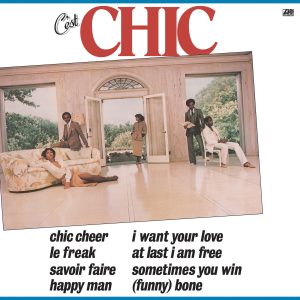
Kyle: Today we’re talking about Chic’s C’est Chic.
Cliff: Today we’re talking exclusively about the song Voir Fair Off the album, say Chic by Chic.
Kyle: is that not one of the coolest songs you’ve ever heard? I’d be hard pressed to think of a swaggy or song. I think a number of times. We’ve talked about the green onions, swag, step hall of fame. I’m gonna have to add Swar affair to it. And much like the album say Chic, you just jump right into the groove, start feeling good, and it just keeps on going.
Cliff: One constant thesis throughout this episode will be if you can listen to the song Voir Fair and not feel or think a thing. We are not the same. The there that is maybe the most accessible. Don’t you want to like music a lot. Song I have ever experienced in my life, ever since we made the calendar a couple of years ago and this album was on it, and then this song was on it.
I looked forward to it all the time. I pull it out to people now and they’re just like, dude, have I just wanna make sure, have you heard this song before? And you get to go, all the way back through, wait a minute, who’s this? When about what? What’s that now? Okay. And it’s the, and it’s that guitarist and into disco band.
And it’s from when. Okay. And it’s this
Kyle: and oh by the way, even if this weren’t on that album, there’s fully half a dozen songs where you could do that exact same thing with, in fact, 13, 12, 13 years ago, that exact scenario happened to me with Funny Bone, the closing track on this record. Our buddy Mon was like, listen to this, Michael J.
Fox and Back to the Future Style. And I was like, bro, what the fuck is this? And he was like, chic. And I was like, good time chic. And he was like the very same. And thus began the journey that I’m still on all these years later of, oh wow. I should appreciate all of this. Particularly now Rogers and Bernard Edwards, but definitely all of this a lot more than I do. Chic organization limited. The one corporation we trust,
Cliff: Normally with a band so interested in being cool on purpose, I would use that as the entry into why I like the band. yeah, I love that they are pseudonymous people on purpose because they noticed that KISS could do different things as a band because they didn’t, uh, identify themselves as individual people.
And then therefore, not only are we not going to put ourselves on the album cover, but we’re gonna use this really specific aesthetic on behalf of the band and like, brand the whole thing. Normally that would be the door that I would go see. That’s annoying in a cool way, and I like it. But instead, the enduring thing I can’t get over about listening to this record over and over again is I have yet to become tired of listening to this record over and over again, and on paper that is
Kyle: you just, you can’t stop. You can’t stop listening to it. it’s like a full day’s thing, and I can attest because it’s happened to me for multiple full days where I’m like, wow, I think I’ve been listening to this for like 12 hours straight.
Cliff: I am a happy man.
Kyle: I am a happy man, by the way. Eight songs, 41 minutes, so 12 hours is almost 15 lessons.
Cliff: basically a Prague record,
Kyle: Basically
a, basically a pro record. I, you know, I thought about so many touch points with this record. I, I think in addition to all the things that work just on their face musically and aesthetically with, you know, the Black Roxy Music as Nile has described them, there are few records that are direct Pneumatic tube connections to so much music. in some ways, if Chic isn’t the quintessential American project, you know, where if you’re like golden record in space, what’s the thing that you tell the aliens or a time traveler about, like, where’s the first place you could start that could get you to all the other places? I could make a case for Chic and, you know, maybe, if not Chic, then certainly Nile.
And I’d be careful, and I know we talked about this in the lead up, I don’t wanna do the myth of the individual genius thing. I tend to only reserve that for princes and even that has, its behind the curtain moments. And as much as there is to talk about just with Nile, and I’d love to unpack that a little bit.
It really is about the Chic organization and like all the people and things and ideas happening here. John Fadi is on trumpet. fucking Luther Vandross is one of the vocalists on this thing. How many years did I listen to Sheik before I knew? It’s an embarrassingly late breaking piece of knowledge for me in relation to this group.
So it’s, it’s really, it’s a fountain of musical joy, but also musical knowledge and that’s what all the best stuff should be.
Cliff: 100%. And to give an initial tour of how ridiculously on point that manages to be about this otherwise semi obscure disco band to us in the modern day is like off the top. There are connections through to Sesame Street, the Apollo Theater starting hip hop. the disco sucks. it cannot be overstated how obviously directional all this stuff ended up being, which is especially weird specifically because this is inside of a genre that conceptually stopped existing pretty quickly after this record.
And yet we can see all the lines directly into not only what disco became, but what hip hop became to, what funk was and what it became. But then also every. Almost every individual musician here is another spiderweb in a lot of directions. Nile will be the easiest one for me because I have been aware somewhat of his influence of guitar technique for a really long time.
this is a type of dude guitar magazines loved talking to and talking about, especially back in the day. So there was a lot of stuff, not only about like chucking, which is we’ll talk about, but the name that they gave, a specific technique that he had, but like just down to thinking about chord inversions in string muting and very specific guitar technique that when you think about it and listen really specifically even at the guitar level is now actually transcending those genres immediately.
Like, wait a minute, I can pick this up and put it on a funkadelic song if I wanted to, or a jazz record or a pop song. I can pick up this bass and then put it in hip hop or a pop song over here in like the. The personalities, especially of both. Now Rogers and bassist, Bernard Edwards, like they bring such, it’s not just musicianship, it’s a near embodiment of personality to their individual instruments.
They play off each other in incredible ways. And through doing that, again, like make what feels now like completely timeless music, to me, the closest I can get to making this feel old or stale is a reach. But like, if I try to think of it that way, I can fault the production for sounding like it’s from the late seventies at times, I guess.
But like I, I would love to see this exact band live
Kyle: A hundred percent.
Cliff: Right now. I would pay a lot of money for it. And frankly, again, I would invite everyone I know because arguably this is like somehow the most accessible album we’ve talked about so far. to me, this started hitting on even the type of thing we talked about in the Olivia Rodrigo episode of like, just let yourself think.
This is cool. Just like, calm down, listen to how good this is. It doesn’t have to be a part of your identity. you haven’t listened to this, you’ve just missed some important cool bit of like culture in musicianship and like I just focusing on this record honestly, sort of like illmatic as well.
Like these records will now be played a lot more when other people are around me than ever
Kyle: Yeah. This is one of those ones that you hope everybody else is already really into, and we’re way behind the eight ball as longtime casual appreciators. but I suspect if both of us were sort of in the secondary, tertiary orbit of everything happening here, that there’s gonna be other people that are like, oh, yeah.
Hell yeah. Right on. I’m, I’m more on board now. this is not for the listeners of Questlove Supreme who already know every demo every. Everything Nile Rogers has ever played on and have a massive playlist of all his stuff going all the time. I don’t know. I’m finding a lot this season, this year with these episodes that we’re doing, these albums we’re covering
and almost inverse gate key thing, where it was like early on, there’s stuff that I want people to know about or not know about. My relationship to it is like outside in, in that way. And now, I don’t wanna say like getting over the shame of getting to know stuff at my own pace, but I’m just very much in a place in my life with art where it’s like, there’s some stuff that I know way more about than other people.
Like the Southern Christian metal scene in Georgia in the early two thousands, or like an average three 11 set list from 97 to oh three or something, you know, or like esoteric metaphysics books from the seventies to the two thousands. But there’s so much stuff that like we just don’t know that much about.
And that’s the great pleasure, I guess, of this podcast too, is like, we’re still adding on to the body of knowledge. I mean, how long ago did we talk about John Coltrane? And I’m still, there’s still a new thing on a regular basis where I’m like getting rocked by a John Coltrane thing, certainly by an Alice Coltrane thing.
And like new conversations and new things bubble up. And so like you’re always gonna be playing from behind. And I guess like that’s the exciting thing about life is you just are always catching up on stuff. There’s always more stuff than you have time and energy and attention to devote to it. And then you just run outta time and you die.
But at least you had fun the whole time. So I’m trying to let go of my guilt that we didn’t know more sooner. we’re just lucky to be here.
Cliff: Look man, if there’s people who know more and you’d be a cool person to talk to, you can come on this podcast and we’ll ask you questions. Okay? Like I, it’s just free knowledge for everybody at this point. I am so freaked out by dead internet. All I want now is for people to be
Kyle: Alive. Alive internet and,
Cliff: Just al alive and have a nugget of optimism about music.
Kyle: I was thinking about this exact thing the other day.
There’s that internet personality, uh, sly Ida, she is like making a cup of coffee in her kitchen and flashes up an album, artwork and then flashes up like factoids about the music. And it’s always incredibly obscure stuff for the most part. And then she’ll post stuff on her story about like, the things people say to her.
And she’s got this community that mostly seems very cool and supportive and grew to like a hundred thousand followers overnight. But occasionally she’ll get those weird gatekeeper people that are like, you should know more about this. Or like, actually, this thing is better or whatever. And she’s like, Hey, shut the fuck up. Don’t try to tell me things. I know things. And I, and my first instinct was like, no, I want you to tell me things like I, you just, I’ll go somewhere just to listen to you. I don’t know the things, you tell me more things. Why don’t more people have that posture the music and creative world? Just a spirit of like openness and humility.
I mean, I know why, but that’s its own two hour healing journey. Tune take with crystals.
Cliff: You’ve opened a door for me. You may not have wanted to open, but now we’re going to go through it. This is fun. I have been thinking a lot actually to this end, about kind of two trains of thought at once recently. One is I went back and read again how to Listen to Jazz.
Kyle: Oh yeah.
Cliff: Have you read that? Okay. So just kind of straight up to everybody, especially if you’re interested in listening to music in
Kyle: Ted Chia and um, sorry Ted. That’s the one, right?
Cliff: That’s the one. because I avoided saying his last name for now. Obvious
Kyle: I’ll always step on that. Rake. On behalf of this podcast,
Cliff: Thank
Kyle: mean it with love. Please reach out and correct me.
Cliff: Yes. Send, please send us an audio clip of you pronouncing it. We’ll splice it in. It’ll be
Kyle: I love, listen, people talk shit about getting a voice note. I love a voice note. I love, I love all the context of your voice and you walking on the street and all that stuff. So please, please gently call me out in a voice note.
Cliff: I would love to receive more voice notes. They’re extra great because you get to talk and then I get to read the transcript of what you said instead, and it just, it’s exactly what everyone wants. It’s. I’ll fill in my second train of thought in a second, but like, why the how to listen to jazz thing stuck out to me, for whatever reach this podcast has and whatever human beings we’re connecting to, that is a good book on the avenue of like, I want to think a bit about how I think about music on purpose.
And one of the reasons that that book is helpful is because, first of all, I think it’s brilliant in general that it just tries to use jazz as the subject matter. So here’s the most like aggressively inaccessible thing that you’re the most worried about listening to smartly. And then let’s walk you through it.
And then what happens is you’re going to get both ends of something. You’re going to find out, oh, there are people who have been thinking about this for decades and I haven’t, and that feels weirdish or, or maybe bad. And then before too long, that author and then every other person who’s been thinking that long is gonna come along and say, but that’s not always a good thing.
And. There is a way for you to, through understanding all these details about music, actually try to revert more like to your childlike state and learn to listen to the musicality of somebody, not as its complexity or excellence on its own, but how to notice when excellence is happening because someone has reached flow state because they’ve transcended thinking about music into actually expressing themselves inside of it.
And like it teaches you and helps you and encourages you in this way to like you’re evaluation and critique or thought or whatever is editorialization about what you’re listening to. You can try to make it heady if you want, but if you go too far in that direction, it’s gonna just snap you back to Yeah.
But what’s the difference between John Coltrane playing a Love Supreme and John Coltrane playing ascension, which sounds like nonsense for the most part, and like, why is that the same person? How are these valid? Is one good or bad? And all this so at once, I’ve been thinking a lot about that. The reason I’ve been thinking about it in the second train of thought is interesting phenomenon has occurred for me lately.
I’m betting it’s occurred for you too, Kyle. I am so specific about what I listen to. All the time that I had not encountered the AI song problem at
Kyle: If that’s right. Me neither.
Cliff: completely oblivious to it. And what I mean by that is, and I wanna be like clear ’cause people can’t see my face or whatever, you know, hopefully everybody knows by this point, this is not we may be sarcastic, but this is never an elitist conversation.
So I’m just telling you like, I’m, as a matter of fact, with the way that I engage with music, I never let a radio station play. Well, first of all, I, I personally don’t ever use like the radio station feature of a thing, but even when I did or would use something like that, it’s never like the, Hey, just go ahead and keep playing things that sound like what I was playing before.
I, I never ever, ever, ever, ever, ever do that. That is what radio is. And radio works away and it fits in the slot that it fits in for me. And so if I, if I want to have a lean back experience with subpar music choice, I’ll do that. Otherwise, I will suffer the intellectual consequence of having to constantly choose what I listen to, even if that means that I stop listening sometimes.
Kyle: I’ve learned as I’ve gotten older, it’s a me problem. I know that it’s a control issue and whatever, but I can keep the vibe better for everyone if I can just have this little thing that I’ve learned over the years that most people aren’t noticing. And it really bothers me a lot. You know, when the next note is the wrong note. The radio can be great. It can be three great things. And then if there’s an Imagine Dragons it, the Friday night is a wash for me. It was so very nearly there and then it wasn’t. So I get it. I suspect people that listen to a whole podcast episode about just one album probably also get it as well,
Cliff: for sure. Okay, so why the fuck did I bring either of those two things up? Okay. Because the A I DJ is never gonna bring, you say, chic
Kyle: may maybe, maybe lay freak. But then to take you in a totally different direction, that’s not going to satisfy you with the same nuances of the other things happening on this record For sure.
Cliff: Yes. What is the experiential train of thought in which a computer would go? SSIR fair. Now, I. And even if we get there, the path to getting there is gonna be so much less interesting than the one of you a human being. Cons, literally constantly saying, no, there is infinity music and there is so much I haven’t listened to and everything that I listen to has tendrils going backwards and forwards and up and down.
Like I, this is sort of like an early encouragement just to people listening like, don’t stop doing this. And if you have stopped or if you’ve eased up and allowed software of any type, even if it’s like from a good company, even if band camp wants to tell you what to listen to next, okay, take it as information.
Do not let it guide your experience perpetually. One, because you’ll have a better overall experience in this weird AI transition moment in general. But secondly, like you, you are maintaining a connection in that moment to art that it’s important. I don’t know how to express this. Like it’s a very important human thing that you can maintain and like, it’s part of what excited me about talking about this record at all.
Kyle: so there’s a bit of like the moral case for the real thing in what you’re saying, but I’d, I’d argue that like the essence of what makes Sheex so good, and like you said, this is the most accessible record we’ve ever covered, is because you just feel it. There’s an intangible quality that you just feel, and what you were just saying brings up for me, a, a thing that I have noticed and, maybe the data would the back this up and maybe it wouldn’t, but it really feels like a really positive era for DJs for like an age of the selector.
Again, like a real human person doing super cool blends and transitions and curations that you wouldn’t have thought of A lot of the stuff you’ve never found or heard of. And like club culture and especially black club club culture seems very alive right now between like boiler room, everything that Zach Fox and Jody are doing and curating.
even like, I don’t love the Spotify DJ feature, but. My wife has been using it because she’ll get these ideas about songs that are connected in abstract ways, and she’s got a whole note in her phone for like, let me try to blend those in ways that’ll, that’ll be interesting to me. And I swear to God, not a single one of the pairs have I thought of, or every single time she’s, she’s texted me one, it’s been like, oh, I wouldn’t have thought of that.
That’s really great. And because it’s,
Cliff: Alright,
Kyle: it’s right, it’s unique to the DNA of all the influences that have made her hurt over the years. And so thinking about this album, like AI could never do, I Want Your Love Into Love Sign the Shock g remix by Prince. And like, I know that shit would work. And I, I know a DJ would do that and it would go off on like one of those, I’m doing the thing in a coffee shop type things.
We know where people are just dancing and vibing in the background. AI could never, AI doesn’t understand those abstract, like when it’s real, you’ll feel it type things. So if the world’s got you feeling weird, I, I think we are aligned and saying like, find ways to feel more deeply human. Find like connections that don’t make sense.
Go out there, find the real thing and find other people who are chasing it and you’ll find your community and your like connections to new great music there. You’ll stay alive. The more human you try to feel.
Cliff: Hell
Kyle: let Daniel like beat you. Like if you’re feeling down, if you’re feeling really depressed, just pull up a Google image search of Daniel Eck and just look at his shitty face for a minute and just be like, win. That can’t win. Elon Musk. Just like, pull up a full body picture of Elon Musk and be like, that can’t beat me at being alive. I won’t let it. so good things. Good things. I think, I think worth, just like the quickest possible 32nd backstory. Now, Rogers and Bernard Edwards met in 1970 as session musicians. So worth noting that these are like guys that have had serious chops a decade before this record came out and have played on a ton of stuff.
And they’re in New York City, so they’re like Barry on the scene, especially Nile. They formed a band that became the Big Apple band and they gigged all around New York City in the clubs, that’s sort of its own thing. Think of it almost in a James Brown and the JB Sense of just like, you’re the evening’s entertainment and you play and play and play and you gotta have some versatility in some ability to do whatever, all respect to a cover band or a house band.
It just seems really easy to take for granted, but it is hard to do.
Cliff: Can we make sure to mention before we get too far from here where they met
Kyle: yes, please do
Cliff: while working as touring musicians for the Sesame Street Stage Show, which is
Kyle: so sick. Yeah. That’s incredible. That’s like
Cliff: Sesame Street are low key progressive homies over the years. We love participation in this show.
Kyle: brought to you by viewers like you and see like pay into the public good. ’cause you might get chic. It’s a, it’s real straight line between those two things. Everything is po, everything is political. It is truly that deep. they had a, they had a, they had a, they had, was an amazing name for a band from New York City.
You gotta love the confidence of that. Had a hit record in 73 called, I’m Doing Fine now. New York City broke up in 1976, I’m hugely reducing this. there are multiple books that are great that cover this. There is a book on Chic and now, now Rogers has an autobiography.
I read both. Both are excellent. the long and short of it is this idea around Chic was gestating and as we alluded to earlier, like multiple things that the KISS thing and the pseudo anonymity thing and the Chic organization thing and the power station studio thing. All these ingredients are swirling.
and. I’m just gonna read this blurb Inspired, after attending a concert by English glam Rock Band, Roxy Music, who counts Brian Eno as a member Rogers began developing the idea for the group whose music and image would form a seamless and immersive hole, taking additional influence from the anonymous makeup wearing American band kiss.
During 1977, Edwards and Rogers recruited drummer Tony Thompson, who was formerly with LaBelle, an ecstasy passion and pain to join the band. LaBelle also rips they performed as a trio doing cover versions of various gigs. Then Thompson recommended keyboardist Raymond Jones, only 19 then to join the band.
As he had worked with him in Ecstasy, passion and pain, needing a singer to become a full band, they engaged Norma Jean Wright by an agreement, permitting her to have a solo career. In addition to her work for the band, using a young recording engineer Bob Clear Mountain, they created a track Dance, dance Dance, Yazzy Yy Yaa.
As a result, they became a support act. The title of the first song recorded as Sheik was Everybody Dance, which was on their first album, chic Self-titled Release Under Contract with Atlantic Records in 1977. And boy, as a thesis statement for understanding this band, everybody dance is about as clear as it gets as a musical style declaration and a political treatise and all that.
So to your point about, I want to get everyone I know at one of these concerts, it’s because I want everybody to dance.
Cliff: I will agree with you while standing still at the edge of the
Kyle: Now. See, I think this is the one instance where a critical enough mass of people could actually get you to do it. I think the way that you have enthusiastically leaned into this record, this would be the one night, like in law at the end of Lawless, when Big Tough Tom Hardy’s character does a little jig ’cause they beat all the bad guys and settled into old age nicely.
I, I think you could have maybe crossed that Rubicon with Sheik and then you never do it again. And then we all talk about him. Remember that time Cliff danced?
Cliff: and I’d be like, I don’t think that I do.
Kyle: So self-titled Chic 77 brings us to this bad Boy, say Chic. In 1978, released in August of 1978, the band’s most commercially successful album, um, reached number four on billboard’s album chart and topped the US r and b chart for 11 weeks. It was Billboard’s 1979, r and b album of the Year, certified Platinum at number two in the uk.
And has a whole alternate version in Europe with some songs from the self-titled called Tre Sheik. Totally different vibe. Don’t do that one. I mean, it’s great. It’s all great songs, but this is an airtight document. Say Chic, not Tre Sheik. So we’re up to speed. You put down the needle on this thing. Where does the noticing start? Cliff, what’s your cold? What are your cold? Listen impressions.
Cliff: one of my favorite slash least favorite album opening moves. The slow fade in that makes you go fucking Spotify’s fucking up again every single time.
Kyle: And then crowd noise. You’re like, is this a live record?
Cliff: Yeah, a confusing start that quickly becomes worth it. But yeah, one of the first things I noticed, which then became a pattern I noticed in a few of these songs, and one of the reasons I have one, one of a thousand reasons I’ve started to love these songs.
So they’re just long enough to force a break from a standard format. They have to have a little breakdown, freak out, weird return vamp. So something, what they don’t do for the most part, and I’m saying this complimentary, they don’t repeat the same thing they’re doing or align their instruments rhythms over and over and over again in sort of like a drone or even what we would come to think of as like a repetitive dance song.
This is dance music. Before they called it dance for reasons we might mention, but the driving, everything on the downbeat phenomenon doesn’t exist nearly as much as you would think here when you pay attention to it. And so then specifically to that end around like three minutes and 20 seconds into this one, which is a.
Oddly enough a time in other songs that pops up, but there’s this like weird fill that comes in from nowhere. things seem to like arrive to the party a few minutes into the song and then they kind of go, mm, okay, so this was a drinking party, but we brought mushrooms. What do you think? And then it’s like, what?
Okay. And then it comes back and then we’re back to the main melody again. But like with a little twist, I’m like, there are so many fascinating things that happen that are almost to me akin to what Miles Davis would bring out as a band leader, where there’s so many good people playing all at one time, so locked in to what they’re trying to do.
And they all feel the groove so strong that it’s drawing out complexity in a way that doesn’t lose you or keep you from wanting to just like keep dancing and enjoying the song. It doesn’t, to me at least, like none of
the songs
Kyle: the Champagne of Bitches Brew.
Cliff: Yeah. And I can, you know, I can definitely start pointing out a few other things. But like that’s, that is the main overarching thing that I started noticing and a great reason to intentionally, actively listen to this record is also, it’s one of those that we’ve talked about before where it’s like, actually this fits every situation.
If you’d let it, great background music, great out loud things while you’re working if you want to, but you definitely get rewarded with an intentional listen, especially to the song structure and some of the particular instruments in here. And so all the way throughout these songs managed to feel, to me more like three minutes long and they’re packed with something interesting in every case.
And the interesting thing itself is always a little bit different from the last one. Would
Kyle: I agree with that.
Cliff: you like more examples?
Kyle: Yeah, I would. I always would.
Cliff: One example, and you’ll never be able to unhear it if you don’t know what I’m talking about yet. In La Freak it’s like two thirds of the way through the song. All of a sudden for the first time there’s this drenched in reverb, weird flat Casio 8 0 8 hit. what sonically had not been introduced in any way inside of that song.
And then just sort of drops in almost like they’re about to do like a mashup or something. And then it just kind of comes in a couple of times and then disappears. Man what was the discussion about that? Where did that come from and why? And is that funny? I can’t even tell if that was, we’re gonna inject this because it sounds really good, versus we’re gonna inject this ’cause that’s fucking hilarious.
Like, why, why wouldn’t we do that here?
Kyle: This record hadn’t occurred to me as having a sense of humor, but like it very obviously does
Cliff: funny bone. Definitely
Kyle: literally Funny Bone, but then Chic Cheer is, that’s si, I mean, it’s silly. I don’t regard any of it is silly and so it’s like, yeah, we can mess around a little because we’re getting down a lot. yeah. Sense of humor, but it’s more like. It’s not poking fun at anything. It’s like Joy Diviv, you know? It’s like, isn’t that neat? You know, everybody’s sharing a laugh at the dinner table type type. I mean, it’s the kind of laugh that if you’re dancing in a group on the dance floor, everybody’s having a good time.
You’re laughing at yourselves a little, you’re laughing at the of essence. It’s all just like, it bubbles out at you type stuff. Yeah. Sense of humor is, not something that I would’ve thought about, but it’s, it’s very much there.
Cliff: For sure. I, and you know, maybe I’m projecting it, but to me it, that is how it feels. Um, there is a lightheartedness, well actually, let me just say more about this. Speaking of like freak, okay. Original lyrics to this song we’re fuck off the original lyrics to freak out lay freaks, say Chic Freak Out was fuck off Studio 54, fuck off a, apparently driven by a singular moment where they were trying to get into Studio 54 with Grace Jones and had a deeply poor experience trying to do it. not only does that delight me
Kyle: and then the bouncer that wouldn’t let them in apologized on Facebook. In the 2010s, just like issued a public apology, like it’s still weighing on me. Oh, by the way, we did get the most famous disco song in human history out of this. So, you know, it’s not all bad, but it didn’t say all
Cliff: That I did not
Kyle: incredible piece of lore.
Like, are you kidding me? Why was this beef not settled eons ago? Why is it being mediated by Mark Zuckerberg?
Cliff: that dude’s conversations at parties must be insane. Tell me something interesting about yourself. Sure.
Kyle: It’s like in the other guys, when Will Ferrell Kneecaps? Arod? It’s gotta feel a little like that. Arod didn’t make like freak obviously after that, but yeah.
Cliff: similar to how we’ve talked about this same idea on many records in the past, when there are directly serious racial undertones being addressed, there is very often an intentional, not silliness, but lightheartedness in the delivery of that like direct kind of statement and, you know, expression, because that was.
Thought of to be and maybe is like a helpful delivery vehicle for it. It can sneak past the defenses of certain people without losing the people who understand the serious undertones of it. And so in that sense, is another fascinating, like cultural encapsulation, I’m sure we’ll talk about like disco kind of specifically and what happened to it genre wise.
We’ve also covered that in past episodes tangentially. to be able to deliver a sort of like, fuck you for this behavior, but also now it’s a song and it’s fun and we’re having a good time with it. And now I play it all the time, you know, every night live or whatever. Like, and that’s what we’re gonna make out of it.
We’re gonna make a clown outta you for this forever. But we’re not gonna like go burn down your house or whatever. Like, this is the path forward. And like to me, there’s, there’s so much of that looking straight into the camera type of lightheartedness here from, and, and I think what helps me see it that way is again, the two main musicians here being so phenomenally good.
Having experience with stage performance and like doing live shows and theatrical things where it’s like you are literally on stage. You gotta smile, you gotta play the song, you gotta sort of embody the performance at the same time. And on top of that to be, in a disco band playing songs that are going to then get played for dancing people really long and over and over.
Like, there’s a really interesting like, demeanor here and the fact that it surfs in between any real seriousness, but also like, this is not like a B 50 twos feeling record. This is not like there, there’s a level of silliness that it never branches into and the closest that it even gets to it is literally the end of the literal last song where they sort of also issue you a warning about not being too much of a clown.
the intentionality around all that has impressed me over and over again and hasn’t gone away the more I’ve listened.
Kyle: Couple that with this philosophical idea that Nile and Bernard had deep hidden meaning, or DHM, you know, where seemingly superficial songs had deeper narratives that they simplified the language of like I saw an interview where now Rogers was talking about like, that’s the core truth of our songwriting.
And to accompany that, we beat these songs into submission so we can understand them from every angle. Like we encode a DNA in all of these songs. It’s like the reverse voodoo thing. I, I continue to mention Voodoo, like you do Led Zeppelin, where like those guys unconsciously were surfacing a truth or a deep hidden meaning about music and like trying to stay in contact with the Godhead or whatever these guys were like knowingly trying to get to it, trying to distill to it at all times, which is, is very, very cool.
So I, it’s, at no point is it unfair to say. were they going for that? Were they thinking about that? Whatever. There’s a high level of intentionality, and I think that comes through in the tightness of the music, and like if there’s two notes missing from the full chord, that’s because Nile’s only playing three strings from being a stage musician where he was learning to cut through in the exact right place in the mix at any given time and not overpower the rest of the action.
It’s a, it is a very, it’s a, a dynamic that’s developed with a lot of aliveness and life experience, so that, that is probably a component of like why it brings out the aliveness. In listeners,
Cliff: I love that in that sense, connecting it back to what I was mentioning earlier about like how to listen to jazz. Okay. So in how to listen to jazz, one of the, one of the things that the author conveys is there is a thing beyond musicianship. It is when someone, you know, embodies the concept so deeply that they’re no longer having to consciously think about it and can actually express all of those things unconsciously while intentionally doing something else
Kyle: it described as timal sophistication, like knowing your role on a spiritual level.
Cliff: Holy shit. Yeah. Well that’s awesome. Damn. Okay. So similarly to that, through musicianship, I think the Chic organization shows compositionally that they like. That is why they can have a concept like deep hidden meaning, and talk about it and create shared language between two people where they’re having a meta conversation about their own music.
Because from a compositional angle as performers and studio players and all that, the experience of like shaping the music from the ground up is so embedded in what they’re doing that they are thinking through it, right? They’re thinking on the other side of the thing and achieving basically like cultural ends and designing experiences is a way we might say it these days that comes through all of that skill and all of that experience and partnership and trust happening. And so we’ll like, we’ll also definitely talk about how that gets expressed through NA’s guitar technique. But I think that’s one big piece of chic, one thing that unlocked a lot of their music for me.
And it is the thing that I am noticing when I say, well why is it that two thirds of the way through basically every song they do a thing because they’re shaping it, because they know exactly how long they’ve been playing that song. They know, like they could probably, my guess most of those musicians could probably tell you how many measures they had played at any given point in any of these songs.
And we’re making really intentional choices about when it is time to now do something else, come back, how long, all of that. And you know, that’s on the same level of compositional complexity. We talked about this some with like Charles Mingus records, but this is not that, like that is a really hard to grasp, bit of con of compositional excellence.
This one is, look, they made it for you. Don’t you? Don’t you like it? I bet you do. ’cause someone real smart made it for you and they want you to enjoy it. And that’s the whole point. So like having all of the subtexts that we talked about while still having the main message feel like it’s shut up and dance is really relaxing.
And then to have such excellent music filling in the back to that feeling the whole time makes this record really hard to get tired of.
Kyle: So you mentioned Nile’s guitar. I would love to hone in on some deep listening, concentrating moments, and you as my favorite guitar guy, I would love to hear you talk about. Inarguably, one of the greatest guitarists to ever pick up the instrument. Another thing that I failed to appreciate, but that is a very real dimension of this music.
But we can start there. We can start anywhere else, but I, I wanna make sure we don’t hang up the phone, so to speak before we talk about it. worth noting about Nile, doing away with a individual genius thing. He had an insane life, dewy Cox level. Just I could tell you to truth and a lie and all of them sound like a bald face lie.
He jammed with Jimi Hendrix, he did acid with Timothy Leary. He single-handedly revived the career of David Bowie. he’s had a major decade defining hit in every decade since the seventies. he grew up in a bohemian household where people like Thelonious Monk came to buy drugs from his parents. I think of all the people that we’ve ever talked about, only maybe Ravi Shankar rivals the breadth and depth of stories that this guy has. So not only is the technique kind of revolutionary, but like there’s a whole world of stuff that’s going into like, no, Rogers has to think about his whole life before he plays.
I know I’ve made that joke a couple of times, but like truly there’s always a lot going on in a way. And like you can see it as recently as he was on Track Star, the Man on the street interview where they play him the clips, he was on Track Star very recently and he takes longer than most of the people to get to the, oh yeah, this is dah, dah dah.
You can kind of tell he knows it, but he like stops and absorbs every time and there’s a moment of remembering. ’cause he’s just been on so much stuff and I really admired that it was a very small thing and it’s a like blink and you’ll miss it. But he does go on a beat longer. and you know, maybe I’m projecting this onto him a bit, but I don’t think you get to the level of prolific that he has been without like really feeling the music as an extension of your whole life in the way that.
That he seems to, I just, I frankly don’t know how he has kept up the pace. I’d put him up there with Rd Berman of just like, how have you done so much stuff? and
Cliff: It is probably easy when you look so fucking
Kyle: I know, right? I know. It’s a lifestyle. It’s a lifestyle truly. and he’s so, I mean, he’s just so good at it. There’s clearly a, we talked about the LeBron James of Nas. Both of them have obviously worked on their craft a ton put in there, 10,000 hours, 10,000 times over. But when you watch a clinic video, like there’s a, 20 minute fender video of Nile Rogers going through songs of his career, and there’s a song, there’s a video where he’s in a studio, like a four or five minute video, and he’s just going through what he does with his left hand and his right hand.
You’re like, there’s a dexterity, there’s a fundamental level, there’s a floor of physical technical capability that is very, very high for this man that he’s able to sustain for very long periods of time. So I think the noticing for me starts less with this record, but enable in, in order to be able to really hear this record fully, I had to go back and watch.
A lot of just Nile Rogers by himself playing a guitar to be like, whoa, this guy is dialed in.
So let’s maybe start there. You wanna start with guitar? Don’t you always wanna start with the guitar?
Cliff: Set your timers to nine hours and let me know how far I’ve gotten. Yeah, I,
Kyle: Let’s bust open the Timespace continuum talking about the six Strings of Doom with Cliff.
Cliff: so there, there are so many things to talk about. I’ll try to give a few different areas of this their due. But you mentioned a lot in there, especially at the beginning not only how prolific he is, but how interesting and unusual his experience was as a kid and how that might translate. So especially if you’ve, you know, studied music before, this is probably gonna set you immediately on the right course. He wasn’t necessarily one of these people who were like, he was four years old and he went to the thrift store and picked up a fucking guitar.
No, but he took the speed run path, which a lot of people have done, which is. He, yeah, he picked up guitar around the age of like 16. But before that he was a classically trained sight reading clarinettist and flutist, foist, foist. He played clarinet and flute and like we sort of mentioned some of this before, but like that is a really particular rail that you can ride because if you are a prolific musician who’s young, who understands how to sight read and then therefore write down and compose music and play instruments, you are locked in to way of playing music that whether you want it to or not is going to inform the way you play from there on out.
Like you didn’t pick up a guitar and just played GDC over and over again with your bros as they drank Bud Light. And then over time you went, oh fuck, I just played a Nirvana song. Like cool. Like it didn’t work like that. Like he understood as you do when you learn this way more of the sort of like mathematical basis of how music works.
Here is your sheet, you play these notes. Your job is to play only and exactly, precisely what you see in front of you. And I like, it seems like I’m pushing on it like I. I think that this matters when you are an adult or you are your own musician. If someone hands you a piece of music, you are able to go, okay, you probably want me to play this, but depending on the context, you may want me to play this.
But when you are young and you’re learning how to do, nobody wants your fucking thoughts. I do not. I do not need a, a little extra from the 9-year-old at the end, please play what is written on the paper so that all the other nine year olds sound right, dude. I think that not only is, is that a helpful way of starting to see how he began his journey, but then on top of that, because of all the exposure he had to different people, as a teenager, he played guitar with African Persian, Latin, jazz, and Boogaloo bands.
Now, all of those examples, every single one of them now is taking a classically trained teenager and saying, now here’s a rhythm that doesn’t make sense. Like every genre I mentioned is like, uh, yeah, take that, but don’t do that at all. Let’s do something different. now we’re gonna find grooves to sit inside of
Kyle: and oh, by the way, it’s very natural to us. We grew up with it.
Cliff: Exactly. So learning, like sort of in the sense that, miles Davis became like such a good jazz musician because of his experience through with, Diz and Bird and, and learning from sitting in their bands and going, oh fuck, someone is so, so much better than me. I’ve got to play faster and better in a similar sense, but without that same directional pressure for a genre.
Now Rogers learned to play guitar in basically all the world’s types of music as a kid, and, and I also feel helpful to mention like, this is a complete ass person. At that same time, he was the subsection leader in Lower Manhattan of the Black Panther party. so let’s not lose sight of any of that stuff either, the, that’s the sort of context and experience that this dude had to then become the person that we would go on to know who would do all of this stuff with guitar.
Kyle: And I, I would clarify that all of that is really important when you contrast it with something. So think of all the Berkeley guys that you know. I don’t mean people specifically that have a degree from the Berkeley School of Music. I mean, guys that play like Berkeley, guys, I’m not
Cliff: Berkeley guys derogatory. Yeah.
Kyle: I’m not gonna name and shame them. I’m not going to shame you if that is your deal. I’m not gonna yuck your yum. But, it doesn’t ever really get south of my Adams apple in terms of vibrating me, so to speak. uh, Ron Ashton could, could maybe do some Berkeley, some free jazz shit, but like, I don’t think a Berkeley guy could do.
I want to be your dog in exactly that way. and this is again, where Sheik is the perfect embodiment of that, of very technically competent, but also grooves really hard. A, a flawless, almost impossible to pull off mix contained in the very rich, impossible to replicate in a lab life of somebody like a Nile Rogers.
do we need to make fuck Berkeley bumper stickers for tune d
Cliff: As long as you put in parentheses, but Cliff would’ve gone there if he could have afforded it. I’m fine with it. I’m, I’m down with both messages,
Kyle: Kyle doesn’t play any instruments and he just hates it. Nothing psychological there.
Cliff: Having the context for why he would be such a precise musician, I think is really helpful context for like, the next couple of things I’ll mention here about technique. They all stem from exacting precision, speaking of contrast, right? Um, Jimi Hendrix, this is not, I would almost put these two guitarists on opposite ends of a spectrum with like Jimmy Page down there with Jimi Hendrix.
They’re playing sloppy guitar, and I don’t, and that’s not derogatory, but they play lots of, there’s sympathetic strings, there’s feedback, there’s over bending, under bending. We’re gonna like slowly approach that note. And everything in between here is actually off key until we get there. there’s a, a lot of, of messiness in what made them such incredible guitarists.
On the other hand, all the way over here. Now Rogers is functional precision to a degree that’s difficult to appreciate unless you’ve tried to do some of these things before. But two things really stick out specifically about his guitar technique. One is the thing that you’ll see pretty quickly if you try to Google any of this stuff.
Basically, he. There is like an Ada Pia about his guitar technique when playing rhythm called chucking which is not chugging, chunking, it’s chucking which I just hate. Uh, it has terrible mouth feel as a word. But what this really is about, this is selectively and very intentionally muting specific strings while playing really particular chords.
And I’ll mention some about the chords in a second. The chord shapes themselves allow him to perform this technique better, but basically like this is sort of like the opposite of a common blues guitarist approach where it’s like anything that could be in this key, I’m sort of down to have it in the mix and I’ll bend and play around with it.
What he is doing here when we’re referring to like chucking is extraordinarily precise rhythm guitar with then because he’s playing, this is really hard to only do verbally, but my hands are moving around a lot. 16th notes are the most common way that he sort of does this rhythmically.
So he is effectively playing. So if all right, everybody gather round, so four beats, that’s four 16th notes are da da. So that he’s playing that rhythm precisely up and down on his right hand. Instead of using his right hand to decide when the chord plays, he uses the combination of muting certain strings and then pressing down and pulling up on the chord shapes themselves so that he can go between the chord sounding out and ringing out when he’s playing versus playing effectively like a muted non note.
And so like he establishes like, this is really kind of like a common technique, but the thing is that no one can do it well. ’cause it’s really hard to, so like, unless you produce your way to doing it or allow yourself to have some kind of like weird effects on it or something like that. Most people don’t want to do this with clean guitar tone.
Kyle: The cleanest,
the cleanest tone imaginable, cleaner than West Montgomery Jazz. Pristine tone, like only an acoustic would be more honest in revealing what you are and are not playing, and the competency with which you are playing it. And by the way, the 16th notes, you could do a whole listen through just of Nile’s, right?
Nile’s right hand. It’s metronomic. It’s like the ac DC drummer. It is never offbeat. Even a little. Seems, seems quantized, but it’s 1978, so, nah,
Cliff: So lots of muting really precise for them. And then I love making a callback. Another time Kyle has asked me to be a fucking dork about guitars. We talked once about Stratocasters versus Telecasters.
Kyle: I, I made a note, I was like, does Cliff wanna do the Brooks and Dun Strat thing again?
Cliff: So, so Nile Rogers eventually started playing a Strat specifically for some of the reasons we talked about before, which is the tone and the way that the rhythm is brought out by a Stratocaster in its sort of brightness. Again, what we were just saying about like this, it’s not like a studio trick that he was precise about this.
Most people will want to go in the opposite direction where they would want to make this muddier sounding not more precise and brighter, where you can hear every fuck up more clearly. But that’s what Nile Rogers is doing. so that helps explain why the instrument itself that he played had a name called the Hit Maker.
It was eventually valued at, I can’t do the conversion today because the dollar is worthless, but over a billion pounds. It was worth at one time just because of like the supposed magic that resided inside of that guitar because of how many hits it had been played on. But like for the most part, it’s as my golf coach in high school used to say, it’s the Indian, not the Arrow.
And I don’t really know if that’s offensive or not. Uh, but
Kyle: It is not, not now.
Cliff: the point in it be it like no matter how much you think that special tool is gonna make you awesome, you can’t outperform your shit. Like you have to get good at the thing, at least at a base level to make that excellent sound that you want. So not only then is he locked in rhythmically in a really serious and, and like consistent way.
This is very easily to Kyle, your point, this is very easily an active listening point. If you want to go back through this record, like just literally listen to the rhythm guitar. It’s impressive. It’s interesting. But then to play on all that right, the, the selective muting of strings is better enabled by his chord shapes.
So if you play guitar a little bit, you’ve probably played like a power chord has a really particular sort of shape to it. You have three fingers. It’s 1 5, 1. And it sounds a really particular way, but it’s like there’s a reason it got used for rock. It’s really chunky sounding.
It’s loud, it’s thick, it’s direct. All of this that is again, the opposite of what Nile Rogers is doing. He is using not only his classical training from earlier and his ability to like know the types of chords you will encounter when you receive music from other people, but his chord voicings are intentionally complex, but in a really predictable way.
So he’ll even tell you in interviews, like for the most part, I think it’s like an F minor seven is one of his like favorite chords to play over and over and over again. Yeah. F minor seven and then F minor 11. So these are just like. Common cord shapes, and then the seventh, the ninth, the 11th, the 13th.
When you hear that, like that is an additional note further up, that same scale being added to the cord that wouldn’t otherwise be there. And depending on which one you do, it introduces this like small amount of dissonance. That’s why they’re really popular in jazz. It makes you, it leads you through things, but then like seventh chords and 11th chords are cool in and of themself, but if you know really precisely how to deploy them, you can kind of take someone on a journey just by adding one extra note to a chord and it’s gonna change the way that one chord to another sounds.
again, I remember like, I can’t believe how much I’m extracting from this one moment, but like reading how to listen to jazz, he was telling a story about, and now I’ve forgotten the exact individual that he was mentioning in this moment, but he was talking about a really famous jazz band leader and how when he was playing under them, or there was a story of it, like there was one person in a large band who decided to add a single like 11th to a chord one time.
This otherwise long song with a lot of improvisation and all this stuff. And he was just kind of feeling it in that moment. And then he got a little bit nervous about doing it because apparently this band leader was pretty like precise and maniacal about people playing what they were supposed to play.
And so he, he one time only in the entire song and he said like what blew him away is much later into the night the guy came right up to him and was like, I heard that and I liked it. And just like that level of like, no, he hears you. He knows exactly what you just did to the degree that while he was doing his job, he was able to prac like process what you were intending to do and thought to talk to you about it later because that’s how plugged in this person is to a fucking note.
So like that’s why this guitar playing is so good. He’s not only inverting chords to make their voicings interesting up and down the neck. He’s adding really specific notes, compositionally to give all these things a feel. There’s almost no straightforward chords in any of these songs and to keep looping around to things like, that’s awesome because this music is accessible to people.
That’s not usually the case, right? To get you to listen to like crazy nights and shit. I got to take you in a direction you don’t usually want to go, or that doesn’t seem right. And instead this is like compositionally interesting music at almost every moment done with such precision and you keep dancing to it.
that is the worst T-L-D-R-I think I could possibly even start to give about this. But I think that those are the two sort of interesting, like his rhythmic approaches and his chord approaches help you to start identifying what you’re listening to in the music and what’s interesting. But let me quickly then hit on what I mean by like how deep this dude’s influence goes.
Okay, let’s play the Will. Cliff mentioned them game rhythmically. the band that this makes me think of the most as a guitarist when I, I have played a lot of chic music now recently and tried to learn from it. I learned from Nile his practice technique. So we mentioned like 16th notes.
So the way that he got good at that is by playing 32nd notes. All the time with extreme precision as fast as he possibly could. Now, what that makes me think of is once you get to that level, so I already did, you know, 16th is da da, so double that. Now, if you instead of doubling that, turn that into triplets, that’s shuga, that’s a hundred percent shuga.
That is exactly how MGA’s guitarists play all of their music. I cannot express how weird it is to realize they are effectively doing very similar guitar technique rhythmically and in a, uh, I’ll be a little bit generous here, but like in that same sense, you play a very, very steady rhythm with your right hand.
And then your left hand technique determines when and how that rhythm comes out. Nile Rogers does this through chucking right through, through cord voicing, pressing down, letting strings unmute at the right timing. Shuga does this through pull offs, ba so it’s the same idea applied at really similar speed with a slight distinction.
But like now I’ve just talked to you about an extreme fucking Swedish metal band who’s known for playing faster than anyone else. And I’m telling you directly like. Not this would be, wow, what a fever, dream Nile could play this music. rhythmically speaking. That’s very much up his alley technique wise.
And is like, to me, like a really endearing way to like look at the instrument of guitar. Like how are these things connected?
Kyle: I am never gonna open a Suno account, so I need somebody to take up the challenge of making a disco version of MGA’s Bleed. Because now I can hear the lick completely clean tone in my head and I need it to happen is an itch that must be scratched. So even if it’s not the full song, I need the guitar track.
Cliff: it’s really just stinger.
Kyle: Yeah. But I need the, I need it Nile Rogers Clean.
Cliff: Yes,
Kyle: Which makes me feel like it would maybe be like Che Atkins maybe is like the closest thing to sounding like that. Some country picker or like a Glen
Cliff: plus a little bit of surf guitar. Maybe
Kyle: yeah,
Cliff: it’s got some kind of loo connections almost in that sense.
Kyle: yeah. Who was it of those clean telly guys? Was it Glen Campbell that did a great misou that was pretty famous. One of those guys had one. So yeah, we’re, we’re all barking. Shuga, Nile Rogers, Dick Dale being a holy trinity of some sort.
Cliff: Let me, let me do you one better though. I am excited about even this specific bit. Okay. Another guitarist that Nile makes me think of technique-wise very specifically, and I love how specific I’m about to be about this is between The Buried and Me is Paul Wagner for a couple of reasons. One is, we are living in an age now where some of our favorite musicians on earth occasionally like, post a story on their Instagram.
Like, what’s up? You guys wanna lesson like, yeah, I do. I do
Kyle: Kohler from Converge is teaching drum lessons. I couldn’t be ready for that exam with 10 years of nonstop practice.
Cliff: I bet he would be very sweet to you
Kyle: I bet he would. I bet we’d just wind up fucking around and talking about memes and stuff. It wouldn’t be about drums at all.
Cliff: So not only am I, uh, I hate this, but, uh, a relative like student of Paul’s playing specifically, like I, I really, really love between the barie records for the guitar playing. So there’s a connection I can see there in general. But I was able to take a lesson, a couple of lessons actually from Paul.
The second lesson was, okay, make this chord. She now add the seventh, now add the ninth, now add the 11th, now add the 13th, invert it, add the seventh, add the ninth, add the 11th, add the 13th, play the next chord, add the step. Like it was all like his entire approach to it. Like we sort of had a quick discussion about the different ways that we learned.
Like he doesn’t even think in the like kind of basic you know, you learn like the pentatonic scale and stuff like that early on in like the blue scale. Like he doesn’t even think that way. He’s composing and he’s really intentionally choosing notes to add to chords because unless they’re sort of doing a death metal thing in the moment, and even when, even when they’re doing that, they don’t really play simple chords ever.
That’s the whole point. I would argue their music is a lot less accessible than Sheik is. But like that
Kyle: They’re the closest thing to Berkeley Music. I’ll allow.
Cliff: Hell yeah.
Like
Kyle: And only because of that they, they’re only brushing up against it ’cause of that long dream theater adjacent period that they had that they’ve now successfully come out of Blue nowhere. The new album By Between The Buried and Me ladies and gentlemen, not a recommended if you like Chic, but if you like great things human beings can do with guitars.
Those are two very disparate but equally worthwhile examples.
Cliff: Absolutely. But I, I thought of that moment so early into listening to this record because I, being able to sit there and like just on a Zoom call and you’re actively identifying like, are so, you are so much better than me at music. you’re like three of my lifetimes. If I dedicated all of them to this and you’re just here like, yeah, dude, just, yeah, add the ninth.
Where would it go? Cool. Thank you. Yeah. What would a 13th sound like? What do you think you should do next? And like, to me, that approach to music and musicianship, but also the openness to like, it doesn’t have to be that serious. There’s no gatekeeping to you learning this knowledge. It’s just like, yeah, this is how I think.
If you wanna learn to play like me, this is how I think about it. And you can start thinking about it that way too, if you’d like. All of that translates. All the way down back into really interesting music that’s difficult to explain. Why is it this way? It’s because of this. It’s because like there’s an incredible walking baseline happening in every song and as a counterpoint to every moment of it, there’s an a tremendously unique chord voicing, which makes you feel like the song is familiar, but it never actually becomes fully familiar to you.
’cause it’s not that simple. man, the way that that sort of technique can just draw you along is amazing. But I think, and I’ll stop like vamping on guitar technique now, but I want to say like that in and of itself may or may not be interesting enough to make a chic there. The counterpoint then of Bernard Edwards being such a good basis and having his own techniques and approach and compositional knowledge means that together those things work Like they lock in in a different way than just like if a drummer and a bassist were really good. Something different is happening in that moment. And listening to the way that they work with each other musically throughout these songs is literally entertaining. Enlightening to me, like I learned things the more I thought about what they were doing.
so that is truly the smallest bit of like, look at all the places that Nile Rogers has touched. Like we, I haven’t even talked about other instruments, his synthesizers or his production career. I just talked about a couple of guitar techniques that have been so influential that if you look for them, you can see them in almost
every modern guitarist.
Yes. Yeah. Like I gave some extreme examples to draw it out, but like, you go listen to any jazz or blues guitarist from the last 15 to 20 years, and you can tell like actually now, okay, so now how to listen to Blues by Cliff fucking, I guess like now hopefully you can start to discern like, are they, if you want a better word than sloppy, fine.
But like, are they on the Jimi Hendrix Jimmy Page side of playing a thing? Or are you hearing intentional technique and complexity? That’s being done with purpose. Both are equally valid. Yeah. Yeah. And then because you can listen and discern that, that itself, I think opens up some more music to you.
You start to know what you’re hearing when you hear a new band that you haven’t heard before, that’ll help you categorize them and try to understand what’s coming from a guitarist especially. And that’s just one example of a thing you can do, not only with guitarist, but then like every instrument has these dimensions to them.
Kyle: do, I like the playing tighter or looser is a whole dimension. You could spend just a year of everything you’ve already liked and, and discoveries you’re trying to make. You could spend a year just on that dimension and end up 40% farther away from where you started. That’s a wonderful dimension of human expression that I think is not necessarily always intuitive to think about, but.
it does sort of signal a worldview and like a reason for being in the music world and creating that. you can start to like sort yourself a little bit rather than across genre or place of origin or whatever style, philosophical approach, adherence to rhythm, or like relationship to rhythm.
Maybe not sticking to, you know, ’cause you can get into things like swing and all that sort of stuff. investigating your own relationship to adherence to rhythm is, and challenging it is a really interesting thing to do. So you mentioned guitar and bass, that that is the fundamental dynamic at work here. Kyle and Bernard are the, the heartbeat of this thing, even though everybody plays an important role. So like the moments for me to dial in on fir first quick aside the video that I was talking about earlier as a lay person that I think really dials in on exactly what you were just explaining. You can either do the 40 minute fender live where it takes four people to explain what you just did in like 10 minutes, but they walk through some really cool examples.
The fact that it’s like a 40 minute live stream just about his guitar technique, I think starts to scratch the surface of like how important a thing that you’re dealing with.
Cliff: Invite me. Invite me,
Kyle: They seem cool. Yeah, I would like sit, I would sit in that studio and just watch people do that. That’s cool. I learned from it.
Cliff: I love that. Yeah.
Kyle: Way more important than that though, is the four minute video from the channel. Enter the Jam and the video is titled Nile Rogers teaches guitar, colon picking techniques and he shows chord phrasings, the chord progression of everybody dance, like the whole chords. And then he shows the diminished chords, maybe that’s not the right word, the selected pieces of the chords, where he, the way he actually plays it with the right hand incorporated.
And that was the first time I got a really clear appreciation for the balance of complexity of chord selection and expression. Wow, that’s not Johnny Cash, EAB, and then the way he chooses to play it, what he chooses to play and not play. So you can see a bit of that. Right hands go and left hand is making choices, which is such an inversion of the way I would’ve ever thought to think about guitar.
And then he sings the melody of everybody dance on top of it. And just the sparseness of that allows you to see the contrast. So like, if everything Cliff just went through was a little bit technical and you’re like, yeah, but I don’t, I’ve never touched a guitar. Help me explain why any of those things are important.
Just watching Miles’s hands in that Enter the Jam video is like a Oh wow. For, us visual learners. So a couple of examples from guitar and a couple of examples from Bass that I think typify the kinds of things to look for, especially as a lay person to listen for, the sort of quintessential end as much as Lay Freak is, is the Signature Sheik song.
Rightfully so. I Want Your Love, which was also a big single off. This record to me is the quintessential introductory sheik song. I think you and I have a line that salvo affair is probably the holy shit moment for both of us, but like stopping somebody on the street being like. Hey, this is Chic. You get the total package of Chic and I want your love.
You get Nile’s right hand going on the 16th. Really cleanly sitting right there in the middle nicely. You have a Bernard, I think minor key baseline that’s in the style of so many hits. It’s adjacent enough to like Sister Sludges. We are family to where you can see, like this is the stylistic sort of ecosystem that he deals in.
You know, it, feels like disco in that way, but it’s not the same exact melody. So you get like a really quintessential Bernard Edwards bassline. You get terrific female vocals, both layered and solo stuff from Alpha Anderson. I think that’s a really essential element of the Chic Mix is the female vocals that just do a more sophisticated thing than male vocals would in disco.
I mean there, there we could do a whole two hour thing on like the politics of disco and why it was so easy to malign and marginalize. And the short answer is like, so much of it is because it was led by women and queer people and other marginalized populations, but moment of appreciation for the elegance with which.
Women sort of led in this male dominated group, and there was like, obviously there’d be a strong female feminine presence, in a thing that’s trying to go beyond ego and personalities, you know, that is sort of an inherently like, matriarchal thing. So they, I think they made cool choices there, but there’s great vocals, both the solo stuff and the verses and the, the layered choral vocals of the chorus.
There’s some really elegant like piano tickles that get into like almost boogie woogie cording, or, or phrasing, like a little bit barrel house, almost like contrast that with like really sharp all note at the same time. Jazz stab things. it’s more bluesy than that. and then a Coutre mall I think you have to use a French word because it is deployed so elegantly.
And this is obviously a French ass band. I mean, there’s tubular bells on. I want you back. Shout out to Jose Rossi for Tubular bells deployed very, very subtly. Not just regular, like Handbells two very specific Tubular bell sounds and then strings to your point about like the three 20 Switch it Up phenomenon.
The Beat, the Beat Switch, this is a big beat Switch album. That string section, that middle section around three-ish minutes is killer. It’s like breathtaking because it, it brightens up the palette of the song after being sort of a straightforward driver. So there’s really steady groove that you get the sheet groove in this thing, and then an element of sophistication and, and change and multitudes, and it’s like half instrumental, it’s a six minute song or so, and like fully three minutes of it has no vocal.
So it goes on forever. It goes up and down and all around and you know, stacks up. Interestingly, it goes horizontal and vertical. It’s a great three dimensions of chic song. The total package is there. Then the, the sort of like Stretch Nile where you think about Producer Nile, like Hired Gun Nile comes in in Voir Affair, which is the third song on the record, right?
Cliff: Yep.
Kyle: and Savoir Affair to me is where you can audibly hear. Interesting chord phrasings. And then in the lead lines, you hear cool bent, single notes, just like cool, weird, jazzy, almost city pop stuff happening. What’s his face? Taaka? Um, Mai Taaka is having this big moment where he like is touring and playing the surfboard guitar and whatever.
So if you like city pop, come back home to Chic and if you like Swar affairs specifically, maybe go explore Japanese city pop. ’cause there is a, there’s an international, cosmopolitan elegance to Sav warfare. And a lot of that I think is because of the guitar choices that Nile makes. And then on the bass front, my God, is this a bass record?
This is the bass record to end all base records, man, like up there with a Bootsy p Funk type situation or the meters or there’s no base record that sounds quite like this base record from Bernard Edwards. to me, the number one, I’d be interested for your top base line, base track to me, the number one on this is Happy Man, where he is walking it up and down.
The whole time. It’s just a delight. It’s a cornucopia of flavors and notes that he’s doing. It’s very active, but it’s never overly naughty. It just, texturally feels so good, the whole song and it’s tight. he never misses like he always on beat. and then Funny Bone, which I have a soft spot for after being put on by old friend Monica.
that’s where you really get the funk, the like,
um, where there’s the push pull, not quite slap, but sort of in that, sly is that Larry Stewart vein. And then on Atlas I am Free is where you get a little bit Bernard Edwards contrast of the, like, almost Jocko, higher on the fretboard, more melodic than textural, kind of a lead instrument type of situation.
So he, Bernard has versatility on this thing as well. And there’s all sorts of other moments, the saxophone on. Sometimes you win that. That’s like the crazy, another crazy three minute moment. There’s like little church chords on the piano. There’s electric piano and some roads buried in this thing.
You can almost take Tony Thompson for granted the whole record in the 120 BPM pocket. And like if I had one complaint about the production of this record, it’s that the drums don’t hit hard enough. But like there’s so much other stuff happening that it’s very gentlemanly of Tony Thompson to just keep the beat and always make it work.
You gotta work kind of hard to really concentrate in on the drums ‘ cause there’s so much rhythmic work happening on the other instruments. But like, shout out to Tony Thompson and then there’s, I’m in the Cliff camp where I like don’t care about the vocals on this. Most of the time it like encourages you to participate.
Feels like the function of the vocals a lot of the time. But there are moments like on Happy Man, which is like a top three on this record for me. When they do home and harmonize on the bent note and that is a super sick move on the standalone chorus. I think it’s the only thing that they harmonize like that.
Cool. Just like. That’s a move that’s got voir affair. Voir affair is really like the essence of this record, not just as a song, but the philosophy of it. It’s just this is a swaggy record and it comes out in little sophisticated touches like that. Are there any other little moments that delighted you and don’t forget to answer the baseline question.
Cliff: I haven’t forgotten. It’s definitely I want your Love It is itself an earworm. I’m singing the baseline all the time.
It rules also inside of that song, another moment I mentioned like about three minutes and 20 seconds being like an oddly recurring timestamp. So there’s this like weird horn section that comes out of nowhere in that moment and melodically does something surprising and it’s fun because once again, it’s one of those, okay, we’ve determined it’s definitely intentional moments at specific like time sequences throughout the music.
They know that they’re doing something a little unexpected or unusual or whatever, but it does such a good job of throwing you slightly off balance at exactly the point where you might go, all right, I got it. All right, I get it. Yeah, yeah, yeah, I got it. And then it’s like, wait a minute. The, we haven’t even crested what we can do with this riff yet. Like you’re not even close to done dancing. We have a lot more to play and we have a lot more ideas that we haven’t even introduced, and that draws out the power of a baseline man when it’s that groovy and it can go on and on like that and be played off of so well.
It’s truly incredible. I’d also add, before I make my way back to the Swar Fair, just really quickly, I would say at last I am free, grew on me so much more than I ever expected. This church ass song sounded annoying to me. Probably my least favorite thing when I was initially listening to it. And now it’s one of my favorites.
It’s a hook. I sing it all the time. And something about how at the very end of that song, it’s just kind of like basic piano setting, number one. And they just kind of play it out. I’m like, it’s such an undramatic way to finish the song that otherwise kind of felt sweeping and dramatic the entire time.
And balance of like some sort of musical lightheartedness is so endearing to me on this record and never expected to like those aspects so much.
Kyle: is such an interesting song on the record because you know, if you’re Atlantic Records, you want Sheik to give you eight le freaks,
Right.
You just want. Keep ’em in the club for the full 45 minutes. and that’s a like go to the bathroom, go get a drink type song.
Cliff: Yeah.
Kyle: But the really interesting thing about that song to me is it’s got a whole other set of chords after you think it should resolve.
Like they play four or six or eight things and then they play four more and you’re like, well hold on start over. You’re using too many. But it works. It’s a smart almost proggy thing. And then they use it in like, to your point, a church way. And then once they introduce that pattern a couple of times, then Nile starts arpeggiating out those chords and you get some of that nice and really pretty clean guitar tone.
That song reminds me a little, just a little of another song that you and I didn’t expect to, like when we listened to the record and that’s Mermaid off of Love Deluxe, where we, we were like, what is this smooth jazz B 98.5? Shit. But it’s so great and it works. And I think it’s the same thing. It’s weird chords and dreamlike state.
I guess it’s a bit cocteau twins in that way too, where you’re like, it all feels a little strange. It all feels like five degrees off from where maybe should be, but it’s because they’re introducing something really novel and they commit to it and and they do it really well.
Cliff: Yep. And Long, that’s the longest song on the record with like the most minimum amount of lyrics being repeated over and over again. But even, even lyrically, that song’s interesting because the AtLast I Am Free Line is the only positive line in the song and it keeps you feeling like it’s a triumphant song, which is why I’ve come to like so much of the church ass music of it.
’cause like it sounds like a vamp that you’re doing while we’re taking the offering sometimes, it’s not actually an encouraging or aspirational message. It’s sort of like, I’m fucking tired done with this shit. And so like that swirl of things. Fascinating to hide on this
Kyle: And that song kind of moves the least of all of the songs. I mean, I know it’s got that sort of middle part where it punches up. It feels sort of like a key change. But not real. Like she takes the vocals up some. but yeah, it sort of swirls around the same thing, which makes it an outlier on this record.
You know, that’s full of songs with lots of really distinctive ideas keep things moving and moving and moving. So to swirl around and stasis for a bit is, is an interesting but probably necessary move. The record probably wouldn’t repeat all as well without a little bit of a pallet cleanser like that.
Cliff: Totally. So just to point at it directly though, please, please go back and listen to So War On Purpose actively. If there is any inkling of interest in any of the Guitar Shed that we talked about, please, please listen to this composition. Not only are we saying it’s incredible, but like Nile talks about it as one of his best compositional accomplishments on an instrument.
And if you are curious about what it means to use phrasing as an instrument and tell a story with a guitar, it is straight up some of the best guitar playing I am aware of on an intentional song. Anywhere on planet Earth, it’s incredibly specifically composed. It’s interesting.
And if you need to go to a specific point, because you know, we can’t just literally play the entire song in the middle of this podcast, like around two minutes and 13 seconds in, he starts running on the guitar in a way that it is a payoff from what you’ve listened to so far. But it, once again, sort of like the, like surprising horns and noises and stuff that’s come in at that moment, he goes, actually, let’s go over here a little bit.
And if you allow yourself to listen to it, you don’t have to understand it musically to feel him going, come over here, we’re gonna use a slightly different rhythm now and a different way of interacting with this melody over and over again. And so like, it reminds me of like famous guitar songs, like since I’ve Been Loving You.
So there’s the Zeppelin, Bing go-kart, like songs where the guitar is talking and you are listening to it for a while. but also it reminded me at the same time then speaking of voodoo of Spanish joint,
Kyle: oh yeah.
Cliff: shit. Oh, they’re killing it. Okay. Like it has that vibe to me of like, kind of like
all the studio musicians.
Kyle: My God. Yeah.
Cliff: Yeah.
but like also that vibe though of like, there’s no elitism, but you can almost feel all the studio musicians dead panning the camera. Like, don’t you fucking forget who you’re talking to? We got one of these and we put it on the record. And Swar fair is, to your point number three, it’s just like, put that thing up there right after two singles.
So just not just contextually a great song, but truly like, if I were teaching a course on guitar, this song would probably be in there.
Kyle: The way that you are talking about it as a guitar song makes me think of Little Wing. if I were teaching a course on guitar, that’d be another one that it’s like composition feel. All of that comes together in like a perfect little nugget. And I’d contrast that with the song Maggot Brain, where like feel takes over and it’s a big spacious thing.
Little Wing and Swar affair. There’s a tight compositional journey that they stay within. That’s part cord work, part lead lines, uh, and they go in and out of them. there’s a technical competency element as well.
and that’s a great, if you want like exact points of the contrast of feel versus technicality stuff that you’re talking about, that spectrum of Hendricks and Paige versus a Nile Rogers or like a jazz player.
Those two songs would like typify the same thing in those two styles.
Cliff: Yep. Man, what a fun idea. Yes. Those two songs on a spectrum. Then maybe since I’ve been loving you on one side and John Coltrane’s Giant Steps on the other, like that sort of wild intentionality in both cases, but with completely different feels and outcomes.
So I find myself at the end of plenty of talking about this record staring at a million other things I’d like to talk about. So what I could do instead I think, is maybe use the, what should we listen to next as an avenue for at least one of those. so that I don’t become insufferable to myself or others.
Kyle: I was born in that darkness, of me being insufferable, not you being insufferable to me to be clear. Yeah. Uh, who do you want to
Cliff: You merely
Kyle: You can hit pause at any time. I’m stuck in this brain.
Cliff: So if that’s an okay prompt. I think what I could do is touch on really quickly a few things I’ve enjoyed from here, which is the Niles Roger or Nile Rogers. It will always be hard to not say Nile
Kyle: I know. Oh, and especially when you start doing not, and I, Ellie apostrophe s you do a few of those and then you start pluralizing all over the place.
Cliff: You know
Kyle: Hopefully we’ve paid enough respect at this point that we can occasionally biff it in the midst of our excitement.
Cliff: for sure. Following his then prolific production career is one of a thousand things we could, should, maybe would’ve said in this podcast episode
Kyle: You can totally do the, what was that, the Neptunes playlist that we made? You could totally just find a, like Nile Rogers on the beat playlist and it would last and honestly, sight unseen, you could put it on and it would rip for a party.
Cliff: Yeah, totally. Totally. And there is a playlist I’ve found pretty quickly on Spotify that covers some pretty good ones, um, from production. Now, one thing to mention before I say the explicit production bits in Case your brain didn’t already know this or didn’t put these pieces together, like just, you can go listen to Get Lucky by Daft Punk now, and now you know who’s playing guitar, even if you didn’t before.
Now you get it. Now you hear it. It’s the same. And that there’s a reason why they locked him in for that and why a lot of those songs are really cool on that record. you know, that’s him literally playing okay. But it’s hard to even give a harbor tour of this. But like for instance, uh, his compositional skills came out to play with he made the Soul Glow jingle from Coming to America.
That’s him He did a bunch of really cool random shit like that. But then he also went on to, right, you, you mentioned earlier, uh, revitalization of David, David Bowie. So he produced Let’s Dance by David Bowie. Madonna’s like a Virgin. And then some, if you feel like disco is locked in time, this phrase will be too Duran Duran.
Uh, he did a lot of work with them in nx s and stuff too, which all very cool, especially in its moment. And like, there is just so much that’s been produced by, influenced by, uh, he contributed to, he played on someone else he knew, played on whatever, was all a part of or related to his production and compositional skills that he was as he would go on after sheik’s existence and everything else.
and so, I’m specifically recommending this avenue because I wouldn’t have thought myself to recommend that avenue that’s gonna lead you to, a whole bunch of pop songs, some of which you’ll be very familiar with. That’s one of my least favorite moves in this case. It’s fun. it’s, to me, even better or better in my way, um, than the sort of Neptunes, let me listen to the way that they produce music thing.
This is, this becomes like a let’s go across decades and through time to see what this dude decided to put his finger on the scale for and then go appreciate those individual songs and how intertwined they are. And I’ve just, I think I’ve enjoyed the fact that, you know, we, me and you were born a few years after sheik’s existence basically.
And so the Nile Rogers production era is ish my life. So I, I’ll remember a lot of it. It’s interesting. The progression makes sense to me. And so I found that to be like an, a surprisingly interesting way to explore what I got outta Sheik. And yes, I personally am over-indexing on Nile Rogers, the guitarist.
I’m sorry, I’m fascinated. I’m not tired of thinking about him or his impact after doing it for months now.
Kyle: One, I think anyone that listens to this probably also really likes guitar music and has some orientation to guitar music. And this is a specific and different flavor than the kind of guitar work that we normally go for. That’s a very satisfying world unto itself for a really, really, really long time with a huge amount of breath.
So, don’t think there’s any need to apolo. Nobody who likes music is going to need you to apologize for being like, I’m really into Nile Rogers and everything that he’s done, it could do a lot worse.
Cliff: No, that’s true.
Kyle: That’s a great hole. Were there any others for you?
Cliff: I will share the other rabbit hole that I looked at, but have not yet done anything with. We mentioned it briefly earlier. It’s hilarious that this became like a, oops. We should make sure and say that on the episode thing. being a little facetious, they more or less started hip hop with good times, uh, arguably literally did. And that speaks to so much of what we’ve talked about, including the like base expertise of Bernard Edwards and the grooviness of the whole thing. Like there’s a reason why an entire genre of music was launched on, now this dude plays guitar or bass and then you’re not just gonna hear it in, you know, sugar Hill Gang or whatever.
Like, you’re also gonna hear it in another one Bites the Dust. ’cause that is effectively an intentional interpolation of his style of playing. and okay, now we’re going further, but point in all that being like the genesis of a launching what became hip hop in a moment where there are a million things to say here, but one is the strength of the bass, guitar, and rhythm and what that means and what it can create.
But I think, you know, a another thing we could have gone into here as a moment in time, but chose to reference and drive by instead a bit is like Disco ended more or less for cultural kind of backlash ish reasons. Again, we’ve talked about this on other episodes before, a little bit more in depth, you know, for many people, especially who were in disco bands, they experienced this more or less as actual racism because in a lot of time, uh, in a lot of ways, that’s where that came from. That said, I am really delighted by the idea that people wanted to kill disco for even partially bad reasons, and inadvertently created hip hop and dance music instead.
Good fucking job, man. Like you made Kendrick possible. Thank you. Great work. Thanks for blowing up, literally those disco records at a fucking baseball stadium and causing a panic. So that, and now we have NA’s Illmatic. Thank you.
Kyle: playing at the Super Bowl on a similar field, eat shit nerds.
Cliff: It
Kyle: Carleigh has a shirt that says Disco doesn’t suck. You just can’t dance. And I think about it all the time,
Cliff: that’s so
Kyle: you wouldn’t wanna blow up disco records if you weren’t a no dancing ass bitch.
Cliff: N-D-A-B-I call them. Yep.
A two.
Kyle: think there are two strains for me on this. One is revisiting Cornerstone Artist and two is instrument rabbit holes. So probably very similar
when you’re chasing the rabbit, like people like us are like, certainly for me, the tendency is always to go out and find more and more and more artists rather than going deep on one artist that you already feel like you should know, you know, and have grown up, should have grown up with that sort of thing.
And that gets harder and harder as you get older. Like if you missed them, it kind of feels like you missed them forever sometimes. But one of the really fun things about getting older is you can just decide, I’m only sort of into prints. I’m gonna make Prince my whole personality for a year. And you find the like 84 tour bootlegs and that’s like all you listen to, you load it up onto a burnt CD and drive around in your car and just listen to very obscure princes.
And that’s sort of top of mind for me because the 10th anniversary of Prince’s death just happened. And so people were surfacing really interesting DJ mixes of obscure stuff and he’s got more material than any human. Like you could be a Prince scholar as your job and still barely scratch the surface or fail to contextualize it for the vast majority of people.
Questlove functions as one of pop culture’s greatest Prince Scholars at large and he did a playlist of 200 Prince songs. So that’s the other thing about like some of these big artists is it’s really easy to be intimidated by the great wall of work and the impossibility of climbing it. And that’s why entry points, that’s why we still love this album format.
Like here’s one little nuclear digestible unit of art to interact with. Start here. Might be right or wrong, but we’ve gotten really psyched about it and here it is for you and you can go anywhere from there. Sheik is a good reminder to just like pick one of those big artists and go for it and just like be all about them or if you loved them a long time ago to rediscover them and interact with all the new things you’ve learned about music in life.
And so the handful that have come up a lot in this podcast, but like also come up in the orbit tangentially of Nile and Chic Bowie is one that you just named. So I think there’s a lot about like the cosmopolitan, artsy aesthetic identity reinvention thing that’s really cool. Bowie has also been gone, I believe, 10 years.
I think we lost Lemi Bowie Prince all the same year. So Bowie and Prince would be like two of the biggies. Stevie Wonder, when I think about like crazy chord shit and pop music, I think about Stevie Wonder. So he’s always one go beyond songs in the key of life, go beyond Innervisions, go beyond talking book, get into plantation and a backup stream to music of my mind and crazy live stuff and whatever.
And Stevie’s drumming, all that stuff sly for a, a number of dimensions, sly and the Family Stone is a great analog here. One of those things is Larry Graham’s very inventive, slap base playing. But Sly like Chic is one of the probably most underappreciated, another place where like Questlove has done Yeoman’s work to help recontextualize the artists for modern time.
So there’s a great new Sly documentary from the last year or two, and Jimmy fucking Hendrix man, I’ll go. I think two or three years sometimes without like really doing a lot of Hendrix listening, you know, I’ll have like a Hendrix on a barbecue playlist. I’ll play manic depression at the dive bar jukebox ’cause it’s a perfect sounding jam or red house depending on how late in the night it is.
The Atlanta International pop, the Atlanta International Pop Festival, 1970 version of Red House, which to me is the best
Cliff: the
Kyle: one of that. Yeah. but like, also, and I think, I think I sent this to you pretty recently, machine gun pe people have been talking about band of gypsies and specifically the couple of recordings that exist of machine gun and how that’s maybe the best guitar recording ever. So if you take Peak Nile Rogers in the one direction, Pete Jimi Hendrix in the other direction is probably machine gun with the band of gypsies. But love it or hate it, the estate is still releasing notes that Jimi Hendrix put on tape to one degree of care or another. But he’s always worth revisiting.
And like the older I get, the more I feel like he is not only one of the most important musical figures of the 20th century, but like maybe one of the most important Americans who lived period. he’s the lightning bolt of American culture. He’s, he’s the, the moment where it all changed. You know, he like all past, present and future all lives through Jimi Hendrix.
You’re really into Artemis two and the possibility of space travel and science and all that, like Jimi Hendrix in the 1969 of it all is right back in that same moment as well. I’m sure everybody who, who listens to this podcast already likes Jimi Hendrix, but like Reapp appreciating any of those cats who were like singular and other worldly and really moved the ball really fucking far downfield and continue to years and years and years past in many cases their lives period.
but certainly past their prime output. So then the two things, obviously guitar and bass, but specific things with each, with guitar. I’m not normally a clean tone guy. Just going after and hounding different flavors of clean tone guitar here. So my personal favorite clean tone guitarist, short-lived young man, Steve Gaines of Crawdad and Lynyrd Skynyrd, a great oaky picker.
And I think a lot of the ones that I’m gonna touch on are really more in the country influenced vein. But there’s some great jazz cats too. So Steve Gaines is one, when you talk about clean tone, if you’re not talking about Nile Rogers, you’re probably talking about Mark Knopfler from Dire Straits. Another great example of just precision playing. I mean, you could spend a whole night just watching people do play throws of sultans of swing, and the best guitarists in the world can’t play it as precisely and as swingy as Mark ler. Glen Campbell, one of the greats, west Montgomery, one of the greats. And shout out to our buddy Steve West, the, the great photographer and artisan who originally put me onto West Montgomery.
it’s one of my favorite cassettes in my truck, is the incredible jazz guitar of West Montgomery. That is a,
Cliff: I was gonna ask if that’s the one. Yep.
Kyle: a, that’s a fun pickup truck cassette. With just, it still plays very cleanly, even with an only mid-range stock forward. Speakers, uh, Roy Buchanan, great clean tone. Telly player, the guys in Poco.
All influenced by Roy Buchanan being a good downstream example of that. Jerry Reed, who did some cool ply things around clean tone, but man was a hell of a picker. Chad Atkins, as we mentioned, Steve Cropper, maybe a little in that vein, but could get kind of crunchy in his work as well. Bass how low can you go?
funk base of different flavors. you know, you could go upstream to Bernard’s influences and enjoy like a James Jamerson, the true goat of the instrument in American music. Uh, you know, he’s on all the Motown stuff. Jerry, Jim or Jamat, uh, the Atlantic Records session guy already mentioned. Larry Graham of Sly and the Family Stone.
I remember reading a thing where Bernard Edwards talked about the Brothers Johnson specifically Lewis Thunder, thumbs Johnson watching them side stage and being like, how is he doing that? so if you’ve got a cat like Bernard Edwards being like, how is he doing that? they’re pretty great.
he also cited Rufuss Rufuss and Chaka Khan sort of in the same way. Also on that list, I would put George Porter of the meters, obviously, Bootsy Collins, Rocco Prestia of Tower of Power, Paul Jackson of the Mighty Head, hunters, Herbie Hancock, and the head hunters. that’s maybe an interesting place to go from here.
That’s a great mix of jazz and funk. And sort of a third thing that’s distinctive to a group of people getting down, Willie Weeks, who played with Donny Hathaway would be another basis. and then I got a shout out. Jamay Stuart Zender being a more recent example, and like all of those cats, the only person that I can think of.
That’s like remotely that funky, that’s like a, right now, right now artist is Thundercat. So knowing that that’s an ecosystem of people, everyone that I just named, that I’m very into and I’m a huge bass fan and as I get older I become even more of a bass fan. ’cause we grew up in the south with funk and soul and church music and rap and all that.
So anybody who has good bass recommendations that aren’t Berkeley music people butter, funky and good and distinct, I’d love to know. That’s a whole bunch of folks that, that’s that between the two of us, that’s hours and hours and hours and hours of music. And I, I would say like more than ever, it’s like, pick one and stay on them for a month and just only do that thing live with the reps. You will be so gratified by just living with the reps of the funk and the groove.
Cliff: And if you find yourself not liking something, make an intentional choice in another direction. Tie this to what we were talking about earlier. This is how you stave off the computer led future, right? Do you wanna listen to this mush? No, baby. No. You need to listen to West Montgomery, okay? You need to listen to Thundercat.
You need to learn why you would listen to them, even if you never have to verbalize it to anybody else so that you can learn how to listen to the next thing. You got to do it, baby. Don’t listen to that AI slot. Don’t do it.
This is me being loving.
Kyle: nobody says it better than the final words on the record. The whole world’s a circus. Don’t you be a clown.
DAILY ALBUM CALENDAR
We’ve curated an entire year’s worth of albums to spin, one for every single day.
If you’ve listened to TuneDig, you already know these 366 picks span history, genres, and cultures. Each day presents an album that’s fundamentally different than the one that came before it, and the one that comes after.
LATEST EPISODES
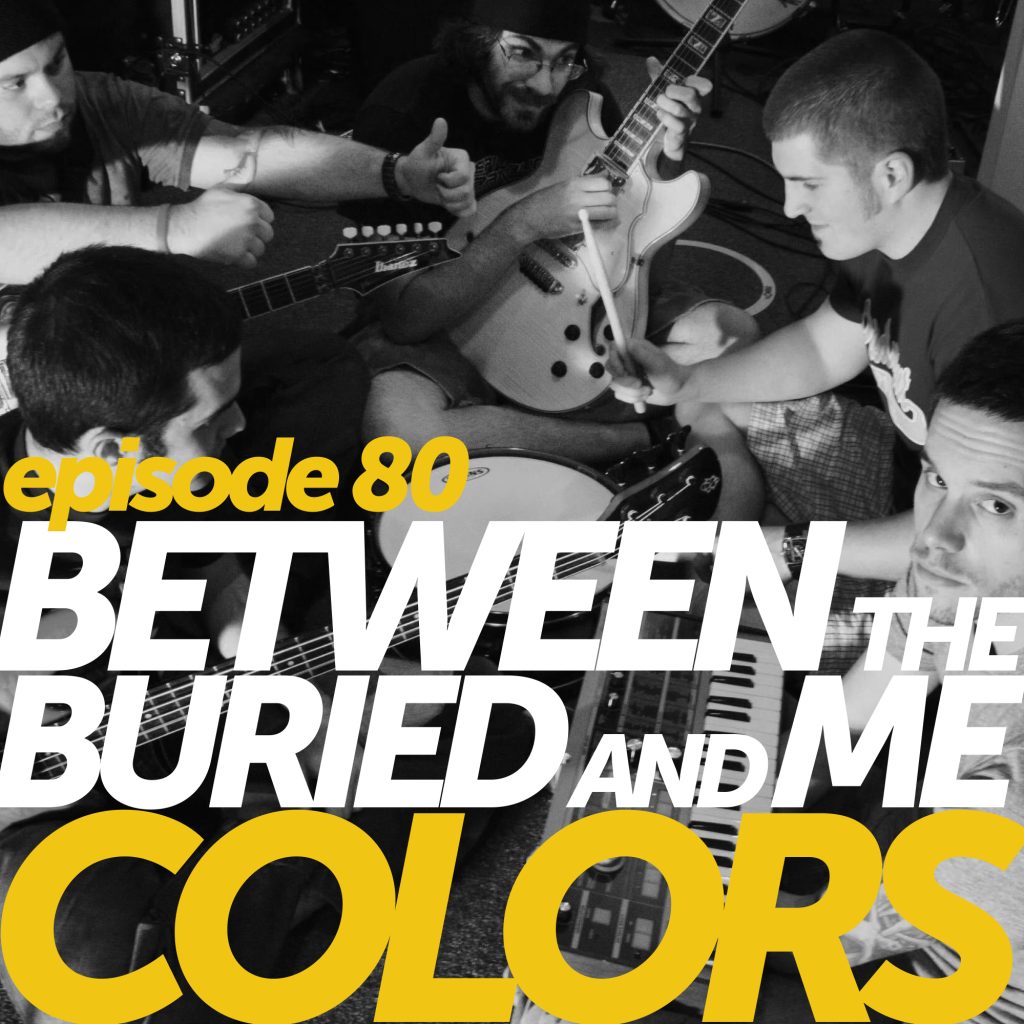
Episode 80: Between the Buried and Me’s “Colors”
Music can be this?! Five North Carolina dudes took the full range of the human spirit and musical styles into the woodshed, and from the loom came a technicolor dreamcoat of power, precision, and progress that we’ve worn with pride through nearly 20 years of long, strange trip. Join us in looking back with gratitude for getting to be there during a special band’s watershed moment and looking ahead with renewed enthusiasm for the boundless possibilities still beyond the dark side of the moon.

Episode 79: FKA Twigs’s “LP1”
As the 2010s cleaved culture into fractals and alienated humans from their being, Tahliah Barnett beamed down from the cosmos, a biblically accurate angel contorting into shapes embodying pure emotion. Her singular, decade-defining debut offers prescient wisdom for our AI age: the path to the world begins back in our bodies. When (FKA) Twigs moves, you move.

Episode 78: The Chemical Brothers’s “Exit Planet Dust”
Time's funny, innit? As today's youth excavate the nineteen hundred and nineties for the ecstasy of seemingly simpler times, here lies a fossil record containing so much of the DNA of how it was done — layers upon limestone layers of cultural source code. Keep digging and you might just find a place to get off your biscuits. The Big Beat goes on.
Episode 77: Otoboke Beaver’s “Super Champon”
For our money, this is what running through the halls of your high school and screaming at the top of your lungs actually feels like. And why *shouldn’t* the unreal world be a 250-BPM confetti cannon of primal-screaming sweetness? Take 21 mere minutes to blast-beat your brain and body into a fireworks show and then let’s shopping after.
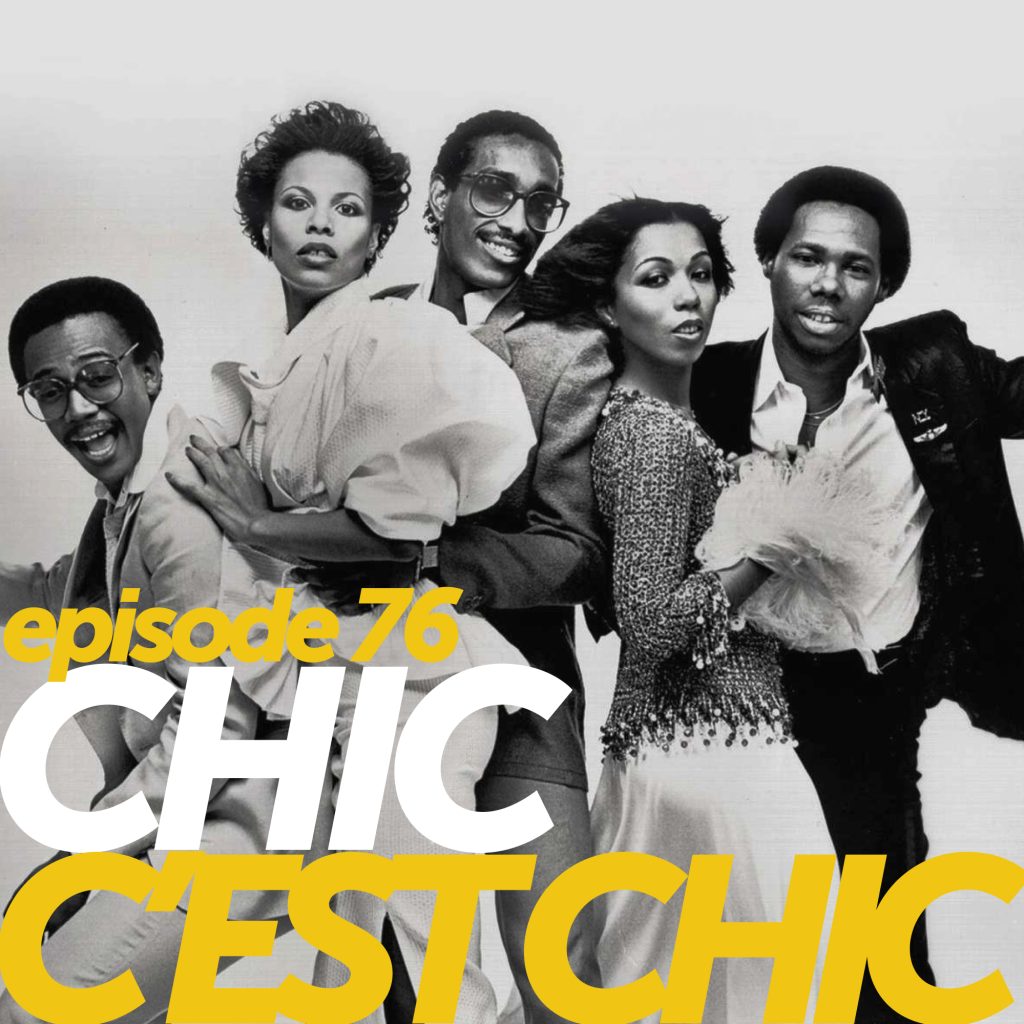
Episode 76: Chic’s “C’est Chic”
This episode’s meaning is neither deep nor hidden: the Nile is a river. To good times, that is. If the savoir faire, stellar musicianship, and seismic influence of Nile Rodgers and Bernard Edwards’ organization don't suit you, then to cite a very wise t-shirt: “disco doesn't suck; you just can't dance.”
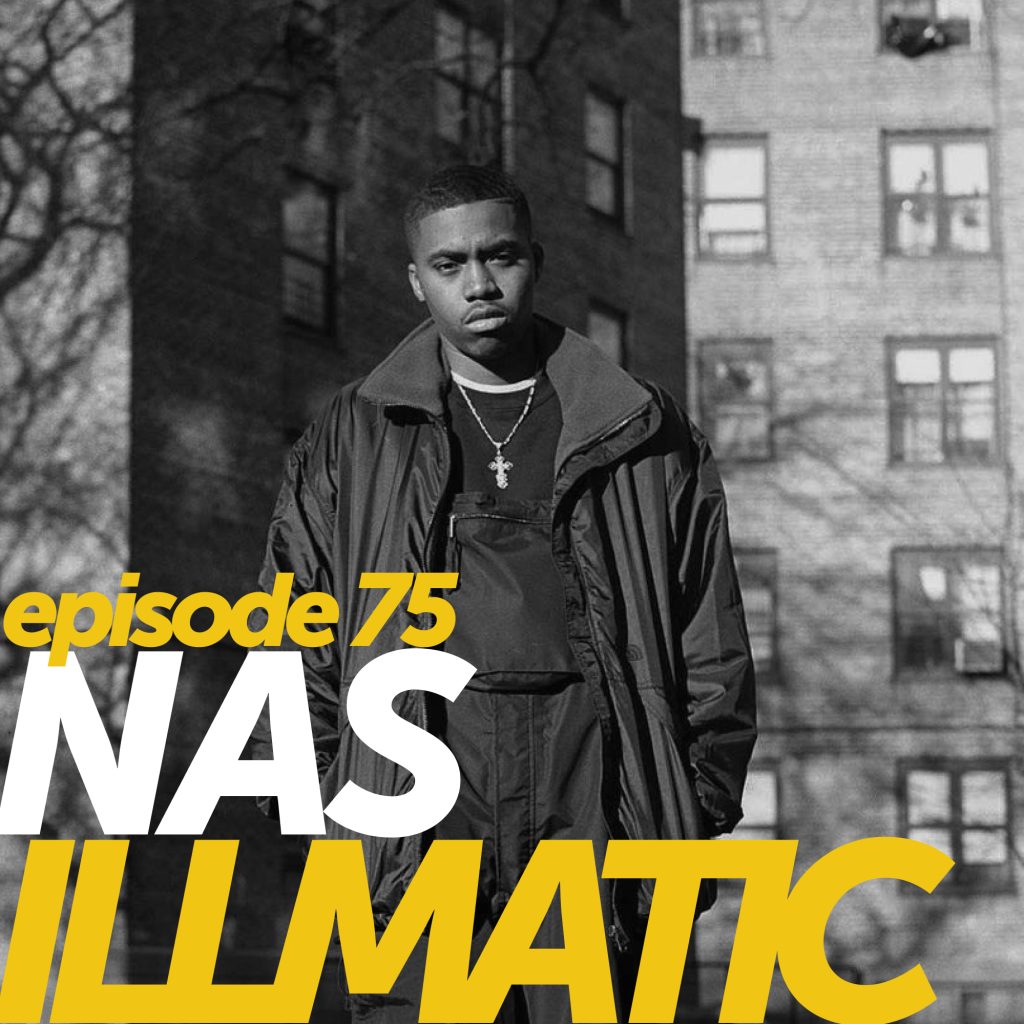
Episode 75: Nas’s “Illmatic”
Illmatic’s impact on hip-hop is a foregone conclusion — one listen and it ain’t hard to tell why. But as we unpacked the lyrical density, the layered samples, and the hyperlocal lens of Nas taking us to the Bridge, we found they represent, represent something deeper in the American mythos and our cultural consciousness. In the land of the free and home of the brave, life may be a bitch, but the world is yours.
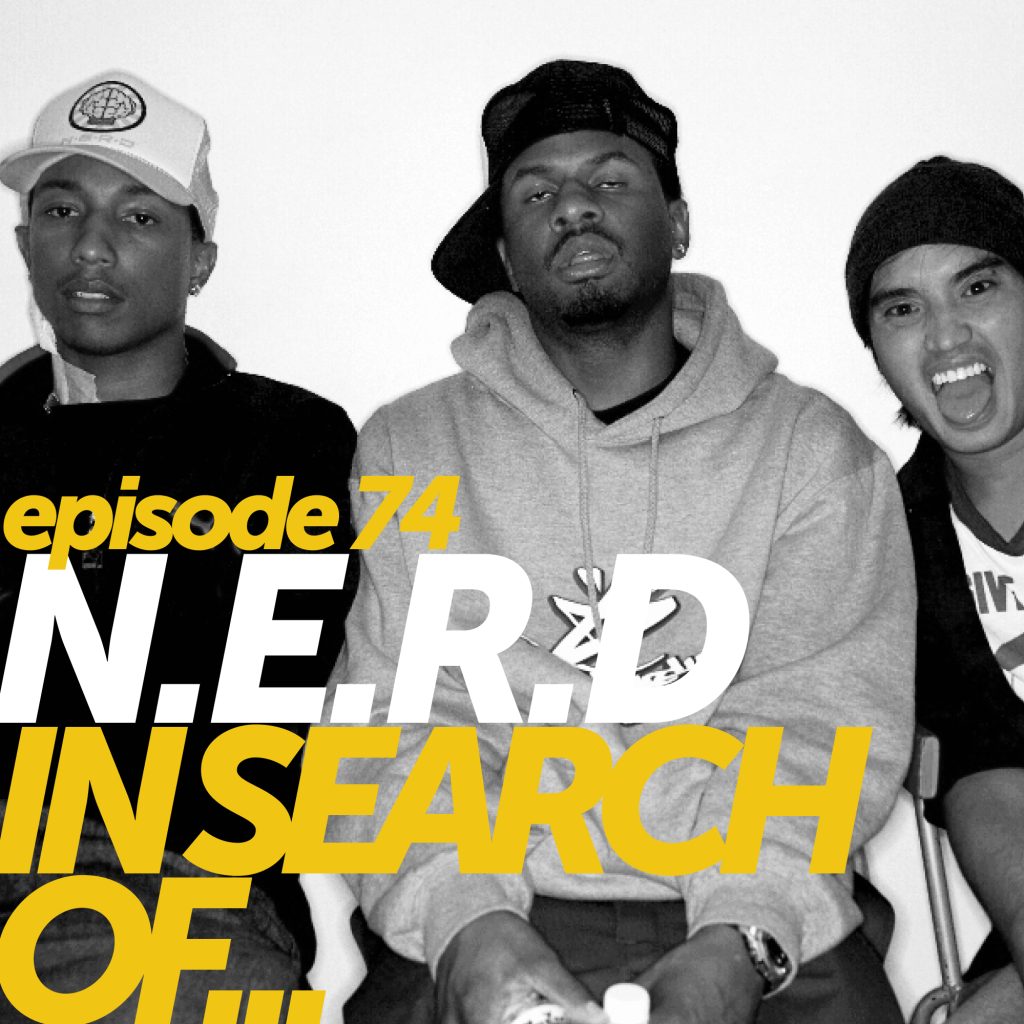
Episode 74: N.E.R.D’s “In Search Of…”
It may be true that No One Ever Really Dies, but at the turn of the millennium, a young, wild, and free new wave in culture most certainly came alive. Whether or not you were around and aware in the moment of the Neptunes’ cultural dominance—and the decidedly counter-cultural bomb N*E*R*D planted underground—it's worth the star trek to the 21st century sound and style’s Big Bang.
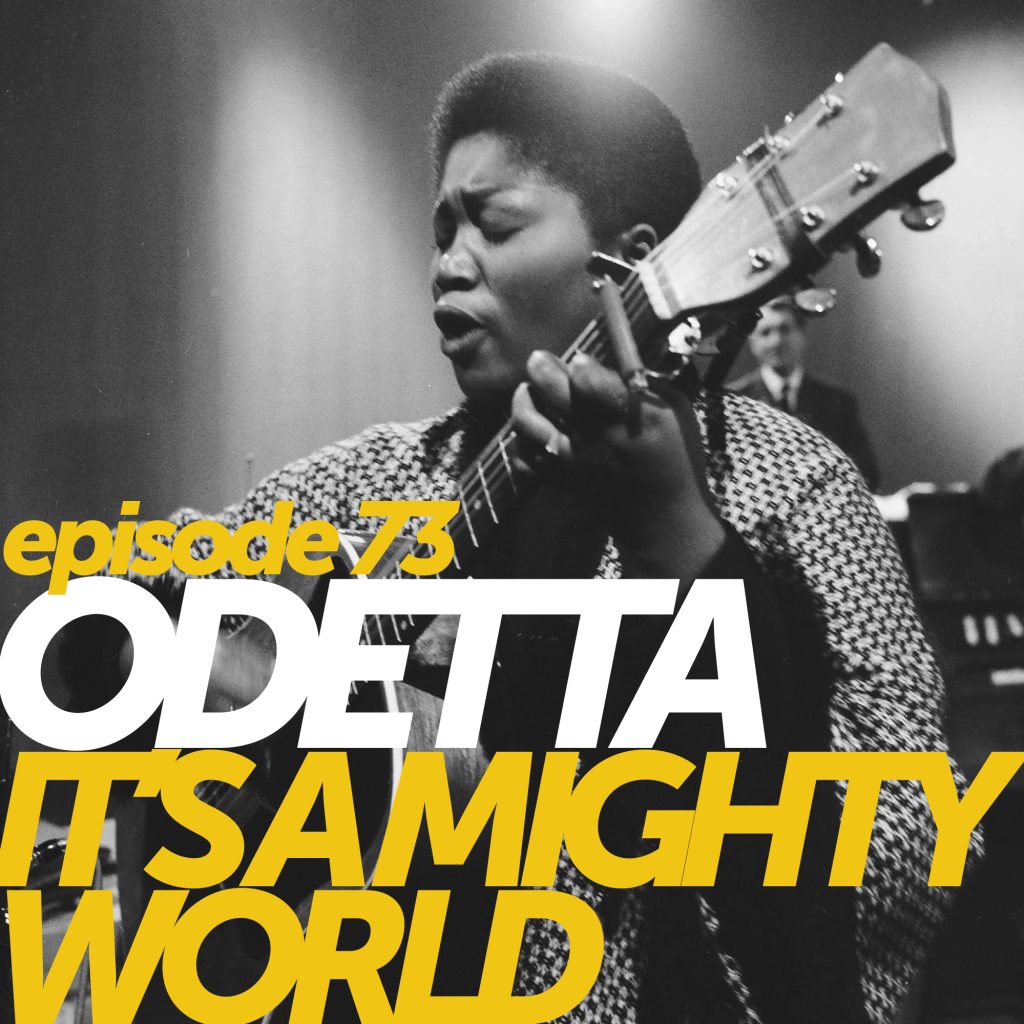
Episode 73: Odetta’s “It’s a Mighty World”
Odetta — a must-know titan of American music and culture — once noted that young people “learn about American history through battles.” But her dream of liberation was shaped much differently: “I learned about the United States through this music, through the songs that I sing.” As we live through the kind of historical moment that makes most folks want to lie down and die, we can — like many heroes before us, from MLK to Maya Angelou — look to the legacy of 1964 and Odetta for strength to insist upon our lives.
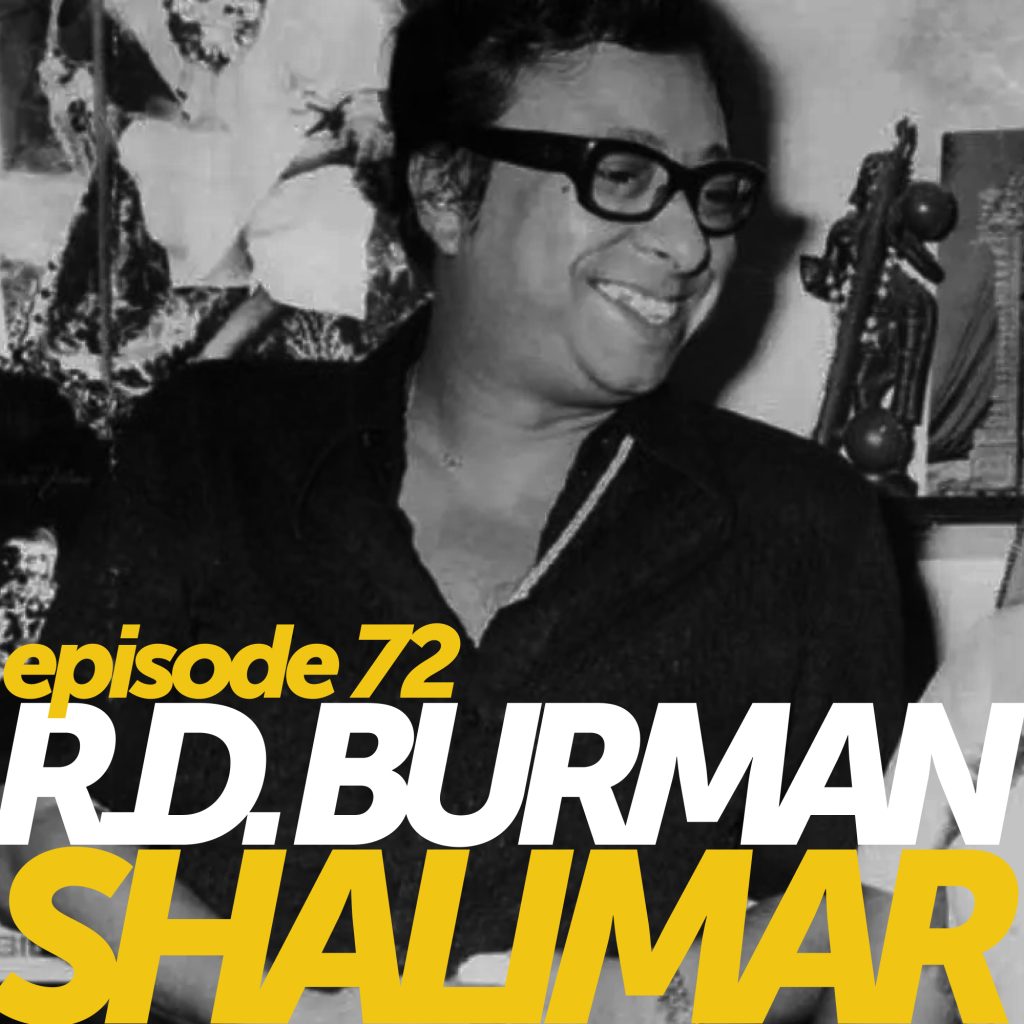
Episode 72: R.D. Burman’s “Shalimar”
Once upon a time in Bollywood, one magical man made enough music to fill a million moments—and made space for hundreds of other artists along the way. Of the 331 scores “Pancham” composed in his lifetime, 1978's “Shalimar” is a uniquely compelling introduction to his technical prowess, transcendent alchemy of cultures, and tremendously joyful love of a life full of song.
Episode 71: Marianne Faithfull’s “Broken English”
“That’s the thing about pretty faces… We don’t expect them to belong to the fighters— the junkies and monks and cockroaches who’ll survive every atomic bomb and suicide attempt and outlive us all.” - Lindsay Zoladz Broken English is searing, singular snapshot of surviving to spite the devils (who’ve gotten far too much sympathy in the story so far). You’ll love it forever with its good and bad weather. We may have lost Marianne Faithfull this year, but not before she outran the darkness. As we close out a dark year and look ahead for light, there’s a lesson to...

Episode 70: Sade’s “Love Deluxe”
Any denier that all art is political need look no further than the smoothed-out soul slipstream of Sade, a group defined by its economics. Rare output, minimal arrangements, reserved volume, and, of course, the premium implied by “Love Deluxe”—a title derived from the idea that true love is among a precious few luxuries that can’t be bought. Our world’s clearly longing for more longing, and we discovered a truly transcendent delicacy as we unboxed Sade’s brand of desire.
Episode 69: Charles Mingus’s “The Black Saint and the Sinner Lady”
When you think of true "artists" in music, who comes to mind? Charles Mingus embodied its romantic ideal, for better and for worse. His magnum opus "Black Saint" is more than even jazz's cosmic form can hold—it's the full-bodied essence of a master composer, peerlessly inventive bassist, and clairvoyant critic of the real America. In it, you’ll find what his collaborator Gunther Schuller called "the widest ranging musics you can find composed by one single human being."
Episode 68: Gang of Four’s “Entertainment!”
“Entertainment!” is described by Gang of Four’s Jon King as “a record about young people smiling and dancing in the face of disaster.” Uh oh, sound familiar? This Leeds-born slab of Brechtian boogie reminds us that to navigate a world where everything is (small-p) political, dancing and dialectics belong together. Free your ass and your mind will follow.

Episode 67: Brooks & Dunn’s “Brand New Man”
This is the tale of two lonesome cowboys who got down, turned around, and went to town catching lightning in a bottle on their first try together. Whether or not their decade-defining country anthems lit a flame in your eye in the 90s like they did ours, Ronnie and Kix offer a lens through which outlaws, in-laws, crooks, and straights alike can look for ways to learn to love again.
Episode 66: Oumou Sangaré’s “Moussolou”
The name "Oumou" derives from an Arabic word meaning "mother of." It is associated with dignity, wisdom, and maternal strength. Southern Mali’s Oumou Sangare has come to embody her namesake for millions around the world, and it all began when she was just 19 years old, channeling the magical music of hunters through her powerful and purposeful voice and creating a moment that captivated an entire country. Hers is a story everyone should know.
Episode 65: Missy Elliott’s “Supa Dupa Fly”
In the words of one of her groundbreaking forebears, “You feel free? You want to try some wild s**t? Thank Missy.” Since the very first frame of “The Rain” entered our eyeballs, Missy has made the avant-garde accessible, pointing us to a future full of more funk and more fun simply by standing fully in the splendor of her space-age self. Come (supa dupa) fly with us back to the moment where Missy’s magic began.
Episode 64: The Cramps’s “…Off the Bone”
God is a woman and she plays the guitar loud … y’all come catch some Holy Ghost in your hips. Hear our hallelujah for the love story of the queen of rock ‘n roll and the mad daddy holy rollin’ on a river—upstream all the way—and boot scootin’ through a fun and freaky heaven and earth of their own design. The Cramps were Dionysian, devilish, dangerous, and damn good, and they remind us that life can be, too. If you can’t dig this, you can’t dig nothin’.
Episode 63: Black Moth Super Rainbow’s “Dandelion Gum”
Life’s a bit heavy to chew on these days, so we reached into the pocket of our mid-2000s jeans and found an old piece of Dandelion Gum to chew on instead. As soon as its neon syrup hits your tongue, you’ll wonder why you hadn't let this "future pop for now people, today" melt you, melt you, melt you yet.
Episode 62: Project Pat’s “Mista Don’t Play: Everythangs Workin”
This life we're livin' is oh so beautiful. Take it from Patrick Houston, who has spread the gospel of the real for three decades, followed by a discipleship that has shaped 21st century culture in his image. For those still alive in 2025 by the grace of God, let us give flowers to the man from the North North.

Episode 61: Grace Jones’s “Nightclubbing”
Not a woman. Not a man. A revolution. Music’s long history is littered with larger-than-life characters whose mythology shapes reality for the masses — and few loom larger than the mighty Grace Jones. “Nightclubbing” without context is a tremendous body of songs worth anyone’s time, but after a deep dive into Grace’s time at Compass Point, you’ll agree that it’s a vital work.

Episode 60: Paramore’s “This Is Why”
The menace and melancholy of modern life have sentenced scores of young people to the gilded prison of nostalgia — but much to our surprise, a band of recovering Southern pop-punks have an antidote. For anyone willing to “sit still long enough to listen to yourself,” their new music’s sharp rhythmic angles and sharper lyrical reflections frame a doorway through which to free our big feelings and forge ahead.

Episode 59: Ennio Morricone’s “The Good, The Bad and The Ugly”
You know that five-note coyote howl. You may even know the classic film it helps power. But what do you know about the man behind those iconic moments? For our final exploration from our 2024 calendar, reflect with us on the genius of a maestro who could make magic with a mere fistful of notes, who poured forth from his soul a foundation upon which much of 20th century popular culture was built.

Episode 58: TLC’s “CrazySexyCool”
Vision. Bravery. Originality. The 30th anniversary of the ATL-exported opus — by the highest-selling girl group of all time — offered us a chance to reflect on all the ways our hometown heroes ran so some of the 21st century’s most iconic artists could fly.

Episode 57: Kendrick Lamar’s “good kid, m.A.A.d city”
Before the Super Bowl, the super beef, the Pulitzer, or PGLang, one good kid and king-to-be sojourned from South Central to the height of the American promise and rained down lightning that united one nation under a groove. You’ll feel the energy of this episode from two planets away — hop in the van real quick and let’s roll out.

TuneDig Episode 56: Cocteau Twins’s “Heaven or Las Vegas”
Dream of ethereal waves of sound swirling around you—and words you can’t make out saying more than you could imagine—as you float back upstream with us toward the warmth of Cocteau Twins’ decade-defining masterpiece, which still ripples across a vast pool of influences 25 years on.

TuneDig Episode 55: Jeff Buckley’s “Grace”
Once upon a time, “your favorite artist’s favorite artist” wasn’t a Midwest princess, but a “mystery white boy” beloved by Bob Dylan and Adele alike. Jeff Buckley’s signature Grace is on the shortlist of transcendent albums every living being should experience, because, as one industry vet put it: “it’s all in there, isn’t it? It’s just all in there.”

TuneDig Episode 54: Botch’s “We Are the Romans”
"We Are the Romans" is a visceral, vital document guaranteed to make you feel something from its first notes — and there’s never been a better time to stop and smell the roses from a group just now getting its long-overdue flowers.

TuneDig Episode 53: Ravi Shankar’s “Three Ragas”
Ravi Shankar lived one of the twentieth century’s most extraordinary lives, bearing witness to—and making—history all around the world. To many (especially in the West), he personified an extraordinarily complex style of music and the cultures from which it was borne, and he worked hard to make it look easy.

TuneDig Episode 52: Alain Goraguer’s “La Planète Sauvage”
Gather ’round, sommeliers of the strange and crate-digging boogie children, for something “Strange! Frightening! Fascinating!” awaits. The soundtrack to Cannes 1973’s Jury Prize-winning film is a dazzling, surreal, avant-garde hymn to cosmic knowledge and compassion and a secret handshake among real heads. If you’re after a trip to a new dimension, here’s your one small step for man.

TuneDig Episode 51: Marvin Gaye’s “I Want You”
Marvin Gaye’s well of soul power ran mighty deep, and deep into his career, he pulled up a bucket of ice-cold, silky smooth champagne called “I Want You.” Come for the lush instrumentation, vocal harmonies, and Leon Ware clinic; stay for the stories. For our return from hiatus, we observe a titan in his element, reflect on the pain that built him into one, and consider how to reconcile our feelings when complicated messengers deliver beauty to our door.
SEASON 6

TuneDig Episode 50: Funkadelic’s “Maggot Brain”
Before uniting one nation under a groove, the lysergic lords of chaos in Funkadelic harnessed wild lightning into an amulet called Maggot Brain, bestowing the bearer with raw, dark power stronger than any force known to man. Between reaching our 50th episode and coping with the “maggots in the mind” of today’s universe, it felt like the right time to free our minds. We hope y’all’s asses will follow.

TuneDig Episode 49: Alice Coltrane’s “Journey in Satchidananda”
The story of Alice Coltrane — an accomplished bebop pianist from Detroit who transcended into something far greater before walking away from public life altogether — is a glimpse into what it means to be truly free. Alice’s masterpiece "Journey in Satchidananda" is a cosmic dance that sparked creation from destruction. And in a time when we’re all desperately searching for a spark of meaning and hope, Journey abides abundantly.

TuneDig Episode 48: Heart’s “Little Queen”
Take a moment to appreciate Ann and Nancy Wilson, who kicked down the doors of rock ‘n’ roll’s boys’ club with their peerless guitar work, soaring soul vocals, and tight songcraft. 1977’s Little Queen — an oft-overlooked gem in the classic rock canon — offers a snapshot of those elements at their most urgent and pure, powered by the Wilsons’ simple motivation (as described by their producer): “It was a war.”

TuneDig Episode 47: Tangerine Dream’s “Phaedra”
When you think of “electronic music,” what comes to mind may not be a genre you deeply love — hip-hop, house, new wave, or even dub reggae — but all of it owes some debt, scientifically or otherwise, to Tangerine Dream. Dig in with us as we study a prime example of the band’s brand of effortful innovation, where they patiently and persistently labored at the cutting edge of electronic technology to open a portal to new worlds in our minds.

TuneDig Episode 46: Olivia Rodrigo’s “SOUR”
Did you catch one of 2021’s biggest albums, or like us, did you almost overlook it? If you have any expectations of pop music, "SOUR" will likely subvert them. Teenage dream this is not; it’s an exquisitely universal portrait of a weird time to be alive.

TuneDig Episode 45: Fela Kuti’s “Expensive Shit”
The story of Fela Kuti — one of the most famous people on an *entire continent* passionately struggling to liberate power to more people — is absolutely one worth deeply knowing, regardless of whether you find yourself drawn to Afrobeat or (cringe) “world music.” But once you know it, it’s almost impossible not to fall in love with Fela and Afrika 70 as their revolutionary grooves rewire your brain in magical and meaningful ways.

TuneDig Episode 44: Meshuggah’s “ObZen”
Meshuggah’s ObZen—an artifact of human creativity pushing the limits of what’s possible—will quite literally make you hear music differently. If you’re looking for a new musical adventure, and especially if you don’t think you like “heavy” or “weird” music, consider this your sign to push past your comfort zone.

TuneDig Episode 43: mewithoutYou’s “Catch For Us the Foxes”
A misunderstood wise man once said “Let him who seeks continue seeking until he finds.” In our most personal and vulnerable episode yet, we do some seeking through the lens of songs that fill us with the bravery and sincerity to love ourselves and others fully. Dig deep with us as we fish for words about our tiny place in the universe and dance with gratitude for our ability to do so.

TuneDig Episode 42: Erykah Badu’s “Mama’s Gun”
Y’all tryna raise your vibrations? Erykah Badu is here to help. Season 6 kicks off with a meditation on realness and what being on “your own wavelength” really means. (Spoiler: it ain’t a single frequency — it’s a whole spectrum.)
FRIDAY HEAVY
For lifelong headbangers and the musically curious alike, a new podcast from TuneDig is here to push your palette with aggressive, abrasive art. Each short, fast-paced episode offers (1) a new metal, punk, noise, or experimental release we recommend, (2) a related playlist we’ve curated, and (3) a heavy issue to consider and an organization doing something about it. Join us in the void.

Friday Heavy: End of Year Review 2022
It was a great year in heavy music. In this episode, we look back at all the new releases we featured and the curated playlists they spawned.
It was a NOT great year in many other ways. We leave you with a parting message of encouragement to connect your energy and angst to on-the-ground organizations doing the work in your community.


Friday Heavy: November 11, 2022
This week, we discuss:
- He Is Legend – Endless Hallway
- Curated playlist sussing out the depths of He Is Legend’s roots, weirdness, and attitude
- Protect Our Winters (POW)

Friday Heavy: October 28, 2022
This week, we discuss:
- Witch Fever – “Congregation”
- Curated playlist of eclectic, high energy that might get your inner goth stoked on (briefly) going out
- Housing Justice League

Friday Heavy: October 14, 2022
This week, we discuss:
- The Lord † Petra Haden – “Devotional”
- Friday Heavy playlist densely packed with thick, meditative vibrations across the spectrum of drone
- Multidisciplinary Association for Psychedelic Studies (MAPS)

Friday Heavy: September 30, 2022
This week, we discuss:
- Escuela Grind – “Memory Theater”
- Friday Heavy playlist dedicated to the absolutely fucking hostile energy that powerviolence can bring to radical inclusion
- Zealous

Friday Heavy: September 16, 2022
This week, we discuss:
- Holy Fawn – Dimensional Bleed
- Friday Heavy playlist showcasing the incalculably extensive and wildly diverse Shoegaze Cinematic Universe (aka post-rock)
- MTB Atlanta

Friday Heavy: September 2, 2022
This week, we discuss:
- The Callous Daoboys – “Celebrity Therapist”
- Friday Heavy playlist confronting the under-appreciation of Atlanta’s heavy and weird music scene
- Mississippi Rapid Response Coalition – Water Fund

Friday Heavy: August 19, 2022
This week, we discuss:
- Osees – “A Foul Form”
- Friday Heavy playlist fuzzed out on oddball punk that smells like cigarettes just thinking about it
- Women on the Rise GA

Friday Heavy: August 5, 2022
This week, we discuss:
- Chat Pile – “God’s Country”
- Friday Heavy playlist with, uh, a bunch of very pissed off songs directed at christofascist terrorism
- The Grocery Spot

Friday Heavy: July 22, 2022
This week, we discuss:
- WAKE – “Thought Form Descent”
- Friday Heavy playlist that anchors its sound in modern production of sludge, blackened death, and post-metal
- The Planetary Society

Friday Heavy: July 8, 2022
This week, we discuss:
1. Vomit Forth – “Seething Malevolence”
2. Friday Heavy playlist that’s unsettling in the best way, leaving you feeling a little off your axis
3. Trees Atlanta

Friday Heavy: June 24, 2022
This week, we discuss:
1. CANDY – “Heaven is Here”
2. Friday Heavy playlist packed with off-the-beaten-path punk and hardcore from bands that deserve space on your battle jacket
3. Round Rock Black Parents Association

Friday Heavy: June 10, 2022
This week, we discuss:
1. Sasquatch – “Fever Fantasy”
2. Friday Heavy playlist of heavy grooves for late desert nights and hazy generator parties
3. Feed Buffalo

Friday Heavy: May 27, 2022
This week, we discuss:
1. Decapitated – “Cancer Culture”
2. Friday Heavy playlist stacked with bands putting their unique and modern spin on (occasionally tech) death metal
3. PropelATL

Friday Heavy: May 13, 2022
This week, we discuss:
1. Primitive Man – “Insurmountable”
2. Friday Heavy playlist full of SLOW, enveloping, massive and crunchy tone and big feedback
3. National Network of Abortion Funds

Friday Heavy: April 29, 2022
This week, we discuss:
1. Heriot – “Profound Morality”
2. Friday Heavy playlist packed with mid-tempo, huge guitar tone, big atmosphere and lots of industrial grit and grind
3. Invisible People

Friday Heavy: April 15, 2022
This week, we discuss:
1. Greyhaven – “The Bright And Beautiful World”
2. Friday Heavy playlist for fans of more choatic + melodic combinations
3. Campaign for Working Families

Friday Heavy: April 1, 2022
This week, we discuss:
1. Meshuggah – “Immutable”
2. Friday Heavy playlist full of high quality Meshuggah aping that AIN’T “djent”
3. The Bail Project

Friday Heavy: March 18, 2022
This week, we discuss:
1. Soul Glo – “Diaspora Problems”
2. Friday Heavy playlist with 20+ songs in under 40 minutes, (almost) all under 2 minutes each
3. Equality Texas

Friday Heavy: March 4, 2022
This week, we discuss:
1. Vein.fm – “This World Is Going To Ruin You”
2. Friday Heavy playlist exploring more of Will Putney’s work
3. Books to Prisoners
SEASON 5

TuneDig Episode 41: Miles Davis’s “Bitches Brew”
Let’s be clear: "Bitches Brew" is a challenging record, even to some of the best musicians in the world — but all of them say it’s worth the investment. It’s the kind of trip that, even if we *could* draw a map, it wouldn’t take you there. Let go of the need for meaning and enjoy the ride with us. We can promise you’ll be pleasantly surprised where you end up.

TuneDig Episode 40: Fiona Apple’s “Tidal”
On the heels of one of 2020's most acclaimed albums — Fiona Apple’s Fetch the Bolt Cutters — we revisited Apple’s debut Tidal and wound up working to extract ourselves from the mostly male gazes that made its reception … much different. We arrive at a question much like writer Jenn Pelly had: “People would constantly prod Fiona on how an 18-year-old could write songs as mature as these ... Why did they not ask instead how she became a genius?”

TuneDig Episode 39: Death Grips’s “The Money Store”
The modern world is accelerating beyond our control, shaping our reality in ways we can’t yet perceive or understand. Enter Death Grips, an art project capturing the chaotic energy and illustrating the absurdity of our hubris in trying to harmonize the surreal and extremely real — never more perfectly than on 2012’s prescient "The Money Store".

TuneDig Episode 38: Augustus Pablo’s “King Tubbys Meets Rockers Uptown”
Reggae music is easy to take for granted, but its impact is underappreciated and massive — in the case of dub in particular, everyone from Radiohead to Johnny Rotten to Run-DMC owes it a debt. Augustus Pablo and King Tubby together created what’s regarded as “one of the finest examples of dub ever recorded.” Join us as we dive into the culture, history, and unique engineering experiments that made it possible.

TuneDig Episode 37: Rihanna’s “ANTI”
By every measure — sales, awards, chart-toppers, global name recognition — Rihanna is objectively as big as the Beatles ever were. In fact, ANTI is so big it’s still on the charts, a record five full years later. Take a closer look with us at “the record you make when you don’t need to sell records”, and get a taste of the true freedom that comes from focusing on your inner voice when faced with insurmountable expectations.

TuneDig Episode 36: Son House’s “Father of Folk Blues”
All American music traces back to the blues, and deep at the root sits Son House. That the recordings on "Father of Folk Blues" even exist is something of a gray area that cuts to the heart of the great American myth, but wherever you land after hearing these stories, you’ll find that what matters most is what the great Muddy Waters once said of House: “That man was the king.”

TuneDig Episode 35: Melvins’s “Stoner Witch”
The futility of describing the Melvins has stretched critics in the direction of absurd words like “Dadaist” for nearly 40 years now. They’ve belligerently flogged any attempt to pinpoint their essence simply by being themselves, but "Stoner Witch" remains a reliable mall directory for the Melvins’ vast and wild discography. Grab yourself some pretzel bites.

TuneDig Episode 34: Dolly Parton’s “Jolene”
We should talk about Dolly the way we talk about Prince. Her extraordinary kindness and unique kitsch both make her universally loved, but what gets left out of the conversation is the very thing that made her famous: the music. Join in as we focus attention on the sonics and songwriting of the low-key masterpiece "Jolene".

TuneDig Episode 33: The Allman Brothers Band’s “The Allman Brothers Band”
Six enlightened rogues out of Macon, Georgia birthed an entire genre simply by being their soul-powered selves. We have not come to testify, but we’re still hung up on the dream The Allman Brothers Band helped us see. By the end of this episode, you will be, too.
TUNEDIG RADIO


SEASON 4


SEASON 3


SEASON 2


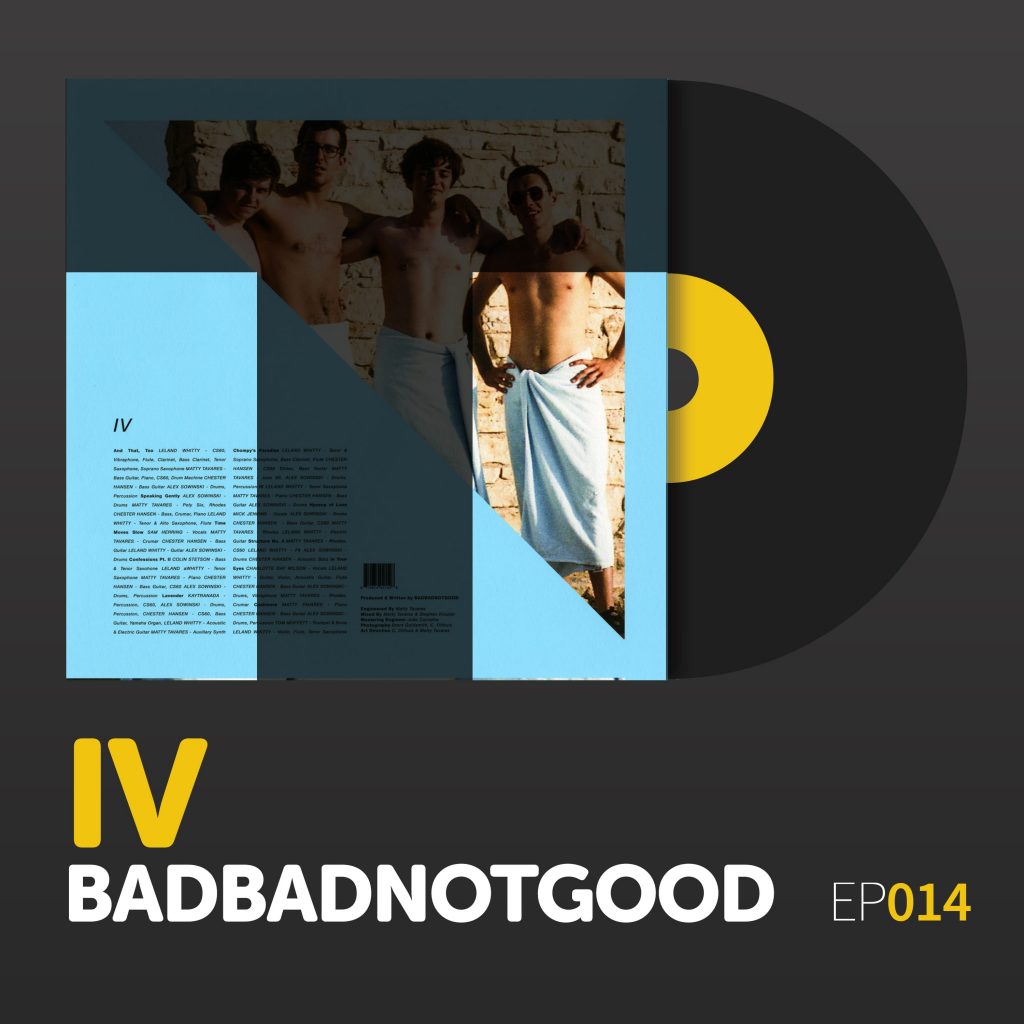


SEASON 1


BONUS TRACK EPISODES

BONUS TRACK: How We Got Here
We got a bunch of interesting listener feedback in our off-season, and it encouraged us to shed some light on why we do things the way we do ‘em. Also, we reflect on our first writeup, which was ... interesting.
WHO WE ARE
We're Cliff (right) and Kyle (left). We’re two dudes born and raised in ATL with day jobs in tech and sustainability, respectively.
We met in middle school, and in one way or another, music’s been the thing that’s kept us close for the two decades since — whether it’s sharing and talking about new music (like this podcast, except in our texts or over beers), going to shows, or working with our favorite record stores to help them survive and thrive.
We started TuneDig as a little art project that connects us more deeply ourselves and to the world through the infinite gift of music. We hope you’ll join us for the conversations, let us know what you think, and share discoveries of your own.
More About TuneDig
TuneDig began as a little something called MusicGrid.me, which we created after realizing there was no place online to directly exchange music recommendations with your friends. Our aim was simple: to make rating albums simple, useful, and social. We got some love from places like Mashable, Wired, Evolver.fm, and Hypebot. We managed to foster conversation between music lovers, get thousands of reviews, and meet great people.
Along the way, we realized that record stores were an essential part of the music lovers’ community. After many a conversation about how we could helpfully connect them to the people who loved them, we began helping them leverage technology to create new revenue streams and embrace streaming services without giving up what’s unique to them: expertise and curation. (Long live the counter clerk who knows exactly which record will be the right introduction to jazz fusion!)
TuneDig is our vision to connect music lovers with the music they love, because no matter how much has changed in the way we discover and enjoy music, recommendations from people you trust and respect will always be the best way to find new music you’ll dig. With this podcast, we’re channeling the spirit of trusted curation pioneered by record stores, and bringing you something to take you deeper into music you can love.