
TuneDig is an in-depth and informed conversation between two lifelong friends about the power of music — one album at a time.
In each episode, we go down the rabbit hole to spend a while in the strange world we discover. We take an honest look at creativity in all its complexity—from writing and production to history and cultural impact.
We promise you’ll learn something new every time, no matter how much you already love the album we explore.
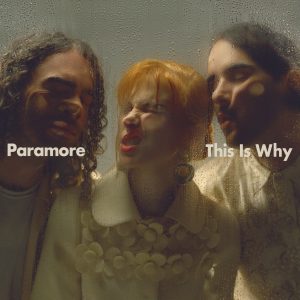
Episode 60
This Is Why
Paramore
The menace and melancholy of modern life have sentenced scores of young people to the gilded prison of nostalgia — but much to our surprise, a band of recovering Southern pop-punks have an antidote. For anyone willing to “sit still long enough to listen to yourself,” their new music’s sharp rhythmic angles and sharper lyrical reflections frame a doorway through which to free our big feelings and forge ahead.
Transcript
Kyle: Today we’re talking about This is Why by Paramore.
Cliff: What happens when you leave a young mall emo punk band in water and let them absorb it over 20 years? Do they become large like the gummy bears trick and the dinosaurs of my youth? Or do they just become waterlogged and weird? Find out this episode on Toondig.
Kyle: me it’s more like what happens if you, stop looking at a band that is playing shows in the rec rooms of churches and you turn your back and become a tax paying adult and then you turn back around and they’re like the talking heads and you’re like, when did this happen? I feel like such a weird cosmic connection To this band, but like not in the ways that I feel like I usually talk about on this podcast. I was pretty sure for a long time that I did not like Paramore. I didn’t have strong feelings one way. I wasn’t like, I hate Paramore Paramore sucks. I was never one of those people like realize they made good pop songs and a lot of people like them.
And that’s cool. And I’m, I’m happy to tell the story of the first time I realized that they were going to be famous, but I was just sort of like, man, not, you know, not for me, but I feel a connection because they’re from Franklin, Tennessee, and they grew up in the same, general oppressive vice of evangelicalism that we did.
Southern church, hardcore kids, And, uh, it’s just blossomed into this whole other thing that to me, when you listen to this album is utterly undeniable. So I think the headspace that I’m approaching this conversation with is.
It’s me. I’m hater. Cause like people, people I have found have really strong opinions about this band, which is kind of intense because it’s just one of those, like, it’s there, you can take her, leave it. There’s, there’s much more offensive fare out there in this is solid. So like, what’s your beef part of it may just be part and parcel.
There’s like an ungodly amount of ink on this band. There’s so much written about them. Every album cycle, a lot of it is sort of the same. a lot of the criticism tends to be dramatic and meddling and, you know, at different points in their career, they certainly haven’t helped that perception. but here we are like roughly 20 years in with like a mature realized statement.
And I’m starting to wonder if we’re making some selection subconsciously as like dudes approaching their forties. We’re not doing a lot of first albums, you know what I mean? We’re not doing a lot of early career stuff lately. And I don’t think we’re trying to do anything like that. But we’ve always kind of done that, actually. You know, like, we didn’t pick Zeppelin 1. We didn’t pick Southern Playalistic. Um, maybe we’re just not debut album guys.
Even though there’s so many good debut albums.
Cliff: Well, certainly out of the discography, uh, while I have an affinity for it that I’ll express several times, we’ll make it real clear why we didn’t pick the original album on this one.
Kyle: All We Know is Falling? Is that the name of the album?
Cliff: Heck yeah, man. Yes. It’s in
Kyle: Yeah, that’s some real Oncliffe’s iPod, not Kyle’s shit.
Cliff: It’s such a really specific moment in time, to your point, like our relationship to this artist is inherently different than most of the other ones that we cover, because in so many other cases we’re trying to catch up on a history that we weren’t a part of, whereas like Paramore is a time machine that we can put ourselves in, and we’re so close to the general age of that band anyway, that their moments are I At least recognizable as milestones in our own life for sure.
but yeah, I mean all we know is falling. I knew 100 percent Was like I knew that album was getting dropped. was following fueled by ramen and like I remember I was living in New York at that time in 2005 in the summer.
And this CD dropped and I quite literally listened to it and started started then listening to it after buying it, because back in the day, We bought the music, and then we could listen to it after that. And I mean, this got picked up at the same time that As I Lay Dying, and The Red Chord’s Clients.
This was the bundle of things that I picked up at the record store.
Kyle: Oh my god.
What are, when we’re talking about Fueled by Ramen, what are we talking about? Fallout Boy, Early, like, Yellow Cart. I’m trying to think of like, what were the bands for you that were Fueled by Ramen bands that put that label on your radar?
Cliff: mean, mostly just this one at the time. trying to think back to some of the artists who were around back then, but I mean, Gym Class Heroes, Fall Out Boy, The Academy Is, Panic! at the Disco, These were bands that got really big and surfing a similar wave that, you know, Paramore would end up not only creating, but then resurfing again later in their many genre changes, but I didn’t give a shit about any of these other bands.
Paramore was a standout to me because they, they were adjacent to the emerging ish post hardcore, post emo thing that was kind of happening at the moment where hardcore guitars could still be a part of what some of these bands were doing. Whereas, you know, a lot of the other bands started going, which we’ll talk about because it was, you know, heavily inspiring the album we’re actually talking about now.
But dance rock and dance punk and all that went off in a very specific direction that a lot of bands followed. And for a little while Paramore was in this little group with a handful of others that were interesting melodically while still really clearly having this sort of pop punk affinity and appreciation for other artists that were sort of in that scene to begin with.
So to me, this was the little pocket and I got excited about this band specifically, from the, from hearing the singles on MySpace,
Kyle: My man.
Cliff: but I mean, I was even up on the lure, like I knew in 2005 that the shadow you see on the album cover on the sofa is the band member that left just before the album came out and it was like a whole representative thing and would then connect to like, You know, actually they ended up changing another album cover on purpose later on as a band in like 2013 or something to like make a statement.
Like, so they’ve always kind of been playing around with this, but have always been just interesting enough to catch my attention ever since then. And to me, that’s probably the story of every genre shift that they’ve gone through since they started existing. And the album we’ll talk about today is Likely my favorite, but I mean, my second favorite is that first, not super great one because it had so much energy and was interesting, uh, and just clicked in at a time where, music discovery for both of us was just sort of exploding.
Like that was right after I got my 60 gig iPod color and I was on top of the world.
Kyle: And we were walking around as independent young adults, in the open world environment and there was always music around that time. So yeah, we were, we were like in peak discovery mode
Cliff: Yep.
Kyle: or I thought at the time I, I’m doing better at discovery than I ever have in my life. And I never would have thought that would have been the case pushing 40. But here we are.
Real quick, my, Paramore discovery was, a girl that we grew up with, wanted to go see this band that I was aware of, I think because of you or like you and sort of like the crew from high school. And it was at the mask and it was a weeknight and there were not that many people there.
It was in heaven at the old mask and. They came out and played some songs. It was like, this is cool. And then they were like, we’re going to play a new song and it was misery business. And within 30 seconds of that song, I was like, this band is going to play arenas. This band’s going to be fucking huge.
you just knew that was a thing. It was about to be a moment. And then the next time they came back to Atlanta, I think they sold out the tab and it was, you know, 5, 000 Cedar or whatever. And it was. All up and up from there and they stayed there But I remember just like being aggressively not interested because the choices between that moment And just generally being like this vibe’s not really from like it’s not edgy enough.
Whatever. That was a me thing. Not a them thing The moments between that and the next time that I got interested, uh, which was in it fun was like Haley did the song with bob That I hated so much You that airplane song and then they did
Cliff: play that here.
Kyle: Yeah, it’s fine by me. I never listen to these episodes after we release them. So sometimes we’re just making other people miserable maybe they love it. I don’t know. Maybe that’s also a me thing but then it was also they did a song for the twilight soundtrack and I was like No, absolutely not. Um, and it had the video where they were in the woods doing the whole stick and it was just like pass, and then it was a couple more years and they put out the self titled and ain’t it fun came on the radio and I didn’t know it was them. But it was like the radio out in public somewhere.
Cause this is 2013 and you’re like not listening to the radio in your car anymore. And I remember being like, man, who is this? This is good. It’s like a new Jack swing song. and then it turns out it was Paramore. And I was like. “Oh, no.” And then I’ve been one foot in ever since but I was like a singles guy. It’s like, okay I get why the big song is the big song for them right now. with like still into you and uh, then hard time like other stuff later But this is the first time that I was like, you know what i’m gonna really give the record a go Because this the first single came out the title track and it just like blew my doors off.
Maybe this record will be really good And here we are.
Cliff: I’m sure we’ll mention as we go along the ways that their various, uh, evolutions as an act and as a band, uh, may be. Mirror, or look a little bit, if you squint hard enough, like some of our own moments in life. But, I think, maybe just saying right up front, love that you went ahead and expressed that idea of your sort of, Nope, nope, okay, about Paramore for you.
Cause I think like, out of the, Three to six shifts, in genre and in approach that you might want to call out about this band. Even with all of the accolade and sort of widespread love that we’ll talk about for this band that exists, you’re still likely to find in every Paramore fan, an album or two that’s pretty nope.
Like, well, okay. And, you know, for me that was Misery Business and Riot.
Kyle: Mm hmm.
Cliff: I wished them well. And maybe we’ll talk some more about this, but like, my favorite Paramore song by far is the last song on their first record called My Heart. And it’s, Pretty simple and boneheaded, but just like for a mid aughts pop hardcore band, there was little that could match the like emotional intensity of sort of doing something anthemic that they did.
And they shoved it right there at the end of the record. and mention the end of, Of this record that we’re talking about as well. But getting all the way to the last song and being like, well, this one’s my favorite was extremely reminiscent of about 20 years ago, picking up that album and saying, all right, I really like, once again, I really liked the singles.
There’s some strong work on these other songs. Oh, and this last one is my favorite by far. This is something cool that I haven’t heard anyone else do.
Kyle: hmm. Mm.
Cliff: I just want to go ahead and call out, you know, me and you both have some pretty high and low moments with relation to this band and everyone else should feel comfortable having that too.
Uh, and so this is definitely, I think, one of those episodes where let’s invite you back in, especially if this is an artist that you’ve sort of, Knocked off or dismissed either if you used to like them, never really thought you’d like them. There’s probably something in this journey that might catch your attention, even if it’s not the record we’re talking about today.
But out of all of them, I think the record we’re talking about today is the best front door to this band and what they’re capable of now, because it’s such a culmination of them learning how to exist as a unit, even with the You know, so many of the individual people rotating in and out over those different years.
Kyle: Totally agree. I think it is objectively the best music that they have made, and it’s the best sounding record. and it’s so hard to do good closers. It’s so hard to be a band that backloads. stuff. the only other band that like I think about as a closer band, the last track on the record just really crushes it and makes you want to start it over immediately is he is legend, which is like, there’s, there’s a lot of similarities in the sort of like cultural atmosphere that they were raised in.
I don’t think that has anything to do with closers, but I would be interested for anyone to write in and say, who’s your, who’s your favorite closers band? The only other one that I can think of is, Zeppelin. I don’t think anybody does closers better than Zeppelin. When the Levee Breaks is the ultimate album closer.
anyway, this is why, sixth album by this band, which is again, crazy to even think about that any band survives past three. but this band that we’ve been around long enough that we were there at the inception and they now have six records released in February of 2023 on Atlantic records, their final studio album obligation to Atlantic.
That’s part of a 20 exclamation, 20 year contract that Haley signed as a solo artist at age 14, they alleged that was the first three 60 deal ever, which is an interesting tidbit, but like, just to contextualize that. At that time, having discovered Hayley Williams, they were looking for and also ran in the vein of Avril Lavigne or Kelly Clarkson or Ashley Simpson, or like kind of a rocker chick doing pop. Pop with a rocker posture or clothing. And now here we are with like sort of a different thing entirely. This record debuted at number two on the Billboard 200. It won two Grammys for Best Rock Album and Best Alternative Music Performance for the title track. And then they they took it out as the opener for Taylor Swift’s Eras tour in stadiums. it’s big. there are very few records and bands. that are like this big and permeating in the public consciousness. Not normally the world we live in as listeners.
Cliff: I think to underscore why we will mention this band’s debut record and the stuff that was happening 20 years ago is the, Attempt to capture Hayley Williams as a solo act and her sort of rejection of that played out over these 20 years. And I think allowed them to evolve in the ways that they had.
Cause she could have very easily made her money, uh, like, It’s hard to express how easy it would have been, relatively speaking, for her to get in, get out, with a music career, and kind of continue to do whatever it is she wanted to do. And there was, and continues to be, an insistence that she’s a part of an act, even though now we have actual solo records from her.
That was an insistence on her part. And I think also though, maps this really interesting, you know, like I said, we sort of have this time machine in this band that we can ride along with. And like, it’s worth mentioning that yes, she’s, she signed what is effectively the first 360 deal ever as a 14 year old, knowing basically nothing, but also at that moment in time, it’s hard to express a moment to people who weren’t literally there for it, but Taylor Swift
Kyle: You wasn’t in the gym.
Cliff: oh that’s, this is an even greater intro than, yeah. Taylor Swift was not always some sort of like, god like, show me what you got figure in the cosmic sky. she used to be, a kid who was making movies.
Mid country music and putting it on my space, her and Haley Williams were around one another and were, you know, much closer friends at that time. I don’t really know or honestly give a shit about their adult friendship nowadays, but it’s worth pointing out like those two people were around each other at the Nashville scene at a time where.
Effectively, the music industry was starting to figure out, once again, well, how are we going to use and possibly exploit women for the next 20 years, uh, and try to make them into particular artists. And here you see two paths diverge in the woods, both of them coming from Nashville and ending up, country into abject pop.
And then now here, this sort of like, pseudo emo, hot topic, punk thing that has now gone through. in and through dance and whatever might come next out of this particular band to you.
Kyle: I mean, Taylor Swift is such an interesting foil for thinking about this band and Haley. And like, I don’t want to necessarily say that anytime there’s been an opportunity to to take the cred fork in the road that she’s done it. I don’t necessarily think that’s true, but you know, thinking about Paramore, like Nirvana and how that was like what Kurt was doing.
And so torn up about doing over and over and over again, every time they had a chance, like, do, do I sell out? Do I do whatever? I think she’s forged about the most credible path to be as big a band as they are, for a long time. Misery business and stuff aside, I thought of Haley Williams as the check on the Chariot record. one of my favorite, I think one of both of our favorite records from the year that Riot! Came out was the fiance by the chariot from Douglasville, Georgia. the reason that this podcast exists started with a debate about a chariot record. I was like, put that back on the record.
Um, and I don’t know anybody else in the world has gotten Josh Scogin’s name in print, let alone the New York times talking about influences and putting him on a list of front men alongside Elvis and Freddie Mercury as her influences. And like, she didn’t have to do that. She could have been big Christina Aguilera, a pop star, but there’s always been, you know, call it punk rock guilt or whatever.
There’s always been a thing like keeping her grounded and in the band and whatever. And all of that really shines through in the trying therapized adult version of what they’ve been doing in this record here. And I really appreciate it.
Cliff: Yep. Yeah, between the chariot and the me without you, love and support in the mid aughts. I would say that is the other thing that was sort of Yeah. bringing Paramore into my sphere, at least. Like this, this band’s cool with me, honestly, because of the way that they talk about and support other bands, uh, and the way that they’re trying to, I mean, especially at that moment in time.
And this will probably keep coming up, uh, as we talk about this record, cause it’s such a part of this band’s journey, but If I were to try to encapsulate what was happening in the mid 2000s for kids who grew up in overly evangelical Southern Baptist situations, like The Chariot and Me Without You literally and specifically represented these sort of escape patches for a lot of us because they were Two sides of a coin that both represented an honest sense of authenticity about music.
The chariot being as absolutely Almost ridiculous with lack of a better term as they could possibly be with music, just deconstructing whatever hardcore and metal even meant at that time, and then laying sort of poetry on top of it, right on the inverted side of that was. Me without you, which we have a whole episode that we don’t have to rehash necessarily, but like the, I’m going to wear my heart on the outside of my entire body and be as vulnerable as an exposed nerve approach to religion and spirituality was the other sort of way that a lot of us could identify with and appreciate.
Um, and so to see. to see someone like Hayley Williams and a band like Paramore sitting squarely in between those two, taking a much more conventionally acceptable route and basically pointing in both of those directions and going, but these are my favorite bands. Like these are the people doing it like that was, there was a sense of, I hate calling it a scene, but there was a sense of community that came along with that that was really specifically in the South, Atlanta, Nashville, Greenville, Birmingham, um, and even at that time we still would have maybe claimed Florida.
Kyle: Northern and Central Florida. Yeah, yeah.
Cliff: as part of all this. And there was something really unique that was happening at that moment. that’s part of what forged this band. Uh, and so that’s not what this album is about, but it certainly is significant portion of what our relationship to Paramore has been, and especially mine and how I viewed them over the years.
Kyle: You know, the headline as I sat and thought and thought and thought about this band was that you know, you think about all the changes and whatever. This is a feelings first band. They’ve been called an emo band or whatever, but they are a band that wears their emotions outwardly without being a capital E emo band in my mind.
Estimation And I think a lot of that does come from a person like aaron weiss and learning how to be brave On stage, but I think it’s important to really distinguish Why a band or a musical artist exists and feels the need to do something to keep doing this Being in the world expressing especially over a long period of time like 20 years That’s a long time to weather all the slings and arrows of putting yourself out into the world And so you compare like what is your reason for being?
Okay to put my feelings out there versus a music first band to put sounds in the universe versus an aesthetic first band to like put an artistic vibe or start a movement or something or a personality driven band which this could have been with Haley and to some degree is but like she’s always bristling up against back up against it or a political agenda first man like rage Or like a lot of great, you know, punk bands with the minor threats of the world.
and not only are they a feelings first band, but they’re a band that has grown up in all the, all the ugliest years of your feelings where you don’t know how to process them healthily. And like. You know, people talk about gen Z growing up on the internet and having to do all their ugly shit publicly.
They did that a bit ahead of the wave, like from, from 14, 15, 16 on, they’ve had to share big feelings astronomically publicly, way before they were able to have a healthy grasp on them. And, and so what I love about this record is we see them. Like doing the work and healing and freeing themselves and not making themselves not culpable.
There’s a lot of inwardness and accountability. and it’s all the things that brought them here, they sort of bring home. and, it came at just the right time in my life to like, really resonate with the headspace I was in. And. Ended up catching me by surprise like how much this record really resonated with me because I’ve I would have gone to my grave thinking I would never Put a paramour album on a year end list, but it just took like being in sync With the feelings first thing and processing and emotional walking and emotional landscape to use that pure term.
We we tend to use again and again.
Cliff: It’s winter. So that song plays in my head at all times.
Kyle: How Scandinavian of you.
Cliff: ha ha! I think that’s what you just said is a pretty good segue to let’s talk about what surprised us about listening to this record that got hooks in there. Cause one of the reasons I was excited to talk about this for sure with you.
I mean, sometimes we have similar experiences of records. Just we go from zero to a hundred just like, Oh, well this record fucks. Thanks a lot. This rules. Uh,
Kyle: it’s been so much of that for a while because we’ve intentionally picked stuff that we were both pretty cold on.
Cliff: yeah, and whereas this one is more like I was surprised that you were surprised by it. And I remember when it came out and that you talked about how much you like this record. And then that surprised me. So let’s talk about what’s surprising about it in general, um, because maybe that’ll catch some other people’s attention who wouldn’t have otherwise given this a listen, or at the very least can kind of contextualize what’s different about this versus what Paramore has done in the past, which I think is part of probably what surprised us.
Kyle: Yeah, I’m not trying to say that Paramore was not a good tight band musically. Obviously that’s sort of uncontestable. But the thing that jumped out at me immediately beyond the fact that this record starts and ends quietly, it’s not like, you know, snare hit, jump in to the bullshit.
It’s like musically. Very good. And in a sophisticated way. so my first listen through, I just remember being like. My God, these songs sound really good. Like this thing is vibing and it’s tight. And then I just kept playing it through cause it’s a short record. It’s a lean record. And the thing that kept jumping out at me was how economical it was.
There’s not a note wasted. There’s not a thing out of place. It’s layered, but I wouldn’t call it lush. it’s just, it’s all so tightly packed in there. And nothing’s wasted. And that to me, like is so mature and so hard to do. And you think about the, you know, your Rick Rubin capital C creativity, cutting away all the fat to the leanest possible version of the thing and having it tight is so deceptively difficult.
and I really felt like they dealed it here, but it, it came down to the elements, like the elements really stand out of the music. So the first thing is, and when you read the interviews, you say, you know, you see them talking about like, we want to win a Grammy on this record for Zach Farah, the drummer who had left the band for years and was asked back by Taylor York, the guitarist, this is a fucking drummer’s record.
it’s hard to be a beat keeper and not be it’s like Anytime you’re like, what’s a great drummer? And you start thinking of them and listing them. They’re choppy, crazy, showy, they’re the rhythm equivalent of pick sweepers. But to do, do a little and be really gentlemanly the first drummer that like ever really made me think about that was Matt helders from the Arctic monkeys.
And you have the same, the same situation here. Zach Faro is a gentleman, drummer, very tasteful, very tight. And then you listen to it and you’re like, that’s a fucking impossible rhythm or fill or whatever. And it’s just, it just feels so casual and done and, but it’s propulsive. And it bends my mind a little more the harder and harder I listen to it so like the sort of back beady thing and the title track is an example There’s a moment in the pre chorus of the news all of figure eight Is a monster drumming song.
the, I know we’re going to talk about thick skull a lot, cause it’s the last song and you’ve already pointed that out. Um, there’s breaks in the bridge of thick skull. And when I was listening to really hard on headphones or on my good sound system, I was just like, fuck me.
I’m like, he is doing the thing. he’s on fire. And then. you start looking upward from the bass element and the guitar is really cool. And I really want to hear your perspective on not only the drumming, but especially the guitar, like always, because most songs are like introduced by guitar or like start to present themselves through guitar.
and I’ve never really thought of Paramore as a guitar band. But a lot of them start with like a tonally strange, like deceptively simple two note or three note or a bit of a tremolo thing. but it’s very hooky. Like you first is probably the example there, the like off time thing. I feel like if you didn’t know this was a Paramore record and you closed your eyes and didn’t look at streaming, you’d be like, this is a cool art rock band.
And you’d want to know about the guitarist and you’d like go look up their guitar world videos or whatever. And then above those two elements, everything’s done really tastefully. I think it’s a very tasteful vocal record. Haley’s got pipes, but a lot of the stuff is very dynamic and tends to often be subtle.
and then there’s subtle flourishes throughout, mostly synth and guitar, arpeggios and warbles and synths and, the flute. In big man, little dignity. That sounds like, uh, the Baker street saxophone lick, but it’s flute. Uh, and it took me a long time to realize why that moment was so familiar.
but there’s not a lot of, you know, it’s not like the Paul Simon 72 layer thing where you’re like, Oh, you know, it’s supposed to signal sophistication because there’s a lot of layers and lushness. There’s like one thing or two that, you know, it’s the, we’ve talked about before, She by the Misfits being one of the greatest choruses of all time because he only does it once.
there’s just like not quite enough of anything and it makes everything so delicious. Like omakase type approach to the production.
Cliff: This is fun. We oftentimes, before we start talking on a podcast episode, try to pre share our, you know, various experiences listening to it fresh and what stood out and all that. This time, we didn’t for a couple of reasons, but I was kind of curious to see how, uh, Our experiences would line up considering we came to it so differently.
And what is far away hilarious to me is that the top two things I immediately wrote down were 1. This is a really tight 36 minute record. And that is like, in and of itself, part of the reason why this piece of music is worth checking out. the word tight works so well here because between the timing, like the length of the record, and secondly, the drumming, like they, they are an almost an order of magnitude somehow better in both of those regards than they ever have been as a band, uh, which is again, especially interesting because, you know, part of the reason talking about this band’s 20 year career, or part of the reason that it’s interesting to talk about it is because several of these members, like, used to be here and then came back.
And you wouldn’t necessarily expect this level of evolution from the same drummer who was on the first few records and has now come back in the last two. This is the same drummer. And so to that end, I think those two things together mean, or at least imply, there was some good production work probably being done here. But that also leads me into the thing you teed me up about, and I think is Fascinating in a specific way about this record in particular. I got a chance to listen to several interviews, like you said, like Paramore is a band that has been written about a lot, and they talk about themselves a lot and they’re, I don’t mean any of that in a negative or positive way, they’re just like Very open, they give interviews very consistently, they have across, you know, their entire career.
Obviously, while Hayley is the only singular person who has remained in the band the entire time, like we’ve said, like, several members have gone and come back, so it’s not necessarily just a rotating cast of characters around her. And so to be able to go into an interview and There are, I mean, there’s a one hour interview with the whole band specifically about this album.
Where Zane Lowe is just asking really specific questions as a fan of this album.
Kyle: it’s so good. I mean, he’s grown on me over the years and I, I have come to really deeply respect him as a person that like puts so much care. And preparation into the conversation clear fan first, but obviously like a band’s band guy and I watched multiple, I watched the one for after laughter. I watched the conversation with just Haley for pedals for armor.
And I watched the, like, I dropped three hours of my life, Scorsese film style in design low interviews and like. The pedals for armor one is really good because he’s on fire dropping like they’re doing therapy talk before like right before that wave started peaking and deconstructing some stuff.
And he’s like making her realize things in real time and she’s going, Oh shit, dude. Um, and then he’s like making them feel really seen in the, this is why interview. And it’s a really good, really, really good conversation. So just, if you like that at all, yeah. Even if you, hell, if you never listened to this record, if you decide there’s still a barrier up for you, like, go watch that conversation.
It’s like reading a 33 and a third book where you’re just like, I’ve gotten insight into the headspace and the vulnerability of an artist. And I
feel really good about that. It’s just, it’s a good, it is a good. Musical artifact, period.
Cliff: Yep, alright, perfect tee up. I’m gonna click all the way into exactly what you’re saying because it is the thing that made me interested in the guitar work on this album. Okay we’ll try to link these things up as always, but it’s pretty easy to go find the hour long interview with the Paramore band about specifically this is why.
Now, about 30 minutes into this interview, Zayn gets excited because he’s like, I really, really like this one song. I really like,
Kyle: running out of time.
Cliff: So in the, in the moment I’m talking about, he ends up talking about you first
Kyle: Hmm.
Cliff: and he’s just like, he’s just going off about, he’s like, he loves, like, it starts off with this little, like, they, you know, the count in on the sticks, all these little things that are slightly unconventional and then Zayn is just like, tell me about this, like, it feels like it explodes with creativity basically and he’s just naming specific thing after specific thing and he talks to Taylor.
Yeah. About his guitar parts in this song and it’s really important that like if you want to catch what i’m talking about Like you have to watch the video because to this end Taylor the guitarist that we’re in this moment celebrating He like
Kyle: classic shy guy, by the way.
Cliff: you you can see him Have this fold in on himself moment and he He like unveils a little bit and then backs up.
So he basically says, Oh, actually I hate that song. And I tried really hard to keep it off the record. you know, this creates this immediate energized response from Zayn and other, even other people in the band, they obviously recognize what he’s talking about in this moment. But, you know, Zayn is like, you know, why, you know, he’s so energized about it.
And in that same moment, you can see that same Taylor, guitarist of A huge Grammy award winning rock band and it’s like, it’s like he turtle shells and he, he just literally says, actually, I need to admit that I have a lot of anxiety in this interview right now. And then the whole and then everyone in the room
Kyle: The whole room
shifts.
Cliff: So they’re like, Oh basically like, why? not you shouldn’t be, or you should be, but just say more about that. Tell me why you’re feeling this way, hearing him. Then around that time in the interview, start talking about how he gets anxiety because he doesn’t want to be asked specific questions about his guitar work because he didn’t feel like he put in like he was like, first of all.
If I knew that that song was going to make the album at all, because I tried to fight against it, I would have still redone the guitar parts that ended up there. I don’t like them. And, he starts talking about how he comes up with these guitar parts and he sort of emotionally is rejecting the idea that anything he’s done has been clever.
Which is an interesting enough vibe for a guitarist because like, bro, that’s free. You’re on an interview right now getting told your shit was cool. That’s free. Just go. Thank you very much. I really appreciate that. But there’s too much like honesty and vulnerability and rawness going on for him and them right now for him to even do that.
And so he just flips into being vulnerable in front of God and everybody on this YouTube video.
Kyle: what’s great about it is it’s revealed that he’s the sort of, and there’s one in every band, he’s at the sort of technical center.
Cliff: Yes.
Kyle: And those elements are really tight and tasteful because he’s so introverted and doesn’t put too much of anything anywhere because a lot of that stuff comes from him.
And then it turns into a great conversation around. Actually, it was very freeing for, you know, I’ll just keep working and working and working and working on a thing until it makes me want to kill myself. And then Zach, the drummer is collaborating with you is great because you’ll drive 20 more miles down the road past a good idea, and I’ll be like, no, no, no.
Wait. It was this thing. And then they started validating each other and it was like, oh my God, this is so great. Like, this is the stuff right here.
Cliff: you picked up on exactly what was exciting me about that, yeah, because, and then Taylor would talk about, he, he expressed at some point in that interview, he was like, you know, it, I had started packing up my stuff early. He was like, I’ve literally started putting up my gear because,
Kyle: and the, and the guy, the engineer was like, well, I guess there’s no more takes of this song.
Cliff: right! But the way he expressed it was like, basically, he played until he was gone. He played until he was absolutely done, and like, the fact that, There was vulnerability in the moment that he was being asked about it is, I think what makes some of these people worth paying attention to when someone like this makes music and it comes out good, it’s worth an extra little, let’s try to understand what’s going on there because another way of saying what he might’ve said in a more.
Positive headspace is like I gave this everything I could possibly give it and it came out this well Because I left everything on the floor like by the time I was packing my stuff up I had no guitar left to play and the other two members of this band are so good And care about this music so much that that became a grammy award winning record like even though Again, the guitar parts themselves, they’re great, but they’re mostly just well produced and thoughtfully and tastefully done, which is exactly what you’ve said.
There’s, like you’ve pointed out, there are no layers of cleverness to extract here necessarily. Maybe with the exception of figure eight, where the music actually sort of matches what they’re doing to a more, you know, Visceral degree, but, but the rest of this is just, oh, they’re really good and they’re really comfortable with the idea of continuing to write music together, despite emotionally being in this place of not really knowing how to express anything necessarily.
New or different or even like poignant if I can kind of say that about the lyrics Nothing here is necessarily Profound so much as like it is felt I saw one quote talking a bit about the lyrics and talking about, the song, the news, but you know, that refrain, the turn off the news and, and, uh, Someone’s response to it was basically, like, it was a whole bunch of people who really liked Paramore.
Actually, now that I think about it, it was an article about four different folks who were black who wanted to talk specifically about why they liked Paramore, uh, and why they liked this record, which is a phenomenon we will touch base on as well. But one of the responses was like, I, I love Paramore, I love these songs, but the, you know, the lyrics to the news aren’t really doing it for me.
I, I really don’t need to be told by especially another white person, uh, that we’ve probably had enough news. And actually that criticism, I could identify with it. As someone who has grown alongside this band because I got to tell you in this day and age I don’t have a lot of nuance left either I’m repeating the same shit that we’ve been talking about for 20 years because we thought 20 years ago We are staring at the problems that we’re going to see resolved in our lifetime And instead most of what we’ve gotten is watching all of those problems rot As the people in charge
Kyle: so much
Cliff: they’ve gotten better.
Yeah, exactly.
Kyle: Oh, do not believe what your eyes are showing you. But you know, the leaving it all in the field bit is interesting when you consider this is on the back of a five year hiatus where they had been burnt at that time and just said, like, we need to walk away from this for a while. And then. You’d think, okay, we filled our tank all the way back up, but it was still an exercise sort of hesitantly to come back in and find a thing.
And it just sounds like it grew and grew and grew until they had this. tight little potted plant of a thing. But I also think that huge gap is why you could like this record and potentially not like anything else from this band. Because I remember seeing them perform on Colbert for the single from the previous record after laughter.
And it was like, I get that Dewey Cox phenomenon. You know, where like, if anything feels like a trope in the arc of an artist’s career it was like, Oh, well they’re trying to be mature pair more now. And you know, she watched stop making sense once and they’re going to be like, this is our, this is our thing now.
And it’s just like goofy costumes and like angular posture, literal posture behavior. And. That just felt so artificial to me. It’s sounds really good. It’s cool. They’re pushing their sound forward. Cool. Awesome. Good for them. Love the cover art of that record. But like this record feels lived in, you know, they’re like, they did that and they toured on it maniacally.
And then it was like, well, we, we can be a whole other thing now where we, we get back to the roots a little, but we’d take everything that we’ve had. And the only thing on after laughter that gave me any indication that something like this record was possible only in retrospect, because I didn’t ever go listen to the record was in told you, so the guitar and drum interplay again, it’s about the really simple band in the room elements here.
And then there’s a little vocal run. Haley does, you know, around the words, at least I tried and I was like, Oh, this could have been on the current record, but then thinking about that in the opposite direction. Any song, like I didn’t hear any traces of early Paramore kid, kid, teenager, Paramore.
And the the closest, any of the record came to that for me was crave right toward the end of the record where it’s got the like, teenagers at six flags sort of sentiment. I never want this day to end. Um, but if that had been on an early Paramore record, it would have been arranged completely differently.
So it’s just like. You know, they went into a, uh, like sci fi scrambler and they came out themselves in a totally different way. It’s like cubist versions of themselves. which is a phenomenon that I find really cool. You know, the, the pandemic and all the bullshit broke them in a million different directions.
And because, again, because we’re so familiar with the shape they were in at the same time as us a long time ago, seeing them in this shape now is really quite compelling to me.
Cliff: Yep. And I want to, as we kind of move into artist intent in some things to focus on and isolate and all that about this record, I want to keep kind of building out The divergent ways that this band has impacted our current reality and how they might continue to in the future. Because one thing I definitely want to do, uh, especially for anyone else who is literally our sort of age range really need to go through and name check a few albums that were coming out in the mid aughts that like were sort of adjacent to what Paramore was beginning to do in the dance scene and how that was, you know, Affecting what we were calling punk and even hardcore a little bit at the time.
But then also like hopefully something that’s already obvious, but loops back into past tune dig episodes. Uh, and then also for the the younger people listening or if you’re someone who has kids like There’s a whole generation that is in love with paramour Like, old, mid range, new Paramore, any of it. Olivia Rodrigo, Willow, A ton of modern artists will point directly back at Paramore and say that is what I was into when I was younger and for you know for us when it to be into Paramore when we were younger meant being into all we know is falling in 2005 when we’re like graduating high school but instead shifting your perspective to you.
A younger generation and then especially women and then encountering a pair more. That was a few albums deeper than we were like, this is the pair more that they become familiar with and now has resulted in like, there are songs on. This is why that sounds like Olivia Rodrigo songs. I mean, just one to one exact direct.
And they’re aping each other in the best way possible. And so, a rare phenomenon to be able to trace a band like this, especially, who, um, who could have so much impact on different aspects of music scenes as they evolved over so long.
Kyle: So we collected a few of those, and I think it’s worth remarking on none of the attributed quotes are from who you would expect, you know, who’s, who’s 10 people that said Paramore was an influence on them? And the list is crazy. Steve Lacey. Odd future world fame said Paramore raised me. Lil Uzi Vert said, she’s the best of my generation talking about Haley Williams.
There’s nobody else, bro. Steph Curry of the golden state warriors listed them number two in his top five alongside Drake, Burnaboy, Wizkid, and Lecrae. One of these things is not like the other. Brendan Yates of Turnstile, uh, who directed the title track video and the thick skull video said, Ain’t it fun is one of the best songs of all time.
Uh, Demi Lovato said, one of my biggest influences and Haley is my dream collaboration. Pink Pantheras saw them at Reading 2015. And that was the thing that opened her eyes to the fact that like she could be a performer. It gave her a model to look at. Princess Nokia played, Misery Business on her Beats 1 show, and The description in this article says she gave the song and Williams an introduction that was especially emotional as the tone of her voice grew odd and teary girl.
You changed my life, girl. Nokia said of Williams recounting Paramore’s 2010 bamboozle set. So, you know, again, for a band, that’s like huge pop, maybe you think they’re pretty prefab multiple people saying their live experience. Was raw enough to change my life. she unspooled her praise with total rapture.
It says you came out and you changed everything, girl. You like four feet tall and you’ve got a voice that come from the Baptist church of the South. Where are you from girl, Tennessee. You definitely from Tennessee girl. I know you was raised in that church. Miss honey, miss Haley Williams. We’re going to have to take a moment and just live from miss Haley Williams.
Nokia. If you used. Cause she really did that. Oh, oh, and not for nothing. Elton John said in 2020, I’ve been a huge fan of Haley Williams since Paramore started. And it’s been on my bucket list to meet her Elton fucking John. In addition to all this other people, that’s like breathless. That’s not regular. Like, Oh, I like those records. That band’s cool.
That’s like, because they’re feeling first. I resonates with other people that so badly when I feel so deeply. Out in the world and like, I think feel seen by her in this band because of it. And I, I appreciated the breathlessness of the praise.
Cliff: And that praise extends to This will be fun. We always make sure to hit on these moments in this podcast because this shit actually matters but both of our shoulders will go up into our ears. There are moments where we have to recognize like impact of specific artists, bands, albums, whatever, on other cultures that are not ours.
And it’s so monumental that we have to be able to point at it because, One, because that’s an amazing phenomenon. But secondly, because when someone has this level of impact, It should put a little notch in your brain that something important is probably happening. And it’s worth trying to figure out why.
You with me? And what that all feels like. And to that end, you, you just listed quite the smorgasbord of human people, uh, who like Paramore.
Kyle: That’s not a list of artists. You’re putting sequentially on touch tunes at a
bar,
Cliff: oh god, certainly not. But to, to map to several things you were just saying, like the phrase black people love paramour is itself a meme describing how black people can love unconventional things or at least unconventional by people who aren’t black people most of the time.
Uh, or, you know, by folks who want to overly simplify what a culture is, like there is an awesome podcast called. Black girls love Paramore.
Kyle: but yeah.
Cliff: it, it is about the nature of unconventional things being loved by a culture. But like, eventually, she got to interview Hayley Williams, and like, there is Man, it, in a time like 2025 on planet Earth 838 or whatever it is we are, like, to be able to see on YouTube two people sitting down talking about Hey, why girl, you actually did a lot for us.
Do you know this? And like, did this occur to you? And like, there’s so much to learn about that moment because you can see the authenticity and humility in it. And Paramore as a band, I think has attracted this sense of universal acclaim because to your point, their feelings first, and they’re also willing Examine those feelings and change them when needed.
Right. And I think that that itself signals safety and welcomeness to other people. And like on one hand, just relaying stories that I read about You know, reading articles that were attempting to explain the phenomenon of basically why were you surprised that Black people love Paramore to begin with?
Why is this a thing you need to be surprised by? But sure, we’ll explain it to you. And hearing from women that like, Well, I grew up in a place where being both a Black girl. Who also too loved like emo and punk was an isolating experience Like I people made fun of me. It wasn’t okay and in fact it made me laugh a little bit because one of the hayley williams interviews like she was making the point that like Hey guys, actually Like emo became a thing that we laugh at But like, there was a time before it became a commercialized concept where emo, emo was just inherently uncool. the My Chemical Romance polish of things had not come along. And up until then, it was just a bunch of us singing The Moon Is Down in Baby Blue Adidas track jackets. And then everyone else making fun of how fucking stupid that was, you know? And like, so Paramore has been, as a band, somehow able to reflect back, even at the age of, 14 and 15 years old, reflecting back to other people in other parts of the country and world, like, well, it’s okay to be weird.
We’re weird right along with you. But then, secondly, to really, again, hop in this time machine inside of of that same Black People Love Paramore interview with Hayley Williams. You know, she sort of asked, like, basically, when did this occur to you that this was happening? And again, just like watching the interview and seeing Taylor react in a way that became endearing from an artistic perspective, similarly Jumped out of my skin because Haley immediately said I know when like they’re observant like that If there’s been one thing if we can really blow this out into the stratosphere, man If there’s one thing I’ve learned from you Kyle and a lot of other people who have occupied this space in my life It is about learning how to live Feelings first in a way that also allows for the constant like monitoring of that feelings first vulnerability and being willing to not only recognize dangerous people who aren’t safe for you to express that with, but secondly, being able to say, Oh, no, no, I noticed that I was connecting with people in unconventional ways and I chose to invest in that more because that’s what matters.
Like it’s not accidentally.
Kyle: my life so much better
and it, and that has, it’s so self fulfilling because then you want to do it more and more, you know? And then when you realize like, well, I’ve done it with three people, what can I do it with a hundred, you know, like how much more can I do this and like create space for people Feel safe in themselves and like, how much can I learn about myself in the process?
Cliff: Yeah, and so what didn’t happen is Paramore recognized this phenomenon, and then Hayley Williams starts dressing like fucking Billie Eilish, like, instead it was
Kyle: Oh, you mean white camera on
Cliff: Everyone just got exactly the mental image I wanted them to get, and that’s fantastic.
Kyle: it’s true. Like I love, I love Billie Eilish so much, but it is a truly stupid fact. I know why she did it, but it’s just taken on a flavor.
Cliff: yeah, like, uh,
Kyle: like why, why, do you dress like an NBA 2k creative player?
Cliff: But that weirdness is a nice foil for like the genuineness that I hope people are catching from this moment of like, when you find yourself having connected with other people, and especially if you’re ever lucky enough for an underprivileged person of any type to tell you to your fucking face, Hey, what you did mattered to me?
And it matters to other people. Man, you better wake the fuck up and pay attention. Nothing more important is going to happen in your whole life. And when you notice that other people are having that moment, you better listen to what they’re saying. You better pay attention to their journey and how they observe themselves, and how they’ve worked on themselves.
Because you’ve got shit to learn that is far beyond just like, the music theory of a pop album.
Kyle: And maybe this is just a function of, you know, where we grew up in Atlanta, in the mythological black Mecca, but like. When black Americans who have given the world everything cool from the 19th century on, When they say they see themselves in you or you create space for them to be more of their best selves, that’s a compliment that I don’t know a single white person is deserving of, because of 400 years of history.
but I loved my favorite part of that interview. To your point about Haley not shying away was it would have been so easy to all shucks out of that moment and to be like, I don’t see color, but this is like, I’m very flattered by this, whatever, recognizing the specific importance of validating that moment and knowing like how hard it is to come by and how much it means is like her signaling.
I take this responsibility very seriously. And it means a lot to me was like, you know what? Hell yeah. And I say that as somebody, who like has somebody very dear to me, who is a black person who loves Paramore. My, my wonderful sister in law, Amber, Paramore is one of her favorite bands. And I remember being so struck like when I first found that out really, that’s cool.
black girl at a Catholic high school on the South side of Atlanta growing up, loving Paramore and pop punk and stuff. And she’s like, Oh, that’s a, it shifted my perspective. And like, I was really excited to tell her like, Hey, first episode of the year is going to be about Paramore. I’m very excited about it.
So thank you for, opening my eyes to this band.
Cliff: That’s a nice segue to you, because I, one more overly earnest note from Cliff, as usual, I guess. in that same moment that Hayley Williams was responding to this, like, yeah, I did realize when our crowd became noticeably more diverse. What she did, though, in that moment, Was tied it back to her experience.
This is why we give a shit about music, dude. This lit me up like crazy. She was saying, in that moment where I saw that diversity, what it reminded me of was the stop making sense. Concert film of Talking Heads where they panned the crowd and she said, you know, the crowd is diverse and I realized in that moment as Haley Williams, like I’m doing the thing like I, I did the thing that I saw here that I wished that I could be a part of and now I found a way to do it here.
Like when we talk about like. Music being this window into ways of looking at things, seeing things, understanding, contextualizing to me, this is that line that we just expressed is like one of the clearest examples we’ve maybe ever had out of a modern artist where it’s like, no, listen, we are all constantly getting reinvigorated by the things that we’ve seen happen through music and the artistry.
of bringing diverse crowds together to enjoy something that’s really unique and different. And then artists 20, 30, 40 years down the road are then repeating what they’ve seen before driven by the energy they get from watching these old people do stuff like, and then once again, we have, like we’ve mentioned people, you know, kids like willow making.
Songs that are specifically based on their enjoyment of Paramore and other bands like that. And how they want to take it in a new direction for a new generation. Like, music is a way to tell time. And Paramore is a really cool band to exercise that with.
Kyle: looking at your fan base is such an interesting metric. You know, if you’re an artist and you’re sitting at home and you’re thinking like, how do I assess whether I’ve been successful, And what I’ve endeavored to do, like the crowd thing quite often is the thing that you have the least control over.
Right. And that, you know, going back to Nirvana, that plagued Kurt were the people who bullied him in high school, where the people that started showing up in his pits and, bringing it back to turnstile, I didn’t think about until just now when you were talking, you and I remarked on coming out of, you know, 2020 and starting to go back to shows that it was like the 21 Jump Street parking lot phenomenon.
All of a sudden punk shows were younger and they were more diverse and just like 20 years of progress that happened overnight since we stopped going to shows. And I remember when we were standing by the soundboard at that first turnstile headliner. at the new masquerade, not the one that I first saw Paramore at, and there’s all these kids that are all so different looking and so beautiful embracing each other singing.
I want to dance with somebody by Whitney Houston before this fucking punk band comes on and just being like, Oh, shit’s different now it’s not going to be the same and it’s better. And, think that segues right into artist intent because. The clearest signal of intent was them at When we were young fest and the speech that she gave.
And I contrast that with our very recent furnace fest experience, 2024, where it was the nostalgia equivalent of your dad sitting you down and making you smoke the carton of cigarettes. Like, I don’t want to hear any open note, drop D. break down bullshit ever again for the rest of my
life. That’s it. I’m done. I’m, I’m tapped out. I don’t wanna hear a single one of these fucking records made in 2004 ever again. no more. I’m done. Thanks. No, no more anniversary shows. That’s it for me. I don’t ever wanna do it. I don’t wanna talk to the people that wanna still live in this world. I’m ready to move the fuck on and be a guy in my forties.
this is all a big red MAGA hat, soft version. Like, I don’t, I don’t, so it was, it was a clear, I was never the same person again after October of last year, because it was like two types of people in this world, there’s either people that are focused on where we’ve been, you know, coach would have put me in, we would have won state or people focused on where we’re going.
Paramore could have very easily been the former and they have Expressly and exclusively than the latter. And. You know, the, in referring back to the, where we’re going, I think she had the same sensation as us saying, ahead of when we were young fest, they put out like kind of a statement and she said, we’ve shifted the scene together.
Messily, angrily, heartbroken, and determined tonight ahead of their performance, tonight for me, at least is about celebrating all the facets of what punk music actually represents all the things that wasn’t allowed to be when we were young and I felt the Furnace Fest middle of the afternoon Furnace Fest sensation in my body, watching that just like what motivates these people to still be alive living in the past like that, you know, it’s one thing to call on these moments that allow you to live in the present more fully, but being like, I love this thing that happened a long time ago and as a snapshot of who I no longer am, it’s just a denial of reality.
And going to get like real Louis Blackie if I, if I stay on this train too long, but it really, it really, really pisses me off. And, I hope you can send this episode to one friend in your life who is like that and we can be the indirect way for you to be able to express fuck you, get with the program and live in the present and start facing forward instead of facing backward.
Cliff: thing we’ll definitely do before this episode closes out I want to literally give people an exercise. that are included in the group you just pointed out. The folks who are stuck trying to remember a nostalgic idea of what music was, um, in living with a rose tinted version of what all of those scenes were for sure They’re, to me, they’re,
Kyle: If you thought they were, if you’re looking at those, that arrow through rose colored glasses, you are the problem.
Cliff: yeah, so I think what we can do, especially as my way of, uh, and we’ll talk about this in a second, like what to kind of focus on and isolate when you’re paying attention to this record. To me we’ve talked about a few of these in the past year for me, but this was another Exploration and active research record because something that I think we can talk through is if you’re going to be nostalgic, one of the things that we have at our disposal now that we’ve never in human history had before, that you should be taking advantage of, is like, okay, you want to listen to music from 2005?
Great. Here’s all of it. Bro, you can get to all of it now. Like, go back and find the other stuff, and I’ll give a ton of jumping points that I think will
Kyle: What were people you never would have talked to in high school? What was their parallel reality in 2005? Yeah.
Cliff: Yeah, far more interesting way of engaging, I think, with the things that you loved when you were a teenager. There are some Green Day songs that I like, and it’s nice to listen to them on
Kyle: Do you have the time?
Cliff: But mostly, what’s interesting these days is to say All right, then what was green day listening to back then that was better than them But that was driving them to become the band that they would be like All of that stuff is now available to us Uh, and I think as much as is Any artists that we’ve covered recently, Paramore is one that will take you along for the ride there.
so I think, I think we’ll come back to that part, especially cause I, I’ve got some cool jumping off points, but I think we should also specifically speak to, there was a tonal shift on this record and it. Apes, some pretty specific bands and timeframes. And I think it’s important to really draw that out.
And, you know, the easiest one to intro, which we had already mentioned, was Talking Heads. Like, clearly Stop Making Sense was on repeat here. And, Everyone’s first mention of genre shifts on this record are, uh, Block Party anyway. both of which, Talking Heads and Block Party, both of which I didn’t and kind of don’t give a shit about at all.
But, uh,
Kyle: Oh man. That one block of party record is so good though. What is Silent alarm.
Cliff: Just a moment I missed entirely, but clearly that is what’s, what’s drawing out, uh, a lot of the kind of changes in songwriting approach, but I think also has a sort of reflexive effect on how the production ended up, uh, because, uh, I think. Talking Heads especially is a good example to me of like, even during the reverb craze of the era that they existed in.
They had a tight rhythmic concept to them that I kind of feel a modern version of here. All the way on the other end of the loudness wars back to when albums can sound fairly reasonable when produced well. Is there any other like aspects of that that you think are important to draw out? Cuz that’s definitely my biggest blank spot.
Kyle: The, you know, the post punk, the art rock thing, and I know we’ll go all the way down the rabbit holes of other dimensions through which to explore that, but I would draw attention to. A lot of stuff that sounds like this musically, the musical backdrop is met with a tonal vocals, like David Byrne, Tom Tom club.
You block party is kind of sneery, kind of talky Karen O from the yay as the strokes, it’s not like good, like with all due respect, it’s not good singing. It’s not meant to be. But like, Hayley’s a fucking bomb singer from Meridian, Mississippi, grew up, grew up in the church. She can S A N G sang.
so a really good, deft, finesse y sense of melody on top of kind of post punk y stuff is different. Like, I cannot think of literally one other single example of somebody that tuneful in a band that sounds like this. That’s cool.
Cliff: Yeah, I I think that’s an important note to draw out and potentially something worth focusing on in a counterintuitive way. Yeah, this is a pretty vocally led band for good reasons. But on this record in particular, like a lot of the criticisms about this record from people who do otherwise like Paramore were, Why is she doing this Brandon Flowers ass thing then?
Cause like, she’s pretty good at singing and the reason a lot of the other ones do that is cause they can. They can’t. but I think knowing where that style comes from is probably helpful.
Kyle: I’m sorry. I just, I didn’t think about the killers and now I’m just thinking about the, my social life, a chiropractic appointment. Just now I’m falling asleep. I know she’s calling a cab to go to the chiropractor. Like just trying to meld those two things together in my mind. Very, very good. Brandon flowers.
And I was like, I don’t know, maybe he’s a perfectly nice guy, but I just like so much of this. The nostalgia tripper thing brought up for me, the promising young woman phenomenon, like the guys in that movie who act like they’re so good, but they’re like neoliberal shitty. And it just reminded me of all the horrible MySpace dudes that were the Democrat half of that bomber plane meme, you know, like in this house we believe or whatever, and then they’re still rapists.
I’m glad most of those guys aren’t really doing anything. Now like selling real estate or whatever
Cliff: Nope. They’re just the front men of falling in reverse.
Kyle: Hey, you better watch out he’ll search the transcript
Cliff: fucking know. Yeah I know.
so then, ok. So I want to use maybe some of the songs as jumping off points to go in a couple of different directions. And I think actually Killers would be a kind of good reference for this moment. So Se Kamsa, the song on this album, uh, probably the most, just literally because of the high hat work is extraordinarily reminiscent of a very particular sound, you know, in the mid aughts from, from these types of bands.
But when I started sitting with it and saying, okay, actually, What are the weird things that were happening at the same moment in time in music that are interesting offshoots that take me in more fun directions than just, I will go listen to an old record now? And so just a few of them that, all of a sudden started coming back to me at a time where, you know, we were, and maybe we’ll never have a moment like this again, but like, when you heard a new album you liked, you then had to do your, like, DSL speed internet researching to then go figure out how to spend your other download time trying to get other bands onto your iPod.
And so. there was the same sort of approach of discovery that we have the day, but none of the tools, none of the speed and a lot more commitment to individuals. But it felt exciting because at that moment, it felt like everything was exploding. We had never been able to put all that music onto a single device before.
So that felt like, you know, the, the infinity opening up in front of us. And so going back and thinking about Specifically what in that song then reminded me of other songs, artists and records that were starting to become weird offshoots in that same timeframe. So one that came to mind, that’s just like a weird little offshoot there.
There were these little bands that would pop up, trying to capture this sound. And. Like happened a lot more back in the MySpace and Pure Volume era, you would get a sort of one hit wonder, but in the sense that the hit was big only inside of a niche, inside of a niche, inside of a niche in Pure Volume, um, but they would become famous inside of that little bubble, right?
uh, one band that popped out really quickly and then went back was called Jonesetta and they had the song called Communicate and it was I remember sort of picking this song out at the moment because it was, it was trying to draw out both the dance rock rhythms that we hear on Say He Comes Alive and a lot of these other songs, but then had a straight up breakdown.
Later in the song and it was just like an extraordinarily like 2006 thing. And so that song’s not necessarily great, but might click in for some people who were there during that particular moment, but then other areas that I think will be even more recognizable, depending on what color track jacket you might’ve been wearing during that time.
So one of them is. Just trying to bring back in dance and almost disco related, vibes and rhythm and all that stuff. A couple of hops away from that, we were just beginning to, you know, I mentioned earlier, Emo was not, I’m not going to go on record saying it became cool at any point, necessarily, but also just calling out, like, it was just sort of like a weird subgenre of music at the time.
And one of the things that evolved it specifically was this album that came out from the Legion of Doom called Incorporated. And every song on there was a mashup of two, basically what we’d now probably call emo at the time would have been post hardcore or post punk or whatever. Um, But I mean, you know, they were mashing up bands like census fail and all this but they also had I mean some pretty killer
Kyle: I forgot all about this record. Oh my god
Cliff: Yeah, like there was me without you and some of the old weird under oath stuff.
They made really cool and Like that whole album Was in and of itself, a kind of moment in time that’s worth revisiting either if you haven’t ever, or if you were sort of alive during that and you haven’t listened to that particular record in a while, like that was like a monumental kind of cultural shift because not only was someone mashing stuff up, but like they were introducing hip hop elements into music that was just like diametrically opposed to hip hop
Kyle: That every time I die, Ebola, the hot damn, every time I die with Memphis by Norma Jean with a KRS one verse is still like, what combination of drugs and bad expired beers did you have to put in your body to think like, yep, this is the, there’s the triangle. We did it.
Cliff: just a few cans of Sparks and a cracked version of Reason.
Kyle: Oh yeah, this is pre for loco.
Cliff: That’s right, that’s right. Back when we didn’t know that you could drink too much caffeine and alcohol at one time.
Kyle: What spark was the one that tasted like a, like an old sweet tart. That you got out from the bottom of a
Cliff: yeah, so naturally I liked it a lot. Um, But, even just thinking about that Legion of Doom record specifically, like, that came sort of just before Girl Talk, and that whole mashup explosion, uh, that sort of happened for a minute, that was really interesting to everybody, I guess, uh, and then they went right back into obscurity, but, like, another sort of adjacent band to this was, um, Deaf From Above 1979, You’re a Woman, I’m a Machine, was like, Pretty groundbreaking back then as well, and again was just sort of like bringing in other weird aspects of music and piling them up together, uh, in, you know, more or less a less nuanced way than Minus the Bear was, uh, and sort of, you know, trying to be more catchy, and, you know, death from above would go on to become something.
Slightly different.
Kyle: I just saw them at Webster Hall do that record
Um, very cool
Cliff: And the last one that popped up for me, which again, speaking of, you know, cycling back now around this same time was when Blood Brothers, they dropped Young Machetes, which like, Blood Brothers doesn’t necessarily belong in a conversation that involves Paramore or anything else that’s fairly melodic, but they were on the very odd end of the post hardcore thing that was also happening during this time.
You know, and if you, if you want to know what I’m picturing when I think of that little corner, like Horse the Band is a good example of the kind of weird, just abstractly weird shit that was attempting to happen.
Kyle: Boo
Cliff: yeah, yeah, yeah,
Kyle: Back we’re back in the toxic masculinity hole. We’ve been trying to avoid
Cliff: it wasn’t two episodes ago that you came down on me for booing and gave me a lecture I deserve, so I’m gonna play that back for
Kyle: You’re, you’re, you’re right. But also I don’t think mine was the guy with the Nintendo glove. That was the Hallmark channel. Harmar superstar.
Cliff: Integrating a Power Glove into your show is a positive thing. But, uh, but,
Kyle: Yeah. Speaking of, uh, you can’t pick your fans. My God, that band.
Cliff: But that just sort of reminded me like, so Blood Brothers was occupying this, You know, very weird, abstract, post hardcore space, but they, they flirted with dance elements at different times, and especially on Young Machetes. That, again, is a cool offshoot using Paramore as a time machine and kind of going back to not only a time from when Paramore was releasing, you know, their first album, but again Se Kum Sa and other songs on this album Remind you of a thing that was evolving from a particular time and something I’ve really come to love is just like going back to the years right before a genre started exploding and solidifying and seeing what was happening back then.
Um, it’s always an interesting journey for me. And so to me, it’s a really cool way to engage with this record in particular.
Kyle: I hadn’t thought about a single one of those bands and I love like I love everything that you just brought up and it brings to mind this rise of the mythological indie sleaze thing that like everybody’s Mandela affecting lately and say come saw to me sounded like Take Me Out by Franz Ferdinand.
Which I think would go on a list with all the stuff you mentioned. And then like LCD sound system and check, check, check. I thought a little bit as you were talking about one of Carolee, but my wife, Carolee’s favorite records, dance macabre by the faint. but it’s like, if you take. All of that and you put it in a time capsule and then you dig it up and you listen to it next to Paramore.
It’s like those two things evolved on split timelines and this arrives in a sort of higher vibrational plane than all of that stuff. But they do share a little bit of a core spirit and like intersect in a weird perpendicular way. So like all that stuff is really cool but They’re, they’re just like coming at it from a fundamentally different, arguably funkier angle because like not very many of the bands that you mentioned, I would say going back to after laughter and thinking about how there’s like clear Nile Rogers chic type influence.
And they were like trying to be polished funk as a new thing, a different thing, or like talking heads, the funk influence that they were trying to Like not a lot of that’s really in the like new york art rock indie sleaze stuff because it was all a lot rougher but it’s you have to think about the going back to the tennessee hardcore band playing in a church rec room Punk aesthetic and they polished all that roughness into a tight little isotope in the middle of the bomb
Cliff: Yep. Three more very quick and easy examples, maybe before we go into kind of impact and close out conversation here. Like again, just giving examples of how to engage with this record actively in the sort of like manic research thing that I like to do sometimes which can compliment active listening, but to me is more of just like a. It’s a different way of engaging with the music causes you to listen to it differently. So like three things that I immediately popped out The song running out of time the you know You you’ve already mentioned taylor’s guitar work and just how it’s interesting to focus on and very economical his verse work here on running out of time immediately reminds me of circus survive Which is another band that?
is, I think, spiritually analogous, maybe, to Paramore in the sense that they do two things. One is, they were, I mean, they were sort of formed and evolved in a very similar scene, time frame, and all that. And so, a lot of the, Glassjaw esque worship of things is coming out naturally, but in some slightly different ways.
Circus Survive is a band that has a lot of that post hardcore guitar work, but is also a band that is extraordinarily vocals focused, because they’re, you know, I’m blessed with a very unique and talented vocalist. so, again, just listening to Running Out of Time and just sort of taking it out like, Oh, the sound of that reminds me of one of those early Circus Revive records.
Two other quick ones. Liar, but also then Crave would also both remind me of Cucktoe Twins, which I’m not so sure would have immediately popped out to me the same way had we not spent so much time focused on Heaven or Las Vegas in recent months. But, we spent a ton of time in that episode just talking about like, Oh shit, doesn’t everyone sound like this to you now that you’ve heard it and thought about it?
And like, once again here it is. I even heard in red people, you know, even attempting to be like this pair more records sometimes sounds like my bloody Valentine with a vocalist. I’m not sure. Totally agree with that, but I can see the Line of thought, um, and, uh, being able to go back once again to dream pop, uh, is a cool offshoot for sure.
Kyle: There’s so much of the story of Cocteau Twins, the dynamic between the members of that band, the story of the song Liar, the energy of the song and kind of like melodically is probably the closest thing to that dream pop world. And I remember in the interview, Haley talking about how excited she was to get that instrumental and be like, this is different.
I can do something different with this. Yeah, I never would have made that connection, but I, I totally agree. It’s a really special song. It’s really, really tender and beautiful.
Cliff: Yeah i’m gonna cheat and actually give you two more quick ones crave specifically you mentioned turnstile earlier the intro guitar tone on crave I couldn’t pinpoint the exact moment, but I mean it sounds exactly like glow on era turnstile guitar And again, just, it’s, it’s fun to hear a thing and go, what is in my brain that I’m thinking of that I’m sort of like abstractly picturing that sounds like it.
That’s a really fun way to engage with music, I think.
Kyle: Crave and Underwater Boy are like spiritual cousins.
Cliff: Yeah, okay. Yeah, and then I’ll just mention as well like Thick Skull I think we both ended up really really liking this track The fact that it was the final track not only reminded me like I said of my heart off of Paramore’s first record Because it was the last song but strangely enough it reminded me of Um, from Fiona Apple’s record that carry on was the last song there and had this weird, like, Oh, we’re not, we’re not phoning it in for the last song, we’re going to do something intense and moving and different.
And so again, just as an exercise that, I mean, how many other ways can you go from death from above 1979 to Fiona Apple in the space of a few songs? Like that’s what this sort of exercise does for me when I encounter albums like this. I don’t have to love it as my favorite piece of music for it to inspire me to not only appreciate the songs, but also just like use it as research material and go back and try to understand what they’re piping in.
Kyle: Yeah. Love, love music more because they clearly do.
Cliff: Yeah,
Kyle: I think you hit like a lot of the things that I would want to say about the same exercise of what to focus on or isolate. I just want to hit them with a finer point real quick. you talked about the verse work and running out of time in the Zane Lowe interview, Taylor talked about verses and bridges.
So like, obviously with a pop band, the main place you’re going to go mentally is choruses, but I would encourage you to instead. Look everywhere around there. Every bridge on this record is interesting. And they do cool, like basic stuff in the verses too. And Taylor talked about liking writing those parts better because that’s where his latitude as a guitarist and producer is, also subverted my expectations of what Haley would be doing on this record, the more I thought about it, because she is such a bomb vocalist and she’s so present live.
Like you can’t help, but like sort of fix your gaze on her because of the hair and the big personality and all the stuff and the voice obviously, but she feels less in the front of the mix than previous albums. Like there’s a lot of ethereal vocals and there’s places where the recording sounds really raw, like the chorus of the news They sure could have like, sloughed off the edges of that wave form a little more, but they, they kind of left it raw on purpose and because it’s not trying to like over deliver Haley Williams to you, to me, that makes it more compelling to tune in with what she is doing.
it’s artful, but it’s not too like David Byrne, like, Oh, you know? Mm
I, think. The, the lyrical approach, like sure. It’s not my favorite record lyrically ever, but there’s a clear, uh, head space of I’m going to be funny when I’m talking about bad stuff or like a little bit satirical or whatever.
And then I’ll be vulnerable actually when it might be good. whereas previously I think there was a, like a little bit of an inverse maybe. And so there, there are moments of like the, the former, the funny, when it’s bad in running out of time, there are these little tiny ad libs where she says, like, uh, you know, there was a fire and then she goes metaphorically and then be there in five hyperbolically.
And it’s like, that’s so clutch and maybe hip hop informed, but also just funny and weird the way that’s delivered. and then really earnest, like the, in crave that any second feel the present. future and past connecting. As I get older, I’ve experienced that phenomenon and that is just, it’s collapsed in a really nice sort of fortune cookie way to talk about that feeling.
But yeah, Thick Skull is the one on this record that if you don’t listen to anything else, that’s the you just need to go let it sledgehammer you directly. In your soul, it’s interesting that it was written on the first day of the sessions And it’s very different than anything else paramour has ever done.
And somebody wrote really beautifully about it. You know, they said it’s about the metaphoric connection between the search for safety and understanding and the inherent vulnerability that comes with publicly embarking on that journey through music. So everything we talked about feelings first in a big way, and they described it as as they were unearthing the sounds, they were like, man, this sounds like a band I would love, which is just like creatively, that’s a cool thing.
They talked about how it had shades of a few different eras of them being music fans to your point of researched, uh, loving, heavy, droney, almost shoegazy moments, which are like not words that I would use to describe
Cliff: right.
Kyle: in point of the song at all. But I, I also get it, but the thing that really strikes me about the song that like, I’m not afraid to admit has made me like heaving cry.
The video, especially, it’s really the only place that Haley goes full tilt vocally on the whole record, like full throat at the end of the song. And not even for the heaviest lyrics either, like the heaviest lyrics on this record are the, fucking opening of the song. I’d rather insert a clip than read them and get a frog in my throat, but it’s like every single time I hear them and thinking about, What she’s talking about in the song, just like, what if all the things people have said about me over the years are true?
And I, I was so sure of who I was before the world broke and it broke all of us. that’s a hard examination to do. And I think our social fabric is tearing because so many people are so unwilling to do that examination. And so like, if you don’t fuck with the music, if you don’t fuck with Hayley Williams, like something.
Demagnetizes you away from anything that we’ve said, just do the exercise of just sitting with the feeling of that song musically and what she was talking about. And just let it fill you with Oceanic feeling for a minute. And you might hate it. And you know, you might not have a therapist that helps you be equipped to deal with all the shit that floods into your consciousness when you like really let it all in, but the world’s never going to get any better.
If we don’t. All individually do more of that type of work. So I’m grateful that that song exists, on a lot of levels, but especially that one, and it’s really, really, really brought home by the video. And I think that speaks to the genius of Brendan Yates, that they went back to the same location for a second time.
They didn’t shoot them at the same time. They went back to the same place that they shot the, this is why video and brought it full circle. And we’ve mentioned how the record starts and ends quietly. And there’s something so. Circular and inward and meditative. that Brendan draws out really beautifully like a introverted Pisces artist and like I never would have thought if you love turnstile go check out paramore, but I do see so many strains of what Brendan’s artistic intent is for that band as what Haley’s and the guys is for paramore, especially now I see the real convergence.
So like, if you’ve been waiting on a long time for the followup to glow on, like maybe this is why it can be there for you in ways you didn’t expect.
Cliff: Even though I am on record, frequently, as someone who could, for the most part, care less about lyrics. Not only did the ones that you sort of alluded to in Thick Skull hit me, but also I, and I think I’ve talked around this a bit, but just kind of saying it directly in this record, like, in another interview about this record, Paramore, As a band, you know, basically described themselves all three as being at different stages of unraveling their relationship to faith.
And, you know, we, we mentioned the sort of church scene punk band come up and, and all of that. And, and. Yeah, we, and especially me, I guess, have, you know, a uniquely intertwined experience with that kind of exact trajectory, but in that sense, the lyrics of Thick Skull and then especially or, or in addition to that, a song that’s about something different, but in Big Man, Little Dignity, if she says, I keep thinking this time the end will be different, but it isn’t. And like I think the the sensation the sort of emotional sensation of vulnerability like you’re talking about like Sitting with a song like thick skull I think will let you try to absorb as much as possible Of what this band is saying that they’re kind of going through in this moment as people and that frankly I identified with quite a bit just like Man I’ve been around for a while.
I’ve been looking at stuff, observing things, making statements, hoping for the best, saying what should be different, speaking truth to power where I could, saying things are wrong where they need to be, trying my best to cause good trouble like John Lewis told me to, like, Trying to do all of those things and yet 20 years after becoming an adult, I am still also in a various stage of effectively deconstructing and unraveling a relationship to faith, which in and of itself requires this. Open ended vulnerability that to me ties with what you’re saying about the lyrics in Thick Skull, where it’s just like in order to figure out whether you’re the person you think you are or that you want to be, you have to actually engage with the question of, are all the things people say about me true?
Like you, you have to be willing to go through that to know what’s true about yourself. And so, even though. I, I can’t say that the lyrics alone as a standalone piece of word smithing like impacts me at such a deep level, but when I combine what’s being talked about on this record, the context of the individual people, how vulnerable they are with where they are in their lives, and then watching these people who are just otherwise committed to making music.
As a collective and really no necessary ties to a particular way of being Like watching them attempt to be brave And still come out the other end and like yeah, it’s cool that they won a grammy Or two about this record, but it’s also just cool that they exist Still and that they choose to exist in this method individually and as a group I mean, their whole existence as a unit expresses a sense of reconciliation, forgiveness, and growth between people. Like, these are, these are people who have grown apart and then grew back together intentionally. And like, when I put all of those pieces together, that is when I come back to, Okay now a single line in a song can kind of knock me over because I know where I’m standing now And I can kind of feel the weight of what’s happening and I can feel what I have to do with this Like something is being said about me, too Here that I could probably engage with if I’m not afraid.
and when, when songs have a U shaped hole that you can step into that’s a pretty special moment. And I definitely felt that way about this record, but it took me a while to get there. Like I had to actually go in and figure out what this meant and what it had to do with me. And then come to find out it’s got a lot to do with me, even though it’s got nothing to do with me, you know,
Kyle: And think about, you know, extrapolate that to people that don’t have all the advantages that you and I have. And it goes back to the making life. better, more tolerable for people who really need it the most. I’m grateful for this band, which again is not a thing I thought I would ever say about Paramore, about like a band that started in the same amoeba as Taylor Swift.
just in today’s culture of artists being able to talk about mental health as openly and directly as they do. So regularly, it’s easy to take for granted, the work that they’ve done just by being themselves and by being feelings first and out there. but I hope that in the long run, that’s what they’re remembered for as much as the songs is the growth and the being vulnerable because so many other bands that have had the the tumult that they’ve had started shitty and stayed shitty and there being elements of forgiveness and growth and changing alone and changing together.
Into better versions of themselves is like, it’s really admirable. And. there are a lot of cues that we can take from that. And I suspect that we’ll only be able to continue to learn more as time goes on and they continue to heal themselves through the power of music.
Cliff: You know what, and while we’re being corny on this plane together, I just want to push a little further into it too, I think, thinking
Kyle: If you, if you don’t like it, fuck you. Go listen to the botch episode. Like go listen to, or Meshuggah, like go listen to something else. If you got to be cool and tough and whatever,
Cliff: Well, yeah, yeah, cool and tough is not welcome here any longer. Uh, what we’re,
Kyle: I will beat you up. I want you to hear my voice clearly when I say, if you think you’re cool and tough, I will beat your ass. I will fly to your city to do it, get vulnerable, or I will kill you.
Cliff: Yes, between the two of us provoking Kyle would be the ultimate accident for sure. But to lean in then on the power of music, even something that came back up for me in listening to pair more talk about themselves and in listening to them sort of explain what’s kept them alive and helped them evolve.
It connected me back to you in. Yeah, hopefully this will jog enough people’s memory maybe to connect to the, the capital D discourse about it, but you know, people talk about the missing third places a lot in our lives now, and that, we, we had these external places outside of our homes to go to and be in community with other people and that they, you know, effectively don’t exist anymore.
Thanks. To capitalism, which is yeah, a hundred percent true. Um, then COVID really shut that door, uh, and sealed it shut to the point to where any quote unquote third places have had a really hard time existing and persisting through any of that, I, I will like,
Kyle: I love that. We, we started an urbanism rabbit hole in the Paramore episode. Shout out to our dude, King Williams and all, all the many great urbanists, in Atlanta who have taught us things about the importance of, Place and deriving meaning from place. that’s a great non music rabbit hole that you can pursue in terms of finding meaning and feelings first and community all derives from having physical places to do it.
It cannot solely exist as we’ve seen from the erosion of the social fabric in digital spaces. Digital spaces can help, but they are not the answer. Got to have physical places. You got to have places to go and hug necks and be around people. And like we said, in the Jeff Buckley episode, touch grass.
Cliff: yep, and so what I’m about to say goes along with all of that. It doesn’t contradict any of it Yeah, I agree. We’re missing those third spaces and places. Okay. Well, I’ll tell every human being alive. Listen to me shows are still happening Go to the shows go to the shows It is maybe one of the one lingering third places that still exist where you can go do something that you actually want to connect with.
When you go there, you will be around people who have chosen to take their fucking Tuesday night and 28 and come see this weird ass band from the Midwest
Kyle: Yeah, and their money that doesn’t go nearly as far
Cliff: Exactly, yeah, but like, where else can you most naturally congregate with people who would care about the same things as you, so much as shows still provide the opportunity to do nowadays?
I’m not, look, I don’t go to shows and just start striking up conversations with strangers. I’m not saying you gotta go and meet five new people and introduce yourself and exchange numbers. You’re not networking, but like, dude, being around Literally, physically around people who give a small shit about the same thing you do.
if your only version of Touching Grass is going to a local ish, indie ish show, once a month, or if you want to be like us, push it into once a week. Like, push it into once a week. I, Cliff, am saying it will sustain you in a way that you didn’t expect, but it also, the reason it’s being brought up for me in this episode is because that’s how Hayley and everyone else in this band just talked about their relationship to music.
The, the way that their music was written here is that they just kept writing music together. They just kept doing it. Every time they would talk about what really meant something to them over the years, and why they didn’t effectively sell out at a number of really particular opportunities to do so, they would just say things like, All we wanted to do was play another show and be with people.
Kyle: Yeah. They kept talking about being in community, like realizing the value of their community in Nashville when they were on a hiatus and like lost in the wilderness a little bit and, and realizing that their community was to be found in music.
Cliff: yeah, and it’s, it feels silly to look back at a shape of a scene that included something like Malene and the Sons of Disaster and call that my community. And yet, now, me, today, this,
Kyle: My culture is
Cliff: on it?
Kyle: costume. It was a great community. It was, it really
Cliff: But looking back on it now, I can see the things that I didn’t want to overly focus on back then. Things like, And I’ve ended up expressing these in recent years too, speaking of third places that are actually still safe for people. One of the reasons it was always weird to me to reject somebody based on the way that they looked, talked, or thought was because every show I went to had extraordinarily weird fucking people who were welcome there. Every every show we’ve ever gone to where someone was attending in a wheelchair, those people were ushered to the front of the concert without question or even dialogue between all of the people who were there. It was an understood moment, right? There was no such thing as, like, seeing someone walk in the door and making fun of them for how they dressed, or who they liked, or what, like, It truly was like, well, if you’re here for this, then you’re here for this and we’re all here together and like, man, I, uh, reflecting on those moments always energized me still to this day.
And it’s part of the reason I still go to shows as a habit and a discipline and not just as an opportunistic thing, but. Couching it in the context of like how this particular band has grown by caring about the community of people that they have assembled through their music. Man, it just, it went straight to my emotion nerf, whatever that is.
And really opened me up and made me grateful again. And
Kyle: Yeah. The, the second you start feeling like it’s not possible to exist anywhere in the world. Like that sensation of people caring about each other and not being dicks and whatever, like a show is the reset button, the Nintendo reset button for that, where you can be like, okay, well at least there’s one place, you know?
Cliff: yes. Now, thanks for, well, actually no one had the opportunity to indulge that, and you’re listening to a podcast and we talked about it, so cool. But, on a much baser level, like going all the way back up to something that’s a bit more surface Let’s also close out part of this discussion by just Doing the whole collider scope of all the different places you can go if anything interests you out of this record because Not only do we have a ton of places to start like we always do but I mean they had Straight up remix version of this album that serves as a pretty good
Kyle: Yeah, speaking of
Cliff: to be sure of. Yeah,
exactly. So where, where should we begin? Is the remix record the right place to start?
Kyle: probably. I always go psycho with this section. So I want, I would love for you to get the first word.
Cliff: Okay.
Kyle: Oh, we’re talking about playlist possibilities. Kyle’s about to go psycho mode
Cliff: Well, uh, okay. What we’ll do for sicko mode is I will maybe outline some of the categories you’re about to drop the fuck into. But so yeah, we mentioned the remix album. So re colon this is why Regarding this is why for those of you who weren’t around when we made phrases like re colon you know, all the songs are Not only slightly different from their original but are done with a very interesting Diverse group of people who are I mean just straight line influenced by this band um
Kyle: and would never appear in sequence in any other context, like not even a Bonnaroo lineup.
Cliff: No, and, calling out, I at least see two kind of subcategories, whether it’s, so foals or panda bear, uh, are some of the artists on, on the remix record, and like, Pandabear, I just otherwise know as a dude who was in Animal Collective.
Um, but like, there, there’s this sort of category I think of,
Hmm, sort of contemporaries, but also people who were barking up weird trees around the same time or just before, Um, as Paramore was evolving, but then all the way on the other hand I mean, the Linda Lindas are on here, man! unimpeachably cool modern bands for younger people, um, like the Linda Lindas, and
Kyle: And they’re young, like Paramore was young. It was very cool. Yeah.
Cliff: And doing something really specific with a lot of success, which is awesome. But then also other versions of modern evolutions of what Paramore’s done, like Wet Leg, I think would be an example of that as well. Any other standouts on that to you?
Kyle: I mean, Julian Baker, you know, young, young people from the South with a religious trauma, and she did Thick Skull, which I think was the perfect one for her to take on. I love that Dami and JD Beck, the like weird freak jazz duo, are on this that they have a sort of spirit of let’s get in a room and work out our demons or whatever.
I think Remy Wolf is just very cool. Like, I don’t really have any remarks other than like, I
Cliff: She has some really cool stuff, uh, at Bonnaroo 2025. They got announced very recently.
Kyle: Oh, sick. Sick. Very weird lineup this year. I forgot she was on it. There was a Pitchfork article that literally the headline was Paramore’s influence is all around us and the remix album. I think they did a really good job of capturing what the extent of that influence feels like, even if it’s not, in, in totality, it’s a good cross section.
Cliff: Yup. And I, tried as best I could, especially to touch on what, what’s expressed in that article specifically with the one extra clear vein of like pair more directly inspiring. Willow, Olivia, Olivia, Rodrigo Billy Eilish, uh, and, and other similar folks, uh, who are doing things like that now.
so, I think that some of the other categories that, uh, that we could sort of go ham on you, you have this categorized as angular that is a fun way of describing, uh, What I would probably use other words for, but this constellation of sharp, weird rock that is very rhythmically consequential, I guess, for lack of a better term.
Kyle: I say angular to describe music that sounds to me brings images in my mind of the Ralph Steadman drawings of Hunter S Thompson. You know, like a human body at freaky angles. It’s like not fluid. It’s a little bit cubist.
Cliff: So, inside of that, even looking at the list that I get to cheat sheet on, uh, of the things that you put down I’m pretty blown away. I could talk for 45 more minutes about all of this stuff, but like, like definitely give me some highlights in terms of like the block party and foals and yeah, yeah, yeah.
This direction that we’ve sort of mentioned of like the, the art rock and all that. And then other kind of offshoots, whether it’s like post punk or synth driven music, um, just like hit us.
Kyle: Yeah, I think the art rock stuff is pretty well covered. So the like early aughts, New York and you adding they’re not New York, but they’re, they’re Canada. I think about them in the context of New York now, but like death from above stuff too. So art rock and indie sleaze, the yayas being a big one and like Carano, Carano, a trio, whatever.
They’re like, there’s a lot there and they’ve evolved a lot record to record. Post punk, I think if you want to go in harder directions, like Gang of Four comes up for me here mentally. And I know we’re going to talk about Gang of Four later in the year. Spoiler. but like you could go as heavy as like wire, pink flag is a record.
I’m thinking of specifically Devo, the first Devo record or even wipers, which is like. Way more sort of like negative, atonal, whatever vibe, but snotty in the same ways. Or you could go synthier, gothier. You talk about the Cure, which they’ve always said has been an influence. You could do Joy Division or Ecstasy or even Public Image Limited.
Um, so it’s sort of like goth rock, but dancey, like not quite all the way into the Bauhaus y type stuff. Is another way to think about this stuff musically and then there’s a shit ton of current like post punk influence stuff That’s so so good hayley herself shouted out amylynn the sniffer is from australia who are way more like sneery and vulgar and whatever than I think Paramore would ever try to be but Haley approved a band that is originally from Atlanta, but, uh, now resides in New York Balkans.
The first Balkans record is very in this vein. Uh, you mentioned wet leg. They are super cool. The Shay’s lounge song, very divisive and I love that. And I think that evokes some of the Paramore spirit, people that don’t like it really, really viscerally hate it. And that makes it cooler to me. but other bands like Yard Act, Omni also from Atlanta, Preoccupations, Font, Div, The Homesick, Chad Van Galen.
Everybody seemed to love the Fontaine’s record that came out last year. I agree. Romance. Very cool band. Evolved past the sort of post punk y stuff, but still of that ilk. and then Idols. There’s a, like, I could see Idols opening for Paramore on a big tour, and that bill would work really well, I think.
And then we’ve mentioned turnstile in Britain in a number of times, but like a Paramore turnstile bill would be. Right up the alley.
Cliff: I would add scowl to it.
Kyle: Oh, yeah. Yeah. Yeah. Yeah. I’m very interested for what this new Scowl stuff is going to sound like they’ve been very unpredictable release to release like we thought it was going to be straight up Santa Cruz hardcore with a cool lead singer with interesting hair colors and they have shocked and awed kind of every time they’ve come out with a new wave of things and Are just they just have an indescribable cool x factor in addition to putting out cool songs That’s like one of my four year old’s favorite bands as I’ve, as I’ve shown you through videos, she loves dancing along to the psychic dance routine video, which is makes me very proud as a dad
Cliff: Another offshoot category, I’ll let you add some to, but, you know, we, we’ve touched on this a little bit, but, uh, I just want to re impress if you are in infected with, uh, when we were young disease and you keep needing to go back and listen to the records that you liked back then, try to just listen to other records that you didn’t necessarily give the time of day at the same.
Era similar genres, whatever I think moments like this where there’s a path to your own nostalgia if you like to band early Gives you a better path to doing something more interesting with that Than just listening to songs that you’d heard before a couple That you mentioned here, Kyle, that really lit me up thinking about the, the downloading curiosity era it right in those like mid aughts, especially not necessarily stylistically the same as what Paramore was doing or is doing but just interesting, uh, Uh, bands that were coming out around the same time, you, you mentioned, uh, and you will know us by the trail of dead, which was like, it really delighted me to reconnect to that particular moment in time.
Uh, and another band you pointed out was hum, like both of those were bands right at exactly the same time where I was frantically downloading a lot of that music
Kyle: trail of dead freaked me out, man. They were weird and cool. Yeah. They opened for Queens. Did you know that? And like in the songs for the deaf era,
Cliff: but that tracks.
Kyle: fucking build, dude. yeah, so this started, I called it 03 Mix CD in the outline, but it started because I saw multiple places where they talked about, failure, the band failure being something they were all really into early on and like, That’s a cool, you gotta be cool.
If you know, you know, I went into the city and bought a CD thing where like, I don’t know if I’ve talked about it on the podcast, but you used to have a blog in high school. And you were like early to the blogging. You were early to making a like zip file download accessible on, I think like your own server or an early like rapid share type thing.
And there was so much stuff that I was like. Fuck. He’s so much cooler than me. He knows all the stuff I’ve never heard of like velvet underground and Niko. I had no exposure to, and like, you were really into sun house. And I I can almost remember every single one of the albums you put on that thing.
Cause it was so like, I kind of classic for me and failure, like them being in a failure as 14, 15 year olds evokes that same feeling of like coolest kid at the high school. Like they, they have a currency that I don’t have. And on the Paramore. artists page on Spotify. They literally have a playlist called Haley’s mix from Zack 2002, and it’s got a lot of this stuff.
So like kind of cheating to say, but failure, deaf tones, Jimmy world, who I know you’re a big fan of, and I’ve talked about multiple times, you mentioned glass jaw, sunny day, real estate from the email world. You mentioned home and trail of dead early death cab. Like I know a lot of, uh, A lot of the cool dudes that we’re still friends with are really into transatlanticism, uh, and then.
Cliff: This is the new year.
Kyle: Yeah. Elliott Smith, God bless that sad boy.
Cliff: Anywhere else you’d recommend offshooting?
Kyle: You know, if you’re, if you’re into the Haley Williams of it all, I would just quickly talk about I don’t want to reduce it to cool women, but, one thing we’ve, we’ve like consciously tried to get better at over the years is talking about and celebrating more women. Cause we didn’t do it well enough when we first started.
And we’ve realized over the years, like how much we were really having such a like white dude and rock band centered view of the musical universe. and that has been like a great joy of, of finding more and more music. So some of Haley’s favorite voices and vocal influences, Debbie Harry and Blondie, you can’t go wrong with Blondie, the Shangri Las.
Susie Sue from, you know, of the Banshees fame, Gwen Stefani, and like set aside whatever she’s doing now, hawking the prayer app from her boyfriend no doubt was fucking cool and groundbreaking. Beyonce and Solange, Sade, Brody from the Distillers, totally inimitable voice, probably I’d be hard pressed to say my favorite on this list, but like, strictly vocally, I would say Brody is maybe my favorite here, Bjork, and then Erykah Badu, and like, later period stuff, you see more of the Ceylon, Sade.
Erykah Badu stuff. but I would strongly encourage down those rabbit holes. And then you can back into Paramore from some of the new, young, cool singers. You mentioned Billie Eilish. We talked about Billie Eilish. She sang Misery Business at Coachella, which is very cool. Chapel Rhone, who, when she was starting to catch hell for, setting boundaries as an artist and as a human being.
Like giving of herself publicly, there was stuff written about like artists who reached out to her to say you’re doing the right thing and reinforce her. And one of those people was Haley Williams and chapel said, quote, Haley Williams is the strongest bitch ever. So like, if you
feel, if you feel something for. what Chapel has done as an artist and person has resonated with you. Haley’s been doing that same thing for 20 years. So there’s a kindred spirit thing there. I would love to hear Haley do cover my kink is karma. Uh, that chapel road record is unimpeachably good top of like, it’s like, you remember when.
Hybrid theory by Lincoln Park came out and everyone had it no matter who they
were and it just, it shattered every boundary. Like the Chapel Rowan record is like that to me where it’s just like. I don’t know how you can be alive and say you like music and not find something from that record that just blows you away.
so good. You also mentioned Olivia Rodrigo, um, but I would also mention Girl in Red and SZA, and then Lastly, and perhaps most importantly Haley and SZA have both said, regardless of genre, Dochi is the best artist out right now, Alligator Bites Never Heal, The Denial is a River video, like, You, you need to be up on Dochi.
if you are listening, you need to check that record out because that shit bangs.
Cliff: Not a bad time to check out music from any of the three people that you just mentioned, and in fact, also, Haley Williams said that SZA was her number one wish for collaboration, and so now I have an unrealized wish that’s gonna stick out in my life. cAuse I
Kyle: Oh my God. How good would
Cliff: I like inordinately like SZA records, so the idea that this could potentially happen.
Kyle: Going back to scene stuff before I ever listened to a scissor song, I decided that I was going to like her because she played, I want to say Coachella. She played a really big outdoor festival. And in every time I die shirt, the famous old hot damn era shark bite shirt, where the shark was biting the logo.
And I was like, I don’t know where she got it. I don’t know if she even knows the band, but that’s cool as shit. And the band, the band, I saw it because the band tweeted it like, this is cool. Please get us in touch with her. And I was like, who is this? And then it turned out she was on TDE. on Kendrick’s label.
and it was like, well, this is amazing. And then Kontrol came out and then you know, now she’s SZA, who’s about to play stadiums with Kendrick. but that, that was cool. And, and a bit Hayley Williams ish in the, in the Raga Rama thrift store, hardcore Vans shirt.
Cliff: Speaking of old shirts and changing, I think we’ve touched on this a bunch, but I think even bringing in one quick vignette that we, we’ve somehow not mentioned really wraps it up for me and how I’ve ended up engaging with this record and how it has unsurprisingly for an artist that’s adjacent to me without you has opened up my heart to something new in some way that I didn’t expect or necessarily even really want to engage with.
But here I am anyway. but I, I think my biggest takeaway, strangely enough, from this album of, you know, Pretty straightforward pop music is how okay it is to change in a reminder that I’ve gotten to where I’ve learned to trust this enough to tell other people, but it’s hard for me to trust it enough for myself.
If you’re sincere, people will see it over time. You get really caught up in the moments where people read you wrong or think something different about you. But the older you get and the more you get used to changing in public, the more you notice that that’s usually just people projecting on you, and you can keep moving in the way that you want to.
And I think one, example of how Paramore does that in a way that ties this really nice bow together. Cause it integrates modern artists who are taking what they’ve done and what they’re doing and are doing their own thing with it, but also speaks to this, you know, 20 plus year evolution. Like we’ve talked about that, we have quite a bit in common with them on.
So the song Misery Business from, from Paramore’s second, uh, Um, in 2018, Paramore announced that they’re not going to play that song anymore. The reason that they’re not going to play it, which we can easily say now, but we wouldn’t have even had this phrase to use for it back then, is that there’s basically internalized sexism in the song, which is, you know, otherwise a pretty standard song at the time, to be honest, about, a breakup and some, you know, some other person is a bad person for helping your boyfriend cheat and all this stuff.
Um, but you know, one of the lines from the song is once a whore, you’re nothing more. And like, even hearing it from my mouth just now, you probably went, well, that sure doesn’t feel like it necessarily spiritually aligns with all of the good intention and vulnerability that we’ve talked about so far. And Paramore decided in 2018, like, we’re not gonna play this song anymore, and we’re going to talk about that we’re not going to play this song anymore, and here is why.
Like, this is still our
Kyle: Oh, by the way, still our
biggest
Cliff: exactly. Like, a huge recognizable song that people love. There are videos all over YouTube when they were still playing it, where they would just invite people up on stage who could sing it line for line. you know, speaking of a community, like we mentioned, like, this was like a foundational song in that community.
And yet, they had a willingness as an artist. And as a group to say for better or worse, dude, this isn’t us anymore. This is not who we want to be. We don’t like it and we’re going to talk about it so that you know why we don’t like it and you know why we’re not perpetuating this anymore. But, but one quote that I pulled specifically about this, that just really encapsulated so much of what we’re talking about. Was quote, but while misery business aims its venom at the girl that Haley Williams believes stole her boyfriend Good for you by Olivia Rodrigo Places blame on the dude who has moved on suspiciously easily when Olivia Rodrigo sings We’ll screw that and screw you you will never have to hurt the way, you know that I do She’s directly addressing the person who broke her heart not creating collateral damage You In quote, like what a beautiful vignette of what it means to like, as you’ve expressed so many times, Kyle, like talking about mental health and being vulnerable in public as a career artist who’s been famous since, you know, Before she was even an adult along with the other people in this band For them to have had that moment in their past and instead of one pretending it’s not real Or two like um, and I don’t mind
making fun yeah, yeah, like, pretending it never happened would be one option, another band, uh, option which I’d love to just poke fun in this moment is like, HeIsLegend tried to pretend like 15 years, for 15 years, that they didn’t have a song called I Am Hollywood that we all loved.
Kyle: And now they’re doing a three year
anniversary tour on the record.
Cliff: You know what? And like, that’s great. Like it doesn’t, it doesn’t, well, like it doesn’t have to encapsulate everything you are in every moment. It was art that was made in a particular moment in time. But to see Paramore live out this moment specifically by saying here is how we’re going to change and you can come along with us.
In having that change. Feel like it belongs with the environment that they’ve set up at their shows like that’s a vibe match. That’s a frequency match. You can’t do that unless you’re intentionally being vulnerable and true to yourself over a really long period of time and evolving everywhere that you see the opportunity to do so.
And only when you trust yourself to evolve like this. Can you get on the other end of it and have your own version of like an Olivia Rodrigo saying well You know what? I learned from you And you made me better Like your mistake in the way that you owned it in the way that you talked about it and grew Help me to grow and do something different the next time I came around to try to do basically this same thing And have a song that yells about being angry about being hurt and being able to do that now without Either being cheesy and pulling back from intense emotion, but also without saying something that you would go on to regret.
That’s literally growing up. And to see that evolution and be able to track that through a band and through music itself is, You know, a treasure. It’s not something that we often get to see. And a lot of that is because we don’t have bands like Paramore who have grown up along with and alongside us so often.
And so, I’m grateful that they exist.
Kyle: I am too. and my hope for anyone who’s made it this far in this episode, is that. You know, they don’t lean on the past, but they get what we have in paramour and they use the past to look toward the future. one of the articles that I really wound up loving. came from, I swear to God, dork magazine.
and Ali shuttler he put it really beautifully. He said, there’s also the fact that everything about Paramore feels so warm and empathetic in a world that seems to reward being heartless and selfish. quoting Haley that comes from realizing that there’s really no surviving without each other.
That keeps me soft, says Haley, taking a deep breath. Man, when I’m really going through it, I can clam up and my shell gets real thick. Does that sound like anybody else in 2025? now I’m learning so much and it’s not easy. I’m a quilt of every awful thing that I’ve ever experienced, seen or done. And I think the only thing that keeps me from running from that and hiding away is knowing that there’s no way through this world without staying open.
She offers. It’s hard sometimes, but connecting with other people makes it feel like there’s some sort of a future.
DAILY ALBUM CALENDAR
We’ve curated an entire year’s worth of albums to spin, one for every single day.
If you’ve listened to TuneDig, you already know these 366 picks span history, genres, and cultures. Each day presents an album that’s fundamentally different than the one that came before it, and the one that comes after.
LATEST EPISODES
Episode 80: Between the Buried and Me’s “Colors”
Music can be this?! Five North Carolina dudes took the full range of the human spirit and musical styles into the woodshed, and from the loom came a technicolor dreamcoat of power, precision, and progress that we’ve worn with pride through nearly 20 years of long, strange trip. Join us in looking back with gratitude for getting to be there during a special band’s watershed moment and looking ahead with renewed enthusiasm for the boundless possibilities still beyond the dark side of the moon.

Episode 79: FKA Twigs’s “LP1”
As the 2010s cleaved culture into fractals and alienated humans from their being, Tahliah Barnett beamed down from the cosmos, a biblically accurate angel contorting into shapes embodying pure emotion. Her singular, decade-defining debut offers prescient wisdom for our AI age: the path to the world begins back in our bodies. When (FKA) Twigs moves, you move.
Episode 78: The Chemical Brothers’s “Exit Planet Dust”
Time's funny, innit? As today's youth excavate the nineteen hundred and nineties for the ecstasy of seemingly simpler times, here lies a fossil record containing so much of the DNA of how it was done — layers upon limestone layers of cultural source code. Keep digging and you might just find a place to get off your biscuits. The Big Beat goes on.
Episode 77: Otoboke Beaver’s “Super Champon”
For our money, this is what running through the halls of your high school and screaming at the top of your lungs actually feels like. And why *shouldn’t* the unreal world be a 250-BPM confetti cannon of primal-screaming sweetness? Take 21 mere minutes to blast-beat your brain and body into a fireworks show and then let’s shopping after.
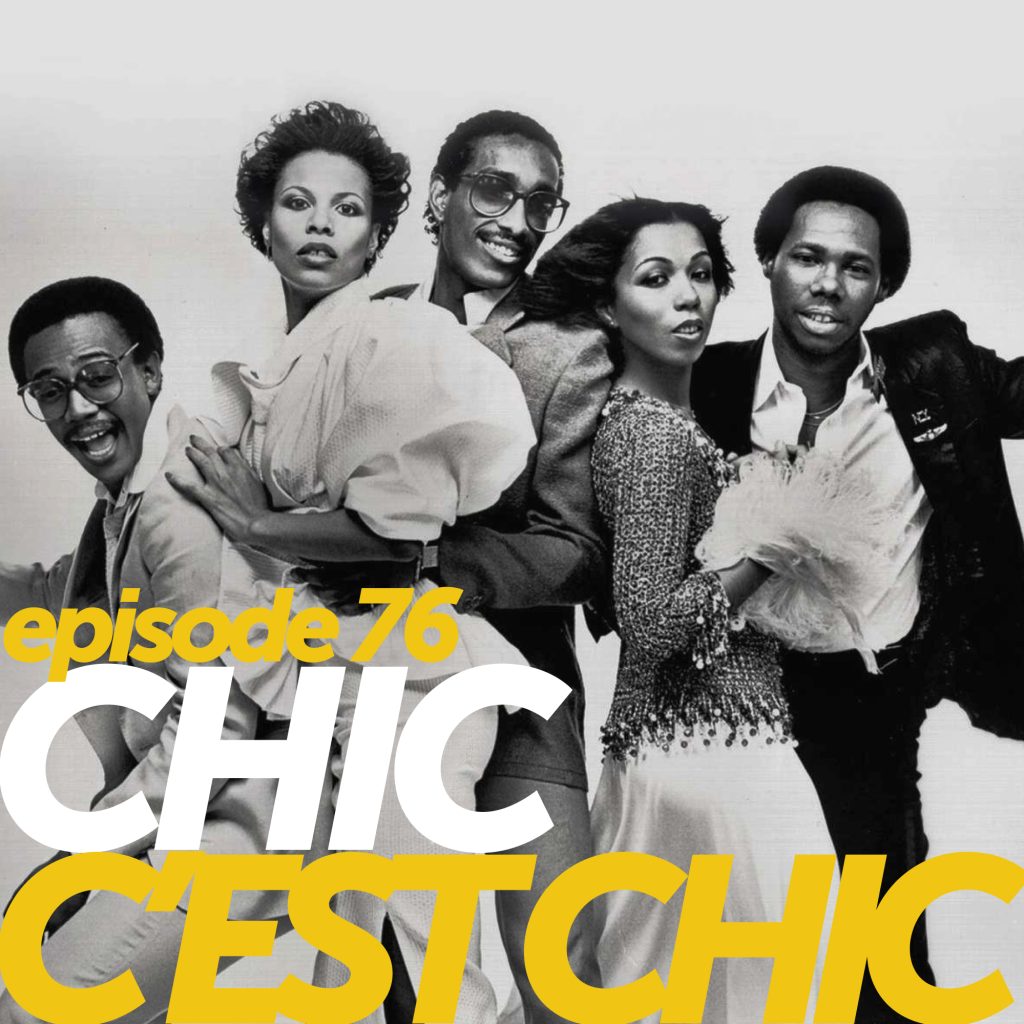
Episode 76: Chic’s “C’est Chic”
This episode’s meaning is neither deep nor hidden: the Nile is a river. To good times, that is. If the savoir faire, stellar musicianship, and seismic influence of Nile Rodgers and Bernard Edwards’ organization don't suit you, then to cite a very wise t-shirt: “disco doesn't suck; you just can't dance.”
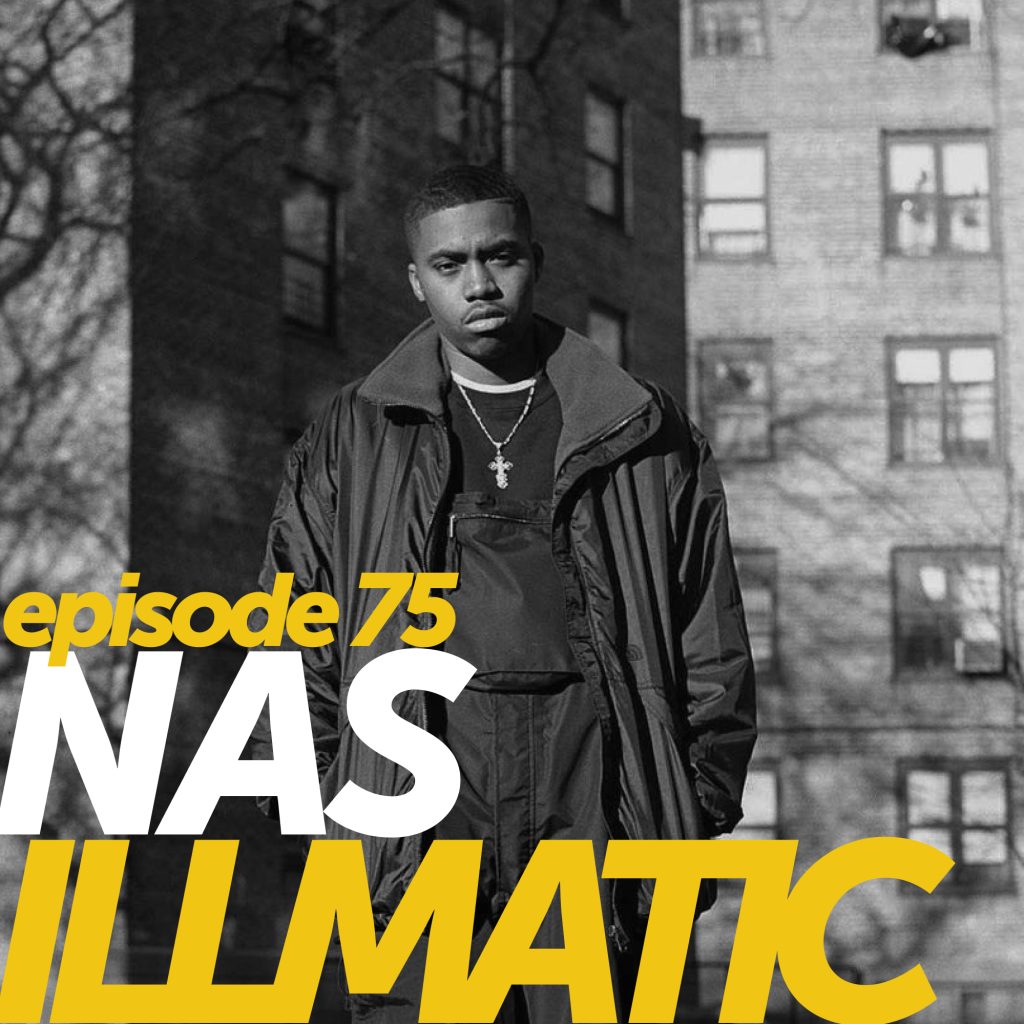
Episode 75: Nas’s “Illmatic”
Illmatic’s impact on hip-hop is a foregone conclusion — one listen and it ain’t hard to tell why. But as we unpacked the lyrical density, the layered samples, and the hyperlocal lens of Nas taking us to the Bridge, we found they represent, represent something deeper in the American mythos and our cultural consciousness. In the land of the free and home of the brave, life may be a bitch, but the world is yours.
Episode 74: N.E.R.D’s “In Search Of…”
It may be true that No One Ever Really Dies, but at the turn of the millennium, a young, wild, and free new wave in culture most certainly came alive. Whether or not you were around and aware in the moment of the Neptunes’ cultural dominance—and the decidedly counter-cultural bomb N*E*R*D planted underground—it's worth the star trek to the 21st century sound and style’s Big Bang.
Episode 73: Odetta’s “It’s a Mighty World”
Odetta — a must-know titan of American music and culture — once noted that young people “learn about American history through battles.” But her dream of liberation was shaped much differently: “I learned about the United States through this music, through the songs that I sing.” As we live through the kind of historical moment that makes most folks want to lie down and die, we can — like many heroes before us, from MLK to Maya Angelou — look to the legacy of 1964 and Odetta for strength to insist upon our lives.
Episode 72: R.D. Burman’s “Shalimar”
Once upon a time in Bollywood, one magical man made enough music to fill a million moments—and made space for hundreds of other artists along the way. Of the 331 scores “Pancham” composed in his lifetime, 1978's “Shalimar” is a uniquely compelling introduction to his technical prowess, transcendent alchemy of cultures, and tremendously joyful love of a life full of song.
Episode 71: Marianne Faithfull’s “Broken English”
“That’s the thing about pretty faces… We don’t expect them to belong to the fighters— the junkies and monks and cockroaches who’ll survive every atomic bomb and suicide attempt and outlive us all.” - Lindsay Zoladz Broken English is searing, singular snapshot of surviving to spite the devils (who’ve gotten far too much sympathy in the story so far). You’ll love it forever with its good and bad weather. We may have lost Marianne Faithfull this year, but not before she outran the darkness. As we close out a dark year and look ahead for light, there’s a lesson to...

Episode 70: Sade’s “Love Deluxe”
Any denier that all art is political need look no further than the smoothed-out soul slipstream of Sade, a group defined by its economics. Rare output, minimal arrangements, reserved volume, and, of course, the premium implied by “Love Deluxe”—a title derived from the idea that true love is among a precious few luxuries that can’t be bought. Our world’s clearly longing for more longing, and we discovered a truly transcendent delicacy as we unboxed Sade’s brand of desire.
Episode 69: Charles Mingus’s “The Black Saint and the Sinner Lady”
When you think of true "artists" in music, who comes to mind? Charles Mingus embodied its romantic ideal, for better and for worse. His magnum opus "Black Saint" is more than even jazz's cosmic form can hold—it's the full-bodied essence of a master composer, peerlessly inventive bassist, and clairvoyant critic of the real America. In it, you’ll find what his collaborator Gunther Schuller called "the widest ranging musics you can find composed by one single human being."
Episode 68: Gang of Four’s “Entertainment!”
“Entertainment!” is described by Gang of Four’s Jon King as “a record about young people smiling and dancing in the face of disaster.” Uh oh, sound familiar? This Leeds-born slab of Brechtian boogie reminds us that to navigate a world where everything is (small-p) political, dancing and dialectics belong together. Free your ass and your mind will follow.

Episode 67: Brooks & Dunn’s “Brand New Man”
This is the tale of two lonesome cowboys who got down, turned around, and went to town catching lightning in a bottle on their first try together. Whether or not their decade-defining country anthems lit a flame in your eye in the 90s like they did ours, Ronnie and Kix offer a lens through which outlaws, in-laws, crooks, and straights alike can look for ways to learn to love again.
Episode 66: Oumou Sangaré’s “Moussolou”
The name "Oumou" derives from an Arabic word meaning "mother of." It is associated with dignity, wisdom, and maternal strength. Southern Mali’s Oumou Sangare has come to embody her namesake for millions around the world, and it all began when she was just 19 years old, channeling the magical music of hunters through her powerful and purposeful voice and creating a moment that captivated an entire country. Hers is a story everyone should know.
Episode 65: Missy Elliott’s “Supa Dupa Fly”
In the words of one of her groundbreaking forebears, “You feel free? You want to try some wild s**t? Thank Missy.” Since the very first frame of “The Rain” entered our eyeballs, Missy has made the avant-garde accessible, pointing us to a future full of more funk and more fun simply by standing fully in the splendor of her space-age self. Come (supa dupa) fly with us back to the moment where Missy’s magic began.
Episode 64: The Cramps’s “…Off the Bone”
God is a woman and she plays the guitar loud … y’all come catch some Holy Ghost in your hips. Hear our hallelujah for the love story of the queen of rock ‘n roll and the mad daddy holy rollin’ on a river—upstream all the way—and boot scootin’ through a fun and freaky heaven and earth of their own design. The Cramps were Dionysian, devilish, dangerous, and damn good, and they remind us that life can be, too. If you can’t dig this, you can’t dig nothin’.
Episode 63: Black Moth Super Rainbow’s “Dandelion Gum”
Life’s a bit heavy to chew on these days, so we reached into the pocket of our mid-2000s jeans and found an old piece of Dandelion Gum to chew on instead. As soon as its neon syrup hits your tongue, you’ll wonder why you hadn't let this "future pop for now people, today" melt you, melt you, melt you yet.
Episode 62: Project Pat’s “Mista Don’t Play: Everythangs Workin”
This life we're livin' is oh so beautiful. Take it from Patrick Houston, who has spread the gospel of the real for three decades, followed by a discipleship that has shaped 21st century culture in his image. For those still alive in 2025 by the grace of God, let us give flowers to the man from the North North.

Episode 61: Grace Jones’s “Nightclubbing”
Not a woman. Not a man. A revolution. Music’s long history is littered with larger-than-life characters whose mythology shapes reality for the masses — and few loom larger than the mighty Grace Jones. “Nightclubbing” without context is a tremendous body of songs worth anyone’s time, but after a deep dive into Grace’s time at Compass Point, you’ll agree that it’s a vital work.

Episode 60: Paramore’s “This Is Why”
The menace and melancholy of modern life have sentenced scores of young people to the gilded prison of nostalgia — but much to our surprise, a band of recovering Southern pop-punks have an antidote. For anyone willing to “sit still long enough to listen to yourself,” their new music’s sharp rhythmic angles and sharper lyrical reflections frame a doorway through which to free our big feelings and forge ahead.

Episode 59: Ennio Morricone’s “The Good, The Bad and The Ugly”
You know that five-note coyote howl. You may even know the classic film it helps power. But what do you know about the man behind those iconic moments? For our final exploration from our 2024 calendar, reflect with us on the genius of a maestro who could make magic with a mere fistful of notes, who poured forth from his soul a foundation upon which much of 20th century popular culture was built.

Episode 58: TLC’s “CrazySexyCool”
Vision. Bravery. Originality. The 30th anniversary of the ATL-exported opus — by the highest-selling girl group of all time — offered us a chance to reflect on all the ways our hometown heroes ran so some of the 21st century’s most iconic artists could fly.

Episode 57: Kendrick Lamar’s “good kid, m.A.A.d city”
Before the Super Bowl, the super beef, the Pulitzer, or PGLang, one good kid and king-to-be sojourned from South Central to the height of the American promise and rained down lightning that united one nation under a groove. You’ll feel the energy of this episode from two planets away — hop in the van real quick and let’s roll out.

TuneDig Episode 56: Cocteau Twins’s “Heaven or Las Vegas”
Dream of ethereal waves of sound swirling around you—and words you can’t make out saying more than you could imagine—as you float back upstream with us toward the warmth of Cocteau Twins’ decade-defining masterpiece, which still ripples across a vast pool of influences 25 years on.

TuneDig Episode 55: Jeff Buckley’s “Grace”
Once upon a time, “your favorite artist’s favorite artist” wasn’t a Midwest princess, but a “mystery white boy” beloved by Bob Dylan and Adele alike. Jeff Buckley’s signature Grace is on the shortlist of transcendent albums every living being should experience, because, as one industry vet put it: “it’s all in there, isn’t it? It’s just all in there.”

TuneDig Episode 54: Botch’s “We Are the Romans”
"We Are the Romans" is a visceral, vital document guaranteed to make you feel something from its first notes — and there’s never been a better time to stop and smell the roses from a group just now getting its long-overdue flowers.

TuneDig Episode 53: Ravi Shankar’s “Three Ragas”
Ravi Shankar lived one of the twentieth century’s most extraordinary lives, bearing witness to—and making—history all around the world. To many (especially in the West), he personified an extraordinarily complex style of music and the cultures from which it was borne, and he worked hard to make it look easy.

TuneDig Episode 52: Alain Goraguer’s “La Planète Sauvage”
Gather ’round, sommeliers of the strange and crate-digging boogie children, for something “Strange! Frightening! Fascinating!” awaits. The soundtrack to Cannes 1973’s Jury Prize-winning film is a dazzling, surreal, avant-garde hymn to cosmic knowledge and compassion and a secret handshake among real heads. If you’re after a trip to a new dimension, here’s your one small step for man.

TuneDig Episode 51: Marvin Gaye’s “I Want You”
Marvin Gaye’s well of soul power ran mighty deep, and deep into his career, he pulled up a bucket of ice-cold, silky smooth champagne called “I Want You.” Come for the lush instrumentation, vocal harmonies, and Leon Ware clinic; stay for the stories. For our return from hiatus, we observe a titan in his element, reflect on the pain that built him into one, and consider how to reconcile our feelings when complicated messengers deliver beauty to our door.
SEASON 6

TuneDig Episode 50: Funkadelic’s “Maggot Brain”
Before uniting one nation under a groove, the lysergic lords of chaos in Funkadelic harnessed wild lightning into an amulet called Maggot Brain, bestowing the bearer with raw, dark power stronger than any force known to man. Between reaching our 50th episode and coping with the “maggots in the mind” of today’s universe, it felt like the right time to free our minds. We hope y’all’s asses will follow.

TuneDig Episode 49: Alice Coltrane’s “Journey in Satchidananda”
The story of Alice Coltrane — an accomplished bebop pianist from Detroit who transcended into something far greater before walking away from public life altogether — is a glimpse into what it means to be truly free. Alice’s masterpiece "Journey in Satchidananda" is a cosmic dance that sparked creation from destruction. And in a time when we’re all desperately searching for a spark of meaning and hope, Journey abides abundantly.

TuneDig Episode 48: Heart’s “Little Queen”
Take a moment to appreciate Ann and Nancy Wilson, who kicked down the doors of rock ‘n’ roll’s boys’ club with their peerless guitar work, soaring soul vocals, and tight songcraft. 1977’s Little Queen — an oft-overlooked gem in the classic rock canon — offers a snapshot of those elements at their most urgent and pure, powered by the Wilsons’ simple motivation (as described by their producer): “It was a war.”

TuneDig Episode 47: Tangerine Dream’s “Phaedra”
When you think of “electronic music,” what comes to mind may not be a genre you deeply love — hip-hop, house, new wave, or even dub reggae — but all of it owes some debt, scientifically or otherwise, to Tangerine Dream. Dig in with us as we study a prime example of the band’s brand of effortful innovation, where they patiently and persistently labored at the cutting edge of electronic technology to open a portal to new worlds in our minds.

TuneDig Episode 46: Olivia Rodrigo’s “SOUR”
Did you catch one of 2021’s biggest albums, or like us, did you almost overlook it? If you have any expectations of pop music, "SOUR" will likely subvert them. Teenage dream this is not; it’s an exquisitely universal portrait of a weird time to be alive.

TuneDig Episode 45: Fela Kuti’s “Expensive Shit”
The story of Fela Kuti — one of the most famous people on an *entire continent* passionately struggling to liberate power to more people — is absolutely one worth deeply knowing, regardless of whether you find yourself drawn to Afrobeat or (cringe) “world music.” But once you know it, it’s almost impossible not to fall in love with Fela and Afrika 70 as their revolutionary grooves rewire your brain in magical and meaningful ways.

TuneDig Episode 44: Meshuggah’s “ObZen”
Meshuggah’s ObZen—an artifact of human creativity pushing the limits of what’s possible—will quite literally make you hear music differently. If you’re looking for a new musical adventure, and especially if you don’t think you like “heavy” or “weird” music, consider this your sign to push past your comfort zone.

TuneDig Episode 43: mewithoutYou’s “Catch For Us the Foxes”
A misunderstood wise man once said “Let him who seeks continue seeking until he finds.” In our most personal and vulnerable episode yet, we do some seeking through the lens of songs that fill us with the bravery and sincerity to love ourselves and others fully. Dig deep with us as we fish for words about our tiny place in the universe and dance with gratitude for our ability to do so.

TuneDig Episode 42: Erykah Badu’s “Mama’s Gun”
Y’all tryna raise your vibrations? Erykah Badu is here to help. Season 6 kicks off with a meditation on realness and what being on “your own wavelength” really means. (Spoiler: it ain’t a single frequency — it’s a whole spectrum.)
FRIDAY HEAVY
For lifelong headbangers and the musically curious alike, a new podcast from TuneDig is here to push your palette with aggressive, abrasive art. Each short, fast-paced episode offers (1) a new metal, punk, noise, or experimental release we recommend, (2) a related playlist we’ve curated, and (3) a heavy issue to consider and an organization doing something about it. Join us in the void.

Friday Heavy: End of Year Review 2022
It was a great year in heavy music. In this episode, we look back at all the new releases we featured and the curated playlists they spawned.
It was a NOT great year in many other ways. We leave you with a parting message of encouragement to connect your energy and angst to on-the-ground organizations doing the work in your community.


Friday Heavy: November 11, 2022
This week, we discuss:
- He Is Legend – Endless Hallway
- Curated playlist sussing out the depths of He Is Legend’s roots, weirdness, and attitude
- Protect Our Winters (POW)

Friday Heavy: October 28, 2022
This week, we discuss:
- Witch Fever – “Congregation”
- Curated playlist of eclectic, high energy that might get your inner goth stoked on (briefly) going out
- Housing Justice League

Friday Heavy: October 14, 2022
This week, we discuss:
- The Lord † Petra Haden – “Devotional”
- Friday Heavy playlist densely packed with thick, meditative vibrations across the spectrum of drone
- Multidisciplinary Association for Psychedelic Studies (MAPS)

Friday Heavy: September 30, 2022
This week, we discuss:
- Escuela Grind – “Memory Theater”
- Friday Heavy playlist dedicated to the absolutely fucking hostile energy that powerviolence can bring to radical inclusion
- Zealous

Friday Heavy: September 16, 2022
This week, we discuss:
- Holy Fawn – Dimensional Bleed
- Friday Heavy playlist showcasing the incalculably extensive and wildly diverse Shoegaze Cinematic Universe (aka post-rock)
- MTB Atlanta

Friday Heavy: September 2, 2022
This week, we discuss:
- The Callous Daoboys – “Celebrity Therapist”
- Friday Heavy playlist confronting the under-appreciation of Atlanta’s heavy and weird music scene
- Mississippi Rapid Response Coalition – Water Fund

Friday Heavy: August 19, 2022
This week, we discuss:
- Osees – “A Foul Form”
- Friday Heavy playlist fuzzed out on oddball punk that smells like cigarettes just thinking about it
- Women on the Rise GA

Friday Heavy: August 5, 2022
This week, we discuss:
- Chat Pile – “God’s Country”
- Friday Heavy playlist with, uh, a bunch of very pissed off songs directed at christofascist terrorism
- The Grocery Spot

Friday Heavy: July 22, 2022
This week, we discuss:
- WAKE – “Thought Form Descent”
- Friday Heavy playlist that anchors its sound in modern production of sludge, blackened death, and post-metal
- The Planetary Society

Friday Heavy: July 8, 2022
This week, we discuss:
1. Vomit Forth – “Seething Malevolence”
2. Friday Heavy playlist that’s unsettling in the best way, leaving you feeling a little off your axis
3. Trees Atlanta

Friday Heavy: June 24, 2022
This week, we discuss:
1. CANDY – “Heaven is Here”
2. Friday Heavy playlist packed with off-the-beaten-path punk and hardcore from bands that deserve space on your battle jacket
3. Round Rock Black Parents Association

Friday Heavy: June 10, 2022
This week, we discuss:
1. Sasquatch – “Fever Fantasy”
2. Friday Heavy playlist of heavy grooves for late desert nights and hazy generator parties
3. Feed Buffalo

Friday Heavy: May 27, 2022
This week, we discuss:
1. Decapitated – “Cancer Culture”
2. Friday Heavy playlist stacked with bands putting their unique and modern spin on (occasionally tech) death metal
3. PropelATL

Friday Heavy: May 13, 2022
This week, we discuss:
1. Primitive Man – “Insurmountable”
2. Friday Heavy playlist full of SLOW, enveloping, massive and crunchy tone and big feedback
3. National Network of Abortion Funds

Friday Heavy: April 29, 2022
This week, we discuss:
1. Heriot – “Profound Morality”
2. Friday Heavy playlist packed with mid-tempo, huge guitar tone, big atmosphere and lots of industrial grit and grind
3. Invisible People

Friday Heavy: April 15, 2022
This week, we discuss:
1. Greyhaven – “The Bright And Beautiful World”
2. Friday Heavy playlist for fans of more choatic + melodic combinations
3. Campaign for Working Families

Friday Heavy: April 1, 2022
This week, we discuss:
1. Meshuggah – “Immutable”
2. Friday Heavy playlist full of high quality Meshuggah aping that AIN’T “djent”
3. The Bail Project

Friday Heavy: March 18, 2022
This week, we discuss:
1. Soul Glo – “Diaspora Problems”
2. Friday Heavy playlist with 20+ songs in under 40 minutes, (almost) all under 2 minutes each
3. Equality Texas

Friday Heavy: March 4, 2022
This week, we discuss:
1. Vein.fm – “This World Is Going To Ruin You”
2. Friday Heavy playlist exploring more of Will Putney’s work
3. Books to Prisoners
SEASON 5

TuneDig Episode 41: Miles Davis’s “Bitches Brew”
Let’s be clear: "Bitches Brew" is a challenging record, even to some of the best musicians in the world — but all of them say it’s worth the investment. It’s the kind of trip that, even if we *could* draw a map, it wouldn’t take you there. Let go of the need for meaning and enjoy the ride with us. We can promise you’ll be pleasantly surprised where you end up.

TuneDig Episode 40: Fiona Apple’s “Tidal”
On the heels of one of 2020's most acclaimed albums — Fiona Apple’s Fetch the Bolt Cutters — we revisited Apple’s debut Tidal and wound up working to extract ourselves from the mostly male gazes that made its reception … much different. We arrive at a question much like writer Jenn Pelly had: “People would constantly prod Fiona on how an 18-year-old could write songs as mature as these ... Why did they not ask instead how she became a genius?”

TuneDig Episode 39: Death Grips’s “The Money Store”
The modern world is accelerating beyond our control, shaping our reality in ways we can’t yet perceive or understand. Enter Death Grips, an art project capturing the chaotic energy and illustrating the absurdity of our hubris in trying to harmonize the surreal and extremely real — never more perfectly than on 2012’s prescient "The Money Store".

TuneDig Episode 38: Augustus Pablo’s “King Tubbys Meets Rockers Uptown”
Reggae music is easy to take for granted, but its impact is underappreciated and massive — in the case of dub in particular, everyone from Radiohead to Johnny Rotten to Run-DMC owes it a debt. Augustus Pablo and King Tubby together created what’s regarded as “one of the finest examples of dub ever recorded.” Join us as we dive into the culture, history, and unique engineering experiments that made it possible.

TuneDig Episode 37: Rihanna’s “ANTI”
By every measure — sales, awards, chart-toppers, global name recognition — Rihanna is objectively as big as the Beatles ever were. In fact, ANTI is so big it’s still on the charts, a record five full years later. Take a closer look with us at “the record you make when you don’t need to sell records”, and get a taste of the true freedom that comes from focusing on your inner voice when faced with insurmountable expectations.

TuneDig Episode 36: Son House’s “Father of Folk Blues”
All American music traces back to the blues, and deep at the root sits Son House. That the recordings on "Father of Folk Blues" even exist is something of a gray area that cuts to the heart of the great American myth, but wherever you land after hearing these stories, you’ll find that what matters most is what the great Muddy Waters once said of House: “That man was the king.”

TuneDig Episode 35: Melvins’s “Stoner Witch”
The futility of describing the Melvins has stretched critics in the direction of absurd words like “Dadaist” for nearly 40 years now. They’ve belligerently flogged any attempt to pinpoint their essence simply by being themselves, but "Stoner Witch" remains a reliable mall directory for the Melvins’ vast and wild discography. Grab yourself some pretzel bites.

TuneDig Episode 34: Dolly Parton’s “Jolene”
We should talk about Dolly the way we talk about Prince. Her extraordinary kindness and unique kitsch both make her universally loved, but what gets left out of the conversation is the very thing that made her famous: the music. Join in as we focus attention on the sonics and songwriting of the low-key masterpiece "Jolene".

TuneDig Episode 33: The Allman Brothers Band’s “The Allman Brothers Band”
Six enlightened rogues out of Macon, Georgia birthed an entire genre simply by being their soul-powered selves. We have not come to testify, but we’re still hung up on the dream The Allman Brothers Band helped us see. By the end of this episode, you will be, too.
TUNEDIG RADIO


SEASON 4


SEASON 3


SEASON 2




SEASON 1


BONUS TRACK EPISODES

BONUS TRACK: How We Got Here
We got a bunch of interesting listener feedback in our off-season, and it encouraged us to shed some light on why we do things the way we do ‘em. Also, we reflect on our first writeup, which was ... interesting.
WHO WE ARE
We're Cliff (right) and Kyle (left). We’re two dudes born and raised in ATL with day jobs in tech and sustainability, respectively.
We met in middle school, and in one way or another, music’s been the thing that’s kept us close for the two decades since — whether it’s sharing and talking about new music (like this podcast, except in our texts or over beers), going to shows, or working with our favorite record stores to help them survive and thrive.
We started TuneDig as a little art project that connects us more deeply ourselves and to the world through the infinite gift of music. We hope you’ll join us for the conversations, let us know what you think, and share discoveries of your own.
More About TuneDig
TuneDig began as a little something called MusicGrid.me, which we created after realizing there was no place online to directly exchange music recommendations with your friends. Our aim was simple: to make rating albums simple, useful, and social. We got some love from places like Mashable, Wired, Evolver.fm, and Hypebot. We managed to foster conversation between music lovers, get thousands of reviews, and meet great people.
Along the way, we realized that record stores were an essential part of the music lovers’ community. After many a conversation about how we could helpfully connect them to the people who loved them, we began helping them leverage technology to create new revenue streams and embrace streaming services without giving up what’s unique to them: expertise and curation. (Long live the counter clerk who knows exactly which record will be the right introduction to jazz fusion!)
TuneDig is our vision to connect music lovers with the music they love, because no matter how much has changed in the way we discover and enjoy music, recommendations from people you trust and respect will always be the best way to find new music you’ll dig. With this podcast, we’re channeling the spirit of trusted curation pioneered by record stores, and bringing you something to take you deeper into music you can love.