
TuneDig is an in-depth and informed conversation between two lifelong friends about the power of music — one album at a time.
In each episode, we go down the rabbit hole to spend a while in the strange world we discover. We take an honest look at creativity in all its complexity—from writing and production to history and cultural impact.
We promise you’ll learn something new every time, no matter how much you already love the album we explore.
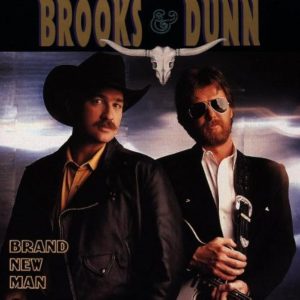
Episode 67
Brand New Man
Brooks & Dunn
This is the tale of two lonesome cowboys who got down, turned around, and went to town catching lightning in a bottle on their first try together. Whether or not their decade-defining country anthems lit a flame in your eye in the 90s like they did ours, Ronnie and Kix offer a lens through which outlaws, in-laws, crooks, and straights alike can look for ways to learn to love again.
Transcript
Cliff: Today we’re talking about Brooks and Dunn’s Brand New Man.
Kyle: Well, buddy, we’re way down yonder on the Chattahoochee and it is in fact hotter than a hoochie coochie. do you wanna talk about?
Cliff: You ain’t play anything after that, did you?
Kyle: I sure didn’t. Mm-hmm. It’s the heat. I’m just gonna settle for a burger and a grape snow cone and, uh, we’ll see where it goes from there.
Cliff: Today we’re doing a YouTube challenge. Can two guys who don’t like country that much and actively dislike it in its modern form, tell you how much they like this old country record, and if they don’t, their family will lose all of its money.
Kyle: Okay, Mr. Beast, we put two guys in a coffin to talk about the genre that used to talk about death the best, and now won’t face it at all. Let’s see what happens.
Cliff: We put two guys who couldn’t launch a solo career into a coffin, and they turned into brand new man.
Kyle: I like the thought of it being about resurrection. One of them also has a red beard. Coincidence.
Cliff: You two must be recreated as one duo that everyone likes more
Kyle: tuned to conspiracy theories. you’d never see Ronnie Dunn and Kyle Stapleton in the same place. What’s that about? it’s them. It’s the global elite
Cliff: it’s fine. It’ll be our most contradictory episode anyway.
Kyle: you gotta grow your mustache out so you can be kicks. Brooks, can we do, let’s do that for Halloween and I’ll come to where you are.
We’ll, we’ll do
Cliff: If I could grow a good mustache, I would’ve sported that already in my life, but it doesn’t come out looking the right way when I try.
Kyle: Damn. Also, I, I’m a huge country fan and you know that I’m a huge country fan and you have laughed since we were children about what a huge country fan I am driving an old Ford pickup truck walking around barefoot all the time. My whole God-given life and rocking this music very loudly a lot of the time.
I’m a country boy I drive a pickup truck that has a license plate frame that says, what would Waylon Jennings do? a bumper sticker on the back that says, less honking, more Tonkin. So I’m not saying that I’ve been waiting all my life to talk about Brooks and Dunn to anyone who will listen, but I’m not not saying it.
Cliff: This album Will for sure, with all that being said, be the place where we can Capital m meet in the middle about country, because this is kind of the only slice I can ride anymore. And it’s part of the reason this album was on the music calendar to begin with. But also we knew that we both liked this record a long time before we ever had to make any decisions about that.
and we will spend the rest of this time talking about why, ’cause it’s real clear and simple and direct. And that’s real nice. Just a nice, uncomplicated “this is good, actually.” And then let’s try, not only from 1991 when this was launched, but also. I’m gonna pre elaborate on my own thought process here, but I hope that we can cover what country was up until 9/11. Um, at which point, Toby, Keith and a lot of other folks began taking this in another direction that I think ended up in the place where you don’t like the implication very much and I’m right there with you. but there was a special time, especially in the nineties, where the shit was kind of cool actually, and a lot of these songs were really interesting.
And we’ll also talk about too, like some of these are really high quality recordings, really good musicianship, really cool songwriting, and like details that are worth seeking out in this record that isn’t universally applicable to everything in this genre. For sure.
Kyle: I’m preoccupied with the, cold name check of 9/11 in the first five minutes, and well, I’d like to let all the listeners know that we have sort of a running joke. Not joke. maybe a serious idea. if we find a briefcase full of money, tune dig merch.com and we’ll say, this idea is for td merch.com, but I just immediately in my head visualized a, why does this suck Magic Eight Ball?
And the choices on the die inside the Magic eight ball are slavery, Reagan and nine 11. I’m filing that away. Anyone can, yeah. That’s an open source idea. Anyone can have that one. We just wanna see it get made.
Cliff: You can definitely do the seven degrees away from any of those three things to anything that we’re ever talking about.
Kyle: Yeah.
Cliff: probably more like two degrees actually.
You said Reagan was one of ’em, right? Yeah.
Okay. Yeah. yeah, yeah.
Kyle: Yeah.
Cliff: There weren’t all of the, all of the people who were listening to this. Out of curiosity, because we covered a country record, goodbye.
Kyle: but I love Toby Keith too. And, you know, you said Meet in the Middle. I mentioned Chattahoochee. This really was a golden era, both for country and hip hop. And I, I hate to be like, man, it was so good then. I don’t generally like getting hung up in the amber glow of nostalgia at all, but. You’re right. It is good just to feel good and we take on so much challenging stuff in this podcast that I sometimes yearn for the simplicity of this album and everything that it represents to my life.
And like that’s kind of okay as long as it’s, you don’t make it your whole personality as long as it’s a percentage of the pie. But that reminds me that Toby Keith really was good in that time. Should have been a cowboy.
Cliff: Yeah, yeah. Yes.
Kyle: was one of the bangers.
Cliff: Uhhuh, Toby Keith
Kyle: don’t sell it out for the man, man.
Cliff: I feel like
Kyle: At least Alan Jackson did the sad nine 11 song. He didn’t do, he didn’t do the Islamophobic
Cliff: were you? Yeah,
Kyle: Yeah, yeah, yeah. Newnan, Georgia’s own, baby! Southside ’til we die.
Cliff: That was exactly the moment though in American culture where like this happened. Alan Jackson wrote a song and then South Park did a parody of that song all in like a straight line, and it was like one giant cultural phenomenon, and then Team America and everything
Kyle: I forgot about the South Park Allen Jackson song.
Cliff: You never will again. I.
Kyle: sir. A Second American Patriot song. Is it the Tower? I’m really sorry to anyone who’s a fan of either of these guys who, seem like fine enough guys that we, we devolved into this immediately. But I also feel like that’s, kind of the point. ‘ cause the other way that I wanted to go with this was, attention all people that are like, I like every kind of music except country and rap.
and just like immediately reveal that you’re some kind of weird, racist, classist person in a coded way and just sends the same fucked up signals as an in this house we believe yard sign. you know, we just talked about Project Pat and what fans we are of that, and we’re about to talk about what fans we are of this.
so when I die, cliff, I just would like for you to play the audio from this. Just like, stop being a dick about that stuff. Just moratorium on, on saying that if you got a weird, like identity politics thing within any genre of music, you’re a loser. You’re an absolute loser. If you close yourself off from any section of humanity, you’re a loser and you, don’t deserve the miracle of life that you’ve been given. Boot scooting Boogie. Anyway, this would be a real good time to get a cold beer. just lighten the mood back up. Just,
Cliff: I would, if I could handle it these days, we don’t need to lighten the mood. Okay. We go straight into the chorus on this album. why not go ahead and get messy in the first 10 minutes of trying to talk about this? Because the whole, to me, a big chunk of country to begin with.
It’s just there is a contradiction at every step in turn that you take. It is music that came from another place. Even though it disavows the history of its own genealogy and musical cultural history and lineage, it pretends that things don’t exist. Moves forward is generally and generically ruined by American white people on a regular basis.
country music is weird. It’s also full of awesome shit. We’ve talked about Sturgill Simpson and the run that he’s been on for the last 10 years, which is standout and different and is directly connected to outlaw country and everything that we talked about. Which parts of this, uh, Brooks and Dunn record, we can point to outlaw country as well.
So like there is stuff that is still happening that is based in all of the, like. I guess at this point it would be neo neotraditional, country music. there’s Casey Musgraves, there’s other artists who are doing really interesting things. So just like anything else, the fact that we’re talking about this record is not only a sign that we like it actively ’cause we’re telling you that we do, but also is an exercise in trying to just like do the thing that we like to do where it’s like, take the thing off the shelf, hold it up, turn on a bunch of lights and look at it for all that it is because it’s weird that this record ever existed.
1991 Country was weird. The fact that it took over pop the way that it did, the way that it evolved and devolved the phenomenon of Brooks and Dunn as an artistic duo in general, it’s all just like weird. and it’s cool to talk about because to the point that you’ve made, we just like it and we can use all of our discipline and skillset that we use to critique and evaluate important music like the last record that we talked about.
And at the same time, we can come back to something like this and I can just put Neon Moon on repeat and I can sing it to myself 13 times in a row however I want to because it’s fun and because it’s maybe one of the best songs that’s ever crossed in front of our ears.
Kyle: I love that. That’s a place that we converge. It really is the perfect song. It, it can’t be beat. And we’ll get into that. You’re right. Cliff, uh, point rescinded. What kind of cowboys would we be if we didn’t get any mud on our boots? We’d be the kind of people that want to tell you they’re cowboys right now in 2025 with their very big trucks, with their $1,500 a month payment.
you, watch ’em get out, expecting to be a big guy and they have to jump away down. Wow. You’re a, you’re a small guy. Can you see over the wheel?
Cliff: I have seen all size people come out of those things, okay. But point taken. I will say, in sincerity, my current favorite travel game to play, with my partner who enjoys this as well, is me telling her how expensive the trucks are that we pass. Just like, no, no, no, for real. Nope, for real. That’s like a six figure truck.
Like that truck is. Yes. That truck. Why? You see those extra letters they put on the back? That’s why Yes, I am driving a $5,000 car, judging them. So that’s my boot. Scoot Boogie.
Kyle: Private equity ass truck from a guy who can’t spell equity.
Cliff: So on top of liking this record and having it be our sort of. Nexus throughout country together. it’s also just like, like to point this out when this is true about albums for us, for sure. We’ve gotten away from just like reading the Wikipedia page right at the top of the episode or whatever, but like, it’s very important to communicate.
This album was wildly popular. It’s like seven times multi-platinum. Okay. had, four singles right off the bat, right? Brand New Man Boot Scoop Boogie, my next Broken Heart and Neon moon.
Kyle: Four number ones out of 10 songs, 40% of the songs they made for this. Again, their first record went to number one in 91. This is right around the same time as nevermind.
Cliff: Right?
Kyle: the country is not going in this direction vibe wise. So very, like, very important to contextualize it sort of in the world that it’s in.
Cliff: And to further contextualize how much of an abrupt shift that was, they were the second group, the second country group, to have a number one non-country single, like a generically number one single, the first group to do. It was right before that Diamond Rio. Uh, I start walking Your Way. That song. Which, for what it’s worth, I would not necessarily spend an entire episode going into Diamond Rio, but that song rules
Kyle: That song’s so good.
Cliff: just a normal straight down the middle. This is how a good song sounds. But anyway, so like, that was like a wildly popular song, but there’s like 1900 people in Diamond Rio. It’s like the fucking polyphonic spree.
so this is just two people doing the equivalent, and immediately going to number one. And then again, like you said, like the four number one singles from the same record, from a debut record, which like on every count, you mentioned one of the things you mentioned, probably the first record we’ve talked about that goes straight into the chorus of the first song.
Kyle: I don’t think we’ll ever cover a record again that opens with a chorus. that’s an insane move. I remember a Dave Grohl interview where he talked about that being the genius of Aerosmith. cause he was like, boom, Janie’s got a gun. Boom. Loving in an elevator, loving in an elevator, loving in an elevator, loving in an elevator verse.
Love in an elevator a hundred times. Don’t bore us. Get to the chorus like it’s a crazy move. Also, this record is 30 minutes long and it’s got 10 songs, so it’s like tight. I know people talk a lot about songs getting shorter now in the TikTok era, but 10 songs at 30 minutes and four of ’em are number one hits like buddy.
There’s just something to it with the human attention span. There was no internet when this came out, but you bet you’re ass that sub three minutes works.
Cliff: Yep. And we’re just gonna keep dividing up and looking at the complexity of all the cool shit that happened on this record. So then inside of those four, number one singles, which themselves were like a huge phenomenon to begin with. Each one of them effectively features a different side of country’s genre splitting That was happening exactly right then.
So like brand new man is, and we’ll talk about this more, but like, it’s a very straightforward, you mentioned Nirvana timing, it also has a lot of U2 influence
in it. It sounds like early nineties rock being kind of like pressed down production wise on a country song. So like brand New man has that, but it also has that chorus and hook that it immediately goes into and makes no qualms about immediately going into that.
And then Boots Scooting Boogie is the next one, which like effectively kick starts line dancing as a phenomenon for people.
Kyle: Why’d the nineties Love dances so much like this and the Macarena, it’s strange times. I ain’t mad at it, but it is a little hallucinatory.
Cliff: we did dance a lot. Then my next Broken Heart, I actually saw in, in one of the, the interviews that they talked about that my next Broken Heart couldn’t go first specifically because it was a traditional country shuffle and they didn’t want that to be the first single because it kind of wouldn’t click.
they had concerns getting airplay because like. as a sort of reminder for how radio worked, it’s not just like a meritocracy the way that everyone imagined things to be. you had to get songs on the radio. So not only did the singles themselves had to be really good to become a breakout single from country music to begin with, but like someone is doing a lot of coordination and work to get that done to begin with.
So then they talk about that my next Broken Heart, because it’s more traditional, had to be a later single, even though they knew it was great ’cause they had to write on the current success that they would have from those other singles. And then they drop Neon Moon, which is a ballad. And I’ll go ahead and just say I don’t think, like moment zero all the way to the very end of this record is completely strong and as awesome as every other part of it.
I think there are standout tracks and standout aspects of tracks. but for those four. Genre angles to be hit with such success, precision, great production, good songwriting, catchy hooks, all that was, I mean, it was like masterclass level stuff, which itself was surprising because these two guys were like, people love to throw around the term industry plant.
these guys were put together by a recording label. they were two differently successful people who had not made it as an independent artist. They were connected together and then, they would actually go on to talk about how they, they never super understood that very well or like necessarily got along super well all the time.
And yet it worked. Like something about it worked and especially their live performance did. And there’s just some magic in this relatively simple country album from two people who got together and figured out how to make things work really special. and it made a through and through fun and enjoyable country honky tonk record.
Kyle: Yeah. you said a lot of things I totally agree with. I would click into a couple of things. One thing that I had never really thought about as an avid listener of this record, who has an old copy of this cassette in his truck, that he like it it’s legit. I listened to it so much that the cassette warbles, it’s got the heat warbles, so it will probably disintegrate at some point soon.
I had never considered the rock influence, you know, which sounds crazy to say, say out loud ’cause there’s clearly some really rocky stuff. but also in one of the interviews, one of them said of the other, he had some stuff that sounded kind of eagles to me and I saw the Eagles get invoked a lot.
Another band that really goes for the chorus and does similar stuff where it’s rocking but light. can’t talk about this era of country without talking about Garth Brooks, who’s another similarly huge person and a very interesting phenomenon. And unlike Diamond Rio, somebody we could probably spend a lot of time talking about, because he’s made a lot of really interesting choices in his career.
But in that search for, rock bands like Brooks and Dunn and trying to think about that uneasy thing where, you know, musically maybe there’s some similarities, but the posture is very, very different. You know, the, presentation of the people and somebody mentioned kisses influence on Garth Brooks as an arena performer and how the country star as an arena performer and kind of a rock star and, and figuring out how to be a country musician in a down to earth genre at that scale and entertain and electrify people, you know, in the biggest sort of stage for it for a long time was like the Opry or the State Fair or the Johnny Cash Show or whatever, like it, it’s interesting to think about this genre and again, I think hip hop is an interesting foil and we’ve talked a lot more about hip hop.
I was thinking about Tribe ’cause Tribe is another early nineties thing here, and thinking about this as just a cultural inflection point for a lot of groups and types of people in America. How everybody was trying to figure out how to change as the world around them was changing. And Brooks and Dunn is another example.
The second thing is, I totally agree with you that this is not the pound for pound best record that we’re gonna cover or that we have covered. it is however inherently repeatable because there’s enough slappers on here. There’s four absolutely A plus plus five star five Mike songs on this for sure.
The singles are the best songs. Without question. There’s another two that are like b plus. I don’t think there’s a c song on this, but the quality of the singles makes the other songs where you’re like, no, all right, this is fine. You know, there, there is a bit of like filler and, and we can get into how maybe, Ronnie Dunn is a bit of the, the heat and uh, kicks Brooks is the meat or whatever.
that was a strange analogy. One’s the sizzle, one’s, the steak. I don’t know. They’re both really good, but like Ronnie Dunn is clearly the better vocalist. Interestingly, that really rubs, kicks Brooks the wrong way. I’ve never really thought of either of them as superstars.
I’ve only ever thought of them as the duo. So digging into them. Having egos about themselves this whole time, but quietly kind of took me aback. You know, I was like, like Uncle Rico saying, he could have gone pro if coach had put him in, but you know, these guys have had this great superstar career and they seem really low key.
But there was a lot about that dynamic. They’ve been so familiar and comfortable to me my literal whole life that it was interesting to think about them in the way that we try to unpack and explore a lot of these artists. But I was trying to think about like, sports team analogies with these songs.
If these songs were a sports team, you know, are they like the Tim Duncan Spurs, or are they like the early Laker? You know, I, I’d get the analogy wrong for sure. Somebody who thinks about sports stuff would know better than me. But it is like a handful of player. Everybody’s really solid, but there’s only so much MJ and Scottie Pippen to go around, but it does carry them to championship weight. Nobody’s bad, everybody’s solid. But relative to Neon Moon, no other song can be the best song you’ve ever heard. Once you’ve heard Neon Moon, you know what I mean?
Cliff: One of the reasons that’s true, which is worth saying out loud here to the production is so good. It’s, it feels ahead of its time. Uh, especially listening, listening to anything from 1991 right now and going that sounds like today is shocking generally. Um, but especially for a country record that was turning the corner before a lot of the rest of country music was and found a way to inject, again, probably rock based production sort of into country to, to bring out, uh, some of the different tones than we had heard kind of before that.
and the way that country sounds now, I would argue is a bit different. You can even listen to the, Speaking of things we have mixed opinions about maybe they did some reboot, uh, albums as they’re called, uh, where they rethought some of their songs with modern country artists, uh, and as exactly you would expect, right?
I would, you know, point you directly towards the Casey Musgraves involved song and directly away from most of the other songs, that involve other people, because they’re the production. Actually, how do I wanna say this? The listening to the reboots was helpful to place the production of Brand New Man in the right Spot for me because it highlights that those songs aren’t just kind of one trick ponies that trickled through.
They’re not just okay songs that weren’t produced super well, but they made it work because of that album, or because something got popular and it wasn’t just production, it wasn’t just this or the other. Like when you start changing too many variables, like the songs are not very good anymore. It was instead like a hundred percent on a lot of really important parts, including the production.
And then something that I hope we’ll talk about some more for sure is like the musicianship of the session players, specifically on this record, were, were. mind blowing ho honestly, uh, is, is probably the best way to put it. And we can give you some ways to go into this record and listen to particular songs where I can like, spin the globe, put my finger down and be like, this is where you can hear it, for sure.
so seeing all those things come together makes this a real to use your phrase, Kyle Lightning in a bottle type thing that doesn’t happen very often, hasn’t really happened so much again. other than, you know, like you brought up, like Garth Brooks took some of this in a particular direction, but the combination of things that were happening and the newness of them to American culture, uh, and, and Canadian culture also where country music is huge and was huge, was fairly unique to this moment and is one of the reasons it’s worth talking specifically about this record and some of the ones that were around it.
Kyle: Yeah, Nashville. The idea, not necessarily the physical place, was really in its bag in this moment.
I do wanna start getting into the songs, but I think it’s interesting, the personnel bit of it you touched on. The musicianship and the production both being really good and, you know, you can go look through some of the interviews and there’s not as much sort of source material as I would’ve wanted, which just continued to reinforce that they’re kind of low key.
there’s just not as much critical reflection on this group as I would’ve liked, which, you know, probably speaks to the, the pot bit of it and the easygoing bit, but I do think some critical examination would be really nice. but they talked about how there’s this like right place, right time, right players type of thing.
They, they got what were considered demo guys, you know, like not the biggest name hired gun session guys that you go out and get. they got like, I guess the B grade pickers in terms of day rate or something, but they turned out to be sensational. Um, and went on to do a bunch of stuff and they, one of them said, I think Ronnie Dunn said, you know, we should have taken them out as our band we damn sure couldn’t afford to do that now.
but. it was a bit of a magical thing. And then also on production, they had Scott Hendricks come to record some demo stuff for some early stuff. And then he wound up doing some production on this record. but he was fresh off of Alan Jackson. It was like his second big thing. He worked with a group restless heart, and then he did some banger Allen Jackson stuff, which I’d also put in this category.
chasing that neon rainbow here in the real world, don’t rock the jukebox. Wanted all incredible nineties country classics chasing that neon rainbow. two neon songs from the early nineties in country music. Two of my all time favorites of the genre. but you know, they didn’t get the biggest guy ever.
it’s all very interesting because in other genres, genres or new movements or whatever crop up all the time because people come out of nowhere because they are huddled off in their own little world doing something different. The obvious example for us is the dungeon family. Organize noise, that kind of, you see it all the time in music.
You know, youth has a lot to do with it. They don’t know any better, so they do it their way. And something new and beautiful happens as a result. That doesn’t happen as much I don’t think, in country because there is such an established machine. it’s such a professionalized genre and industry that it doesn’t allow for that space as much.
And like the same stuff works for the fan base a lot of the time. at the risk of sounding derogatory. And I think it’s safe for me to say this because I am a huge fan of country music. they serve the same shit up year after year and, and people like it and go for it. ’cause that’s like an inherently conservative mentality.
I want things to say the same. I like my life and the privilege in it. So it’s great. So it is really refreshing when something different comes along. And it’s interesting the way that they achieved that. And it seemed like there was some level of deliberateness. They did talk about trying to be new sound, new blend, different sounds.
but that’s hard to do. You know, the industry hadn’t picked them up as individuals yet ‘ cause they hadn’t really found their thing, but they found a bit of a secret sauce. They, they tapped into just the right, it wasn’t like radically different. It drew on familiar things. It was just all the right people, the right time, lightning in a bottle.
Everyone was super talented and we came to appreciate them only in hindsight.
Cliff: Maybe part of what makes this interesting then is, because the country music engine had not spun up to its eventual apex, we did get I would say I would take one exception to the backup squad comment, which was just, Brent Mason is the guitarist here. And do know what you were saying, generally speaking about all these musicians and sort of channeling how they talked about that original set of folks from this record.
But Brent Mason played electric guitar on this record and is one of the best guitarists of all time. I would kind of classify him like a lot of other, niche guitarists, as someone you might not be aware of if you don’t like guitar. There are a lot of, like the whole, like under Segovia, Christopher Parker, classical music lots of other folks like that.
Un unless you’re sort of stepping your toe into the, the dork side of things, they may have evaded your knowledge, but like Brit Mason is he played. On over a thousand records. he has been cited as like one of the best session guitarists of all time. He was, uh, speaking of another like guitarist that you might only know if you start to care about guitar a little bit, but like he was discovered by Chet Atkins, who is like, now you’re sort of reaching the, like you, you’re actually clearing the Jimmys at this point.
Like it’s, it’s hard to express, like you’re, you’re into like people who would still beat out the kids on TikTok these days territory. Um, like people who truly revolutionize the instrument and could play absolutely anything. Um, so Brent Mason was discovered and mentored by Chad Atkins, uh, has been honored a bunch as country Musician of the year, guitarist of the year, all sorts of things like this.
Played on a ton of records that you’d know of is a Grammy Award winner won CMA award musician of the Year, like has been kicking ass for a real long time. He was known for being good at this point, but obviously we are now sweet. Jesus. 30 something years in the future. Am I doing all that math right?
Yeah, of course I am. That’s how you know you’ve reached old, uh, is just like if you double check your own math every time you’re trying to tell the time from another time. So, cool. Neat.
Kyle: The eighties were 10 years ago still,
Cliff: Right. Well, it, early nineties feels uniquely hard to place time-wise. And I’m sure you feel some similar way to me.
’cause like we were children, this is the, we, like our brains came online at like
right
around
Kyle: as this was happening. Yeah.
Cliff: This was, part of the reason I have such an aversion to modern country music now is because it was so wildly popular at this time and it was just a part of my life whether I wanted it to be or not.
to the degree and exclusion of other types of music. That eventually became a real frustration for me as the human being that I am. Uh, and so I have a little bit of frustration about it. And at the same time, I could sing you a playlist of a hundred nineties country songs right now without looking at any of the lyrics because some of it was real good.
and so to the point that I was trying to make, I guess about the country music engine spinning up because this was still early on, I guess I could maybe do some light conjecture. Like some of the musicianship that we see here feels more like. Classic rock records or jazz records where they spent time trying to just get it right, instead of just saying, I already know what I wanna make and I need to therefore crank it out.
There are tasteful electric guitar parts, fiddle parts, piano solos. there’s stuff on this record that doesn’t have to be here. And it makes it all better because of it, and it’s part of the reason it’s specifically cool to listen to this record. but like Brent Mason was a huge reason for that.
And I’ll point out a few areas to listen to, I think as we go through the songs. But like, if you are attracted or interested in guitar at all, this is a low key, incredible guitar record. Especially for, I would say maybe half the tracks, will absolutely blow you away if you spend time listening to the things that’re coming up with.
Kyle: I wanna be crystal clear that I’m not down on session musicianship at all. In fact, quite the opposite. I think it’s an incredible phenomenon that you can get stuff, the quality that you can when you’re not the same four or five humans slogging it out in a small room, standing in a circle with each other, in fact, that’s, it’s apples and oranges.
But, it’s in some ways the superior musicianship. Like, it’s, it’s a sign of your chops that you can dial into chemistry and do it’s like, technically I’m covered. I don’t have to think about that stuff. I know when to get in and out of the mix. I know how to set up my gear. I like, you don’t have to worry about any of that stuff.
You’re gonna get an A one performance. Technically speaking, but then creatively to make good choices, tasteful choices, which I agree are all over this. It’s not machine pressed into something. Things weave in and out of each other beautifully. There’s space in it. it’s really, really well done. it’s a true embodiment of it being hard to make it look easy, you know, like that’s the sublime thing about session musicians is it’s so good that you can really appreciate it if you sit and listen to it, but you don’t ever have to.
’cause they’re just cooking on really good core solid body engines that are the song ideas. it just, there’s something so magical. It says something so magical about the human spirit that like the two and a half, three minute song, the compression of basic musical elements performed really well is such a lasting thing.
You know, it’s a nutrient for the human body throughout time. I’m really, truly in awe of a masterful pop song. And by pop I just mean like short, sort of standardized in its structure. Yeah I’m not down on anyone like Brent Mason or anybody else that played on this record. And in fact, I was trying to think about other albums where we’ve talked about personnel that were like, kind of part of a band or a package deal that came with the studio or whatever.
Thought about Otis Blue and how we talked about the mgs at length. I thought about, I want you, and like we talked about Chuck Rainey on bass and how he’s played on more than a thousand records as well. so Brent Mason brought Chuck Rainey to mind. I’m sure there were others. but also on this record you have Lonnie Wilson on drums who played in a band in the eighties called Bandana who charted 10 singles.
and, you know, eighties Country is just as weird and surreal in a bit of a different way as nineties country. but he went on to play on other great songs like, Tim McGraw’s, Indian Outlaw, John Michael Montgomery’s, I swear Time marches on. Is that a Tracy Lawrence song? and then the Ineffable, this Kiss by Faith Hill, which is how I learned the word centrifugal.
But my favorite of all with all respect to Brent Mason, and I love that you, talked about, he’s one for the real heads is Bruce Balton who played pedal steel and like, maybe we talked about steel a little bit on the Sturgill record. I don’t really remember, but if I had to pick a favorite instrument, it would be pedal steel.
And that’s another thing where you can have like a total hits blunt moment and really watch a video of a pedal steel up close. There’s some really good pedal steel guys on TikTok, which is a fun, I love a TikTok niche. so Bruce Bowden is probably most well known for being one of the G men, being one of Garth Brooks’ go-to players.
but he’s played on my God, an absolute ton of stuff. Ricky Scaggs, Emmy, Lou Harris, Confederate, sorry. lone Star, Leann Rimes is blue, which made for a great knocked loose intro for a little while. Shania Twain’s, come on over. Winona. Judd. So I think it speaks to. The like, talent factory, leadership factory aspect of this whole thing, that this is a bit early on for all of these people that would go on to be recognized superstars like B2B superstars, I guess, if you will.
Uh, like real ones know and sought out these people that were involved with this because they were able to capture lightning in a bottle in this way. And somebody was like, oh shit, I want some of that magic. not to be too Rick Rubini, but I just love the aspect of creativity where forces come together into alchemy and nobody really knows, but then it turns into like a perfect document that’ll stand the test of time.
and I, I love that about this. I hope everybody spends time watching pedal steel go look up on YouTube. The how it’s made episode of Pedal Steel, it is astoundingly complex as an instrument and I could never make my brain and all, it’s like the complexity of drumming with independent use of your limbs, with also the notes, bit of a guitar.
And one of the, what was the thing that I watched recently where the guy was explaining how you like start on the cord. You like, find the four and start on the four and then use the pedal to get you to the one. And you gotta like transcode essentially the root note thing to think about what the next chord iss gonna be.
And that’s just like quick mental math that steel players do and internalize. It’s a fucking wild instrument. And like the fact that human beings made it, it’s like the Hadron Collider, it’s the the C thing, or the crisper gene thing of music. To me it’s a miracle of a thing.
And then it just sounds good. It evokes feelings that there’s no word for it in any language. It’s a magical instrument. And they use it to divine effect on this record. Like I think pedal steel can be used in kind of a signaling way. I think if you listen to some modern country that they’re trying to signal is not bro country, it can be a bit of a, like we got a pedal seal player, you know, this is real country.
Cliff: If you’re gonna play in Texas, you gotta have a fiddle in the band.
Kyle: That’s right. That’s right. That’s exactly what it is. It’s a bit of a, let me pinch my thumb and forefinger on the brim of my 10 gallon hat and bow to you a little, you know, like this is what kind of club you’re in tonight. but they use it really, really tastefully on this record.
Cliff: I remember the first time I accidentally saw Robert Randolph live and just was like, I was not familiar with your game pedal steel guitar. Like, what is happening? Why don’t we at least go through the main songs that we wanna talk about and hit some moments? Because I can sort of draw out the things that we’ve talked about, especially from a musician standpoint on each of them. and I think maybe this album in particular is worth doing a harbor tour of as opposed to some of the other ones we try to walk through.
Kyle: Yeah. I wanna start with the guy who doesn’t like country music that much. Tell me, play the role of another guy who doesn’t like country music or thinks he doesn’t. How do you listen to this cold?
Cliff: I, I’ve, okay, I had never considered H how do I become country music? Enjoyer. Okay. What did you, what did you but of?
have a cool answer actually, if you’re, if you’re feeling maximally skeptical, make it all downhill for you and do the reverse order of this album,
Kyle: Oh.
Cliff: because you’re gonna go ahead and get the painful bits out of the way, including if I had a horse, which is like, okay, alright, we are done.
Right? We’re close to the end. Okay. if I had a horse is the, is the chorus Alright? I’m running outta steam. so if you just start there, you’re gonna build momentum as you go through this record. And you’ll end up on brand new man, which I think would be pretty cool. So that’s one way to start tackling it because I, not only do I play a person who doesn’t like country music on tv, I am also that person for the most part.
And those two people together say. Some of these tracks aren’t cool very much including the last one to me. Not because it’s actively bad, but because it feels insulting next to the quality of about five of these songs. and it reminds me of the way that country music can, speaking of country and hip hop, actually both of these genres, there’s a lean back that you can do in these genres that I hate.
I really, really, really hate it. It’s like, imagine dragon inside of this genre,
Kyle: oh
Cliff: yeah, I know the formula for this. Let’s just crank it out and 12 bar blues and it a shuffle. And it is hit the snare twice, uh, right before three and four, and I crank that out and yeah. And a country truck, truck dog.
And then, yeah,
Kyle: okay. Bo Burn. I’m Jesus Christ.
Cliff: if, I’m not even gonna say if I’ll be generous. There was, and can be cool value to songs about country life. We can probably name a bunch of ’em. Country life can be Cool. There were a thousand of them written and launched the singles, especially in the time since this record. So, stand by my aversion to the stupid aspects potentially of the genre.
but that’s why I would also say, again, especially if you’re a person who has any amount of skepticism about this or about nineties country in general, first of all, we’re gonna get you just be clear. We won’t get you,
Kyle: Going to get you good.
Cliff: We won’t get you. And you,
Kyle: We gonna get you
Cliff: you’re gonna be looking out line dancing tutorial
Kyle: watch it. Cliff, you say, you say some of these phrases with a twang and somebody’s gonna take ’em outta context and you’re gonna sound like one of them. We’re gonna get you.
Cliff: Uh, they made it this deep. They earned it. but for real, like, and, and that’s why I’d like to kind of talk through you know, especially the singles, um, but any other songs that you wanted to highlight or moments. ’cause like there are things that this record can teach you about country music that makes it feel cool.
Ads history, ads context, and does the like. Constellation thing that we talk about a lot where it’s like, if you care about music, you can sort of go back in time and then look at the future from what you know now. And it’s really cool to see all the things go off in these directions that you never would’ve expected when it happened.
And again, as opposed to this album itself just being a force, it sort of released singles in different directions, like little carrier missiles to other parts of the world. Uh, and kind of created its own little offshoot genres in country, that are continuing to this day, more or less, with the exception of the line dancing phenomenon, which I think we’re done with now.
Kyle: It is funny, we’re two guys who aggressively hate micro genres, but they, they did sort of do that. I’m fascinated with the idea, you know, I watch like a ZZ top and they’ll talk about things that just started as moves. You know, like I, I saw ZZ Hill do this thing, you know, he did this turnaround on this thing and how like a, a move or a nugget or of an idea can spiral or be repeated into things.
I tried to think about what those micro genres were and. Almost start pre playlisting in my mind. How would you describe it? I’m just always really interested when it seems like there’s an inside joke or inside knowledge already around a thing. I think I’m pretty well studied when it comes to country music and how to appreciate it.
But, then they’ll do a thing like the, the drumbeat on Cool Drink of water. I don’t even know what the term for that is, but I also think about the Grundy County auction song. And I don’t know, like I, I call the Doey Dough beat in my mind. but you’re right, they’re all going for slightly different things, I guess.
Skynyrd my, you know, my og favorite band. Like, you can catch that. If you hear Ronnie describe a song, like, here’s a rock and roll song, here’s a country song, here’s a blue song, and like, they all just sound like Skynyrd to me. it is sort of interesting how people learn to classify these things in their mind and what’s a real genre and what’s not.
But I don’t know. It’s all, it’s all Brooks and Dun to me, man, which would be a good bumper sticker for tune dig merch.com right next to the Reagan Slavery nine 11 Magic eight Ball Bundle and save.
Cliff: I will issue a light and kindhearted challenge though to those who would say they are versed in country. But if I asked you for your favorite country artist, you would begin to say the word Morgan. like that’s cool man. Alright dude. Like we have talked a million times about you do your thing, love your stuff.
Okay man. So you can listen to things if you wanna listen to them. But like Kyle, you sent me a TikTok recently of like people being interviewed about their like country artists, Rushmore. And even I, I don’t care about country music. And I became angry listening to these people. Just be like, Luke Combs, Luke Combs, Luke Combs, Luke
Kyle: It was randos on the street during the day on Broadway in Nashville, so that was their first mistake. It was literal tourists in country, music town.
Cliff: So look, that’s fine if you like that, but what I’m saying is if you are feeling a, a tinge, because I’m describing you right now, use this as an opportunity. You’re an hour deep into this podcast already. We got you. We gonna get you anyway.
So like, so just like try to embrace the other places that this could take you that aren’t just showing up on your like Spotify hot country playlist every week.
we sincerely think it makes you a better person if you learn how to go through history and understand musical influence and just get curious about stuff. And like country is a, yeah, especially bro country. I ironically like, or not ironically, I guess bro country and like Bro, death Corps are like facets of the same phenomenon.
Okay? It’s everyone going lazy into the same direction and not using music thoughtfully. Sometimes that’s helpful, but like, you gotta pull back outta that. that’s an unhealthy way to engage with music. I’ll just actually make a statement instead of, uh, walking around it. So I’m hopeful that this will do that for you, especially if you’re one of those people who actually do like country music or that’s like part of your identity.
Like use this as a moment to make sure that you know a little bit about it.
Kyle: The, the identity point is a really crucial one. And thinking about these episodes as snapshots of our evolving headspace as people, and where we sit on an idea that is important to us as it evolves, the identity one is really interesting for me. Obviously we’ve well established in this hour. like it means something to me.
We’ve talked a lot over the course of this podcast. About it meaning something to us to be southern boys and we wouldn’t be the people that we are had we come from anything other than Red Clay. You said it beautifully at the top of the episode that like, there’s really shitty stuff about it, but there’s really distinctively beautiful stuff about it as well.
And we’re proud of, we love ourselves, we’re proud of who we are most of the time. and I don’t wanna throw one out with the other. So there’s a couple of dimensions of the identity thing that I, I want to capture that are really interesting to me that I’m chewing on and I don’t have an answer for, but I, I’m grappling with what they mean as I get older and kind of feeling like I know what the right answer is, but it’s still a discipline to get better about it every day.
I guess what I’m trying to say is like, this is really personal for me in a way that like, umo Sari might not be. but your point about if country music is part of your identity is a good one. I think there’s, there’s really two types of people. There’s people who say, I am this and they’re constantly trying to assert I am this.
And they have a fixed, crystallized and portrait of who they want the world to believe they are, who they themselves believe they are. And I just don’t think that’s real. You know, even if you hold onto it. For a moment. if you’re a rock, time makes sand out of you. so just orienting from fixed to open at all times.
Being like, I might be this right now. like Jim Carrey went on that sort of like head trip for a while where he was like, Jim Carrey was a character that I played along with all the other characters. Like, I don’t think you gotta get that slippery, uh, you don’t have to like your, let your fingers get that wrinkled in the hot tub of relativism.
Like you, you can still be a fixed point in time a little bit so you don’t lose your whole shit. don’t take the bad acid man. there is that. But then the other component of it that like us is, you know, if functionally we are critics of music, I guess like, that’s a weird way to put it, but you and I have talked about grappling with, that’s essentially what this is like, using the lens of music criticism to think critically about the world, not to criticize, but to think critically about why music exists and moves us and what it says about the world and people.
I struggle so much, you know, the crossroads that I’m at is like, when do you gate keep and when do you be really open because like, you can be too open. there’s shit that we hate and we talk about, you know, not wanting to spend too much time. You know, it takes fewer muscles to smile than to frown all that sort of orientation.
So it’s like not really in the tau oft dig so to speak, to be a hater. ’cause it’s a waste of time and energy, neither, which we have. but there’s so much around country that activates am I going to connect with the, what I think are the right kind of people through this music or not? And you know, like you and I are hardcore kids and there’s so much of that in the scene.
is this gonna let the right kind of people in or is there going to be friction? And country’s such an interesting flashpoint ’cause it’s like you’re, this is going to bring a lot of people that you’ll probably straight up hate to your door no matter what type of person you are. You might be shithead monster Energy drink death core Jim bro, that also listens to Morgan Wallen that I’m talking about.
Like dude, big truck dude that I joked about wanting to punch in the face earlier. unfortunately we all still occupy the same planet. So I love thinking and talking about country music and I double down on being proud of being a southerner because we’ve grown up learning to sit in the ugliness and the discomfort.
And I think that’s why you and I are so comfortable talking about race stuff as two white guys because we grew up in a deeply. Culturally mixed environment. And it’s not weird to talk because people are talking about race all the time, not living separated. so I like going back to that. You know, I listen to everything you said, country and rap closed off.
I guess the threading of the two points is like, country is really beautiful. Even if you don’t just on a straight up musical level, love a lot of it because it’s the key to getting to know a lot of the world that you might be closed off from. It’s simple enough and straightforward enough that like it’s for everybody to some degree.
And when it’s really good, like with Brooks and Dunn, it’s a transcendent thing. So like if you hate a lot of shit in the world, neon Moon might be a re a reset line dancing or joking about line dancing or sending a TikTok about line dancing to boot Scoot and Boogie might be a remedy to all that shit.
And I’m not trying to teach the world to sing in perfect harmony, but I am grappling with like, how do we get outta the mud culturally and why am I still so proud of being right on the other side of Occam’s Razor or whatever from some of the worst shit happening in America. That discomfort feels really good.
And so I would encourage like, all this record feels good, and I don’t wanna put all the weight of all that shit on this record, but this could also be a gateway into just like this could just round you out so much as a person. Anyway. Fuck that. A lot of wind up. let’s talk about the songs. I don’t want to, don’t go backwards, but yeah.
Let’s talk about the singles. What’s your favorite of the four singles?
Cliff: Oh my fate. I, I do
Kyle: Maybe Neon Moon doesn’t count. What’s your favorite
Cliff: Yeah. Okay. All right. Yeah, yeah. If you take that out, brand new man, I love the full move of everything, including it being the first song on the record, dropping into the chorus. I love the U2 Edge ass sounding guitar solo, which like, that’s the first thing I’d like to put your brain on if you’re interested in the instrumentation.
Of this record, they not only have very good musicianship from each of these individual instruments. And we talked about basically micro genres inside of them. But then even inside of that, there are like these really specific and particular moves that never get repeated again. on a macro scale, this is why I like the band between The Buried and Me.
’cause they will do a unique thing once and then be like, well, there it goes, never again for you. Goodbye. It’s buried in an hour and a half of music and it’s the coolest riff you’ve ever heard. so like similarly hearing the guitar solos specifically on Brand New Man, to me it’s like actively cool.
I can imagine 10 other guitar solos that go there. Um, and you know, I mentioned the reboot efforts. Nothing Will put the Mastery of Guitar in, uh, sharp Relief. Quite like hearing what they did on those songs when they didn’t just literally pipe the old guitar playing into the new song. Like hearing Less Energetic.
Guitar playing changes. The nature of so many of these songs, uh, and brand New Man is, is no exception to that one either. Uh, it’s like a surprising guitar move. It’s cool, it’s cool that it’s produced well. you are nearly hitting just for about five seconds. You’re nearly in shoegaze territory in the middle of a huge country, single.
It’s really cool.
Kyle: Yeah. They do a weird OneNote jangle and then they climb into kind of a country rock thing. But you’re right, it is, kind of a long. One. Yeah, it’s strange. The other thing about brand New Man that surprised me, and again, it’s because I don’t, I actually don’t listen to music with full attention and presence.
I do it for the vibe constantly. And so when stuff’s really in my bones, going back and listening and being like, oh, that surprises me, makes me feel insane because I feel like I know it really well. But there’s more levels, the harmonies, the vocal harmonies. When I think about Brooks and Dunn, I think about single voice.
Is this a Kicks Brooks song or Ronnie Dunn song? And their voices are so different that I don’t think about them as a duo that melds well vocally, but they are. And brand new man is as good of an example, sort of a thesis statement as you’re gonna get there. And like duos are really interesting as well.
There’s great duos throughout the history of music, and certainly there’s great duos in country music. you know, I would argue they’re one of the all time great duos in musical history because of these things that they produced. But there’s a lot of moments on this record where you can tell they’re still trying to be solo guys.
This is an Andre 3000 song, or this is a big boy song and let’s just make a whole CD of each, almost. But on brand new man, you get a man. The chorus harmony on that is so good. reminiscent of another great duo. Maybe one of the greatest duos ever. The Everly Brothers, the kings of vocal harmony, as far as I can tell.
Cliff: Hell yeah. it’s an immediate moment to dive further into what you just pointed out. so much of the harmony we hear these days is just vocal doubling. So it’s the same person. And then especially if they give a shit about it, they are doing multiple takes, but it’s still vocal doubling by the same person.
And so to have two people with not only two different people, but people with such distinct voices from one another to have it work harmonically the way that it does is killer. And the, harmony lines are perfectly chosen. it’s a really cool foil to the idea that kicks Brooks wasn’t important because he wasn’t the primary vocalist on their most popular singles.
no, there is no way you can take him away from Ronnie Dunn and still end up with, well, I mean literally with, with Brooks and Dunn. Yes. I, but Ronnie Dunn, even though he has a significantly better name than Kicks Brooks. sorry. It just frustrates me that he never changed his name.
Like, dude, you’re trying to get famous alongside somebody with a good running name like Ronnie Dunn and your name is kicks Brooks.
Kyle: I am sorry, do do you know why that’s his name?
Cliff: No, tell me.
Kyle: I’m really glad that I gotta drop this on you live. Uh, this is from their country Music Hall of Fame. write up or whatever.
Cliff: This having a reason is gonna please me deeply. Okay. Go
Kyle: Leon, Eric Brooks iii. Would you rather it be that earned? His nickname kicks with an X like the serial because of his boisterous behavior in his mother’s womb. They called him kicks ’cause he kicked his mom in the womb.
Just like I had an uncle. Have an uncle, he’s still alive. Or great Uncle, uncle Duck. ’cause he got bit on the toe by a duck as a child. Then they call him that his whole life. That’s some country shit. You kicks me, kicks Brooks. But the name later fit his performance style as he twirled strutted and kicked to Dramatize Brooks and Dunn’s rocking arrangements.
He was raised by his father, an oil company engineer. After his mother died, when Brooks was three years old, he kicked her to death.
Cliff: Oh man.
Kyle: But also Brooks gravitated to music at an early age. His family lived on the same street as Billy Jean Horton, who’d been married to both Hank Williams and Johnny Horton.
And he gave his first paid performance at age 12 with Horton’s daughter.
Cliff: Huh. That’s awesome. Put some respect on his name. I just like on who he is as a person. I was just questioning the sage name itself as such an important person of a duo. But I, I guess we understand why that’s a touching tribute to somebody. So I’ll leave it alone,
Kyle: I’m sorry, I, I wasn’t, I wasn’t gonna bring up the bio shit ’cause I totally agree. Like, let’s not just read their Wikipedia, but like, again, as a southern boy, it delights me. I feel like we’re in a waffle house late at night
reading these to each other. Ronnie Eugene Dunn said of his parents, dad was a hot tempered maniac, honky honker.
I hope that’s how my daughter describes me one day. Mother was a Bible carrying Baptist. She won’t describe her mother that way. Dunn felt the pull of both worlds. He attended Abilene Christian College as a seminary student, but left after school administrators chastised him for singing in bars. Boy, if that ain’t Southern living, I don’t know what is.
Well, one Saturday night and what’s Sunday morning like? what are you gonna do? Check this shit out. After Done won the Marlborough Talent Search Competition in 1988. That’s a talent show put on, sponsored by Marlborough Cigarettes. Ladies and gentlemen, he and his wife Janine, relocated to Nashville.
Cliff: Incredible.
Kyle: I miss when they called it the Winston Cup
Cliff: Hell yeah.
Kyle: And, uh, two Onic NASCAR fans. On this podcast, I literally have a paint, an oil painting of Dale Earnhardt hanging behind me on the wall.
Cliff: One of my favorite, you’re not Southern, but I’m gonna tell you about being southern things is not NASCAR specifically, but top fuel drag racing. I’m just like, let me tell you about this thing that we do sometimes and how it feels like the apocalypse is happening. And then these little cars go down a quarter mile road as fast as they can for four seconds and then they do it again and we
sit there.
Kyle: man. Dagg go fast man. Yes, gone furious.
Cliff: and the various variations of the King of Hill cast try to win at the beer Olympics with no competitors. Also making a sharp turn back into the song. I also wanna point out, you, you mentioned the pedal steel on brand new man. Listen specifically to the pedal steel in the chorus, like there are, I’m gonna keep pointing out little places where you can if you are a musician at all, you will understand they had no business or need throwing the flourishes in that they actually did.
And it builds out such great songs. Like it really fills the whole thing out in a way that you notice their absence on other songs and on other, you know, future songs by other artists that would sort of ape the same style.
Kyle: and there’s micro moments. The chorus is interesting, but like I get so hung up on them coming in with the drum hit, such a strong move. but one of my favorite pedal steel moments on the record is right after the intro chorus before they bring it down into the first verse. And I’ve never really listened to Brooks and Dunn on headphones that much, but you’re rewarded. With little things like that. There’s a lot of ear candy,
Cliff: Yep.
Kyle: especially on the Ronnie do. If they’re really trying to make it singly, you’re gonna get a lot more of that action
Cliff: So then piping that same group forward on my next Broken Heart, which is just a good Country shuffle classic song. I’m not saying it’s mind blowing or even in the category to me of Neon Moon, but it’s just a good regular song. Uh, and we already contextualize a little bit, sort of how they
Kyle: in anybody else’s hands. It would be their biggest song,
Cliff: Fair enough.
Kyle: you know what I mean? That it’s the fourth biggest single on this is not a slight to it, it’s just in a crowded space.
Cliff: Yep. But then, okay, so then to that exact point, right? doing something really specific in this moment with Brooks and Dunn, collectively, not just the two people, Brooks and Dunn, but also their studio musicians and everyone who’s creating this record. they’re doing my next broken heart. And on this one you have electric guitar and pedal steel doing like a trade off solo.
again, just like, you get used to hearing the song. You understand that it’s there, you start taking it for granted. Okay? Those are the, those are the instruments in the song that I know and you will forget because you’ve never gone back to it as an adult to appreciate it. And like you said, listen to it on headphones or something like that.
Like, once again, they are doing things at 10 x that they have no business doing on this song is not necessary. And no one asked them for this. That was like, you can tell that that was something that happened because we want this song to be really good. We think maybe these two instruments should play or something.
I, you know, we, who knows how they actually got there, but like. Let’s actually trade off and do like an interplay between the instruments. We’re not even in the band. This is the exact energy that creates awesome fucking music. Like when people are just in service of the thing that’s happening, and trust the song and then sort of play into it and then give a whole lot extra that you don’t know to appreciate until you look for it.
it’s a pretty classic example to me of, something that I would not have ever. I’m not even sure I would’ve been able to say that that was in the song, even though I know it until we went back and just started listening to pick it apart and learn.
Kyle: A hundred percent. And the other thing about Next Broken Heart is your favorite thing, cliff is lyrics. and there are some moments that I really love lyrically, again, neon Moon, probably Boot Scooting Boogie is the other one. But my next broken heart embodies everything that I love about country music lyricism.
And, you know, another thing that I hadn’t really thought of until preparing for this episode is country music lyricism has probably influenced the way that I think write and speak more than I’ve ever consciously thought about. I’ve always attributed it to like, I started my career in the ad world and whatever, and I learned to write quippy or, and then like we grew up in early Web 1.0 where it was like fun to be quippy on the internet.
Turn of phrase is everything. In country music, you don’t have a lot of time or space. You gotta make it clever and fun and memorable. And there’s a lot of southern, there’s a lot of country folks that like speak in weird aphorism. There’s a poetry to the way that people speak in the south, believe it or not, because it is such a like, oral tradition type of culture.
So I think about song titles like, I’m the only hell my mom ever raised take this job and shove it. All My exes live in Texas. Cowboys are frequently secretly fond of each other. and then I think about this song and the posture that it takes around heartbreak. Just like, well, this one happened and I know it’s gonna happen again. But like, that’s actually kind of fun. you can’t really be that funny or you, you can, I don’t see a lot of people being that sort of wry in many other genres, but like one of the verses is happy or sad, hard to tell You taught me how to hurt so well.
When it comes to love. I know my part. Well, I’ll play this game that I can’t win. I’ll be somebody’s fool again working on my next broken heart. It’s like, it’s a guarantee that it’s gonna happen. And I think when we talk about, you know, this feels good, there’s a joyfulness to this record, even though it’s like heartbreak songs and.
down on your luck songs and whatever. there’s just sort of a beautiful, I don’t know, fatalism or something about that. Like when I love the lyrics on this record, I really love the lyrics on this record, and I just love a song concept and execution that is clever enough to bring a smile to my face.
so big ups to the lyrics on my next Broken heart.
Cliff: I’d even say about most of the songs on this record, lyrically speaking, would today be classified as Woke Country. their songs about, I mean, brand New Man is about like, Hey, I’m a giant piece of shit, and then I found love and then now I’m not anymore. Thank you.
Kyle: yeah. But, but draping it in Christian language, you know, in the language of salvation is like right on the line of is it pandering?
Cliff: yep.
Kyle: Is it they weren’t really thinking that hard about it, and it’s just the language, the metaphor that they know. Yeah. That is a really interesting example as well.
Cliff: I mean, this is the band that would go on to play the GOP convention in 2004. So we don’t have to overthink everything. But yeah, I like, I specifically noticed even lyrically that just it still piped some of the things that we’ve talked so much about with outlaw country and other forms of older country and western music that bring forward a genteel in almost like meek existence of like, yeah, I am tough. I live in the country. No, no, no, no. All those things, yes, those things are still true. I’m a man mom. But like, also especially in the late eighties and then right in the early nineties, like, man, basically every country song was about how I’m a dude who just like folds when I see my woman, this even got me on another hook where I started listening to old eighties Randy Travis and stuff again, and just like, I’m gonna love you forever.
Like, all these songs that are just like, they’re, you know, they’re channeling the traditionalism of just like a classic love song. But when we put country genre on it and look at it from where we are today, it feels interesting and, and strange even, to have the sort of lyrics that, I mean, that I see here, and we’ll talk some more about Neon Moon, but yeah, I, I think it’s worth even even calling attention to that because for every boot Scoot Boogie call out thing about here’s who I am and where I am and what I’m doing and all that, for every one of those lines, you have another line that’s just like, I don’t know, man, I’m not a super good person, honestly.
Kyle: right. But, uh, but there’s literally a song called I’m No Good
Cliff: Yeah,
Kyle: record. It is what it is. Man, it makes me think of that, thread that was going around on social media for a while of like r and b’s, not as good as it used to be. ’cause people, men don’t be yearning anymore. You
know, like A
man won’t, a man won’t go out in the rain and sing the song at the top of his lungs in the video. This is totally that. And like we didn’t even, I, you could spend a whole bunch more time. I, I think a lot of what we’re getting at, wrapped up in this Southern man shit is the masculinity bit of it. It’s like they’re such conflicted and restrictive ideas of what it is to be a man or to behave masculinely that, identity genres can really lock into and are at their best when they subvert.
But yeah, these dudes are real. This is real man country because they be yearning. They be imperfect, they’d be soft and they’d be yearning. My favorite lyric on the record though, is, something that I say frequently, just like in my everyday life, outlaws in-laws, crooks and straits from boot scooting boogie.
this club has everything.
Cliff: See, this is what I’m saying. Even those two lines are like, here’s a big tent where everyone’s welcome
Kyle: That’s right. That’s
Cliff: outlaws in-laws, crooks, and straights. Like all of them. Everybody, everybody, everybody in this tent doing a line dance.
Kyle: Because they are all in the big tent of me. I have been an outlaw and in-law a crook and a straight, like surprise. Uh, the mom was the doctor the whole time. I’m, I’m all of them. I’m every woman. The towel of Brooks and Dunn.
Cliff: let’s swing through boots, scoot and bogey then, because, I’ll also point out from, again, from a musical standpoint, this song could have been straightforward, nothing interesting. It would’ve still taken off in exactly the way that it did. Like it was huge. It’s catchy. It’s cool. It had a neat dance.
I remember watching people I’m related to and associated with trying to do this dance is all hilarious and beautiful, and also has some of the best blues piano on it I’ve ever heard. Is insanely good?
Kyle: Yeah. Well, is it the only song on the record that has a blues progression? It’s certainly the one with the obvious blues progress. It’s a blues rock song functionally, you know, they do the 1 4 5 or whatever, and they have the overdriven, not pedal steel, but the guitar, they play the slide guitar, and there’s like a real aggressive sort of car engine right at the beginning.
So, it revs
Cliff: Yep. And.
Kyle: the other songs.
Cliff: It’s got a lot of really good fiddle on that song in particular that the piano is like interacting with musically. I’m telling people,
dude, listen to this like a fucking John Coltrane record from time to time. Like there is incredible stuff happening in the background between these musicians, um, that just is directly below the surface, uh, if you’re just sort of listening for pleasure.
So I’m just, I’m saying go in deep and in this one in particular, you can listen to piano and fiddle. Like you can perceive them almost looking at each other
Kyle: Yeah,
it’s very live. Yeah. Yeah. I’ve long said that if I pick the piano back up, that I would focus exclusively on trying to play Boogie Woogie. ‘ cause it’s like such an underrated, underutilized style. Like I, I have just always wanted to play the piano, like Billy Powell, just like bar room blues.
but you have that do, do do do do, do. And then I think right after that, to your point, is that almost like dive bomb fiddle line where it’s like we, yeah. And I’ve never really thought about them interacting again. I just don’t be thinking when boots are scooting brain not moving. but that is a real good moment.
There’s a lot of movement and that that’s damn fine playing, too, and, and nobody does too much or too little, but it’s iconic. It’s like, you know, in like how at the gates changed guitar for me, made me think about. What if the guitar riffs were the melody the whole time? it’s sort of like that, this is full of little musical moments where you’re singing the instruments the whole time in a record chock full of memorable lyrics.
Cliff: That’s how you know
Kyle: Yeah. lot of nutritional density the space.
Cliff: every moment that Kyle goes back to and uses his mouth to, to tell you musically what the thing was, that is a killer moment every single time. I love it. But yeah, that’s
Kyle: That’s right. it’s a good catch. where I immediately talked to our producer Brendan, and I’m like, please put the actual music there instead for the sake of the listener.
Cliff: You better fucking leave in if I had a horse every time, every time I sing it, I wanted you to leave it in.
Kyle: Okay. I know we, I know we didn’t want to talk about the nons singles maybe necessarily, but let’s read the chorus of that song after we lionize the lyrics of this record. you know, when you’re hot, you’re hot. But as Jerry Reid would also say, when you’re not, you’re not, still in love with you is, it’s a, it’s a song.
It’s an earnest song. It means, well, it’s the end of the record and you can just fast forward the cassette if you want. If I had a horse, I’d ride off in the sunset if I had wings. I’d fly off in the sky. So blue, if I had the time, I’d spend my whole life dreaming and then I’d wake up still in love with you.
What?
Cliff: I think probably my favorite part about it, like my ironically favorite part about that song is it feels like it doesn’t hit quite like they wanted it to lyrically, and then they do a key change on this song. Like it’s a fucking Celine Dion Disney Channel
original movie soundtrack thing. It just like, alright, you know what?
They went in a hundred percent. They came back out pretty quickly once the song was done and the album was done, but.
Kyle: are there. That may also be a new frontier for tig. if we’ve had records with a key change in a song in like a non jazz way, I don’t think we’ve talked about it. And obviously that’s a huge phenomenon in pop music. Maybe the closest we’ve gotten is talking about Whitney Houston’s. I will always love you, and we talked about Dolly.
Cliff: For sure.
Kyle: This is what it’s all about, ladies and gentlemen. doing the connective tissue at this point in the podcast and finding all the cosmic connections between all of these things makes me feel alive.
I will say, to your point about they almost landed it and not quite, I think the second verse speaks to it because it scratches an itch in my right or like it scratch it itches my writer brain, be in Baton Rouge by morning.
Hope you’re missing me by then. I’d like to be the kinda memory that makes you want to take me back in your arms again. Like it’s just with all the punchiness elsewhere, that’s not quite like, I love the sentiment. It’s like almost a lyric I’d write in a notebook, but it’s not quite tight enough. You know, that’s, that’s one.
And you think about the creative process of artists and like, what, you know, why does it take two years for an album to come out or whatever, distilling it into the tightest, best version of itself. I mean, it also reminds me they did storytellers either for VH one or CMT, and they talked about getting together and Brand New Man being the first song they wrote together.
they had that lunch with Tim Dubois on a Tuesday and they wrote Brand New Man on a Thursday, and that was the first thing they did. but that Ronnie had the seed of the chorus, like, I saw the light. I’ve been baptized by the fire in your touch. that’s great. Sometimes just a combination of words.
You’re like, holy shit, that’s a, i I want to say that, you know, like a passive, like that’s my stump speech. That’s a combination of words I wanna roll out at the bar ’cause that that’s got aura points or whatever the fuck the kids say. but he said, I’m a changed man, was the root of the idea. And kick’s contribution was what about brand new man?
And it very subtle change, but like additive creativity, the, you know, the chemistry of a moment like that, that sounds like a really small thing on paper going from change to brand new. But that shit’s also amazing. It, this wouldn’t have been a number one song in the country if it was, I’m a Change man.
small but powerful. So like, this is, if there is a place to like go deep about the lyrics, just the art of country music, songwriting, and the hard to make it look easy bit and the distilling to the fewest possible words, the easiest to remember and repeat amount of words isn’t art form. And, yes Cliff, you’ve hit on something that a lot of people have mistaken the art form for.
Like, I can paint by numbers, you know, beer truck, Friday painted jeans. That’s so much of what it is now is just the signaling without any of the context or cleverness or beauty. but like I would defy anyone to try to take some of the subject matter and turn it into something clever and timeless.
It’s hard as shit. it’s very easy to write an okay country song that people will remember for a month or a year. It’s much harder to write a timeless song about a timeless sentiment that people will remember forever and they do it so well here. There’s so much making it look easy on this album.
Cliff: I’d say one that slices it a little differently than going back up the track list. Cool. Drink of water is, to me a good example of the underlying musicianship carrying a song. So I would even say on this record maybe that, maybe I’m actually branching into more criticism than I usually do, but I would say on this record, there are like a plus tracks.
There are, I know you shared that you didn’t feel there were like C tracks. There were like A and B tracks. I would kind of classify them as like super good ones, the ones that we keep talking about now. and then on the other hand, there’s the one that we just sort of talked about just now where it’s like, hmm, that didn’t quite connect, but the strength of this whole album is incredible.
Cool. Drink of Water to me is an example of one that could have ended up like still in love with you, but doesn’t specifically because the guitar, the verses and transitions from the guitar on the song are themselves masterpieces of little guitar playing and then it has a solo with the piano. So similarly to how we mentioned like the. pedal steel will trade off with guitar and piano interplays with fiddle. Like on this one, you’ve got a straight up solo with a piano. Like People do not boogie like this anymore. Like it’s awesome. and it brings forward some of the cool things you were just mentioning, even about like boogie piano and stuff, and brings that forward into all this really tasteful blues and country guitar playing.
you know, I’ll, I’ll talk about some more as well maybe before we close out about, Brent Mason’s particular approach and sound and all that. But like, again, this is another one where, to me, you can go right in and like actually listen to just the underlying instruments and get a really cool experience from the song.
I mean, it would, it would be a cool instrumental song in my view.
Kyle: Well, this song is the one where I’m like, damn, is there a better guitar than a Telecaster? You know? I don’t always think about Tellies, but when I do, I’m like, that’s one of the best things ever made. And there’s a video that I shared with you on YouTube about Brett Mason’s 67 telly, and they called it like the guitar that changed Nashville.
what is it about a telly scientifically, physically that makes it so distinctive and like, why does it work in this genre? Because I know I love ’em and I know they appear most here. And you own a tele, it was 69.
Cliff: Mm-hmm.
Kyle: that’s a choice. It’s very different from your other guitars.
Cliff: Yep.
Because of what you’re pointing out, because it doesn’t sound like any of the other guitars and none of the other guitars sound like it.
Kyle: yeah. So I, I, grandpa, if you wouldn’t mind, I’d just like to sit by the fire with you for a moment and you tell me about the majesty of this thing. ’cause we’ve never talked about a telly.
Cliff: I would love to, I today sent someone, the Simpson’s grandpa, sitting on a stump explaining shit to kids meme. So here we are. I I get to do it. Now also what is cool is we have a standing, pretty important rule about not doing conjecture. So what’s cool is I’m not about to just shoot off the hip about why think it There are like lore reasons and ideas that I’ll mention, but Fender themselves tells you how you can understand the difference between their main guitars. And then I, we can also talk about the difference between Fender guitars and others. It’s the combination of those things that makes a tele distinct.
So specifically the scale length of fender guitars. So, 25 and a half inches is longer than like a Gibson. So Gibsons are, have shorter necks. This again, shit that will never, ever occur to you, unless you start to care about it. So the length of a guitar’s neck changes the tonality of the guitar itself because it changes the actual string tension that it takes to achieve the same note.
So one the exact same note on a Gibson and on a fender even if they had all of the same things and only had a difference of scale, length would itself sound different. Every time.
Kyle: Hmm.
Cliff: so there’s a combination of that. But then to further distinguish, so Fender famously made the Telecaster and the Stratocaster, they sound themselves distinctly different, but they have the same scale length.
So this is where like Fender tells you directly, basically. So it’s primarily the pickups themselves. It feels like it would be the body of the instrument, the fact that they’re shaped differently, whatever that is, that’s mostly irrelevant. now I do, like the Telecaster that I have is, uh, a model called a Thin Line, which makes it a semi hollow body version of a Telecaster.
So that adds a distinct difference. Um, but what we’re talking about here are solid body telecasters, uh, especially what Brent Mason played. so on a Stratocaster, even if you’re not a guitar dork, he could probably imagine this. Jimmy Hendrix, John Mayer, lots of people you’ve seen them play this guitar.
The pickups are sort of like suspended looking on the guitar. So they are basically clamped down to plastic, which is then clamped down onto the internals of the guitar itself, connected to the body where it resonates, all that. So the pickup is going through plastic on a telecaster. the pickups are taller and they’re longer.
So there’s literally then more coil in each of the pickups for a telecaster. So it literally has more output, which is part of what is gonna generate the sounds that you’re noticing because it’s literally picking up more from the playing, which is why people who do finger style or specific rhythmic moves are gonna choose a telecaster a lot of the time.
Because the actual physical recording of you playing that is gonna draw out more of the rhythmic and like, kind of high tonal qualities of the rhythm that other guitars are just like never going to be able to reproduce at all. and then, so on top of it, having more of a pickup to begin with, it is then instead of sitting in plastic, like on a stratocaster, it’s sitting on a steel plate, which then is also sitting on top of the body of the guitar.
And the way that those things resonate and sound are like really distinct from one another, just having the less of a pickup and in plastic versus a lot more of a pickup and sitting on a steel plate, uh, is gonna produce significantly different sounds to begin with. And one more thing to just like plug in the pickups.
That were designed for, the Telecaster were themselves based on lap steel pickups that Fender was making. That’s why it sounds that way. it is literally a guitar that was designed to be a guitar that was an ancestor of lap steel. so it has all these qualities to it. It’s part of I think why there are a bunch of other tinier reasons.
But you know, that’s also part of why it’s become not only famous for like finger playing style, but like slide guitar players use it. ethereal guitar players who make like, who do ambient music also use it again because it draws out other nuances of the sound that you otherwise can’t get, from certain other guitars.
which
Kyle: Do you have favorite tele players?
Cliff: my favorite trick to this is Jimmy Page, because
Kyle: I’m gonna, I need to, you, you have a combo going like you’ve played Wordle every day mentioning Zep in episodes for a few straight now. That’s great. I’m glad we kept that streak alive. I, for, I, I forgot about that. I like never think of him as a tele player, which is crazy ’cause
like,
Cliff: he used them a lot more if I recall correctly, like in studio than live, because of the, again, led Zeppelin is probably a good example in the way of like, uh. Flea wood Mac of like, what we want to do in the studio is singular and important and separate from the thing that we are doing live.
and so Jimmy Page was one of the people who thought very deeply about how guitars sounded in those different settings. And so he ended up using a telecaster in situations where the sound mattered more, but is less fun and a little weirder to play, especially in live settings. You know, if you’re getting more output from a pickup, that’s also more output to combat with feedback, uh, and all the rest of that stuff on stage.
So
Kyle: Oh yeah.
You kind of gotta be di dialed in a certain way. That’s why you see it more with spaced out, less loud stuff like country
Cliff: yeah. Yeah. And, I’m generally on record, I don’t care that much about the Rolling Stones. I appreciate them, uh, but I don’t care that much. But Keith Richards would not sound like Keith Richards unless he played a Telecaster most of the time. it did what guitar needed to do in the Rolling Stones because he is often doing hyper unique and sort of individualized sounding things that need to stand out in a different way.
so those are some probably older and classic examples. I remember in recent years, like Brad Paisley, who was always low key, a really, really good guitar
Kyle: One of my favorite guitar players for sure.
Cliff: he, he’s usually rocking a
or a telly. Yeah.
Kyle: Yeah. Yeah. And I, I think very much in the spirit of Brooks and Dunn, where he brings together great musicality and playing and clever lyrics, and he does hard stuff and makes it look easy.
Cliff: Hmm.
Kyle: man, that song about fishing, my wife said if I go out fishing today, she’s gonna leave me.
Then it’s, well, I’m gonna miss her when I get home.
Cliff: Yeah. See, clever. You have to do clever, right? It either works or it doesn’t. If it doesn’t, is cringe or whatever the kids call it now, but if it does, it makes you laugh.
Kyle: yeah. You know, who else played a tell to spectacular effect? Probably more in the vein of Keith Richards like bringing a lot of tonality out of crazy unique moves as Prince he’s probably the other tell player that I think about. And I wanna say a telly is what he was playing at the Rock and Roll Hall of Fame thing, where he threw it up in the air, maybe
threw it up in the air and it’s, it stayed there forever. also, if you like the Tele sound, Roy Buchanan is like a go-to guy in that world. I want to say George Harrison
played a
telly
Cliff: did a lot. Yeah.
Kyle: a good amount. The band Poco, who was like post Buffalo Springfield, one or two dudes from the Eagles eventually. So there, you know, there’s that sort of country rock thing.
Poco had really good telly playing. I wanna say the guy’s name was Rusty Young, maybe was like the really musical guy in that band. but telly is a, you know, we say we, we talk about where do you go next, but like the Telecaster is a, just go chase that all over its world.
Jim Root, does Jim Root play one in Slipknot or Stone Sour maybe, or just like
Cliff: man, that sounds right actually, because the, I feel like I remember a signature model that looked pretty cool. there was also a kind of a resurgence in the mid aughts, like hardcore bands were using Telecasters all the time.
Kyle: Which is, that’s insane.
Cliff: it was kind of honestly, didn’t work, I don’t think, as well as people thought that it did.
but to your point though, I, if you want to go nerd diving and you’re going in the direction of Telecaster, you mentioned Prince. So comparing Prince to Brent Mason on this record is a really good idea to see the range of
Telecaster playing because what Prince is doing, let’s back our way into it.
What Prince is doing, as of the phenomenal guitar player that he is, is he is playing rock guitar on a Telecaster, so almost all of the time, at least, right? So he’s overdr, he’s playing with a pick, there’s reverb, and what Brent Mason is doing most of the time and what he became famous for and what you usually hear as guitar playing especially in.
Honky tonk adjacent anything is finger style guitar playing. So he’s got picks on all of his individual fingers. He is, you know, doing a version of what came from the blues, which, you know, blues itself can be sort of, divided up this way between people who are using overdrive to make things sound bluesy versus people who are picking it with their individual fingers and coming from, traditions like do bro and banjo and all that stuff.
but, Brent Mason is doing finger style in a way where, there’s very little drive on the guitar in most cases. And. Something that like Prince does a lot, or Jimmy Page or somebody else, right? Like when you drop into a guitar solo, you actually will hear, like, you’ll hear them like scrape against muted guitar strings.
Like you hear this a lot more than you would think that you do. And it’s like a really common move to add some like rhythmic interesting bits, uh, the solos and other parts like that. And like, again, what Brent Mason is doing is totally different. he is playing in a sonic vacuum and like every little note that he touches is supposed to be heard.
And when he stops, he stops. And there’s not a lot of like the guitar producing extra noise or sound effect. All of that is left to the rest of the instruments, the rest of the song, whatever else. but that’s all coming from players who understand how to utilize the guitar in a really particular way to make it sound a really particular way.
and it’s always fascinating to watch. I was delighted that you mentioned that you might want me to mention any of this stuff today. Like tight. I’ve been sitting on this for I don’t know how many years now, so Awesome.
Kyle: guitar can be daunting. Like, especially if you don’t play to find a lane that you find interesting. There’s all sorts of rabbit holes. Like, okay, am I gonna be a person that’s into cheap guitars like the Jack White, it might get loud
Cliff: Yep.
Kyle: metal wire, nail plywood thing.
Cliff: betting I’m gonna check everything you’re about to say at different phases in my life. Yep.
Kyle: am I gonna be into Schechter seven strings, pick sweeps and stuff? Am I going to be into resonators? I saw sinners? Am I gonna go be chasing after a resonator and see how few of the original ones actually still exist? Am I gonna get into Martin acoustics?
Cliff: Or speaking of Martin, am I gonna be like Josh Martin from Little Tybee and instead of ever using a pick, I’m going to literally just like finger the fretboard of the guitar instead and make alien noises.
Kyle: Yeah. Yeah. Yeah. Am I gonna get into Fahe or like Hayden Pedago and go in that rustic Americana, new weird Americana direction?
Cliff: Actually, this makes me laugh ’cause the other day I, you know, someone was asking me innocently about, you know, do so, do you like music? Are you into things? Yeah. and I, I don’t know, I shared a little bit of something I’m interested and, and I, I must have said something metal adjacent. And they were like, oh so you, like Polyphia.
It was like, well, so not necessarily, but actually the direction that you’re thinking in. I like, Uhhuh. Mm-hmm. I, I do like newly but cool sounding stuff that you have a little trouble classifying.
Kyle: to me, the through line is, we’ve had so many episodes now where we’ve stared so directly and gone so deep on one thing. We’ve been to so many shows together. We’ve listened to so many records riding in the car together over the years that like, you can really lose the forest for the trees and be like, yeah, I’m a music appreciator and I like this and this and this.
That it’s nice to just get back to your roots and think about the simple things that got you into it in the first place. And just the majesty of the guitar, like that, the guitar exists at all. That we went from caveman with fire to building an instrument like this. And like we talked about, what a miracle the sitar is on the Ravi episode and just what a pinnacle of human engineering achievement that is, but like a six string guitar and just what it allows, what it unlocks in human expression is what, you know, people make that their life’s work to study that in practice and in theory.
But if you’re down on the world and if you’re down on music in general, I would urge you, like desperately with a, with a yearning from the bottom of my feet to just not take the miracle of guitar for granted. You know, like guitars are so sick and there’s such a specific thing happening with guitar all over this record because of Brent Mason, and I didn’t think we’d emphasize guitar as much as we do.
I, I like, I almost feel like we make a conscious effort. Lately for a long time lately in the podcast to not overemphasize it because we’re, guitar dudes from Get in a Room with guitars and amps bands, and obviously we love that shit and maybe not everyone else does. So like we’ve been challenging ourselves to go out more and more.
But nothing beats a guitar in a room in front of your face, man. It’s magic for a reason. And people have been doing it for a hundred years that way. Making it louder and playing it as well as they can.
Let’s talk about Neon Moon. let, let’s just take a few minutes. Like we’ve, we’ve said best song ever, best song ever, but I wanna know why Vital Telly is so special.
why in your estimation, cliff is the song so magical and evocative? What do you hear when you listen to it?
Cliff: “Watch your broken dreams dance in and out of the beams of a neon moon” is the best sentence that’s ever been written. So that’s part of it. Just this is like it always makes, the more I pay attention to why I get so excited by the lyrics as a lyric hating person. it immediately also takes me back to when we talked about the Fiona a Apple album and she had this line, the Shades and Shadows undulate in my perception.
And it was like, what the fuck are you thinking? And how did that work that way? And like, How did you go from, this doesn’t exist in a song to, I’m gonna put in exactly this box it’s like watching the most satisfying gifs ever on Reddit, where it’s like everything perfectly fits into a box or something before it moves on and starts to loop again.
And as much as I cartoonize my hatred of lyrics here for fun, it’s mostly that like I have a really high standard
Kyle: They can be this good and most people never get anywhere close.
Cliff: yes. They spend all this time writing songs and it’s like, but every now and then we get one of these and it’s like, mm, maybe we should write fewer songs and see if we could get closer to this ’cause, like, It has so much. Not only does it have that as sort of like a, a centralized, memorable thing to sort of bank on everything about like the soft, recognizable intro to the thing, the way, like it somehow, it’s not that unique of a sounding song at the beginning, and yet I can’t think of anything else I would confuse Neon Moon with.
And like it kicks up, you sort of immediately get into it. And on top of it, a joke I have wanted to make this entire episode, which I will now make. They do make very good use on this record of right before every chorus going, well, yeah. Well, yeah.
Kyle: The Kurt, Kurt Cobain stepping
Cliff: yep,
Kyle: to, to crank it out. Yeah. They just do it with their mouths.
Cliff: yep.
Kyle: Yeah.
Cliff: I make fun of it. It’s mostly used, a decent effect.
I get it. It’s fun. But this one in particular, this song begs you to sing with it, which is, to me, maybe the thing that makes it so interesting because it’s effectively a song about not feeling like singing, and sort of like not
Kyle: a person alone in a
bar like ref, reflecting to himself. it’s a song about being lonely.
Cliff: Yep. But it captures so well the moment I’m sure everyone’s had ’em in different places or times. I don’t usually have mine in bars, but I understand the equivalent of sometimes you can get quiet and you sit alone and you’re not happy, you’re not sad or upset. You just sort of are existing and almost witnessing your own experience for the moment.
And like, well you’re the one person I can say this to, but I don’t know how everyone else listening to this will feel. but like to me, returning to base, returning to neutral is inherently sad. There’s a lot about our existence, the sad, even in like meditation, like I can be contented and at peace. And in that peace I still witness and observe a lot of upsetting and sad things. and to me, this song in particular captures that moment of like, dichotomy in ourselves. We’re sitting, we’re quiet, things are not great. But actually I don’t have a lot to complain about either. I know that the rest of my life, no matter how great it is, will also include deep sadness, like deep sadness and disappointment, and this idea of being able to, and, and maybe it’s the sort of tactical, almost like geographic nature of this song where like I can feel myself positioned sitting in that seat in the bar.
And like I can kind of feel being in that corner and I can feel what it feels like to just be quiet for a moment and not try to do anything else. And like anytime a song starts triggering thoughts like I just expressed, man, I’m on, I’m on something else. And this song has felt that way. Like I was four or something when this song came out.
Five,
Kyle: Yep.
Cliff: loved this song, my whole conscious life.
it, is
Kyle: it, activates, the trauma that has been stored in your body trauma. Like, I, I don’t know, I don’t want to use negative language, like it makes me sad or it activates my generational trauma. ’cause it’s more like when I’m really present in the moment, the older I get, I get one of those German or Japanese words, feelings where it feels like sadness because I just, it’s like an ache because.
I’m at once. So in this moment and grateful to get to be experiencing this, and I start thinking about the miracle, the infinite isal amount of things that had to happen for me to get to this point. my own life, in my family’s life, in the history of the world, you know, how many people never lived to be 30 so that they could learn to build a house and invent central plumbing so that people could live longer.
And what, you know, and you just start to think about like, I better not dare take this moment for granted happy or sad because literally millions of people died so that I could experience the joy of this. And it makes every Miller high life that I ever drank, the greatest fucking drink that I’ve ever had in my life.
And I’m just like, God, how lucky am I that I get to be alive having a Miller High life talking to my friend Cliff at this dark bar right now. You know? and it just fills you with the feeling of every memory. You know, Dewey Cox has to think about his whole life before he performs. Like I, I sort of get that at a moment’s notice and maybe it’s more easily triggered by the psychedelic misadventures of our youth, that I’m just able to access.
Flatten all of time and space into a dossier that gets put right in front of my face anytime I start thinking too presently. but this song really does that. This is like real cosmic cowboy shit that I’m so broken hearted, but better to have loved and lost than never have loved at all. and like this song is really personal to me because this was, you know, you, you see those videos on the internet of only a very specific song will make my kid stop crying when they’re a little baby.
And you know, it’s like slayers rain in blood for some parents or whatever. This was the song that did it. We played it and slow dance to it when my daughter was in the womb and this was the song. This was like her first favorite song we always talked about. And so it takes on new import when there’s a verse like, I think of two young lovers running wild and free.
I close my eyes and I sometimes see you in the shadows of this smoke-filled room. And it’s like, Lord of mercy. it’s not just those lyrics, it’s broken up so masterfully. The intonation rises and falls so perfectly. Like there’s not a move or a nuance on this that I would change even a little.
and even though the reboot version is great, to your point about the contrast for study’s sake, Casey Musgraves is on this and she’s awesome and she brings new life to it, but this song is a, perfect thing. the way he breaks up you in the shadows and then a little bit of fiddle comes, like, just enough fiddle comes in of this smoke-filled room and it trails off like a sentence that you would say in a bar.
and you’re right, I love that it’s cosmic feelings in a very physical place. I think that’s what makes it transcendent is like, I probably have to be in this space. Like I’m a tough cowboy. I have to be in this space to process feelings that I don’t really have words for. But also I think the musicality of the song reflects the physicality of the space.
Like I’ve always thought that intro that you mentioned, the keys on it, uh, John Barlow, Jarvis is the, the keys player on this record. So not only does he do the Boogie Woogie piano, but he does the little, key sound, That to me sounds like bokeh. Like the flicker of the neon coming in and out of focus.
That and the really tasteful sort of descending single note pedal steel. Remind me of those the icicle string lights that you can get at Christmas. Like they’d be hanging in a dive bar and like all those lights are kind of flickering I can feel real atmosphere. I can feel the sweat of the room and the vibe of the lights, creating mood.
it just seems like it all, I’m applying intent where there may or may not have been, but it just seems like the vibe of the instrumental that they had in the subject matter of the lyrics were all really meant to work together. Whereas in some cases it’s just like, we got a cool vibe, let’s maybe do this kind of thing, and it’s just kinda like grip and rip.
I don’t know, man. This is just a, it’s a perfect magic thing.
Cliff: totally. I’m so glad you mentioned the part about the fiddle in the verses. because I, I would submit that that what the fiddle is doing is a complimentary almost. Now I am gonna do conjecture for just this one time. It’s gonna be cool, but this is how I think about it. And I think musically this can make sense in the same way that jazz can be improvised and then maybe explained in reverse, the fiddle is occupying an emotional space that this person in the song is not comfortable expressing.
They are sitting still, like maintaining to your point. Like everything is sort of pitch perfect. The tonality is exactly right. It’s a very like balanced feeling delivery of all of these lyrics and builds in inappropriate way towards the end, but in sort of like a, almost a despairing way. And that fiddle so many times in the verses is like occupying a slightly different mentality musically in response to what’s being said.
Like it, ugh, this song is so good. 10 times through for a million different reasons,
Kyle: Are there other songs? Do you have a short list of perfect songs in your mind like this that like, I don’t care who you are, every human alive should hear this?
Cliff: not at the ready.
Kyle: The only other one that I can think of is “At Last” by Etta James.
Cliff: Yeah.
Kyle: So that’s an exercise that you can do, you know, shifting gears into like, where do we go from here? Think about perfect songs. And it’s very subjective, obviously, but, given those two, I’m sure the easiest path to get there is to think about somebody sing something beautiful and timeless and hope inducing
about love.
Cliff: Yep. Man,
Kyle: Maybe
maybe I’d add Sleepwalk by Santo and Johnny you know, and I’d put it in a different category than like, best song like your, your, your Pia Aside is a good one because I think there’s a lot of people that would go into the, like, what’s a perfectly constructed song? Technically speaking, I think what I’m getting at with Neon
Cliff: Wide open wound by nails.
Kyle: oh my God, yes.
Cliff: Uh, I will, I will continue along this, this thought idea, now that you’ve planted the seed, but I would immediately add good vibrations
Kyle: Oh yeah,
Cliff: as just like one that’s like oh, oh, oh.
Kyle: Definitely A Beach Boys song I would probably do, wouldn’t it be nice before I would do good vibrations?
Cliff: Sure.
Kyle: cause pet sounds just feels like Brian Wilson at his peak. Rest in peace.
Brian Wilson. My god, what another oceanic talent? yeah, good vibrations is a really good one. But again, Beach Boys and Brooks and Dunn, there’s a spiritual connection I wanna say between the two of, it’s hard to make it look as easy as they did.
And there’s a deceptive amount of mastery and complexity in arrangement and performance in those as well. And you’re almost mad at ’em for making it as easy as they did. ‘ cause they flatten it into the vibe, you know, where, where one is a honky tonk and the other is the beaches of California.
but that again, appreciate all the trillions of cosmic things that had to happen for somebody to be formed into a human body and consciousness that allowed them to be an artist that transmuted so much feeling and distilling it into a three or four minute thing. It’s like, fuck man, we don’t deserve artists.
Cliff: Nope. You too can get emotionally overwhelmed by every piece of music you listen to. If you only follow us,
it’s great. I am sorry we, because you talked about U2 at the beginning of the episode. I thought you were saying the band U2 can get overwhelmed. Yeah, I know they can.
to lighten the load of where to go next, do like the direction we were just heading, although it feels like that conversation is for like a six hour live stream that we have in our future in some sort of like mystery science, theater esque situation. so instead of starting with perfect songs that capitalize on the existence of the human experience down one level, how can we connect with the people that we, I specifically tried to like point at a few times through this episode, you know, Brooks and Dunn.
Maybe you even know this record. Maybe you like this record a lot. Okay? You’re still into country. That is like a thing that you’re into. You enjoy being a part of country. The people around you listen to country. Cool. Okay. You are gonna have to like the hits to some degree, but let’s give these folks some ideas that they may not have had lately about how to, like, okay.
If that’s gonna be the center point of your palate, let’s at least try to get you spread out a little bit from there. I’ve got some ideas, but I’m curious if, if you have places to start already.
Kyle: Yeah, your prompt is better than the general stuff. I think I was gonna try to say, so I wanna hear yours first and let’s see what it leads to.
Cliff: Okay. I’ve got a few different ideas about where you could take it. So one is if you don’t feel intimately familiar with early nineties country and the way that we’ve expressed that, even we are a, maybe you are just a different age, or your family did not listen to any of that or whatever. Cool. I’m telling you, you need to go back and discover the joy that was all of this stuff exploding.
so I mean, we mentioned a few things around this exact timeframe. So like if you wanna sort of explore it almost historically, and watch people turn the corner. We mentioned Diamond Rio’s meet in the middle, um, this record and then like Alan Jackson and like don’t rock the jukebox and all that even as we were talking and you mentioned Alan Jackson earlier and you mentioned, uh, don’t Rock the Jukebox, uh, on top of a lot of other songs, it still cracked me up because at this moment in time, lyrically country artists were being like, we are country, not rock and roll. Even inside of that Alan Jackson song.
It’s just, it is literally a song about please play George Jones. Now the Rolling Stones. it was a intended cultural shift that people were making, but I will just slice this little bit off. It wasn’t condescending towards people who weren’t country. It wasn’t like a I’m this and you aren’t.
It’s a, we can be this if you want, we can boot Scoop Boogie and Watermelon Crawl and whatever else it is that we wanna do. so
Kyle: shoot the jukebox. But not, not ’cause we hate the stuff that’s not on there just ’cause we’re sad about our woman
Cliff: Uhhuh, and so just a, a couple of things I would mention then to that end around a similar timeframe, and please people who, in my opinion, take you in some different directions, I mean, we mentioned Garth Brooks. I mean, there’s, there’s a whole bunch of people you could sort of go in through the popularity charts to get to but to
underappreciated people.
Kyle: low places might not be a perfect song, but definitely a song I wish I’d written
Cliff: some deep cliff lore. I am in a Garth Brooks live concert video from the early nineties. I am
in it. I am in it. The camera goes to me, I am in it. It’s fantastic.
Kyle: Do you own it on
Cliff: Yeah, my folks do. Yeah.
Yeah.
Kyle: Okay.
Cliff: Because they didn’t know until they saw it.
Kyle: I’m gonna need you to find that and either rip the video or send me a still because
Cliff: So I’ve, yeah. I’ve
Kyle: we’re we, you and I are in a music video together, but nothing, nothing on the scale of a Garth Brooks live concert film.
Cliff: Yep. All right. Well, we’ll see if we can hunt down baby Cliff. so
I would,
Kyle: Don’t ever tell me you’re not country again. You’re, you’re automatically more country than me being in a Garth Brooks thing.
Cliff: uh, yeah, I can, yes. I cannot debate. I used to soothe myself to Steve Warner’s, Linda, so I’ll, yeah. I, you can’t take it away from me,
Kyle: I mean, you used to wear sleeveless shirts and drive a Camaro or whatever,
like you smoke maverick one hundreds.
Cliff: All of these things that are literally true about me,
Kyle: you are deep in your heart. One of the rednecks motherfuckers I know
Cliff: Uhhuh Uhhuh. Yes. Uh, this is why I say that I’m not now so loudly. That makes sense. I then, lemme pull whatever credibility I have from when I was a child. There are two different directions I’d tell you to go in that are just not necessarily the most popular artists for fun reasons. One, I think Kyle, me and you have talked about him before.
Dwight Yoakum. Go fucking check out Dwight Yoakum.
Like
a truly like weird dude who was doing unusual stuff, who had a really interesting take on bringing forward traditional aspects of country music, and who had a like distinct performance style. That was really cool.
Kyle: And he, he’s proved there are rednecks everywhere. ’cause the Bakersfield sound, being California, Southern California desert is so cool. And scratches an itch for me as a redneck from the South who also loves Queens of the Stone Age and shit. There’s something, I always loved Dwight Yoakum because he has a voice like Ronnie Dunn that has that sort of rich timber that, that like kind of full whiskey timber and it’s so unique.
Like the second you hear Dwight start singing, you know, it’s Dwight. really clever turn of phrase. You know, I’m a thousand miles from nowhere and there’s no place I’d rather be. yeah, Dwight’s one of the all time greats, man. I love it and I love that he’s a point of intersection for us.
Cliff: Yep. So yeah, so finally we, we will make our own Dwight Yoko mentioned meme or whatever. Uh, and this will be the first one. another, another quick one I’d mention for specific reasons, Tanya Tucker.
Um, so like, and for a bunch of reasons, but specifically because, all right, so now I’m gonna draw a really straight line.
I’m not teaching Kyle anything in this moment necessarily, but like Tanya Tucker was also a nineties country star, and when I say also, I mean because she was also a country star before that she like had a comeback and was a child country music star and then had a career and then came back and then had another career.
Her stuff is cool, but specifically like she is very literally a person who identified as a seventies country outlaw, who then moved on to create modern country. and that is not a thing that we get to experience from a lot of people. We talk a lot about on the Sturgill episode, about the connections to outlaw country.
But Sturgill Simpson was not himself an outlaw from the seventies, whereas Tanya Tucker literally was, and can give you a really cool connection point to whatever Waylon Jennings and everything else that you might wanna get interested in that you should be required by law to know about, to consider yourself a country fan.
Kyle: There’s also deeper cut people. That just kind of toiled away. It seems like it never got quite as much of a do. When I think about the nineties, I also think about like John Anderson and I think about Keith Whitley. certainly Keith Whitley being a huge influence on Sturgill. and like I, I want to tread lightly invoking sturgill here, especially like with the direction that he’s gone in and he gets the, like savior tag, all the heaviness and intensity, the sort of smoldering thing that Sturgill has around country as an identity.
Like none of that’s
here. I like, I I I love that we’re focusing mostly on people that are fun and I think what we’re trying to get out is other people from that time period that evoke the simple beauty
Cliff: Yeah.
Kyle: of
life.
Cliff: fucking twain. Get
in there.
Kyle: fucking twain, man. I feel like a woman
Cliff: Yeah. Another example of singable melodies, I.
Kyle: I knew. One of the early things that made me know that I loved Caralee and that she was my person was when she said, I have an idea for an all girl hardcore band that dresses like cowgirls. And they do, man, I feel like a woman, and “let’s go girls” is the pit call for the breakdown. Like, girl, what are you doing the rest of your life?
Cliff: It would another, it would go off. another one who’s not aged well. so don’t worry about that part, but, uh, Travis Trit,
Yeah.
Kyle: a quarter call someone who cares, which now you have to have a whole technical explanation for a young person for what the fuck that even means. And I love that.
but it’s a song that works on its own. Also trouble, if you ever forget how to spell the word trouble, he’s got one.
Cliff: I smell it.
Kyle: I smell T-R-O-U-B-L-E and then, and then 10 Feet Tall And Bulletproof was another one. I feel like he’s got a couple of more. Travis Tritt was a, another killer one. Also in the country rock vein.
He was my introduction to Little Feet ’cause he had Little Feet because on a song on the record,
um, that Here’s a quarter is on also the Grundy County auction song. Is that, John Michael Montgomery? I wanna say, Hey little lady, don’t you gimme a sign. Da da da da. Mine. Oh, mine going once, going twice.
Cliff: You
Kyle: sold
Cliff: word. Yeah.
Kyle: in the second row. Yeah.
Cliff: Yeah, see you, you’re really getting glimpses. I had that whole song memorized and family members would ask me to perform it on
Kyle: hell yeah. Like when I’m drunk and people put bombs over Baghdad on the jukebox, same thing.
Cliff: it do be like that. Yeah.
Kyle: do me like that. I’m not gonna do it. I’m not gonna do it. did it.
Cliff: I’ll give two other very quick things and very opposite directions from a historical perspective. It is interesting to listen to Merle Haggard after this
because you will hear probably at least where Ronnie Dunn has inherited something that works for country music in his voice. Um, there’s a lot of connection point to it.
I am not necessarily a huge moral Haggard fan for some reasons, but that doesn’t keep him from being important, uh, and from having a really distinctive voice, uh, that’s I think, interesting to listen to and to, I mean, you can literally hear his voice through country music and through the, through the decades in a totally different, I mean, totally different timeframe, everything but connected through the distinctive voices.
Orville Peck is another
place that you can go if you’re ready to get fucking cool with your country, man. And I can tell you with certainty, an Orville Peck show is cool, like that’s the closest thing I’ve gone to that’s country in a while. And the vibes were pristine. I really enjoyed it, and it made no qualms as he does about, being basically a modern form of honky tonk.
Uh, which, we get the added enjoyment of this being a South African person. Uh, so, I don’t know if Orville Peck and Elon cancel each other out at this point. Yeah.
Kyle: the price. The price of oral pack is Peter Thiel,
Cliff: I’m prepared to pay it. but to me, again, like opposite Merl Haggard going back and trying to trace the roots of the thing that went through this record, Orville Peck goes, you know, way through this and on into, you know, sort of other modern frontiers where people can find expressions of country western music that, Goes back to that big tent thing that we talked about, that it feels like Brooks and Dunn does here. Country is not exclusively for people who fit this mold. It’s for everybody. And in order to be able to do that, we’re gonna do all sorts of interesting things with country music to make this point to you and to get the right people in the room and all that stuff.
and I think both of those are directions you can go in to stretch yourself a little wider than f**king Morgan Wallen. Dude, come on. You can do it. We can get you there.
Kyle: Morgan Wallen and Drake are becoming best friends, and that should tell you everything that you need to know. He’s got Drake wearing a Canadian tuxedo. He is got that man wearing all denim. we’re days away from Drake wearing the Red Hat. but to your point on a positive note, a Orville Peck live, his voice is literally breathtaking when he does acapella stuff.
You’re like, that should not be possible. man, he’s so good and he attracts so much positivity. And you’re right. Country at its best is a big tent. But not because you have to set your politics aside. You know, I like, I’m glad we’re really, really deep into this show, this creative exercise as friends and we’ve, you know, established motifs and themes of conversation and things we, things we reflect on before we got to something that was like so core to our essence as people.
‘ cause. One of the core most important things we’ve had to grapple with on this show is imperfect people making beautiful things and the age-old art versus artist bit, and, and trying to grapple with it a little less theoretically and a little more practically than that hypothetical, about Marvin Gaye or about Prince or people that are problematic, or do we cancel them or, you know, what do we, what do we not that’s here for artist and, audience too.
It’s like, okay, I like Orville Pecs politics, but he might be kind of a piece of shit. Or he might be annoying, he might be a bad texter. You know what I mean?
Like, one of the things that I love about country music is it’s all there and you gotta take it all. And everybody, like, you’re all gonna be in the same gas station going to the beach one day, and figuring out how to deal with it.
Doesn’t mean that you gotta like it, that you don’t get chippy with each other. you should still continue to confront the ugliness and the weirdness or whatever. But like we’ve all lost our one and only at some point, there’s always room here for the lonely and we’ve all been lonely and, I don’t know, maybe. Maybe the point in all this for me, as somebody who’s always loved these songs and the art of country music is everybody kind of sucks and you kind of suck too, but we’re all stuck here together. So buy somebody a shot and talk your s**t and figure it out.
Boot scoot together. When all else fails, you can just, you can be like, you know what? I hate your guts, but let’s go line dance for a minute first.
Cliff: Baby meet me out back. We’re gonna boogie.
DAILY ALBUM CALENDAR
We’ve curated an entire year’s worth of albums to spin, one for every single day.
If you’ve listened to TuneDig, you already know these 366 picks span history, genres, and cultures. Each day presents an album that’s fundamentally different than the one that came before it, and the one that comes after.
LATEST EPISODES
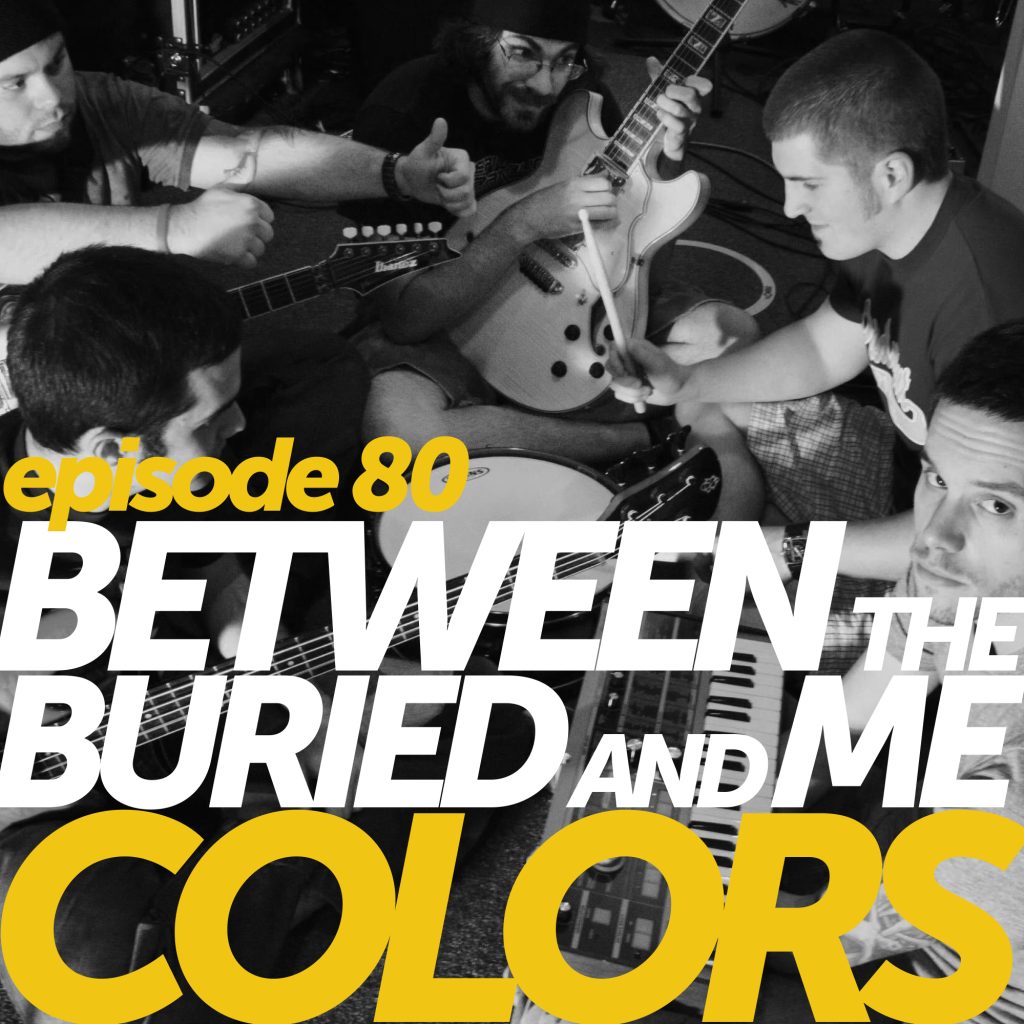
Episode 80: Between the Buried and Me’s “Colors”
Music can be this?! Five North Carolina dudes took the full range of the human spirit and musical styles into the woodshed, and from the loom came a technicolor dreamcoat of power, precision, and progress that we’ve worn with pride through nearly 20 years of long, strange trip. Join us in looking back with gratitude for getting to be there during a special band’s watershed moment and looking ahead with renewed enthusiasm for the boundless possibilities still beyond the dark side of the moon.
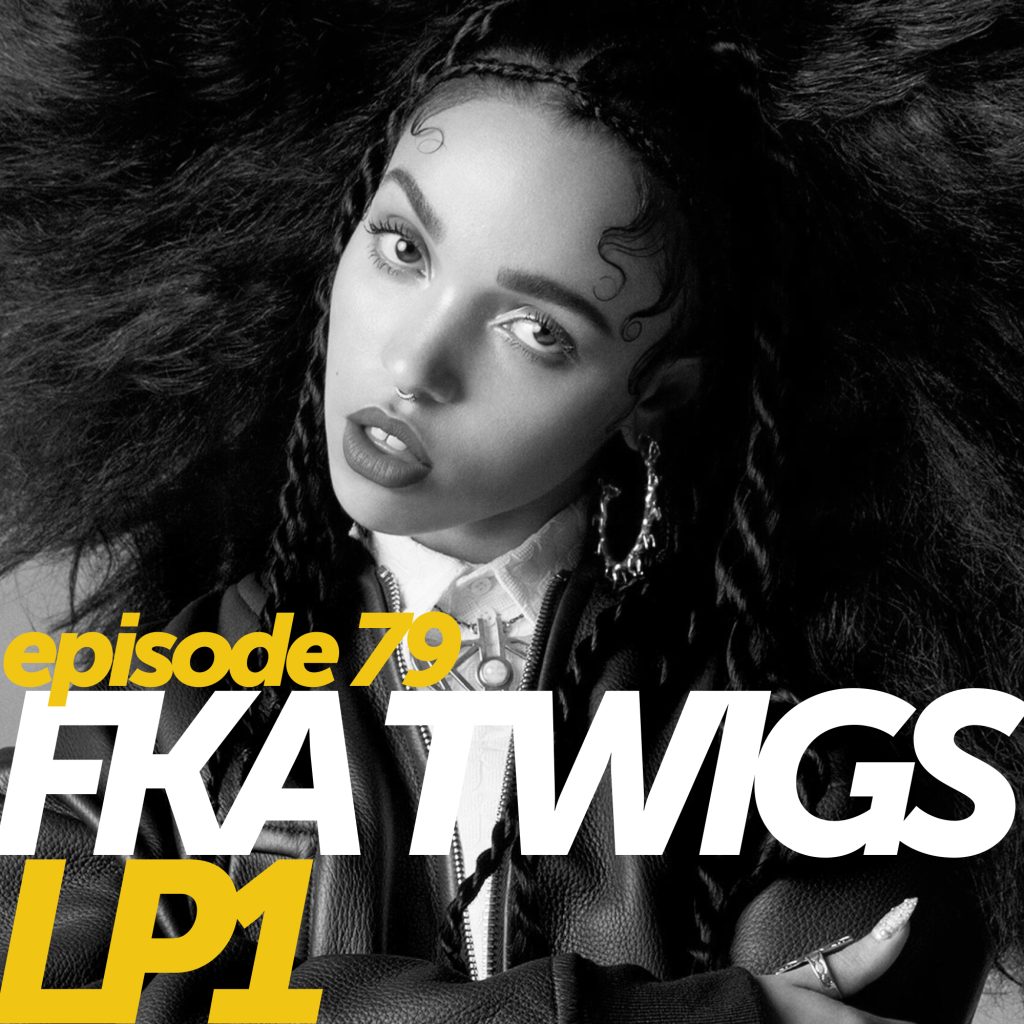
Episode 79: FKA Twigs’s “LP1”
As the 2010s cleaved culture into fractals and alienated humans from their being, Tahliah Barnett beamed down from the cosmos, a biblically accurate angel contorting into shapes embodying pure emotion. Her singular, decade-defining debut offers prescient wisdom for our AI age: the path to the world begins back in our bodies. When (FKA) Twigs moves, you move.
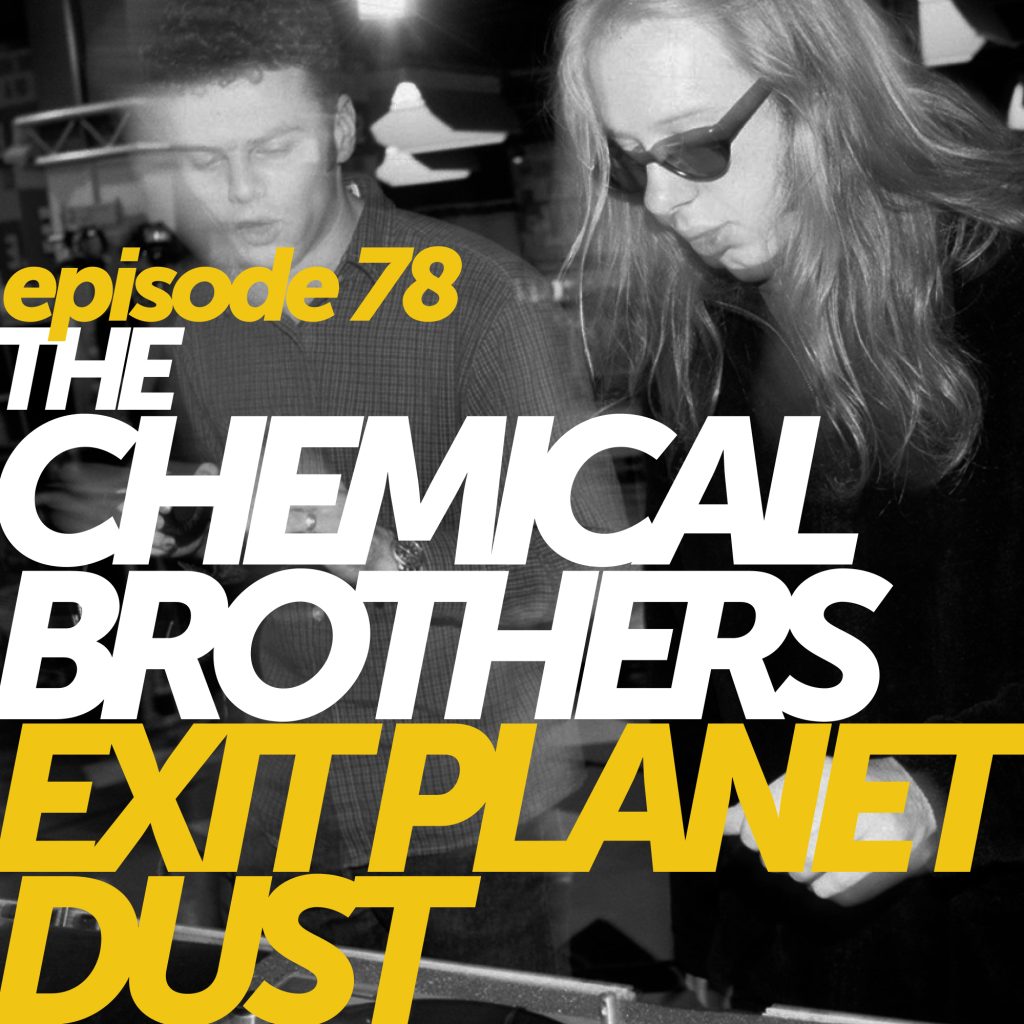
Episode 78: The Chemical Brothers’s “Exit Planet Dust”
Time's funny, innit? As today's youth excavate the nineteen hundred and nineties for the ecstasy of seemingly simpler times, here lies a fossil record containing so much of the DNA of how it was done — layers upon limestone layers of cultural source code. Keep digging and you might just find a place to get off your biscuits. The Big Beat goes on.
Episode 77: Otoboke Beaver’s “Super Champon”
For our money, this is what running through the halls of your high school and screaming at the top of your lungs actually feels like. And why *shouldn’t* the unreal world be a 250-BPM confetti cannon of primal-screaming sweetness? Take 21 mere minutes to blast-beat your brain and body into a fireworks show and then let’s shopping after.
Episode 76: Chic’s “C’est Chic”
This episode’s meaning is neither deep nor hidden: the Nile is a river. To good times, that is. If the savoir faire, stellar musicianship, and seismic influence of Nile Rodgers and Bernard Edwards’ organization don't suit you, then to cite a very wise t-shirt: “disco doesn't suck; you just can't dance.”
Episode 75: Nas’s “Illmatic”
Illmatic’s impact on hip-hop is a foregone conclusion — one listen and it ain’t hard to tell why. But as we unpacked the lyrical density, the layered samples, and the hyperlocal lens of Nas taking us to the Bridge, we found they represent, represent something deeper in the American mythos and our cultural consciousness. In the land of the free and home of the brave, life may be a bitch, but the world is yours.
Episode 74: N.E.R.D’s “In Search Of…”
It may be true that No One Ever Really Dies, but at the turn of the millennium, a young, wild, and free new wave in culture most certainly came alive. Whether or not you were around and aware in the moment of the Neptunes’ cultural dominance—and the decidedly counter-cultural bomb N*E*R*D planted underground—it's worth the star trek to the 21st century sound and style’s Big Bang.
Episode 73: Odetta’s “It’s a Mighty World”
Odetta — a must-know titan of American music and culture — once noted that young people “learn about American history through battles.” But her dream of liberation was shaped much differently: “I learned about the United States through this music, through the songs that I sing.” As we live through the kind of historical moment that makes most folks want to lie down and die, we can — like many heroes before us, from MLK to Maya Angelou — look to the legacy of 1964 and Odetta for strength to insist upon our lives.
Episode 72: R.D. Burman’s “Shalimar”
Once upon a time in Bollywood, one magical man made enough music to fill a million moments—and made space for hundreds of other artists along the way. Of the 331 scores “Pancham” composed in his lifetime, 1978's “Shalimar” is a uniquely compelling introduction to his technical prowess, transcendent alchemy of cultures, and tremendously joyful love of a life full of song.
Episode 71: Marianne Faithfull’s “Broken English”
“That’s the thing about pretty faces… We don’t expect them to belong to the fighters— the junkies and monks and cockroaches who’ll survive every atomic bomb and suicide attempt and outlive us all.” - Lindsay Zoladz Broken English is searing, singular snapshot of surviving to spite the devils (who’ve gotten far too much sympathy in the story so far). You’ll love it forever with its good and bad weather. We may have lost Marianne Faithfull this year, but not before she outran the darkness. As we close out a dark year and look ahead for light, there’s a lesson to...
Episode 70: Sade’s “Love Deluxe”
Any denier that all art is political need look no further than the smoothed-out soul slipstream of Sade, a group defined by its economics. Rare output, minimal arrangements, reserved volume, and, of course, the premium implied by “Love Deluxe”—a title derived from the idea that true love is among a precious few luxuries that can’t be bought. Our world’s clearly longing for more longing, and we discovered a truly transcendent delicacy as we unboxed Sade’s brand of desire.
Episode 69: Charles Mingus’s “The Black Saint and the Sinner Lady”
When you think of true "artists" in music, who comes to mind? Charles Mingus embodied its romantic ideal, for better and for worse. His magnum opus "Black Saint" is more than even jazz's cosmic form can hold—it's the full-bodied essence of a master composer, peerlessly inventive bassist, and clairvoyant critic of the real America. In it, you’ll find what his collaborator Gunther Schuller called "the widest ranging musics you can find composed by one single human being."
Episode 68: Gang of Four’s “Entertainment!”
“Entertainment!” is described by Gang of Four’s Jon King as “a record about young people smiling and dancing in the face of disaster.” Uh oh, sound familiar? This Leeds-born slab of Brechtian boogie reminds us that to navigate a world where everything is (small-p) political, dancing and dialectics belong together. Free your ass and your mind will follow.

Episode 67: Brooks & Dunn’s “Brand New Man”
This is the tale of two lonesome cowboys who got down, turned around, and went to town catching lightning in a bottle on their first try together. Whether or not their decade-defining country anthems lit a flame in your eye in the 90s like they did ours, Ronnie and Kix offer a lens through which outlaws, in-laws, crooks, and straights alike can look for ways to learn to love again.
Episode 66: Oumou Sangaré’s “Moussolou”
The name "Oumou" derives from an Arabic word meaning "mother of." It is associated with dignity, wisdom, and maternal strength. Southern Mali’s Oumou Sangare has come to embody her namesake for millions around the world, and it all began when she was just 19 years old, channeling the magical music of hunters through her powerful and purposeful voice and creating a moment that captivated an entire country. Hers is a story everyone should know.
Episode 65: Missy Elliott’s “Supa Dupa Fly”
In the words of one of her groundbreaking forebears, “You feel free? You want to try some wild s**t? Thank Missy.” Since the very first frame of “The Rain” entered our eyeballs, Missy has made the avant-garde accessible, pointing us to a future full of more funk and more fun simply by standing fully in the splendor of her space-age self. Come (supa dupa) fly with us back to the moment where Missy’s magic began.
Episode 64: The Cramps’s “…Off the Bone”
God is a woman and she plays the guitar loud … y’all come catch some Holy Ghost in your hips. Hear our hallelujah for the love story of the queen of rock ‘n roll and the mad daddy holy rollin’ on a river—upstream all the way—and boot scootin’ through a fun and freaky heaven and earth of their own design. The Cramps were Dionysian, devilish, dangerous, and damn good, and they remind us that life can be, too. If you can’t dig this, you can’t dig nothin’.
Episode 63: Black Moth Super Rainbow’s “Dandelion Gum”
Life’s a bit heavy to chew on these days, so we reached into the pocket of our mid-2000s jeans and found an old piece of Dandelion Gum to chew on instead. As soon as its neon syrup hits your tongue, you’ll wonder why you hadn't let this "future pop for now people, today" melt you, melt you, melt you yet.
Episode 62: Project Pat’s “Mista Don’t Play: Everythangs Workin”
This life we're livin' is oh so beautiful. Take it from Patrick Houston, who has spread the gospel of the real for three decades, followed by a discipleship that has shaped 21st century culture in his image. For those still alive in 2025 by the grace of God, let us give flowers to the man from the North North.

Episode 61: Grace Jones’s “Nightclubbing”
Not a woman. Not a man. A revolution. Music’s long history is littered with larger-than-life characters whose mythology shapes reality for the masses — and few loom larger than the mighty Grace Jones. “Nightclubbing” without context is a tremendous body of songs worth anyone’s time, but after a deep dive into Grace’s time at Compass Point, you’ll agree that it’s a vital work.

Episode 60: Paramore’s “This Is Why”
The menace and melancholy of modern life have sentenced scores of young people to the gilded prison of nostalgia — but much to our surprise, a band of recovering Southern pop-punks have an antidote. For anyone willing to “sit still long enough to listen to yourself,” their new music’s sharp rhythmic angles and sharper lyrical reflections frame a doorway through which to free our big feelings and forge ahead.

Episode 59: Ennio Morricone’s “The Good, The Bad and The Ugly”
You know that five-note coyote howl. You may even know the classic film it helps power. But what do you know about the man behind those iconic moments? For our final exploration from our 2024 calendar, reflect with us on the genius of a maestro who could make magic with a mere fistful of notes, who poured forth from his soul a foundation upon which much of 20th century popular culture was built.

Episode 58: TLC’s “CrazySexyCool”
Vision. Bravery. Originality. The 30th anniversary of the ATL-exported opus — by the highest-selling girl group of all time — offered us a chance to reflect on all the ways our hometown heroes ran so some of the 21st century’s most iconic artists could fly.

Episode 57: Kendrick Lamar’s “good kid, m.A.A.d city”
Before the Super Bowl, the super beef, the Pulitzer, or PGLang, one good kid and king-to-be sojourned from South Central to the height of the American promise and rained down lightning that united one nation under a groove. You’ll feel the energy of this episode from two planets away — hop in the van real quick and let’s roll out.

TuneDig Episode 56: Cocteau Twins’s “Heaven or Las Vegas”
Dream of ethereal waves of sound swirling around you—and words you can’t make out saying more than you could imagine—as you float back upstream with us toward the warmth of Cocteau Twins’ decade-defining masterpiece, which still ripples across a vast pool of influences 25 years on.

TuneDig Episode 55: Jeff Buckley’s “Grace”
Once upon a time, “your favorite artist’s favorite artist” wasn’t a Midwest princess, but a “mystery white boy” beloved by Bob Dylan and Adele alike. Jeff Buckley’s signature Grace is on the shortlist of transcendent albums every living being should experience, because, as one industry vet put it: “it’s all in there, isn’t it? It’s just all in there.”

TuneDig Episode 54: Botch’s “We Are the Romans”
"We Are the Romans" is a visceral, vital document guaranteed to make you feel something from its first notes — and there’s never been a better time to stop and smell the roses from a group just now getting its long-overdue flowers.

TuneDig Episode 53: Ravi Shankar’s “Three Ragas”
Ravi Shankar lived one of the twentieth century’s most extraordinary lives, bearing witness to—and making—history all around the world. To many (especially in the West), he personified an extraordinarily complex style of music and the cultures from which it was borne, and he worked hard to make it look easy.

TuneDig Episode 52: Alain Goraguer’s “La Planète Sauvage”
Gather ’round, sommeliers of the strange and crate-digging boogie children, for something “Strange! Frightening! Fascinating!” awaits. The soundtrack to Cannes 1973’s Jury Prize-winning film is a dazzling, surreal, avant-garde hymn to cosmic knowledge and compassion and a secret handshake among real heads. If you’re after a trip to a new dimension, here’s your one small step for man.

TuneDig Episode 51: Marvin Gaye’s “I Want You”
Marvin Gaye’s well of soul power ran mighty deep, and deep into his career, he pulled up a bucket of ice-cold, silky smooth champagne called “I Want You.” Come for the lush instrumentation, vocal harmonies, and Leon Ware clinic; stay for the stories. For our return from hiatus, we observe a titan in his element, reflect on the pain that built him into one, and consider how to reconcile our feelings when complicated messengers deliver beauty to our door.
SEASON 6

TuneDig Episode 50: Funkadelic’s “Maggot Brain”
Before uniting one nation under a groove, the lysergic lords of chaos in Funkadelic harnessed wild lightning into an amulet called Maggot Brain, bestowing the bearer with raw, dark power stronger than any force known to man. Between reaching our 50th episode and coping with the “maggots in the mind” of today’s universe, it felt like the right time to free our minds. We hope y’all’s asses will follow.

TuneDig Episode 49: Alice Coltrane’s “Journey in Satchidananda”
The story of Alice Coltrane — an accomplished bebop pianist from Detroit who transcended into something far greater before walking away from public life altogether — is a glimpse into what it means to be truly free. Alice’s masterpiece "Journey in Satchidananda" is a cosmic dance that sparked creation from destruction. And in a time when we’re all desperately searching for a spark of meaning and hope, Journey abides abundantly.

TuneDig Episode 48: Heart’s “Little Queen”
Take a moment to appreciate Ann and Nancy Wilson, who kicked down the doors of rock ‘n’ roll’s boys’ club with their peerless guitar work, soaring soul vocals, and tight songcraft. 1977’s Little Queen — an oft-overlooked gem in the classic rock canon — offers a snapshot of those elements at their most urgent and pure, powered by the Wilsons’ simple motivation (as described by their producer): “It was a war.”

TuneDig Episode 47: Tangerine Dream’s “Phaedra”
When you think of “electronic music,” what comes to mind may not be a genre you deeply love — hip-hop, house, new wave, or even dub reggae — but all of it owes some debt, scientifically or otherwise, to Tangerine Dream. Dig in with us as we study a prime example of the band’s brand of effortful innovation, where they patiently and persistently labored at the cutting edge of electronic technology to open a portal to new worlds in our minds.

TuneDig Episode 46: Olivia Rodrigo’s “SOUR”
Did you catch one of 2021’s biggest albums, or like us, did you almost overlook it? If you have any expectations of pop music, "SOUR" will likely subvert them. Teenage dream this is not; it’s an exquisitely universal portrait of a weird time to be alive.

TuneDig Episode 45: Fela Kuti’s “Expensive Shit”
The story of Fela Kuti — one of the most famous people on an *entire continent* passionately struggling to liberate power to more people — is absolutely one worth deeply knowing, regardless of whether you find yourself drawn to Afrobeat or (cringe) “world music.” But once you know it, it’s almost impossible not to fall in love with Fela and Afrika 70 as their revolutionary grooves rewire your brain in magical and meaningful ways.

TuneDig Episode 44: Meshuggah’s “ObZen”
Meshuggah’s ObZen—an artifact of human creativity pushing the limits of what’s possible—will quite literally make you hear music differently. If you’re looking for a new musical adventure, and especially if you don’t think you like “heavy” or “weird” music, consider this your sign to push past your comfort zone.

TuneDig Episode 43: mewithoutYou’s “Catch For Us the Foxes”
A misunderstood wise man once said “Let him who seeks continue seeking until he finds.” In our most personal and vulnerable episode yet, we do some seeking through the lens of songs that fill us with the bravery and sincerity to love ourselves and others fully. Dig deep with us as we fish for words about our tiny place in the universe and dance with gratitude for our ability to do so.

TuneDig Episode 42: Erykah Badu’s “Mama’s Gun”
Y’all tryna raise your vibrations? Erykah Badu is here to help. Season 6 kicks off with a meditation on realness and what being on “your own wavelength” really means. (Spoiler: it ain’t a single frequency — it’s a whole spectrum.)
FRIDAY HEAVY
For lifelong headbangers and the musically curious alike, a new podcast from TuneDig is here to push your palette with aggressive, abrasive art. Each short, fast-paced episode offers (1) a new metal, punk, noise, or experimental release we recommend, (2) a related playlist we’ve curated, and (3) a heavy issue to consider and an organization doing something about it. Join us in the void.

Friday Heavy: End of Year Review 2022
It was a great year in heavy music. In this episode, we look back at all the new releases we featured and the curated playlists they spawned.
It was a NOT great year in many other ways. We leave you with a parting message of encouragement to connect your energy and angst to on-the-ground organizations doing the work in your community.


Friday Heavy: November 11, 2022
This week, we discuss:
- He Is Legend – Endless Hallway
- Curated playlist sussing out the depths of He Is Legend’s roots, weirdness, and attitude
- Protect Our Winters (POW)

Friday Heavy: October 28, 2022
This week, we discuss:
- Witch Fever – “Congregation”
- Curated playlist of eclectic, high energy that might get your inner goth stoked on (briefly) going out
- Housing Justice League

Friday Heavy: October 14, 2022
This week, we discuss:
- The Lord † Petra Haden – “Devotional”
- Friday Heavy playlist densely packed with thick, meditative vibrations across the spectrum of drone
- Multidisciplinary Association for Psychedelic Studies (MAPS)

Friday Heavy: September 30, 2022
This week, we discuss:
- Escuela Grind – “Memory Theater”
- Friday Heavy playlist dedicated to the absolutely fucking hostile energy that powerviolence can bring to radical inclusion
- Zealous

Friday Heavy: September 16, 2022
This week, we discuss:
- Holy Fawn – Dimensional Bleed
- Friday Heavy playlist showcasing the incalculably extensive and wildly diverse Shoegaze Cinematic Universe (aka post-rock)
- MTB Atlanta

Friday Heavy: September 2, 2022
This week, we discuss:
- The Callous Daoboys – “Celebrity Therapist”
- Friday Heavy playlist confronting the under-appreciation of Atlanta’s heavy and weird music scene
- Mississippi Rapid Response Coalition – Water Fund

Friday Heavy: August 19, 2022
This week, we discuss:
- Osees – “A Foul Form”
- Friday Heavy playlist fuzzed out on oddball punk that smells like cigarettes just thinking about it
- Women on the Rise GA

Friday Heavy: August 5, 2022
This week, we discuss:
- Chat Pile – “God’s Country”
- Friday Heavy playlist with, uh, a bunch of very pissed off songs directed at christofascist terrorism
- The Grocery Spot

Friday Heavy: July 22, 2022
This week, we discuss:
- WAKE – “Thought Form Descent”
- Friday Heavy playlist that anchors its sound in modern production of sludge, blackened death, and post-metal
- The Planetary Society

Friday Heavy: July 8, 2022
This week, we discuss:
1. Vomit Forth – “Seething Malevolence”
2. Friday Heavy playlist that’s unsettling in the best way, leaving you feeling a little off your axis
3. Trees Atlanta

Friday Heavy: June 24, 2022
This week, we discuss:
1. CANDY – “Heaven is Here”
2. Friday Heavy playlist packed with off-the-beaten-path punk and hardcore from bands that deserve space on your battle jacket
3. Round Rock Black Parents Association

Friday Heavy: June 10, 2022
This week, we discuss:
1. Sasquatch – “Fever Fantasy”
2. Friday Heavy playlist of heavy grooves for late desert nights and hazy generator parties
3. Feed Buffalo

Friday Heavy: May 27, 2022
This week, we discuss:
1. Decapitated – “Cancer Culture”
2. Friday Heavy playlist stacked with bands putting their unique and modern spin on (occasionally tech) death metal
3. PropelATL

Friday Heavy: May 13, 2022
This week, we discuss:
1. Primitive Man – “Insurmountable”
2. Friday Heavy playlist full of SLOW, enveloping, massive and crunchy tone and big feedback
3. National Network of Abortion Funds

Friday Heavy: April 29, 2022
This week, we discuss:
1. Heriot – “Profound Morality”
2. Friday Heavy playlist packed with mid-tempo, huge guitar tone, big atmosphere and lots of industrial grit and grind
3. Invisible People

Friday Heavy: April 15, 2022
This week, we discuss:
1. Greyhaven – “The Bright And Beautiful World”
2. Friday Heavy playlist for fans of more choatic + melodic combinations
3. Campaign for Working Families

Friday Heavy: April 1, 2022
This week, we discuss:
1. Meshuggah – “Immutable”
2. Friday Heavy playlist full of high quality Meshuggah aping that AIN’T “djent”
3. The Bail Project

Friday Heavy: March 18, 2022
This week, we discuss:
1. Soul Glo – “Diaspora Problems”
2. Friday Heavy playlist with 20+ songs in under 40 minutes, (almost) all under 2 minutes each
3. Equality Texas

Friday Heavy: March 4, 2022
This week, we discuss:
1. Vein.fm – “This World Is Going To Ruin You”
2. Friday Heavy playlist exploring more of Will Putney’s work
3. Books to Prisoners
SEASON 5

TuneDig Episode 41: Miles Davis’s “Bitches Brew”
Let’s be clear: "Bitches Brew" is a challenging record, even to some of the best musicians in the world — but all of them say it’s worth the investment. It’s the kind of trip that, even if we *could* draw a map, it wouldn’t take you there. Let go of the need for meaning and enjoy the ride with us. We can promise you’ll be pleasantly surprised where you end up.

TuneDig Episode 40: Fiona Apple’s “Tidal”
On the heels of one of 2020's most acclaimed albums — Fiona Apple’s Fetch the Bolt Cutters — we revisited Apple’s debut Tidal and wound up working to extract ourselves from the mostly male gazes that made its reception … much different. We arrive at a question much like writer Jenn Pelly had: “People would constantly prod Fiona on how an 18-year-old could write songs as mature as these ... Why did they not ask instead how she became a genius?”

TuneDig Episode 39: Death Grips’s “The Money Store”
The modern world is accelerating beyond our control, shaping our reality in ways we can’t yet perceive or understand. Enter Death Grips, an art project capturing the chaotic energy and illustrating the absurdity of our hubris in trying to harmonize the surreal and extremely real — never more perfectly than on 2012’s prescient "The Money Store".

TuneDig Episode 38: Augustus Pablo’s “King Tubbys Meets Rockers Uptown”
Reggae music is easy to take for granted, but its impact is underappreciated and massive — in the case of dub in particular, everyone from Radiohead to Johnny Rotten to Run-DMC owes it a debt. Augustus Pablo and King Tubby together created what’s regarded as “one of the finest examples of dub ever recorded.” Join us as we dive into the culture, history, and unique engineering experiments that made it possible.

TuneDig Episode 37: Rihanna’s “ANTI”
By every measure — sales, awards, chart-toppers, global name recognition — Rihanna is objectively as big as the Beatles ever were. In fact, ANTI is so big it’s still on the charts, a record five full years later. Take a closer look with us at “the record you make when you don’t need to sell records”, and get a taste of the true freedom that comes from focusing on your inner voice when faced with insurmountable expectations.

TuneDig Episode 36: Son House’s “Father of Folk Blues”
All American music traces back to the blues, and deep at the root sits Son House. That the recordings on "Father of Folk Blues" even exist is something of a gray area that cuts to the heart of the great American myth, but wherever you land after hearing these stories, you’ll find that what matters most is what the great Muddy Waters once said of House: “That man was the king.”

TuneDig Episode 35: Melvins’s “Stoner Witch”
The futility of describing the Melvins has stretched critics in the direction of absurd words like “Dadaist” for nearly 40 years now. They’ve belligerently flogged any attempt to pinpoint their essence simply by being themselves, but "Stoner Witch" remains a reliable mall directory for the Melvins’ vast and wild discography. Grab yourself some pretzel bites.

TuneDig Episode 34: Dolly Parton’s “Jolene”
We should talk about Dolly the way we talk about Prince. Her extraordinary kindness and unique kitsch both make her universally loved, but what gets left out of the conversation is the very thing that made her famous: the music. Join in as we focus attention on the sonics and songwriting of the low-key masterpiece "Jolene".

TuneDig Episode 33: The Allman Brothers Band’s “The Allman Brothers Band”
Six enlightened rogues out of Macon, Georgia birthed an entire genre simply by being their soul-powered selves. We have not come to testify, but we’re still hung up on the dream The Allman Brothers Band helped us see. By the end of this episode, you will be, too.
TUNEDIG RADIO


SEASON 4


SEASON 3


SEASON 2




SEASON 1


BONUS TRACK EPISODES

BONUS TRACK: How We Got Here
We got a bunch of interesting listener feedback in our off-season, and it encouraged us to shed some light on why we do things the way we do ‘em. Also, we reflect on our first writeup, which was ... interesting.
WHO WE ARE
We're Cliff (right) and Kyle (left). We’re two dudes born and raised in ATL with day jobs in tech and sustainability, respectively.
We met in middle school, and in one way or another, music’s been the thing that’s kept us close for the two decades since — whether it’s sharing and talking about new music (like this podcast, except in our texts or over beers), going to shows, or working with our favorite record stores to help them survive and thrive.
We started TuneDig as a little art project that connects us more deeply ourselves and to the world through the infinite gift of music. We hope you’ll join us for the conversations, let us know what you think, and share discoveries of your own.
More About TuneDig
TuneDig began as a little something called MusicGrid.me, which we created after realizing there was no place online to directly exchange music recommendations with your friends. Our aim was simple: to make rating albums simple, useful, and social. We got some love from places like Mashable, Wired, Evolver.fm, and Hypebot. We managed to foster conversation between music lovers, get thousands of reviews, and meet great people.
Along the way, we realized that record stores were an essential part of the music lovers’ community. After many a conversation about how we could helpfully connect them to the people who loved them, we began helping them leverage technology to create new revenue streams and embrace streaming services without giving up what’s unique to them: expertise and curation. (Long live the counter clerk who knows exactly which record will be the right introduction to jazz fusion!)
TuneDig is our vision to connect music lovers with the music they love, because no matter how much has changed in the way we discover and enjoy music, recommendations from people you trust and respect will always be the best way to find new music you’ll dig. With this podcast, we’re channeling the spirit of trusted curation pioneered by record stores, and bringing you something to take you deeper into music you can love.