
TuneDig is an in-depth and informed conversation between two lifelong friends about the power of music — one album at a time.
In each episode, we go down the rabbit hole to spend a while in the strange world we discover. We take an honest look at creativity in all its complexity—from writing and production to history and cultural impact.
We promise you’ll learn something new every time, no matter how much you already love the album we explore.
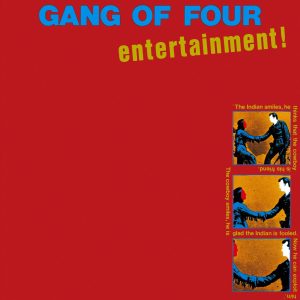
Episode 68
Entertainment!
Gang of Four
“Entertainment!” is described by Gang of Four’s Jon King as “a record about young people smiling and dancing in the face of disaster.” Uh oh, sound familiar? This Leeds-born slab of Brechtian boogie reminds us that to navigate a world where everything is (small-p) political, dancing and dialectics belong together. Free your ass and your mind will follow.
Transcript
Cliff: Today I am excited to talk about Entertainment by Gang of Four.
Entertainment! Pronounced like Haha Business, the meme. Speaking of Haha Business, lemme take this opportunity to reach out to the people listening to our episodes and remind you to be grateful that we’re fun and talk to each other in cool ways. Because if you were to ask an AI to try to describe this record. You would get some dumb bullshit. So let me give you an example of this.
Let me give you, so let me give you an example and then you’re gonna spend the rest of this episode going, they really are some strange dudes who like talking to each other. And maybe this will create a nice foil. ’cause a lot of what we’re gonna talk about today for sure is, uh, here’s a cool thing.
And then if you strip all of the cool stuff out of it, you end up with this husk that makes you feel very weird. And so here’s what an AI thinks we ought to say to start this episode. Welcome to the podcast, where today we’re diving deep into an album that didn’t just break the mold.
It shattered into a million angular abrasive pieces. And that’s Gang of Four’s, 1979 Debut Entertainment. One More Line released 45 years ago. This record remains, quote, a blistering debut and a revolutionary mix of abrasive guitar and subversive societal expectations that continues to resonate powerfully.
Proving its creators. Were as much profits as rock stars.
Kyle: I feel some type of way about all of that, obviously. Particularly the meta level of engaging with AI technology for this particular album. it’s kind of like turtles all the way down, which I know you sent me the meme before this, of the, you know, we should improve society somewhat. there’s also that Rick and Morty episode where they go to hell raiser planet and they just keep, they do the doom loop of bad things are good, good things are bad.
Cliff: Uh.
Kyle: we’re gonna have a whole HBO hour of Marxist nihilist
Cliff: Mm-hmm.
Kyle: comedy by the end of this thing. and I keep. At the end of it all thinking of entertainment as a punchline, like the aristocrats. And I know that’s kind of how they meant it. and so just the fact that we have, we just dug a hole, a Wiley coyote hole, right into the fucking ground right at the start of this thing.
And intellectually, is like, is a preview of exactly why you should listen to this record. and, and once you get past the reptile brain part where you just like it and the way that it sounds and you feel cool from how cool, it sounds like really engaging with it deeply. and then letting, letting the angular abrasion carve new angles in your mind or whatever the fuck they said. I will say mea culpa, I took, on average, we pull from 30 to 50 sources, articles, podcasts, documentaries, YouTube videos, we spend extensive time absorbing and internalizing the record, the artist, everything. Like we sort of make it our mission to see the world through their lens.
Cliff: Yep.
Kyle: I took all those sources and I did an even worse thing than you.
I had it AI generate an audio podcast with the simulacra of two people talking like human people, and it did a 15 minute primer and it was, I just laid down in the middle of the road in the uncanny valley and waited for a truck to run over me for a little while.
Cliff: Yeah, the, particular subject matter of this record sitting on top of a style of music that in modern times we like kind of don’t know how to look back through the right way, is what top me off to like, let me just see what the computer says about this record that is not just implicitly or ostensibly, but literally political Marxist in nature.
Very specific, direct, straightforward. There’s really no question about it. And like as many times as we. Take all of that understanding we have about an album, and then talk about how you can never escape a pretty common series of, historical things that happen, or concepts that need to be discussed.
Things get mapped back in surprising ways, and we do that with nearly every record because every record still comes out of that same collective history and general terribleness of the past. but specifically this one man, if your line of sight to gang of four only goes through Brandon Flowers like you’re gonna miss this by a nautical mile.
Like it, it’s not gonna make enough sense, and you’re gonna end up thinking about it the way that this AI just tried to get you to think about it, which is like, think about how exciting it is that you’re listening to this record. Don’t you feel smart? No. Stop. Shut up. Listen. Like everything that’s happening here is specific and precise from the instrumentation to production, to the way that they made these songs, to the lyrics that are being written, to the way that they still think and perform them today, nearly 50 years later.
this is a, take a deep breath and start removing as much stuff as you possibly can to try to get to the root of the thing. And I really do hope that we help people do that in particular today, because even just for me, this was yet again, another one of those. Yeah, I know about that record.
Yeah, that record fucks. Yeah, I know. Yeah. No, yeah. Oh shit. I have not listened to this enough. Still and then I, oh, I love it. Oh, this is really good. Oh, this is teaching me things. Oh, I understand new things now. get to go on that whole journey again. That only happens when you get the combination of a particularly impactful record with a very good record with artists, with intention.
And we get a lot of that here, straight out of the end of the
Kyle: We, we’ve been on a, a heater this year of familiarity to fandom and sort of being astounded that we can still, unlock new closets behind new doors and new rooms with albums. We kind of thought we already got the gist of, I will say as somebody that like, again, almost every episode I feel like we have to be like fuck genres.
but post-punk or whatever is, is kind of a helpful signifier. Shorthand for at least what’s happening sonically, if not stylistically, it’s one of my favorite types of music. If I walked into make an album. Like I don’t even care what the songs sound like structurally. Like if I was gonna make a country album, I’d still be like, but I want the drums to sound like gang of four.
You know what I mean? I love this type of music so much, and I, for my money like this and Black Sabbath are the two things that still sound the greatest in the world to me. I think the two worst things that you can do at the end of this episode, you know, if God willing you make it to the end, or if you hit stop right now and just say, okay, I need to go listen to this.
The two worst things you can do is an outcome. After you have finished the record and decided to make it part of your personality or on two ends of a spectrum. One is you do the thing where you start carrying around the book that you want to conspicuously be noticed with at the coffee shop or whatever.
I’m in the gang of four. Have you heard Gang of Four’s Entertainment?
Cliff: This is MA’s Little Red Book. Thank you for
Kyle: that’s right. Or you know, in the spirit of this band, like Marxist Capital, right? Or Cormack McCarthy or, right, that’s right. Yeah. Lemme tell you about the Panopticon. Um, but then the other way that you can go is to sort of let the world of this album pass you by to just be like, yes, this album fucks yes.
It hit me in my reptile brain. Yes, it makes me want to dance. Oh my God, these are great baselines. What a rhythm section and. You miss the subversion, you miss the opportunity to engage and grow as a result of some, like very intentional this is like a sniper shot from a mile out in terms of artistic intent because it’s not trying to be too cerebral and it’s not trying to be too reptilian and there’s more head and feet in this thing At the same time, they’ve just crafted an impossible balance here and almost nobody can pull that off.
you know, I, I was thinking about like Dua Lipa’s book club. She sells out Wimbley with her dance songs and her song in the Barbie movie, and then she engages people on the Palestinian genocide in her book club. that broadcast to over 10 million Instagram followers or whatever. There’s just so little of that, that understands that human nature doesn’t want to be scolded.
Or too logically appealed to, but it also doesn’t wanna be treated like an idiot either. Like there is a human capacity for flourishing, that you can bring out, not by yelling, but by grooving. And there’s a real genius in the way that these guys did it. it’s a great record and it can make you a better person legitimately if you just like, kind of get into it and don’t be, don’t be a prick about it along the way.
Cliff: Yep. And it’s not thankfully. Like it manages to institute that level of seriousness without devolving into like a Sarah McLaughlin song form of the message. I’m like, and now we’re very sad. Like, well, we’re not sad so much as we’re fucked heads up. here are all the ways, here are all the things happening.
And uh, I mean, lyrically speaking, one thing that’s cool about this record is it runs the gamut from, vague, situational, contextual points. Yes. But also speaks to specific historical moments. Moments directly, plays with specific historical moments and like calls them things for the first time and kind of plays around with that.
And then even in one specific instance for told. A moment of Britain annexing something as a form of what they would go on to call eco colonialism in its first form. And they straight up like called a shot in a song from 1979 for something that would end up happening in like 2007
Kyle: Yeah.
Cliff: at just so, so when you’re talking about a mile long sniper shot uhhuh, like maybe even through a wormhole to some degree.
and for me, Stylistically, this is maybe an unexpected cliff loves this record because normally this style is associated with some dumb shit that I’m not really interested in. Okay. Somebody told me that you had a boyfriend who looked like a girlfriend or something. Um, like neat, cool man.
That is a catchy song, I say, you don’t know. Take me out Fun. O okay, cool. I don’t give a shit about any of that, honestly. It’s a cool song. I like the riffs. It’s fun to shake around to, but like, personally, like my, my being, my existence as a person, cannot commune with the, with over amounts of stupidity music, of which this podcast has become a testament of whatever part of me is broken that causes this to be true.
Kyle: you’re, you’re given a lot of grace to a band that pulled the gang of four move of naming themselves, Franz fucking Ferdinand, and then had the audacity to put out the songs that they put out, which are fine
Cliff: Yeah,
Kyle: if you don’t try to assign any kind of
Cliff: Yeah, we got it. Yeah.
Kyle: I fall a little more on the side of Carrie Brownstein from Sleeter Kinney in Portlandia who said in 2005, these new bands sound like Gang of Four if Gang of Four sucked. in a positive spin, there are lots of bands now that you know, aren’t anywhere near as popular as the Killers, but do either sonically or ideologically or both. A lot of the cool things about Gang of Four, we, had to slog through a generation of bands who didn’t really get it. Uh, and now we’re back around Very cool post-punk bands.
It’s a great time for that type of music, because, you know, we’re living in similar times to the late seventies, unfortunately. so the, the form lends itself well, but, you know, we’ll, we’ll get to that. All things in time. What do you know, what, what’s the five minute primer on Gang of four? What do folks need to know about the people, the circumstances, how things came to be?
Cliff: a five minute primary you could probably do. Three or four different versions of it. I think there are several ways to sort of back your way into this deal. but I think like with a lot of albums that we touch on, sometimes the time and placeness of the band and then the relative time and placeness of the particular album and how early they are in their career has sort of an outsized effect on things.
And so I think that’s an for example. I think this is a case where that is true. So Yang of four formed in leads, uh, in 1976. This record entertainment comes out in, in 1979. and they said. Like I, when we talk about leads, so I, I have not spent a lot of time in leads England. Okay. But the way that they talk about it specifically is so visceral related to that time that I think it’s contextually helpful without even starting to go into then like the larger political or social things that are even happening in that moment.
Just the like kind of specific locality of the whole thing. they said, uh, in one interview we made entertainment in the workhouse, a studio, an old Kent Road then a seedy highway through a depressed South London, but still glamorous compared to the misery of leads. We’d routine the songs for a week or so in a residential farmhouse with a rehearsal room attached where we also wrote Great Men.
so there’s this like middle of nowhere wearness to this group of folks already, which. Feels like it stands in contrast to the seriousness and directness of the message that they come out with, pretty directly on this record. Like it feels like a band who’s only been together for a few years from the middle of nowhere, has no business making a record this good.
And they did. And on top of it, once we now know that that’s true, listening to them talk about the way that they made that record sort of connects these dots in an even more fun way. and so they said in that same interview, after talking about the location of things going into the studio, we knew exactly what we would do.
All the songs were nailed, road tested. We recorded ’em fast just as they were. And they talked a lot about, we will maybe touch on these specifically in some of the songs. You know, several of them, they just sort of like hammered through takes until they went, yep, check that one off. Let’s move on to the next one.
Uh, and then there was one in particular that’s just like a one shot basically, that they captured in the studio. But they talked specifically about that. They argued a lot about not using any outboard effect that might color the performance in a misleading way, quote. So that what we did was real quote when we finished it sounded like itself.
and we’ll touch more on this, but the reason I feel like it’s worth including sort of in this moment of like, what’s the primer on gang of four is like that starts to give you a nice overview of how it seems like they look at this, they have an intentionality that’s way easier to draw out than most artists.
I think that we even talk about and we tend to talk about intentional artists. and so I, I think you’ll continue to hear that
Kyle: Yeah. But like, not on the level of mission statement of knowing what noise goes where, when, so that it feels like this for the sustained amount of time. And the sounds go with the words and all that. Yeah. I mean, having talked about Brooks and Dunn, where it was just like, we’re from the country, we’re gonna play country music. are the topics of observation in our immediate purview. We’re like, I’m not saying leads is country, but it’s a bit of like, that’s also another option, just sort of like reflecting the conditions of where you are, but doing it in a militant and political way. Like I, I think Brooks and Dunn really the three, you know, the three hop thing of Umo Sangre, who is really a lot like Gang of four, like a total of its time phenomenon that became massive is inherently political, is sonically beautiful and representative of trying to do a certain and intentional thing.
Then you look at Brooks and Dunn who are kind of the inverse it’s a triangle that nobody asks for, but I think if you’re listening to these episodes chronologically, being able to do that, to like sort of rub the worlds of these artists right up against each other and feel the friction. makes them all a little bit more interesting and they’re all interesting of their own volition.
Cliff: I love anew each episode, the challenge of connecting a dot back to the previous episode with an artist that is fundamentally disconnected from whichever one that we’re talking about, it’s getting easier all the time to find those ways. To me, using what you just talked about in the Brooks and Dunn episode, we talked about that group of studio musicians and how they sort of, first of all, they were all basically all stars but had sort of an, uh.
An approach to how the music should feel and sound all together and ended up sort of jamming their way to the thing that feels right. And similarly here when we talk about the, the intentionality of things when they talk about doing takes in the recording. So in contrast, they’re not doing unique takes.
They’re not soloing 18 times and then picking their favorite solo. They are just shooting through this one, this one, this one, this one. Okay. That was the one. Got it. Move on to the next, but like the. The intentionality that they speak about gang of Force specifically is that they, I mean, they present it like they argue with each other all the time.
A actually another, I guess, uh, similarity to Brooks and Dunn, like famously not necessarily best buds behind the scenes, and yet found a way to appreciate the artistry that comes out as a group and invested in that instead. But you’ll notice the more you listen to any of these folks talk in interviews from Gang of Four, like they talk about arguing with each other all the time, like yelling, fighting, striving against all this stuff.
but most of what they’re talking about when they say that is that they’re like. They’re fighting each other to put ’em in a vibe. Like everyone has this little feeling in their head about how this should feel once it’s done, and they’re gonna keep pushing on everybody else to get it into whatever shape that actually is.
And they’re not using refined words or like super planned out strategy to make all that work or record all the individual pieces in the studio and then assemble them together. That it’s not a grand plan, it’s a, this is how this song should feel and we’re gonna hammer it out until we get there and then we’re happy with it, and then we move on from it.
And I think one quick encapsulation of that mentality from them as well was they talked about when. They recorded this, the EMI, the record label basically left them completely alone and quote, when we’d finished the playback for EMI, after that playback EMI said, only in a mystified way. Is this the demo? To which we said, no, it’s the album to the record company’s credit. That was that. And it was put out without any further polishing. Like, that’s it. Is this a demo? No, it isn’t. Right. Is this record about Marxism? Yes. It’s Any questions
Kyle: Nope, I’m gonna go grab some cigarettes. I will be back.
Cliff: and we’ll, we’ll, probably for what it’s worth too, use Marxism as a proxy for a lot of ideas, uh, and things that are probably even hard to express conceptually now that we’re, you know, a. A particular grouping of philosophy in the late seventies that we might think of differently now. So I do wanna like get out in front of that little bit.
But yes, in general, like this is a record about being people
Kyle: Yeah. Two,
Cliff: of things.
Kyle: two things I could easily and will do my best to avoid making this whole episode about the critical theory aspects of this, of which they were deep students and has always been, an intellectual pursuit of mine. Like I showed you Cliff. Uh, like I’ve kept the syllabus from my intro to critical theories class in grad school.
you know, reading Derrida and Foucault and Lacan and like talking about semiotics and stuff like that. One thing that I love about Gang of four that, you know, I’m only now connecting more explicitly is. That stuff, at the risk of making a Marxist pun a Marxist pun is alienating. Like it’s hard to get into because it’s just so full of jargon and terminology and concepts where the word kind of feels like it means one thing, but it actually means another in the context of all the literature.
And you gotta slog back through, you know, this person building on this person’s idea, building on this person’s idea. And this cuts through that into what they called small-p politics, like the politics of everyday life. And I like I, not to be high-minded, but I kind of see that as our job on the, like in the times when we get political, I always want us to be small-p political.
And I feel like we’ve done that with things like Friday Heavy, where it’s like, sure, we’re against the concept of, Children going hungry or austerity measures or whatever. But I don’t wanna talk about it in the abstract. I know there’s 50 hungry kids at the school down the road for me in my district, I’d rather just feed those kids.
and like that’s, As two Southern country boys. I feel like small-p politics are the only real politics. There is. And in 2025 on this hell planet of discourse that goes nowhere. there’s a capital-L lesson to learn from lowercase-p politics as an approach to life. and there’s, there’s a lot to take from gang of four in that regard.
Back to the music and the arguing bit, there are some really funny, John King and Andy Gill interviews, Andy Gill, rest in peace. really interesting. Truly idiosyncratic approach to the guitar. and in one interview he said a thing that sort of like reset my basis for how to listen to this stuff.
He talked about disliking guitar hierarchy and wanting to be equalized with the other parts of the quartet. So it’s like it’s four people recording live together all the time because anything else is sort of disingenuous and performative and not in like a Stooges way, not in a like let’s be as raw and energetic as we can, in a, like you can only achieve the right gestalt if you all just get in there and do it.
but he said in gang of four, the vocals work around the guitar. The guitar works around the bass drums. It’s a horizontal line where everything relates to everything else, which I think is an interesting, if, if we’re talking about the first cold, listen. Think about how these are all horizontal lines relating to everything else.
It’s very easy to pick everything out because it’s very well recorded. But, his follow up statement indicates how to differentiate a bit. He said the guitar isn’t the instrument, the band is the instrument being played. Many of the guitar parts in our songs, if you try to play it on its own, for the most part, it doesn’t make a whole heap of sense.
So it’s not exactly an interesting candidate for like a YouTube play through. So devoting a role for what is, in rock music, which is their origin, the primary instrument, guitar, sort of the scene stealer, melodically, sonically whatever. And just saying For pretty much half this record. It’s gonna do fuck around stuff like noise and texture and whatever.
But that’s the role that it plays. ’cause the melody is gonna come from the base and the groove is going to come from the rhythm section. And that’s kind of the front of what you’re gonna get, because it’s gonna lock you in to then be ready for the message. And then the guitar is for like freak out.
It’s just to create images in your mind and whatever. It’s not the source of melody throughout, so you almost have to like invert your thinking, looking for performers. it is truly a bit socialist in that way and I love it. he did also say. Pulling this off. He didn’t say that. The author of this article said, pulling this off meant brutal rehearsals and enforced minimalism, basis.
Dave Allen was told to stop playing so many notes Drummer Hugo Burnham with Row his Sticks at Gill and Frustration. The result, however, was a band wired to respond to each other’s slightest movements, so TLDR locked in, which I love.
Cliff: I think we’ll draw this out as we talk about some particular songs too. But one of the ways that they lock in that causes the guitar parts to not be consistently interesting is verbalizing this will be fun. The different instruments take on different kind of roles, rhythmically and team up with each other in songs in different ways. So like, one of the things you can listen for, for sure we always try to give people things you can focus on if you wanna do an active listen. I do think this one is pretty fun, despite it also being a really good just like party record that you can put on and sound fucking cool to anybody at any point.
This is kind of an unimpeachable record to put on, in nearly any context now that I think
Kyle: Totally agree.
Cliff: But as you choose to listen to the choices that are being made musically here, you’ll hear things like the guitar’s rhythm begins to align very specifically with vocals in verse one. And then verse two, it’s specifically doesn’t align rhythmically, but aligns melodically instead. And like they do a lot of this like little flipping around of association.
And to me it creates a musical sensation that we’ve tried to talk about before. That’s one of my favorite things, my favorite band to site, who does this is between the Buried and Me. They are taking component parts and. A lot of times they’ll just play a riff once, but then a lot of times they’ll grab that riff or parts of that riff and spread it out and put it in a different part of the song or reverse it or put it in a different song entirely.
in all of a sudden you are rewarded with paying attention to the music in the same way that people talk about video games that reward you for going loot hunting or like movies that reward you for like pausing and paying really close attention to cinematography and things like that. Like you, you get an a whole extra like a RG type experience from paying attention to the music in that degree.
And this one is a great sort of introduction to that concept without it ever being overwhelmingly complex, musically nothing is being. Done. That’s difficult to understand here. It’s simply interesting and has like a frenzy to it in a good way. Like that I think is the feeling that you get from the shifting that we’re talking about.
But like, it’s not like shift it this way for every verse and then do the same shift for every chorus. Every little part has a slight difference to it, and it makes the whole record sound like it goes on forever, despite it basically being a half hour Yeah. Quite lean. Yeah.
Kyle: Yeah. specifically, my favorite song on the record love, like Anthrax, the closing track is only like four minutes long, four and a half minutes long, and it. Easily feels like 10 minutes and every time it ends, I’m like, shit, that should have been twice as long as it was. I always want it to be so much more.
and I mean that it’s such a complimentary way to, to understate your welcome on an album is such a gift. I attribute some of that tightness to their influences, which, all make sense when they say them, but I wouldn’t have guessed on my own. and I think one of the things that makes ’em really smart is they’re not always literal and sonic.
So like, James Brown, they talk about the influence of James Brown. But as much ideologically and like in the approach to being a live band as anything else, where all the parts add up to a hole locking into a groove for a long time. they play funky baselines, but they’re not like a funk band necessarily.
They’re funky for a punk band
Cliff: Thank God.
Kyle: Yeah. there is a clear dub influence, but it’s not overtly, you know, it’s not John Leiden starting Public Image Limited after being so influenced by Augustus Pablo. this record does have a melodica, which
Cliff: I was gonna say that’s the most on the mo on the nose moment in the whole record. Yes. We are influenced, here is a melodica.
Kyle: And you can see, especially on the back half of the record. Where it gets spacey, it could easily dub out. Like they could be obnoxious and throw in delays and do whatever. But that would be against the ethos of cold, raw, transistorized, honest, you know? And like first and foremost, the way is the way is the way for this band, at least on this record.
And then a band that I’ve listened to some, but not a lot, uh, who was a huge influence is Dr. Feelgood. and there’s an interesting bridge with this band between Dr. Feelgood commonly referred to as like a pub rock band, kind of punky kinda riffy in the classic Keith Richards eSense. but like started incorporating some room for.
Getting a little bit freaky. There’s some interesting Dr. Feelgood songs that I would encourage folks to go listen to. Like she does it right or the more I give, they also do some like straight ahead blue stuff like, boom, boom. Or I Don’t Mind, which has a Bo Diddly beat, or that ain’t the way to behave. if you’re like me and you feel like, where the hell did the sound come from?
Like Marvin Berry backstage at the Under the Sea Prom in 1955. You kind of want to know. So like Dr. Feelgood’s interesting because you can see the propensity for Angularity or Abrasiveness ready to like pop out with somebody else to take it in another direction. But also Andy Gill talked about how I Can’t Get No Satisfaction by The Stones was the first song that he ever learned on guitar.
And it was the first song that he normally teaches people on guitar. And there’s some like interesting class discussion elements in that it’s actually like kind of a bit of a subversive song on Mick Jagger’s part. and I think that’s further reinforced by that being one of DeVos first big singles and they bring out the dadism and the absurdity in the premise of the song Satisfaction.
Like Devo another great band in the spirit of this band in many ways, sort of like the in inverted sneering. Smiley face Cousins. If this is Rick and Morty and this is cynical, then that’s Tim and Eric being like, whoa. Hey, check it out. Steve Brule.
Cliff: Tune in next week as we map adult swim shows to bands.
Kyle: we honestly should do, we should do the Buzzfeed quiz for which, which adult swim show slash punk album are
Cliff: This is the Eric Andre show of punk bands.
Kyle: That’s probably like discharge or some shit. The one that’s accidentally very, very smart but doesn’t want you to know it. if there were a smart GG Allen record, that would 100% be Eric Andre.
Cliff: It is pretty wild that you’re having to dig for where the sound came from when, you know, I alluded to this a second ago, but to say it directly, this is the debut album from this group.
Kyle: Yeah.
Cliff: it’s not like they spent 10 years refining this slight variation of a sound and then this was the most memorable one or most popular one.
things aren’t necessarily true. This is the first record they came out with. And then, like many cult classic esque things only became really important in retrospect, where now in modern times, everyone writing a top albums of whatever is gonna include this one because they see the importance of it, uh, and how much it, impacted and changed things downstream.
And to that end, I do appreciate and acknowledge maybe that. Light can happen when a musical fad pops up and it can inversely point back at some bands that cool. People can discover that were sort of the foundation of sounds great. So if we had to go through the early aughts in order for a handful of people to go back to gang of four.
Okay. Neat. But another example still of, you know, whether we’re talking about a band like Led Zeppelin, like there are things that we think of now as obviously good that we’re not considered seminal and great and enticing in that particular moment. and we get to now kind of look back across time and understand or try to understand what happened across 50 years that made us realize, oh shit, whatever they did here we’re using words like angular now.
But they wouldn’t have called it angular then they wouldn’t. But I mean, they certainly wouldn’t have thought like, oh, this sounds like a botch record slowed down 20% on occasion, or something like that. Like, so it’s cool to be able to kind of go back and try to reverse engineer it to some degree. Um, which I think we can do kind of at a couple of fronts.
I’m excited about.
Kyle: I will quickly say, I think the coming out so fully formed bit, I likened to the cramps backstory as well, where it was measured twice. Cut once, you know, they had a statement of purpose. They had a world that they wanted to build. I think they did 10 years worth of lift on the band. They wanted to be by the scenario in which they were formed.
So like they were art school kids at Leeds University. So they were thinking about, they were critiquing art all the time. They were making art. They were thinking about the why behind making art, which not every band does. The anti Dave Grohl approach where you just. Pick up a thing and start making noise.
most bands don’t really do that. They just start playing songs that they like and they figure it out and they go from there. So you have them talking about, thinking about the kind of art they wanna make, and Source said, talked about how they would meet, their haunt around school was the Fenton pub, where they would meet and discuss ways to end capitalism.
Cliff: Don’t let your kids listen to gang of four parents.
Kyle: mamas don’t let your babies grow up to be capitalist. so yeah, I, there’s something that I really love about. Just the, the purposefulness, but not, not saying it’s gonna be the, you know, we’re gonna make a concept record about the end of capitalism or whatever.
Cliff: Exactly. Well said.
Kyle: they, just said, we like these things. We want to incorporate some of these methods. Doism, you know, know situationist type art, bian alienation where we, you know, we deconstruct, we don’t allow people to passively take in this art.
it’s meant to confront you somewhat. We’re gonna take these sounds we like, and we’re gonna take some techniques, you know, like the having, not just intention, but techniques to do them. The way we’re gonna do it. It’s going to be this, but not this. So it’s not too overt, you know, we’re not gonna scream it at people through a megaphone, being formed at our school, like sort of compressed.
The time period for their development because it’s a nurturing environment in that way, and it gave them techniques to do X, but not Y. with that said, what were your first impressions? How does a cold listen work with this? What jumped out at you?
Cliff: I’m gonna preed myself ’cause this one was another. oh shit. Every new track.
Kyle: Mm-hmm.
Cliff: Like the more, the more I put my brain on it, the more interesting it became. That doesn’t always work on record. Sometimes you have to put a different way to lay your brain into it. This one just point it straightforward, it works.
And I think one example, even of a surprise, I’m just jump out in front of this the remaster sounds fantastically different
Kyle: Yeah.
Yeah.
Cliff: in a way that caught me off guard from the very first moment, which
Kyle: prefer one to the other,
Cliff: I think I prefer the remaster. And I I don’t know if we’ve talked about it a ton on this podcast.
I sort of like, uh, infamously hate remasters for the most part,
Kyle: other than Jimmy Pages?
Cliff: uh huh Yes. Led Zeppelin is one example. Um, but there are
Kyle: Congratulations on keeping your, um, episode streak of Led Zeppelin mentions alive. Good luck doing it with Charles Mingus.
Cliff: Yes. Although I do like that, even with the rema you’re talking about, they are acknowledged as so different from the original that the album art is inverted from the original. Right. Uh, and so this one feels worlds apart from the original, uh, in a pretty surprising way. Normally that’s not worth really pointing out even if there’s like four versions on streaming.
But in this one, yeah, I think you might as well get out in front of it now and might as well pick the one that sounds right for however you’re listening to it. ’cause they definitely bring out different aspects of the music itself. But
Kyle: Okay. Say, say more about that too. which one’s better for what context?
Cliff: so
Kyle: that’s a, like, before you get into songs, you need to know which one to cue up.
Cliff: Yep. So I’d say this part’s probably pretty expected. The remaster is gonna have a lot better low end. So if you are on probably any musical thing that’s been made in the last 20 to 30 years, you’re probably good to go with that remaster and you’re gonna draw some of that extra stuff out. the original is gonna have more of that.
It’s gonna feel more like it was made in the late seventies, I think. And it collects more in the mid range. And to that end though is is still pretty good on headphones, like the ones that we’re wearing right now, like good quality headphones. I always love to send people back to that method of listening when they’re listening to something from sixties and seventies and eighties ’cause like.
That’s how people listen to music, man. That’s how you need to you need to straight up, like lay on your bed in an exasperated fashion by yourself at the beginning of a montage to really feel what it was like to listen to music back then in headphones probably connected to your record player from some weird wire or something like that.
So I think they can be used in different ways like that, but it’s also good if you’re gonna really dork out and try to identify instruments. Comparing the two masters here will draw some of that out to, cause again, like the range of it’s really different, not just like slightly improved, but like a pretty different sound entirely. So then dialing straight in the first like 10 seconds of ether, which I didn’t expect to surprise me because I already knew what that sounded like. Once I put my brain on it, once again, we are making jokes today. Uh, you know, the, the Twitter meme or whatever of like, oddly specific playlists with like two or three example songs on it.
And once again, ether now joins the club for Cliff of Track one on albums that have Killer Five note snare hits that go into a heavy part. This intro right at the beginning does it. Uh, and it joins, uh, concubine by Converge. And the entire world is counting on me and they don’t even know it by Norma Jean.
And I’ve just come the more that it happens, like now I can’t not hear of five notes snare hit right before it goes into another part, no matter where it happens on any record. It’s like a, it’s like Pavlov’s Bell or whatever for me now, I think just. Having the experience of the first time I try to pay close enough attention to this record, it blows me back in my chair already and goes like, all this stuff you like comes from this. oh shit. Okay. And so I would say from there on out, um, and we can, we, we can literally do sort of track level stuff, not only because the tracks are interesting, but because the complimentary way to experience these, I think, and what continued to surprise me were all the track by track level interviews that some of the members did and like getting to plug in how they talked about it.
Was itself a pretty surprising and interesting way to consume this record? with due respect to all of the people who make incredible art that we love and admire. Some of them don’t have a lot to add as individual people. Once the art’s been made, their cup has been emptied. Um, and we appreciate it, but like, I really don’t need to hear you talk about it now.
Every bit that I heard from them added something and made the track more interesting and made me wanna go back and listen again. and in hearing that not only from the band generically, but then specifically different members of the band talking about their experience of it, really just made the whole thing an interesting historical document and like in a medicines, that was my biggest surprise.
It’s like I expected to not want to think about this record, and instead I caught myself not taking it the right amount of serious. And once I calibrated, it sort of took off and then this became like the easiest thing to put on repeat that I think I’ve experienced in a long time.
Kyle: Yeah, they do a really good job in those interviews of not, I’m gonna say the thing that you said offhand one time that continues to stick with me. Uh, they never turn the lights on in Space Mountain, you know, sometimes it’ll be about the context that gave rise to a thing. Sometimes it’ll be about how they wrote the part, you know this into two instances of this, into whatever.
but it’s never, it’s never boring. And they never pick the thing that I think they’re going to, if it’s a song that I think about the lyrics, they talk about the music. If it’s a song where I think about the drums, they talk about the guitar. if it’s a song where. I think they’re going to remark on the politics.
They talk about how it was influenced by the split screens of Jean-Luc Godard’s films. And it’s just always like, okay, you know, just constantly surfacing unknown unknowns for me. my favorite one was for sure the, the Clash Music one. they really like gave it their all. And I think also it speaks to how potent this record is and how interesting a group gang of four is that it’s their debut.
It’s 50 years old, 79, 80,
Cliff: almost,
Kyle: almost, yeah, go 45 years old. they’ve never gotten tired of talking about it. They’ve moved on from it completely. they did a lot of records that don’t sound anything like this record jarringly. So, their late eighties and early nineties stuff, it’s like not even the same band.
I mean, it’s like the first sugar ray record versus all the sugar ray stuff on the radio. And I’m sorry to invoke that comparison, but it’s, it’s just that jarringly different, they just have such a healthy relationship with this record. It’s a record they should be really proud of as a debut or otherwise.
and yet they went on to experiment and kind of do things their own way the whole time. And then they did a victory lap mostly around this record on the anniversary of it after Andy Gil passed and then called it today. Just another signal for you, the listener about how smart. And thoughtful this band is that they were sort of unimpeachable in the way that they handled the early success of this record and went on to be artful, but maintain their relationship with it.
Cliff: Watching them perform this record on that last kind of farewell tour that they’ve done this year. I mean, it, we talked about it some ’cause I went ahead and sent it to you, but like it, it really gave me life, man. Watching to extend what you were just saying, right? Watching people. Have a healthy admiration for something good that they did in their own life and be proud of it.
And then be willing to like, as like legitimately older people at this point, I, I think it’s okay to say they expressed joy and energy and intentionality once again in the performance of these songs. They sounded cool. this was not a, band goes out and plays the record that people know and they sort of just get through it and we go, yes, that’s sort of what it sounded like.
And I was there neat. No, they, the guitar tone sounds real good. It’s sharp and precise. The rhythm is really precise. the lyrical delivery from an an older person is like, energized, pumped, And, you know, it’s hard to imagine that you’d still feel super comfortable with anything you wrote 45 years ago, no matter how long ago that was or when, or how old you are now, or then, or anything.
That’s a long time to agree with yourself. I barely want to eat the thing that I decided to eat before I started cooking it. So I like, so the thought of then performing these like really straightforward lyrics, think without assuming too much, I think we can see that there’s a respect for whatever that they created and there is still an alignment there.
They, they don’t seem in opposition to anything they’re sharing here. And to a point you made earlier, and we make repeatedly on this podcast. We are in hell. So everything that’s been said still applies. And you can just now Wikipedia the references instead of wondering what they mean abstractly, like you might have had to do reading a lyrics jacket back then.
Kyle: Yeah, I hate to have missed them on this tour. Fontaine’s dc Were in town the same night as were Kendrick Lamar and Soza, selling out 70,000 tickets or whatever. And so I, I’m glad that I at least got to live a bit vicariously through some of the videos, seeing it, you know, my fresh eared impressions of the record are also sort of meta. I think because of the honesty and the, the sort of visceralness of the recording document, it’s gonna get you immediately.
It’s a bit like umu in her voice, where it’s like you’re either gonna get it or you’re not. And if you don’t like it sonically, then just shut the shit off and wait for next month’s episode. but I suspect on some level, if you’re a music fan of some level of devotion, you’re gonna find an inroad for this and like it.
Franken sampled it for God’s sake. The meta level that I love is first in the artwork, which is, situationist International 1 0 1. I’ll just read about it quickly. Like we talk about the artwork for the record sometimes, but I think that like, especially Bears calling out for this group depicts native American or, depicts a cowboy and an Indian.
Basically in the Western sense of the two words, in three heavily processed versions of the same image, based on a, still from one of the one of two films starring Lex Barker and Pierre Bryce, which had once been popular in East Germany as narratives cri critical of capitalism. Their faces are reduced to blobs of red and white, that is to their stereotypical skin colors.
A text winds around the image that reads the Indian smiles. He thinks that the cowboy is his friend. The cowboy smiles, he’s glad the Indian is fooled. Now he can exploit him in this way. It approaches themes of exploitation, but may also criticize simplistic popular de depictions of ethnic, social, or political complex as cowboys and Indians.
So there’s a bit of that brean like forcing you to engage. and you can see where that spins out into cliche when like sneering, jeering, Lead singery types in skinny ties go to do it. but there was a viscerally original thing to the way that they did it. if you’ve groan, ’cause you feel like this sort of hit terminal velocity with Seattle, like with the Melvins and with Nirvana, this being one of Kurt Cobain’s 50 seminal records, you’re absolutely right.
but again, there wasn’t really small p politics in those. They just took the absurdity of the performance and the presentation and they made it more about the theater of the absurd, where these guys were always kind of like standing on business, about it. Um, so I think if you can get your hands on a physical copy and see the gate full, see the back.
Like really sit with it in the corner. The artwork is very rewarding, but also the meta layer of a lot of these songs. To your point, there’s something to Wikipedia on like every fucking one of these songs. And the two that I would call out are guns Before Butter, where you learn about the, like political and even if you know about the, the sort of political shorthand of guns or butter for social welfare versus warfare for capitalistic, advancing capitalistic games.
And the idea of the peace dividend, which is a, you know, a piece of vocabulary that helps inform better talk around politics and how we spend our tax dollars. That feels heavy handed, right? You have a song, guns Before Butter and you’re like, shit, that’s like capital P. Politics. That’s big stuff. but then they’re like funny and they’re taking the piss in it.
the track by track was so good on this because he said, Gerber said, when I hear the word culture, I reach for my revolver. The inspiration was John Hartfields wonderful photo montages, uh, that undermined the vicious Nazi nonsense like this. Here’s a little guy, Gerber’s quaking in his boots at the lust for blood and iron and order and control, and wonders how he ever got sucked up in this evil sung over the relentless machine-like noise that will never end except in hurt.
So just sucking the wind out of Nazi rhetoric by saying Bels was a little bitch. Herman Goring was a little bitch. Steven Miller’s a little bitch. Any one of them are welcome to come see me at the show is like, delicious, delicious small p politics. Are you in my town? Come and find me, little bitch boy.
Get off Elon Musk Twitter and come and see about me. Uh, the other one being 5 45, which, uh, was in reaction a bit to left wing political violence in the UK in the seventies, where, you know, their politics were largely aligned with, but they drew the line at political assassination. you know, organizations like the Red Army Faction and the Red Brigades in Italy.
Whose politics they thought were spectacular. They were more for the spectacle than the outcome. And ultimately that approach only served, played into the hand of the capitalist regime. ’cause they didn’t genuinely challenge the political or economic system. They just provided sensational material for Fox News or Newsmax, you know, the, the media industry of the time.
and became nothing more than pop culture fodder. So 5 45 is a double entendre. if you read it with a colon, it’s the time at which primetime television begins. And you can see that in the lyrics. Like, I, how can I eat my tea with all this blood on the screen?
Cliff: What a killer line.
It
Kyle: a killer line. What a killer line.
Yeah. on par with the quality of, of artisanship craftsmanship of watch your broken dreams dance in and outta the beams of a neon moon. the mediated image of our broken dreams. read with a period, however, it is the 5.4 5 39 millimeter cartridge used in the AK 74 rifle just recently issued and circulated by the Soviet Union.
the other thing that I love about 5 45 is, that it’s like a reggae song about war, which is, is kind of a perfect choice to your point about like what kind of song does this need to be stylistically to suit the thing? And they said reggae music in the late seventies was the most innovative pop music around pushing the latest technology, playing with form and talking about daily life.
It just owned guitar chords on the offbeat. So just brilliant choices. And again, there’s something to learn like full week of a college class, amount of things to learn in lyrics that come across as like kind of primitive in a lot of places. Certainly very minimalist, right? Everything is, there’s an economy to the words on every song, which I was thinking about you the whole time I was listening to the lyrics.
I think I thought you’d get a kick out of Andy Gill’s, like director’s commentary approach to lyrics, deconstructing king’s, you know, melody quote unquote stuff. The pop character voice. I thought you would either love or hate that, but then I thought you would also appreciate the often highly structured.
Not a word or syllable more than we need at any given moment approach to king’s lyrics. Hard to make it look easy type stuff.
Cliff: I, the famous lyric hater, enjoy the lyrics on this album
Kyle: I feel like it’s
Cliff: and not just because I agree with them philosophically in many ways. You
know what I mean? yeah.
Kyle: I mean, we joked in the lead up to this while we were talking about this episode that in many ways they feel like the band that we would’ve been if you and I had ever had a band, creatively, they made a lot of the choices, that we feel like we would’ve made. easy for us to say too assholes with microphones right now.
we admire and identify with a lot of the choices that they have made creatively. I’ll, I’ll say that. The kind of writer and speaker that you are, there’s a lot of what King does that feels like you would work to get it down to brutal economy. You’d be like, by God, if it has to have words, it’s, it’s going to have the minimum fucking amount and I’m gonna make every single one of them count.
I will be a spite lyricist.
Cliff: But I do appreciate, especially the moves that they do that creatively, I would never think to do either. Like Love, like anthrax. So the lyrics in that song, like they, first of all, they come across straight up to me as like, this is what my internal monologue sounds like.
Kyle: Yeah.
Cliff: 100%, this is what my brain sounds like to me the majority of the time, uh, especially when we’re buds and chilling.
but like they also then do, they talked about how they did the vocals, which, you know, implements the lyrics. I know this is obvious, but like, sometimes you just like, you have the words and then this is the style of vocals that you do, and then that’s how it gets delivered. They like take approaches with it and try to do things with voice like an instrument.
And so here they had two vocal sections where, Certain specific words were sung, like normal. But then Andy would comment on the words or wherever we were quote or whatever we were doing or whatever we were thinking about this sort of like, okay, what if we wrote a punk song? But also Gil Scott Heron did averse.
And it’s like, oh shit. Okay dude, sure. Why not?
Kyle: Simultaneously.
Cliff: Yeah. just the kind of confidence doesn’t do enough there. But just like the, the willingness to be like, this is very straightforward. We’re just going to tell a story. Like we’re going to use basic story mechanisms, which is the majority of what they do lyrically anyway, which is like we’re going to sort of position you like relative to the thing we’re talking about.
And a lot of it, and maybe this is Kyle, what’s making you think that? It sounds like me, but a lot of the lyrics are just sort of like. Wouldn’t it be better if it weren’t this way?
Kyle: Mm-hmm.
Cliff: Wouldn’t you like it more if capitalism wasn’t your
Kyle: very chat pile. Why do people have to live outside?
Cliff: Yeah. Ex, yeah.
Kyle: Yeah.
Cliff: Would’ve never drawn that line, but Exactly, yes.
Just like y from chat
pile.
Kyle: king is doing shitty pop love song, like inverting it, being farcical about it. Like love is like anthrax, but Gil is deconstructing the form of how dumb and vapa love songs are. he’s not commenting on love being dad. In fact, it’s the opposite. It’s that love songs do a disservice to love. It’s brilliant.
It’s brilliant. My favorite part of it is when he breaks out of the monologue to join in on king singing, like he, he’d do da da da, piss down a drain. and then said to myself, like, both, just after the two minute mark, it’s like effortlessly cool. I know there are cooler examples, but it, it was like in the other guys, when they’re at the Irish pub and Will Ferrell is telling him the stories.
Like Will Ferrell, the big joke is that he listens to Little River Band and he’s square and he’s like kind of a shitty cop and a pencil pusher. but he, he has this like crazy, he would, like, he was a pimp. He’s married to Eva Mendez. he is like kind of a hard no psycho, but he, he buries it all down inside.
So there’s like a richness under the surface that makes him effortlessly cool. And there’s that scene in the Irish pub where he will stand up to sing the old Irish, like sad songs or whatever the, the traditional songs. And then he’ll go right back down mid-sentence and keep going with his story. And it’s that sort of thing like. How do you even think to do that with a song? And it’s sonically the coolest song on the record to me, like also very cliff in that it’s just guitar feedback for most of it. And like strongly encourage you to watch live video of this song, if any. where you can see Gill or whomever, like walking around the stage and hitting the guitar on things to produce different kinds of feedback.
And it’s its own kind of performance. And it’s my favorite bass line on the record. The do do do do do do do, do do. It’s a green onions level strut. To me. it’s in the t Dig Hall of Fame, this song, like if I had to make a playlist of top 20 or 25 songs from all the records that we’ve covered, love, like anthrax would be on the playlist for sure.
Cliff: And to your point about the guitar work like that, it sounds like Kurt Ballou to me, like this, this could be
Kyle: Yeah, it’s harsh. Yeah, for sure. And it, and it goes on for like a minute and a half or a full two minutes before anything else happens in the song. That’s a choice, man.
Cliff: So good. So I think one of the things we can talk about so as to talk about why we don’t need to talk about it, would be the approach to, like, recording here, this particular record. there may be some details we can draw, but like we’ve sort of talked about. Already the approach seems to have been, yeah, we know what the song is gonna sound like.
So now we’re gonna use a recording studio to record what the song sounds like. And now we are done like, not a lot of just like, let’s sit and let a thousand flowers bloom. Let’s get in and out and do the thing and take the takes until we feel good about it and then we’re done. if there are, you know, exceptions or you disagree, for sure, let me know.
But I thought that in lieu of then a lot of the sort of interesting or fascinating bits that we can usually get out of a recording place or time or studio sessions or who was involved instead moving further into, you know, another thing we’d like to discuss about every album, like things that you can pay attention to.
I’d like to sort of back that out a little bit, if you don’t mind, and just talk specifically then about Andy Gill, which we’ve already done some, but like. you are looking for a razor in the philosophical sense to like cut this band open and try to sort of see the parts and understand a bit more of it.
We’ve mostly hinted at this, but like Andy Gill is the way to do that. the music is cool. Yes, we have established neat, but like as a guitarist and now we’re gonna go into the mode that Cliff goes into sometimes where he goes to a deep place and talks about some nerd dork shit about guitar. But Kyle is nodding along silently so we all know that it’s
Kyle: Uh, I mean, I, I’m the one that made you do a whole monologue on Telecaster last episode, so like, I’m, I’m always here to learn to, for a guitar, guitar lesson.
Cliff: so then in this instance, like what Andy Gill does and is doing. As a guitarist is fundamentally different than most people have done guitar up until that point. And here’s what I mean, like in a specific sense. Tom Morello actually from Rage Against the Machine, which has a heck in a lot of crossover with this band.
Once you open your eyes to the angles that are there, we’ve talked about some of them.
Kyle: and they’ve, they’ve cited them as an influence
Cliff: Yeah, yeah. Um, I mean, it it is, it is direct, uh, the more you look at it, but Tom Morell specifically said quote, Andy Gill was one of a handful of artists in history who changed the way that guitars are played. And like, I think that that’s a really specific and important.
Little nugget out of this bit too. ’cause first of all, c carry for the context that this is a debut record once again. to use the phrasing of just like the band really had no business being this good at this particular point in their career, um, and certainly had no business being so good at guitar that you change an aspect of an instrument that’s probably at its peak of popularity already by this moment in time.
and so sort of what I mean by that, especially for, folks like kind of less familiar with guitar in general or thinking about it like influencing the technique of how guitars are played is a way wilder thing to impact than the tone of guitars. So an example of what I mean here. most people would know who slash is slash is an incredible guitarist.
He has interesting fashion and personality choices, but he’s an incredible guitarist. No one would really disagree. He sounds really good. He plays a Les Paul plays through a Marshall. This is how it sounds like no one after hearing slash went. I need to rethink of the way that my hands work on a guitar.
Like it sounds cool. It’s incredible, He kind of establishes and maintains a portion of guitar soloing, uh, almost front man esque guitar style. But like he doesn’t play guitar in a different way. He’s famous because he is a really good guitarist who consistently has cool tone, who played on cool records, and therefore, you know him.
Andy Gill, though, on this record, is using the guitar to make sounds and make their production sound in a specific way that people were literally not doing up until this point and then began to discover after he did it. And so in contrast to like slash for instance, what we’re talking about here is much more in the vein of in we can reach back to a recent discussion in episode two or in a recent episode as well.
a better modern equivalent would be Shuga or even a band like Pia, who is. Impacting the way that guitarists think about how many fucking strings are on a guitar, first of all, then how you tune those strings. Then like with Shuga, not only did they, arguably popularize the eight string guitar, but the way that they play guitar is actually different than how most people play guitar to begin with.
They use pull offs in like bass esque techniques on their strings in different ways than most people had ever used on guitar before. To the degree that the sound of the technique is the name of the genre gent, like that is the through line of the level of shift that’s happening with Andy Gill, except as opposed to mga, who, has a huge influence for sure, but like.
Compared to Andy Gil, like Andy Gil changed a phenomenal amount of what would come afterwards in the following 45 years of what guitar sounds like to begin with. The kind of dance punk stuff that we’ve lightly mocked, uh, a bit is only one of the places and ways, uh, that guitar technique has changed as a result of Andy Gill and the way that he, honestly, like he has kind of on record philosophies, like he hates guitar solos, and he says things like, once the sound has made its point I doesn’t necessarily need repeating.
Oh. Oh, okay. So like he wants to make a guitar sound. Exactly. One time. And the more that you listen to it on this record, the more that you can actually hear, like, the rhythmic nature of the guitar is a style of playing in a technique of playing that’s really hard. and you know, in, in sort of modern metal technique too, you get things like tralo picking and stuff where, you know, we basically took Dick Dale and surf rock shit and piped it into different tones.
And now we, now we know how to play guitar really fast. That’s how guitar gets played now, especially in technical realms. But like, that is not how people thought about guitar in this particular moment in time, and especially not in the sort of eventual genre that Gang of four would start occupying at this point.
Kyle: So when I think of the. Other people on that level of there was before them and after them I think of Hendricks and Eddie Van Halen, clear technique changed. I think it’s easy for people to want to say Steve v or Ying, we Malte, or even Stevie Ray Vaughn or fucking Jacob Collier or whatever, or dude from Animals as Leaders where it’s just like, okay, they’re really good, but a million people aren’t necessarily going off in another direction, technique and song structure wise because of this.
Like, it, it didn’t have the ground shaking popular resignation like an Eddie Van Halen. are there other examples though? ’cause like, I would’ve never thought that about Andy Gill, but I, I think you are right and it’s made its way all the way up to an arena rock band, like The Killers. Are there other examples like that that come to your mind?
Cliff: Maybe, but let me use the examples you gave and then get specific with them to help people understand and may, maybe this is what you were thinking or not, but I can think of a technique from each of those. So Jimi Hendrix,
Kyle: Who was an influence on Andy Gill, by the way. And if you listen to like anthrax specifically, um, somebody compared that to Hendrix at Rainbow Bridge using the guitar for, texture rather than for melody or drive of the song.
Cliff: Yes. So Hendricks, you know, somebody who’s obviously very important, like he did have actual impact in tone and style. Those things are still true. In addition to that, though, Jimi Hendrix mapping it back to this idea of changing the way that people play the instrument and think about it. So, among other things, like Hendricks was left-handed, but played a right-handed guitar.
With a flipped headstock, strung the other way. I literally give a public presentation where I get to talk about this shit ’cause I figured out how to launder it in. But like that changes the nature of how the guitar not only sounds, but plays. Then to the degree that I would argue what Jimmy Hendrix changed most wise is Bending Hendricks changed the way that like bending a string worked, sounded got applied, got used.
you know, Jimmy Page and others were like, bending strings is a part of the blues. The more that electric guitar evolved, the more that became a part of it. But like Hendrix would
Kyle: Billy Gibbons would be another one with interesting Bens, but but also influenced by Hendricks.
Cliff: Yeah. But like, you know, Hendrix could take you seemingly six or seven notes up a scale from a single bend.
And that not only had to do again with how he played, but also what he was playing and how he ensured that all of that was set up to actually work for him. And then similarly, you mentioned Eddie Van Halen, like that is King Tap, right? you know, the jump solo eruption. I’m gonna find new ways to integrate really high gain sounds using, you know, finger tapping on the fretboard and all that stuff like that is, you know, just a really place clear divisions around all this stuff.
Like Hendricks didn’t take out his guitar and then like spend a bunch of time tapping the same way that Eddie Van Halen did. They played guitar in fundamentally different ways, and that’s sort of almost separate from the tone and the style that they each had, uh, and the way that they impacted those things.
So like, just trying to think through all of these other examples of people who do change the way that you play or what you play. Two other examples I can think of off the top. One’s, one’s easy. And in fact, he’s gotten a, a mention or two on this podcast before. But in the same vein of actually Shuga and then Pia, Josh from Little Tbe
Kyle: Yeah.
Cliff: fundamentally approaches the guitar in a different way than the majority of people do.
and, uh, to connect some various dots. Like he’s often using an eight string guitar again, which, you know, MGA helped popularize, but he is using a tapping technique that’s a lot closer to what Eddie Van Halen was popularizing, except now he’s doing like a full hand, like he’s doing multiple strings all at one time.
He’s experimenting with different tunings to sort of make the ability to use your fingers sort of anywhere you want on the board and make this harmonious, resonant sound that you’re not gonna get otherwise unless you tune a particular guitar that way. He’s always a really cool person to follow. I, I sincerely encourage you to check out Josh Martin and his stuff.
but another example, going back to the quote is Tom Morello, I would say this to his face. I don’t think Tom Morello is that good of a guitarist. And that’s okay. But he plays guitar in a different way than most people ever tried to play guitar. Like watching. I mean, he’s got an entire solo with just like the kill switch.
Kyle: Not many people have a move associated with them and pulling out the plug and playing it, using it as a pick on the strings to do a solo like nobody else is associated with that for
Cliff: Exactly. Yeah. So like those sorts of things. And even though that’s not some sort of like hyper sophisticated technique, it is itself a technique that impacts the way you play your instrument, that changes the way you set it up. He can’t, you know, just going all the way down the rabbit hole. You can’t play a solo using the switch, pickup toggle on your guitar unless you have actually reinforced that puppy.
Um, because if you’re gonna sit there and do a toggle back and forth for an entire live solo every day for years on end, you’re gonna break that fucking guitar in half or, or at least that switch. Right? so that’s sort of what I mean by all of it. Like, it’s, it’s as if someone was playing piano, but they went inside of the thing and said, I want the hammers to hit the strings differently and that’s how I’m gonna change the way that we play piano.
And so like, that’s sort of like, like low key. That’s the type of shit that’s happening on this record that Andy Gill’s just sort of piping in, which, you know, it, it always feels like people talk about it. Like it’s so obvious when people do an innovative thing when it first starts. but it’s. So much more impressive to be 50 years on and still go back and say yes.
Not only was he generically changing the way that people approached guitar technique and guitars in general, but then the sort of domino effect of that change would not only create some pretty weird sounding guitar genres, but, you know, we mentioned bands like Botch and Converge and all that earlier.
Like there’s an entire genre of like mathy influence to music that arguably has much of its genesis in what’s being done here and in not only the guitar technique, but then going back, like we talked about the, the different pairings of instruments on this record and, how. The vocalist is willing to let this music sort of breathe and be creative and interact with it like heavy, weird, angular music doesn’t work for the most part without a vocalist who’s onboard for the journey.
It just makes it sound bad if they’re not willing to get in there and figure out the groove of the whole thing, and they do that here incredibly well.
Kyle: Yeah, I totally agree. I mean, there were different configurations of this band, but this sound doesn’t happen without these four guys bringing sort of a signature thing. And maybe that’s why they didn’t really try. I, you know, I don’t, I don’t know, I haven’t dug into the later stuff other than experiencing the body shock of how different the records felt again.
Really good playing, really interesting stuff. It’s still cool. And, above average, above expectations. just didn’t grab me in the same way, but it had different personnel. So there’s a real lightning in a bottle quality to four people who locked in together and seemed uncannily aware of how locked in together they were, and clearly like fought and bled for it.
A little argued about it. but only because they were clearly aware that they were onto something, which is a very cool feeling that I think most people never experience in their lives. And so you get a, you get a bit of a transportive thing to try to put yourself in that moment, a flower growing from concrete, this little thing that has come from the dystopia of it all.
Are there guitar moments on the record if you want to be like motherfucking Andy Gill, man? Are there like two or three timestamp moments?
Cliff: Not great men. The guitar tone and the really specific playing there is a really good example of the kind of precision that I’m talking about. The that, that rhythmic frenzy that is exactly on time, it works to great effect in not great men. And in that song also I think helps you. Hear the contrast between intentional guitar tone and then what it sounds like when Gang of four is doing ambient thing almost.
Um, because in that song, right, they have like a, there’s like a car horn type deal that’s happening in it. There’s like a weird clapping interlude, which I, I, I guess, precedes all the stomp clap era, uh, in terrifying manner. But nevertheless, like not great men is again, a good example of just what we are talking about with the guitar technique and how it works.
on the other hand, I would say glass, the chords that are supporting the vocals are doing so rhythmically but not melodically in one verse. Then starts to invert and shift around like we’ve talked about a lot. but then like in the chorus, it has the same rhythmic alignment, but sort of creates like a harsher sound around it.
Like you can really draw out the different ways that Andy Gill is sort of pushing forward or pulling back, which is. A weird way to sort of describe it. ’cause almost volume wise, it doesn’t happen that way so much on this record. There’s not enough there, there for any one member to like totally pull back a ton unless it’s intentional.
So there’s always sort of like a constant level of it. but again, glass gives you a way to, I think, see the different facets of how he tries to approach supporting the song with the guitar specifically. And then again, 5 45, which we were talking about earlier. There again, thinking about alignment, like kind of sequencing of how guitar works and how that technique supports it.
The guitar and the vocals are doing this one-to-one melody line in the verse, but only sometimes. And like they like to do that move too. Like it’s it sort of fades away and, and goes back to what we were talking about earlier where it it creates this sensation of there being so much music there because in a sense they’re never really repeating the same thing, even inside of a three minute straightforward song.
and that then I felt creates this sort of like implicit harmony. So like once, once you’ve heard that the vocals and guitars are gonna go with each other and then they stop, you still hear the first one though. And it creates this, like, this literal harmony between what you’re hearing in your brain and then what’s happening on the actual recording.
And like, it’s no different from. A common pop hook trick in the sense of like getting you to think of a thing and then taking it in a slightly different direction, but like it’s done to such great effect here in such like microscopic ways, that you really sort of get the chance to like really pull that back out of the production and see what they’re doing.
Uh, and to me that happens so many times here, like, I don’t even think I’m done discovering all the places that the guitar implies a thing that you should be hearing while it plays something different the next time.
Kyle: Yeah, I love all those examples. I. Had a handful that are like, maybe kind of the inverse. I like the moments where it feels like he’s doing something close to straightforward as almost a grounding effect for the weirder shit. So like, I love not great men, he turns around the riff at the end with sort of like a bluesy after a play in the Angular thing.
And that’s weirdly the part of that that gets stuck in my head. I think my favorite of the guitar stuff in a lot of ways is I found that essence rare. ’cause it’s almost Ramon, it’s just like straight down. Like it’s the most angular in a way because the tone with that sort of straight ahead. Power cord riffing.
It’s the most cutting, it’s the, it’s the most abrasive, the guitar feels, but he is kind of doing the straightest ahead thing on the whole record. but then on return, the gift, the guitar and bass lock in on an ascending chord thing. And that’s where I’m like feeling the dr feel good pub rock influence.
And it’s interesting that there are moments for like, just a flash, like at the illusion of like Bachman Turner overdrive or, you know, jock rock type shit, but they never lean into it. but you, you get a glimpse into a parallel timeline where it could, they could be that band. They could just be like some English bullshit rock.
hold up your, your pint of piss water for this one. But then also return the gift is a, is a great example of both sides of the coin because there’s a solo question mark on return the gift around 1 45, where it’s totally a tonal and then it like switches into clean chords. And then you keep hearing strange notes from that sort of echo deep in the mix after that, as the song just sort of moves on from like, well that was fucking weird.
and the rhythm section has to like find the funk around the party crasher of Andy Gill on that song. So it’s great. It’s rowdy in an almost metaphysical way. And then on tourist on at home, he’s a tourist. he’s absolutely just fucking around. Like it made me laugh out loud the first couple of times I.
Really listen to it intently. because another band that you invoke a lot on this podcast that we both love the Mars Volta. It’s very Omar. It’s just like, come on man. Come on. Be, be for real. but it works. and they’re, one of the ways that they’re locked in is the rest of the band is tight when somebody decides to be crazy.
And it’s usually Andy that’s deciding to be crazy on this thing.
Cliff: The ending of that song is incredible.
Kyle: of tourist.
Cliff: Yeah.
All the build with the Toms.
Kyle: Yeah. I mean, the tremendous rhythm section record like Andy Gale would not work nearly as well as he does outside of the context of a highly disciplined, really, really tight. Rhythm section, it would, it would be to Mars Volta on a bad acid night without somebody really holding it together and making it pop and palatable.
Cliff: If you’d like to do the extra credit tune, dig version for this one and step inside the hellscape of my brain, you can, think about to, to suss out what you just said, Kyle, simply listening to the rhythmic overlay between the snare and the guitar on almost every song will fascinate you they, he aligns.
attributing it to Andy Gill, but I should attribute it to all of them. The way that they talk about it, just their alignment rhythmically with each other is surprising. I, I don’t know how else to describe that. Like that’s part of what helps create this sound is moving rhythmically different parts of what you’re playing to correspond different parts, specifically with what the drum is playing or what the drums is, is doing.
And that gives you that sensation of space that they have here where it’s like sometimes it feels really full. Wait, is it empty? No, it came back. Now it’s fast and it’s like somehow, it always feels in balance despite being. Almost objectively pretty dynamic from time to time. and I think that that’s, again, one like super specific way that you could start drawing some of this out.
It doesn’t mean that they all sat down with a fucking TI 83 calculator and said like, this is how the snare lines up with, like the, exactly what I’m playing on this given string. But it’s just like the intuition that comes from this, it’s almost an anti R thing. Like they, resist the idea of like falling into a halftime riff or something like that.
And they almost go in the opposite direction a lot of the time. And like that is, it’s a small tweak that makes a really fascinating approach and I think contributes in an outsized way to like, what became of this sound and some of the things that got inspired by them specifically.
Kyle: I was envisioning, you know, the Shuga famous riff farming exercise where they charted out and you can sort of see the, the patterns or whatever visually, but they were doing that with commentary. You know, the calling out the changes like a classic band, but it was like, no, remove the drum fill here and put this noise here instead.
And just remembering it and then ripping it all in one long take a bit like. Sleeps dope smoker in a way where it was like, no, then do this for 17 minutes and then go into the other thing.
Cliff: But in, I promise this will be my last temptation to the listener to become a huge fucking nerd. But, corresponding to. Yes, but corresponding to our last episode and the Cliff’s educational corner that you made me do about Telecasters versus Strats, here’s a great one. Andy Gill’s, a Strat player.
So we talked last time about the differences specifically between Strats and Tellies because they’re made by the same company and it gives you a really good, easy way to like draw the contrast between them. Here is, and we didn’t plan it this way, but like, here’s, in contrast to that, a perfect example of how the Strat works as a guitar, how that supports the technique of Andy Gill.
How that supports the tone and the shape of what’s being done here. and you know, if you want to go back and listen to the explanation of why it worked well for Honky Tonk and Brooks and Dunn, you’ll probably have enough information to understand, okay, I kind of get why then this guitar would work well for exactly this.
Which is in a sense, a kind of sonic inverse from what they were doing a lot on that record.
Kyle: So the record rips, Once you pop the fun. Don’t stop. you will listen to it a bunch. We bet if you like it once.
Cliff: Listen to it on evenings and weekends.
Kyle: Please send me evenings and weekends. where do you go from here?
Cliff: Deceptively hard question. I wonder if you feel the same way about this one. Usually we have like the, I have a million things to tell you thing, and here it’s like, hmm, I don’t know which ones I want to tell.
Kyle: I do have a million. cause that’s the poison in my brain so there’s, you know, one or maybe multiple elements that you’re gonna love from gang of four. sonically, like we talked about, there’s a bunch of post-punk bands, post-punk ish bands out there right now.
Even if it’s not a direct line, I think all the coolest bands in the world at this moment have some debt owed to Gang of Four. So if you’re thinking about the arty side of post-punk, there’s water from your eyes. There’s lifeguard, dry cleaning, wet leg preoccupations, or women, RIP before them black Midi we dunked on Fran Ferdinand and The Killers.
But I do think Block Party were one of the few of the aughts that were like worth it. one Atlanta band that was like one of my favorite bands ever to do this. They, their debut record was a perfect record. Respectfully not on the level of entertainment, but it was great. It was Balkans. they’re still eating off that one record.
They all live in New York now, but they’re still playing shows periodically ’cause people love those songs so much. you know, we didn’t really acknowledge at any point how Talking Heads was a couple of clicks over from this, but it is apparent that there’s a spiritual third cousin element with what they were doing with, you know, society of the Spectacle Rock.
And in some ways, like at the time of this recording, Haley Williams has just really 17 weird new art rock singles that are not an album to be clear. But we talked about the latest Paramore record that So Talking Heads influenced, I mean, but. There’s very easily a world in which not great men is a sneering fierce Haley Williams performance, you know, and their small p politics are very similar to her small P politics.
So I can see Zach Taylor and Haley covering one of these songs and really fucking pulling it off. more on the political performer side of things. It’s a little more punky, it’s a little more stooges than gang of four. But Amal in the sniffers or in the ballpark, I think Fontaine, who I previously mentioned are, you know, a little more romantic, but.
Somewhere in the ballpark. I think the Viagra boys, while not the same thing, are capturing attention for a lot of the same reasons. Tight interplay of instruments with a, what the hell is happening, vocal character performance. I think you’d be hard pressed even though they’re more overt with their political stuff.
Another English political post punk band, idols, definitely a successor of Gang of four. Then there’s Yard Act, really more the first Yard Act record. again, yard Act also from leads also like Gang of Four in that their second record is very different than their first, leads is kind of an interesting breeding ground and I was like, are there other leads bands?
Is there a thing there? You know, is there a Bristol sound for leads? The list is interesting. Chumba Womba who not for nothing, has kind of gone for it politically, like gang of force. So respect pulled apart by horses is from leads. Sisters of Mercy are from leads soft sell, incredible from leads, Kaiser chiefs, whatever, alt J whatever, Corrine, Bailey, Ray.
So leads has been an interesting, interesting ground. But that right there, just sonically, you know, I, I also feel like in the lineage of Devo, the ocs are like a lot, a lot of the more I listened to Gang of Four was like if you dunked gang of four in slime and let them turn into a mutant, they would come out as the ocs.
I feel like.
Cliff: I knew you were gonna land there,
Kyle: they’re the Tim and Eric version of Gang of Four. but that, that’s a lot of different bands with a lot of different vibes and Headspace, but they all lock into a groove. and they all like have something to say in their weird way. And so that big tent in a lot of ways, I think was pitched by a gang of four, and again, mostly by this single record.
So having said all that, are there others now that come to mind for you?
Cliff: so you’ve done an awesome job and I would say laying out, starting point directions like we try to do, uh, I totally failed at that particular exercise, so bless you. I would then supplement
Kyle: Apes Together, strong Baby.
Cliff: I would supplement it then with a less diverse range, but another interesting way to, I think, go deeper on it. so that would be closer contemporaries of theirs and then also bands who Andy Gill ended up producing. So
Kyle: Oh,
Cliff: quick example. First of all, uh, on a closer contemporary,
Kyle: wavelength.
Cliff: there we go. Thank you. Wavelength. Well done. we mentioned Melvin’s earlier, but Melvin’s like, so Buzz specifically from Melvin said quote, like entertainment was a, a massive influence on our band, much more so than people think. Actually, certainly on our second record, OSMA, that was one of the main records we were listening to and one that probably influenced it more than most.
I’ve never not listened to that record.
Kyle: Man,
Cliff: So, you know, we’ve covered Melvin Tier and talked about them from time to time. Melvin’s is a thing you’re either gonna be into or probably hate quickly but is
Kyle: long as you have strong feelings, buzz is happy.
Cliff: exactly, yes. And they’re a cool manifestation of like, dragging out some of the ideas that are happening here and giving.
1% of the shit that was originally given with the idea. And that’s sort of what it feels like moving in a bit more in that direction. And, you know, you mentioned Kurt Cobain earlier, like had this as, you know, one of his most important records. So, you know, we connected the Melvins and Nirvana dot for folks along with a lot of other Seattle esque affiliated folks in other episodes.
So, it’s always an interesting place to go back to there and sort of rediscover and sort of try to think about, okay, how did Ggo four get in here? ’cause I can track a few other bands, but like, how did they get in here and what am I hearing and how can I listen to a Nirvana record and try to find the gang of four in it?
Right? So I love that exercise in general. Also then, bands that are probably obvious to mention, uh, stylistically, but are in a similar, I don’t even wanna say a similar vein or a similar style, but have a. A vibe that I feel maps or align fairly closely.
Kyle: to Gene Se Quo?
Cliff: Yeah. So don’t hate me too hard in advance, but, you know, Husker do is a pretty good example of a band that was around a similar time, that loves to weirdly produce their snare tone, um, and all that stuff.
And like there is a lot of crossover there. And then just, your usual like Fugazi television and I think you, you did already mention The Stooges. that was close enough to me where it’s like, nah, if you haven’t listened to the Stooges in a while, this is a good reason to do it.
Kyle: Yeah. Or wire or the minuteman
Cliff: yeah, yeah.
The Minutemen are a good example too. And then, so Andy Gill did some production for other bands before he would eventually produce some of the Gang of Four records. and two of the bands that he produced were the Jesus Lizard and the debut record from Red Hot Chili Peppers was an Andy Gill produced record. And
Kyle: I was extraneously trying to avoid talking about how much Flea said Gang of four was an influence on the chili peppers. Sort of like.
Cliff: we don’t even have to pick that up, honestly. Like even the vignette from when they work together is good. Let me give you an example, Kyle. This will warm your heart. Okay. In the Terrifying autobiography scar tissue, Anthony Keis, uh, on top of admitting many crimes, as far as I know, um, he said, quote, one day I got a glimpse of Andy Gill’s notebook.
While they were, you know, while he was producing this record for them he got a glimpse of Andy Gill’s notebook and next to the song police helicopter, he had written shit. I was demolished that he had dismissed that as shit. Police helicopter was a jewel in our crown. It embodied the spirit of who we were, which was this kinetic, stabbing, angular, shocking assault, force of sound and energy.
Reading his notes probably sealed the deal in our minds that, okay, now we’re working with the enemy. And it became very much him against us, especially fleeing me. It became a real battle to make the record.
Kyle: Okay. I take back what I said, worth it. That was a delight. I will carry that in my heart on hard days.
Cliff: Yeah, so you know, Steve Albany’s ghost lives forward and backwards in time, and is always doing things like this. So, uh, it’s nice to know that that energy continues, but with that context in mind. The debut record from the Red Hot Chili Peppers in 1984 is an interesting listen now, on top of it is one of the only time, or it was the only record they had with a particular guitarist, and that certainly changes their tone a lot.
But anyway, so less, less like, oh, you should become a giant Red Hot Chili Peppers fan, and more,
Kyle: California.
Cliff: which, this is a good moment as any to make this point. Once again, you know, we mentioned earlier that we made some fun of Franz Ferdinand and a number of other dander type bands here, dude, if you like those songs, that’s fine, dude, I like Vanessa Carlton’s a thousand Miles.
Kyle: Don’t you drag her down
Cliff: You
Kyle: this? Yeah. There
Cliff: enough, fair enough. I could actually defend that as a thesis, but yes. point made.
Kyle: I can’t remember if I’ve told this story on the podcast or not, but we went and saw a band we love many summers ago when we were young, and I hated one of the openers, who I’ve come around to respect. but I like really hated the performance that day and was just kind of more of a hater in general in those times.
And when the headliners who, again, we love, like one of the bands I’ve seen the most in the world said, you know, give it up for this band. And then, then they said the name of that band and I went, they suck and dead silent. And instead of rising to actively chastises me, he just went, it’s all music man. For some reason that felt, it’s like apparent being like, I’m not mad, I’m just disappointed. And that single comment from a drunk, asshole lead singer, singer who didn’t want to put effort into a heckler changed the course of my life. And I would never talking to him, I would never tell him this story and give him credit for an unintentional phone head moment.
But like this podcast, I wouldn’t be on the journey of this podcast without that moment in my life. It’s all music, man. Even if it’s Franz Ferdinand, even if it’s, you know, dah, dah, dah parentheses, Taylor’s version,
Cliff: Yep.
Kyle: it all has a right to exist. Almost all of it ain’t hurting nobody. And sometimes when it’s hurting somebody like r Kelly, but it’s still great music, eventually the arc of justice will bend back toward your streams going to restitution for victims.
So, let a thousand flowers bloom, so to speak.
Cliff: So once again we faced with the concept that we hit right back at the beginning of this is serious and not serious simultaneously as evidenced by our discussion of a Red Hot Chili Peppers album as a way to seriously take on the musical learnings of gang of four. But that’s just one example.
You can’t take anything too seriously, but you can’t underappreciate it either. Things do mean things, and I think this record is such a good example of that tone that you can strike again when you have intentionality, vision and care about getting something done. But the punk ethos just helps you to move the fuck forward.
The song sounds like this. That’s good to go. Let’s do it. Yes, that rips I will perform that 50 years again in the future and it will still be good then too. Actually, you know, now that I think about it, it must be pretty good to be whatever age they’re at playing those songs and thinking to themselves.
If this is still way better than everything else that I hear right now.
Kyle: Yeah. Yeah. I would be remiss if I didn’t share the lesson from not great men, which is, refuting the Great Men. Theory of history, another Wikipedia rabbit hole. it’s the Marxist idea of history from below. it’s really like critique from below. So for all the like armchair Twitter leftists people, the analysis of small p politics that they do recognizes that there’s no place of ideological purity.
if you’re operating, if you’re like advancing any kind of expression in the world, none of you are free from ideology in the critical theory sense. like you exist in your own loop of it, I guess. so the Marxist in me wants to say, get in the pit and try to love someone.
And there is an equivalent of that. There’s. There is canonically. Uh, one of the most famous band quotes comes from Dave Allen, the bassist, who said, you know, gang of four we’re about politics with a small p, the stuff that affects your daily life, not party politics, although I do like to party.
DAILY ALBUM CALENDAR
We’ve curated an entire year’s worth of albums to spin, one for every single day.
If you’ve listened to TuneDig, you already know these 366 picks span history, genres, and cultures. Each day presents an album that’s fundamentally different than the one that came before it, and the one that comes after.
LATEST EPISODES
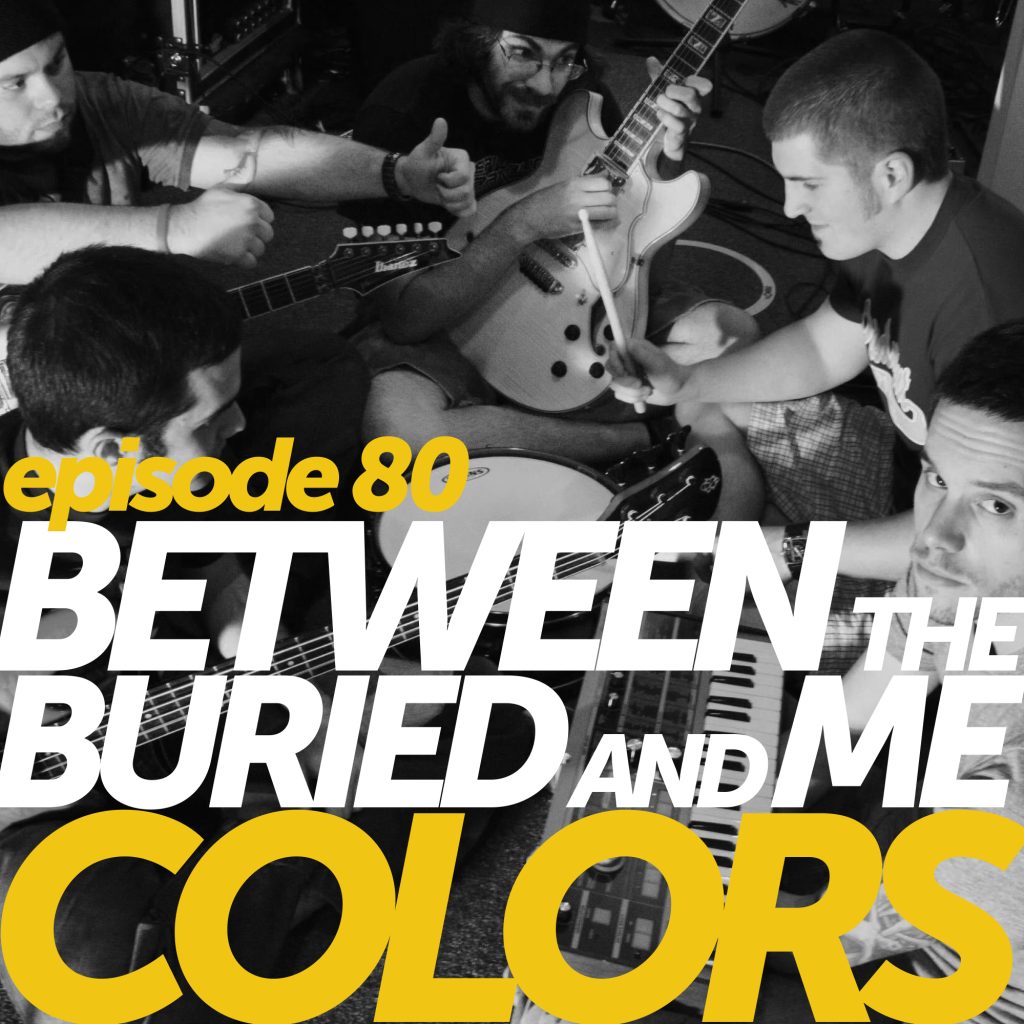
Episode 80: Between the Buried and Me’s “Colors”
Music can be this?! Five North Carolina dudes took the full range of the human spirit and musical styles into the woodshed, and from the loom came a technicolor dreamcoat of power, precision, and progress that we’ve worn with pride through nearly 20 years of long, strange trip. Join us in looking back with gratitude for getting to be there during a special band’s watershed moment and looking ahead with renewed enthusiasm for the boundless possibilities still beyond the dark side of the moon.

Episode 79: FKA Twigs’s “LP1”
As the 2010s cleaved culture into fractals and alienated humans from their being, Tahliah Barnett beamed down from the cosmos, a biblically accurate angel contorting into shapes embodying pure emotion. Her singular, decade-defining debut offers prescient wisdom for our AI age: the path to the world begins back in our bodies. When (FKA) Twigs moves, you move.
Episode 78: The Chemical Brothers’s “Exit Planet Dust”
Time's funny, innit? As today's youth excavate the nineteen hundred and nineties for the ecstasy of seemingly simpler times, here lies a fossil record containing so much of the DNA of how it was done — layers upon limestone layers of cultural source code. Keep digging and you might just find a place to get off your biscuits. The Big Beat goes on.
Episode 77: Otoboke Beaver’s “Super Champon”
For our money, this is what running through the halls of your high school and screaming at the top of your lungs actually feels like. And why *shouldn’t* the unreal world be a 250-BPM confetti cannon of primal-screaming sweetness? Take 21 mere minutes to blast-beat your brain and body into a fireworks show and then let’s shopping after.
Episode 76: Chic’s “C’est Chic”
This episode’s meaning is neither deep nor hidden: the Nile is a river. To good times, that is. If the savoir faire, stellar musicianship, and seismic influence of Nile Rodgers and Bernard Edwards’ organization don't suit you, then to cite a very wise t-shirt: “disco doesn't suck; you just can't dance.”
Episode 75: Nas’s “Illmatic”
Illmatic’s impact on hip-hop is a foregone conclusion — one listen and it ain’t hard to tell why. But as we unpacked the lyrical density, the layered samples, and the hyperlocal lens of Nas taking us to the Bridge, we found they represent, represent something deeper in the American mythos and our cultural consciousness. In the land of the free and home of the brave, life may be a bitch, but the world is yours.
Episode 74: N.E.R.D’s “In Search Of…”
It may be true that No One Ever Really Dies, but at the turn of the millennium, a young, wild, and free new wave in culture most certainly came alive. Whether or not you were around and aware in the moment of the Neptunes’ cultural dominance—and the decidedly counter-cultural bomb N*E*R*D planted underground—it's worth the star trek to the 21st century sound and style’s Big Bang.
Episode 73: Odetta’s “It’s a Mighty World”
Odetta — a must-know titan of American music and culture — once noted that young people “learn about American history through battles.” But her dream of liberation was shaped much differently: “I learned about the United States through this music, through the songs that I sing.” As we live through the kind of historical moment that makes most folks want to lie down and die, we can — like many heroes before us, from MLK to Maya Angelou — look to the legacy of 1964 and Odetta for strength to insist upon our lives.
Episode 72: R.D. Burman’s “Shalimar”
Once upon a time in Bollywood, one magical man made enough music to fill a million moments—and made space for hundreds of other artists along the way. Of the 331 scores “Pancham” composed in his lifetime, 1978's “Shalimar” is a uniquely compelling introduction to his technical prowess, transcendent alchemy of cultures, and tremendously joyful love of a life full of song.
Episode 71: Marianne Faithfull’s “Broken English”
“That’s the thing about pretty faces… We don’t expect them to belong to the fighters— the junkies and monks and cockroaches who’ll survive every atomic bomb and suicide attempt and outlive us all.” - Lindsay Zoladz Broken English is searing, singular snapshot of surviving to spite the devils (who’ve gotten far too much sympathy in the story so far). You’ll love it forever with its good and bad weather. We may have lost Marianne Faithfull this year, but not before she outran the darkness. As we close out a dark year and look ahead for light, there’s a lesson to...
Episode 70: Sade’s “Love Deluxe”
Any denier that all art is political need look no further than the smoothed-out soul slipstream of Sade, a group defined by its economics. Rare output, minimal arrangements, reserved volume, and, of course, the premium implied by “Love Deluxe”—a title derived from the idea that true love is among a precious few luxuries that can’t be bought. Our world’s clearly longing for more longing, and we discovered a truly transcendent delicacy as we unboxed Sade’s brand of desire.
Episode 69: Charles Mingus’s “The Black Saint and the Sinner Lady”
When you think of true "artists" in music, who comes to mind? Charles Mingus embodied its romantic ideal, for better and for worse. His magnum opus "Black Saint" is more than even jazz's cosmic form can hold—it's the full-bodied essence of a master composer, peerlessly inventive bassist, and clairvoyant critic of the real America. In it, you’ll find what his collaborator Gunther Schuller called "the widest ranging musics you can find composed by one single human being."
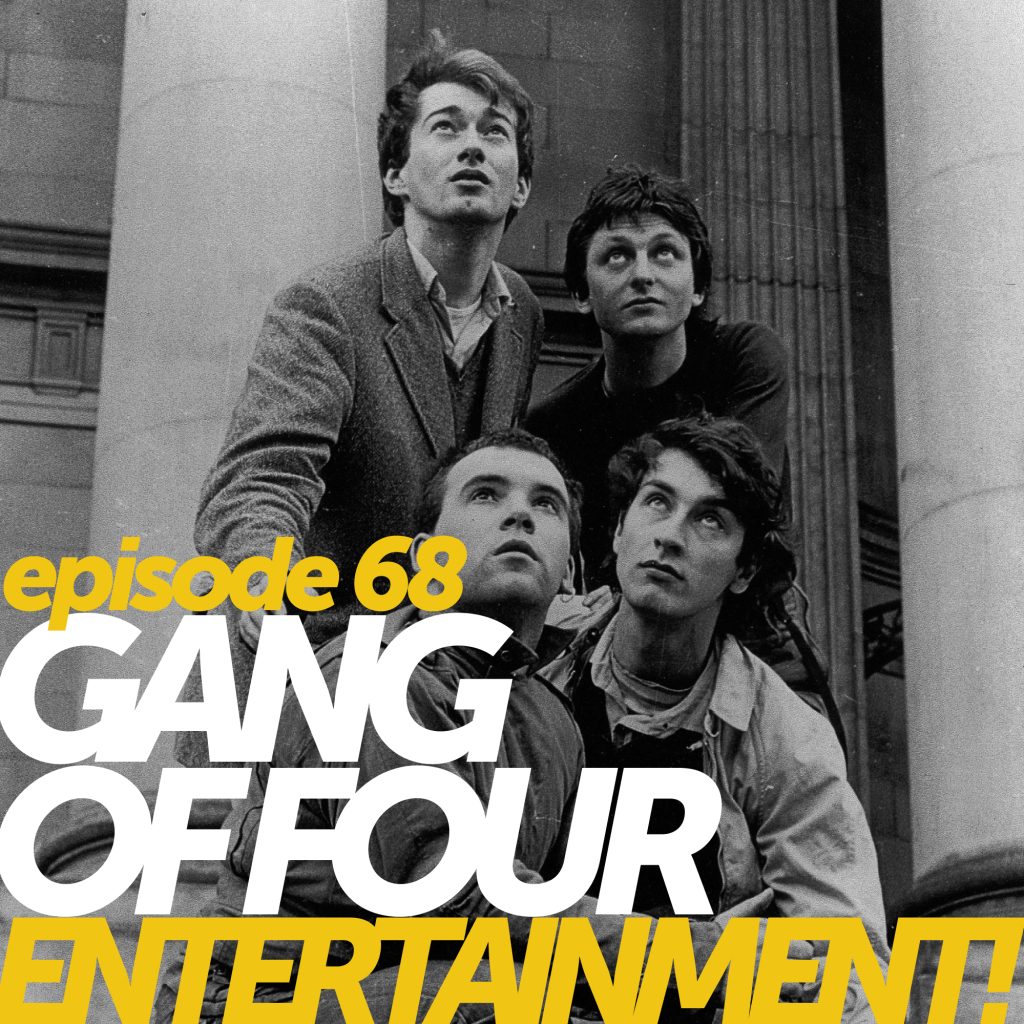
Episode 68: Gang of Four’s “Entertainment!”
“Entertainment!” is described by Gang of Four’s Jon King as “a record about young people smiling and dancing in the face of disaster.” Uh oh, sound familiar? This Leeds-born slab of Brechtian boogie reminds us that to navigate a world where everything is (small-p) political, dancing and dialectics belong together. Free your ass and your mind will follow.

Episode 67: Brooks & Dunn’s “Brand New Man”
This is the tale of two lonesome cowboys who got down, turned around, and went to town catching lightning in a bottle on their first try together. Whether or not their decade-defining country anthems lit a flame in your eye in the 90s like they did ours, Ronnie and Kix offer a lens through which outlaws, in-laws, crooks, and straights alike can look for ways to learn to love again.
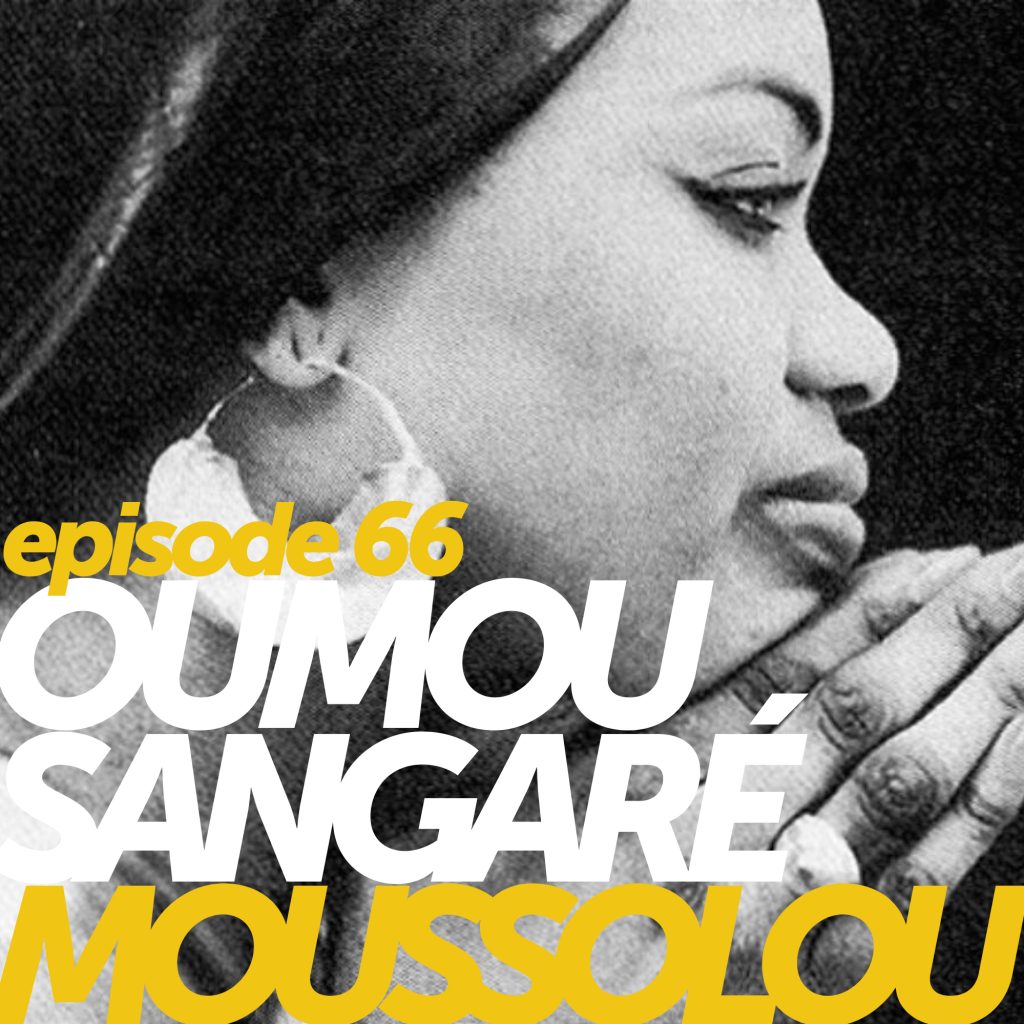
Episode 66: Oumou Sangaré’s “Moussolou”
The name "Oumou" derives from an Arabic word meaning "mother of." It is associated with dignity, wisdom, and maternal strength. Southern Mali’s Oumou Sangare has come to embody her namesake for millions around the world, and it all began when she was just 19 years old, channeling the magical music of hunters through her powerful and purposeful voice and creating a moment that captivated an entire country. Hers is a story everyone should know.
Episode 65: Missy Elliott’s “Supa Dupa Fly”
In the words of one of her groundbreaking forebears, “You feel free? You want to try some wild s**t? Thank Missy.” Since the very first frame of “The Rain” entered our eyeballs, Missy has made the avant-garde accessible, pointing us to a future full of more funk and more fun simply by standing fully in the splendor of her space-age self. Come (supa dupa) fly with us back to the moment where Missy’s magic began.
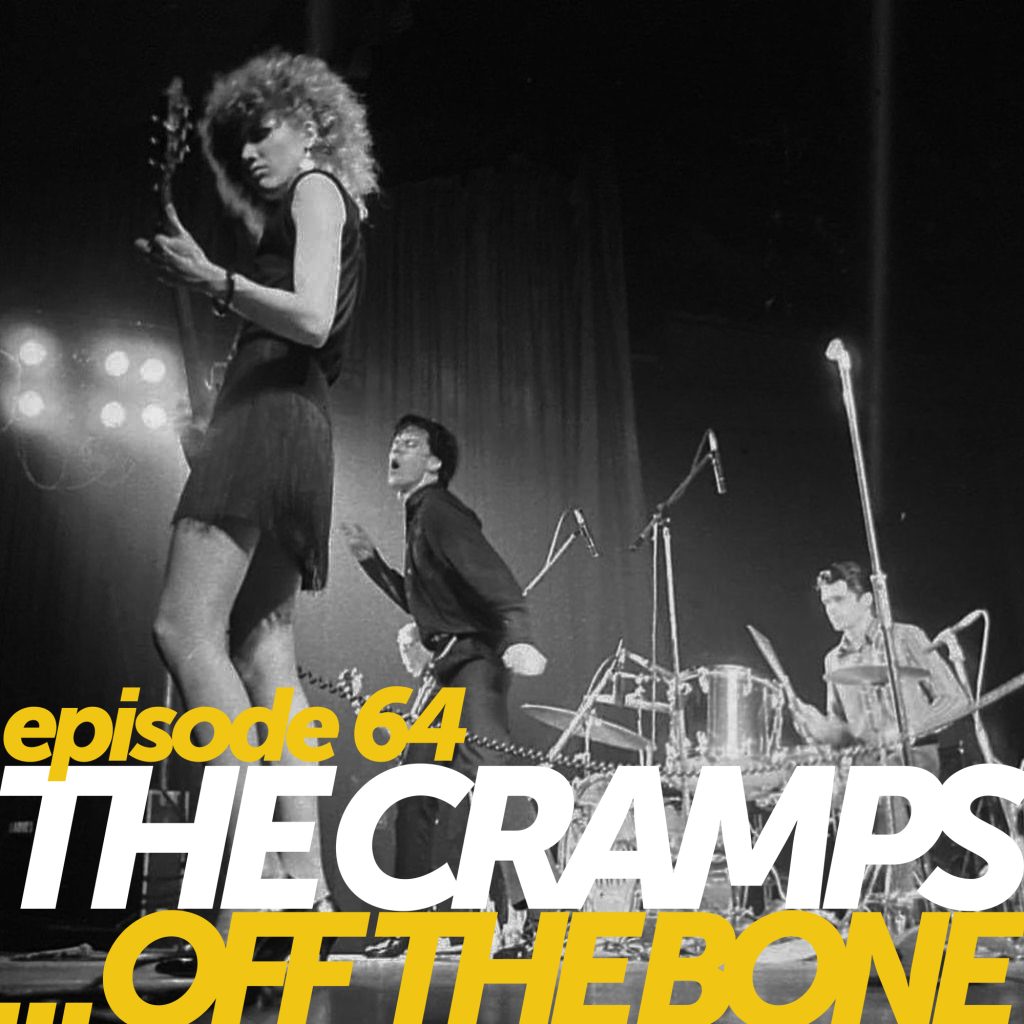
Episode 64: The Cramps’s “…Off the Bone”
God is a woman and she plays the guitar loud … y’all come catch some Holy Ghost in your hips. Hear our hallelujah for the love story of the queen of rock ‘n roll and the mad daddy holy rollin’ on a river—upstream all the way—and boot scootin’ through a fun and freaky heaven and earth of their own design. The Cramps were Dionysian, devilish, dangerous, and damn good, and they remind us that life can be, too. If you can’t dig this, you can’t dig nothin’.
Episode 63: Black Moth Super Rainbow’s “Dandelion Gum”
Life’s a bit heavy to chew on these days, so we reached into the pocket of our mid-2000s jeans and found an old piece of Dandelion Gum to chew on instead. As soon as its neon syrup hits your tongue, you’ll wonder why you hadn't let this "future pop for now people, today" melt you, melt you, melt you yet.
Episode 62: Project Pat’s “Mista Don’t Play: Everythangs Workin”
This life we're livin' is oh so beautiful. Take it from Patrick Houston, who has spread the gospel of the real for three decades, followed by a discipleship that has shaped 21st century culture in his image. For those still alive in 2025 by the grace of God, let us give flowers to the man from the North North.

Episode 61: Grace Jones’s “Nightclubbing”
Not a woman. Not a man. A revolution. Music’s long history is littered with larger-than-life characters whose mythology shapes reality for the masses — and few loom larger than the mighty Grace Jones. “Nightclubbing” without context is a tremendous body of songs worth anyone’s time, but after a deep dive into Grace’s time at Compass Point, you’ll agree that it’s a vital work.

Episode 60: Paramore’s “This Is Why”
The menace and melancholy of modern life have sentenced scores of young people to the gilded prison of nostalgia — but much to our surprise, a band of recovering Southern pop-punks have an antidote. For anyone willing to “sit still long enough to listen to yourself,” their new music’s sharp rhythmic angles and sharper lyrical reflections frame a doorway through which to free our big feelings and forge ahead.

Episode 59: Ennio Morricone’s “The Good, The Bad and The Ugly”
You know that five-note coyote howl. You may even know the classic film it helps power. But what do you know about the man behind those iconic moments? For our final exploration from our 2024 calendar, reflect with us on the genius of a maestro who could make magic with a mere fistful of notes, who poured forth from his soul a foundation upon which much of 20th century popular culture was built.

Episode 58: TLC’s “CrazySexyCool”
Vision. Bravery. Originality. The 30th anniversary of the ATL-exported opus — by the highest-selling girl group of all time — offered us a chance to reflect on all the ways our hometown heroes ran so some of the 21st century’s most iconic artists could fly.

Episode 57: Kendrick Lamar’s “good kid, m.A.A.d city”
Before the Super Bowl, the super beef, the Pulitzer, or PGLang, one good kid and king-to-be sojourned from South Central to the height of the American promise and rained down lightning that united one nation under a groove. You’ll feel the energy of this episode from two planets away — hop in the van real quick and let’s roll out.

TuneDig Episode 56: Cocteau Twins’s “Heaven or Las Vegas”
Dream of ethereal waves of sound swirling around you—and words you can’t make out saying more than you could imagine—as you float back upstream with us toward the warmth of Cocteau Twins’ decade-defining masterpiece, which still ripples across a vast pool of influences 25 years on.

TuneDig Episode 55: Jeff Buckley’s “Grace”
Once upon a time, “your favorite artist’s favorite artist” wasn’t a Midwest princess, but a “mystery white boy” beloved by Bob Dylan and Adele alike. Jeff Buckley’s signature Grace is on the shortlist of transcendent albums every living being should experience, because, as one industry vet put it: “it’s all in there, isn’t it? It’s just all in there.”

TuneDig Episode 54: Botch’s “We Are the Romans”
"We Are the Romans" is a visceral, vital document guaranteed to make you feel something from its first notes — and there’s never been a better time to stop and smell the roses from a group just now getting its long-overdue flowers.

TuneDig Episode 53: Ravi Shankar’s “Three Ragas”
Ravi Shankar lived one of the twentieth century’s most extraordinary lives, bearing witness to—and making—history all around the world. To many (especially in the West), he personified an extraordinarily complex style of music and the cultures from which it was borne, and he worked hard to make it look easy.

TuneDig Episode 52: Alain Goraguer’s “La Planète Sauvage”
Gather ’round, sommeliers of the strange and crate-digging boogie children, for something “Strange! Frightening! Fascinating!” awaits. The soundtrack to Cannes 1973’s Jury Prize-winning film is a dazzling, surreal, avant-garde hymn to cosmic knowledge and compassion and a secret handshake among real heads. If you’re after a trip to a new dimension, here’s your one small step for man.

TuneDig Episode 51: Marvin Gaye’s “I Want You”
Marvin Gaye’s well of soul power ran mighty deep, and deep into his career, he pulled up a bucket of ice-cold, silky smooth champagne called “I Want You.” Come for the lush instrumentation, vocal harmonies, and Leon Ware clinic; stay for the stories. For our return from hiatus, we observe a titan in his element, reflect on the pain that built him into one, and consider how to reconcile our feelings when complicated messengers deliver beauty to our door.
SEASON 6

TuneDig Episode 50: Funkadelic’s “Maggot Brain”
Before uniting one nation under a groove, the lysergic lords of chaos in Funkadelic harnessed wild lightning into an amulet called Maggot Brain, bestowing the bearer with raw, dark power stronger than any force known to man. Between reaching our 50th episode and coping with the “maggots in the mind” of today’s universe, it felt like the right time to free our minds. We hope y’all’s asses will follow.

TuneDig Episode 49: Alice Coltrane’s “Journey in Satchidananda”
The story of Alice Coltrane — an accomplished bebop pianist from Detroit who transcended into something far greater before walking away from public life altogether — is a glimpse into what it means to be truly free. Alice’s masterpiece "Journey in Satchidananda" is a cosmic dance that sparked creation from destruction. And in a time when we’re all desperately searching for a spark of meaning and hope, Journey abides abundantly.

TuneDig Episode 48: Heart’s “Little Queen”
Take a moment to appreciate Ann and Nancy Wilson, who kicked down the doors of rock ‘n’ roll’s boys’ club with their peerless guitar work, soaring soul vocals, and tight songcraft. 1977’s Little Queen — an oft-overlooked gem in the classic rock canon — offers a snapshot of those elements at their most urgent and pure, powered by the Wilsons’ simple motivation (as described by their producer): “It was a war.”

TuneDig Episode 47: Tangerine Dream’s “Phaedra”
When you think of “electronic music,” what comes to mind may not be a genre you deeply love — hip-hop, house, new wave, or even dub reggae — but all of it owes some debt, scientifically or otherwise, to Tangerine Dream. Dig in with us as we study a prime example of the band’s brand of effortful innovation, where they patiently and persistently labored at the cutting edge of electronic technology to open a portal to new worlds in our minds.

TuneDig Episode 46: Olivia Rodrigo’s “SOUR”
Did you catch one of 2021’s biggest albums, or like us, did you almost overlook it? If you have any expectations of pop music, "SOUR" will likely subvert them. Teenage dream this is not; it’s an exquisitely universal portrait of a weird time to be alive.

TuneDig Episode 45: Fela Kuti’s “Expensive Shit”
The story of Fela Kuti — one of the most famous people on an *entire continent* passionately struggling to liberate power to more people — is absolutely one worth deeply knowing, regardless of whether you find yourself drawn to Afrobeat or (cringe) “world music.” But once you know it, it’s almost impossible not to fall in love with Fela and Afrika 70 as their revolutionary grooves rewire your brain in magical and meaningful ways.

TuneDig Episode 44: Meshuggah’s “ObZen”
Meshuggah’s ObZen—an artifact of human creativity pushing the limits of what’s possible—will quite literally make you hear music differently. If you’re looking for a new musical adventure, and especially if you don’t think you like “heavy” or “weird” music, consider this your sign to push past your comfort zone.

TuneDig Episode 43: mewithoutYou’s “Catch For Us the Foxes”
A misunderstood wise man once said “Let him who seeks continue seeking until he finds.” In our most personal and vulnerable episode yet, we do some seeking through the lens of songs that fill us with the bravery and sincerity to love ourselves and others fully. Dig deep with us as we fish for words about our tiny place in the universe and dance with gratitude for our ability to do so.

TuneDig Episode 42: Erykah Badu’s “Mama’s Gun”
Y’all tryna raise your vibrations? Erykah Badu is here to help. Season 6 kicks off with a meditation on realness and what being on “your own wavelength” really means. (Spoiler: it ain’t a single frequency — it’s a whole spectrum.)
FRIDAY HEAVY
For lifelong headbangers and the musically curious alike, a new podcast from TuneDig is here to push your palette with aggressive, abrasive art. Each short, fast-paced episode offers (1) a new metal, punk, noise, or experimental release we recommend, (2) a related playlist we’ve curated, and (3) a heavy issue to consider and an organization doing something about it. Join us in the void.

Friday Heavy: End of Year Review 2022
It was a great year in heavy music. In this episode, we look back at all the new releases we featured and the curated playlists they spawned.
It was a NOT great year in many other ways. We leave you with a parting message of encouragement to connect your energy and angst to on-the-ground organizations doing the work in your community.


Friday Heavy: November 11, 2022
This week, we discuss:
- He Is Legend – Endless Hallway
- Curated playlist sussing out the depths of He Is Legend’s roots, weirdness, and attitude
- Protect Our Winters (POW)

Friday Heavy: October 28, 2022
This week, we discuss:
- Witch Fever – “Congregation”
- Curated playlist of eclectic, high energy that might get your inner goth stoked on (briefly) going out
- Housing Justice League

Friday Heavy: October 14, 2022
This week, we discuss:
- The Lord † Petra Haden – “Devotional”
- Friday Heavy playlist densely packed with thick, meditative vibrations across the spectrum of drone
- Multidisciplinary Association for Psychedelic Studies (MAPS)

Friday Heavy: September 30, 2022
This week, we discuss:
- Escuela Grind – “Memory Theater”
- Friday Heavy playlist dedicated to the absolutely fucking hostile energy that powerviolence can bring to radical inclusion
- Zealous

Friday Heavy: September 16, 2022
This week, we discuss:
- Holy Fawn – Dimensional Bleed
- Friday Heavy playlist showcasing the incalculably extensive and wildly diverse Shoegaze Cinematic Universe (aka post-rock)
- MTB Atlanta

Friday Heavy: September 2, 2022
This week, we discuss:
- The Callous Daoboys – “Celebrity Therapist”
- Friday Heavy playlist confronting the under-appreciation of Atlanta’s heavy and weird music scene
- Mississippi Rapid Response Coalition – Water Fund

Friday Heavy: August 19, 2022
This week, we discuss:
- Osees – “A Foul Form”
- Friday Heavy playlist fuzzed out on oddball punk that smells like cigarettes just thinking about it
- Women on the Rise GA

Friday Heavy: August 5, 2022
This week, we discuss:
- Chat Pile – “God’s Country”
- Friday Heavy playlist with, uh, a bunch of very pissed off songs directed at christofascist terrorism
- The Grocery Spot

Friday Heavy: July 22, 2022
This week, we discuss:
- WAKE – “Thought Form Descent”
- Friday Heavy playlist that anchors its sound in modern production of sludge, blackened death, and post-metal
- The Planetary Society

Friday Heavy: July 8, 2022
This week, we discuss:
1. Vomit Forth – “Seething Malevolence”
2. Friday Heavy playlist that’s unsettling in the best way, leaving you feeling a little off your axis
3. Trees Atlanta

Friday Heavy: June 24, 2022
This week, we discuss:
1. CANDY – “Heaven is Here”
2. Friday Heavy playlist packed with off-the-beaten-path punk and hardcore from bands that deserve space on your battle jacket
3. Round Rock Black Parents Association

Friday Heavy: June 10, 2022
This week, we discuss:
1. Sasquatch – “Fever Fantasy”
2. Friday Heavy playlist of heavy grooves for late desert nights and hazy generator parties
3. Feed Buffalo

Friday Heavy: May 27, 2022
This week, we discuss:
1. Decapitated – “Cancer Culture”
2. Friday Heavy playlist stacked with bands putting their unique and modern spin on (occasionally tech) death metal
3. PropelATL

Friday Heavy: May 13, 2022
This week, we discuss:
1. Primitive Man – “Insurmountable”
2. Friday Heavy playlist full of SLOW, enveloping, massive and crunchy tone and big feedback
3. National Network of Abortion Funds

Friday Heavy: April 29, 2022
This week, we discuss:
1. Heriot – “Profound Morality”
2. Friday Heavy playlist packed with mid-tempo, huge guitar tone, big atmosphere and lots of industrial grit and grind
3. Invisible People

Friday Heavy: April 15, 2022
This week, we discuss:
1. Greyhaven – “The Bright And Beautiful World”
2. Friday Heavy playlist for fans of more choatic + melodic combinations
3. Campaign for Working Families

Friday Heavy: April 1, 2022
This week, we discuss:
1. Meshuggah – “Immutable”
2. Friday Heavy playlist full of high quality Meshuggah aping that AIN’T “djent”
3. The Bail Project

Friday Heavy: March 18, 2022
This week, we discuss:
1. Soul Glo – “Diaspora Problems”
2. Friday Heavy playlist with 20+ songs in under 40 minutes, (almost) all under 2 minutes each
3. Equality Texas

Friday Heavy: March 4, 2022
This week, we discuss:
1. Vein.fm – “This World Is Going To Ruin You”
2. Friday Heavy playlist exploring more of Will Putney’s work
3. Books to Prisoners
SEASON 5

TuneDig Episode 41: Miles Davis’s “Bitches Brew”
Let’s be clear: "Bitches Brew" is a challenging record, even to some of the best musicians in the world — but all of them say it’s worth the investment. It’s the kind of trip that, even if we *could* draw a map, it wouldn’t take you there. Let go of the need for meaning and enjoy the ride with us. We can promise you’ll be pleasantly surprised where you end up.

TuneDig Episode 40: Fiona Apple’s “Tidal”
On the heels of one of 2020's most acclaimed albums — Fiona Apple’s Fetch the Bolt Cutters — we revisited Apple’s debut Tidal and wound up working to extract ourselves from the mostly male gazes that made its reception … much different. We arrive at a question much like writer Jenn Pelly had: “People would constantly prod Fiona on how an 18-year-old could write songs as mature as these ... Why did they not ask instead how she became a genius?”

TuneDig Episode 39: Death Grips’s “The Money Store”
The modern world is accelerating beyond our control, shaping our reality in ways we can’t yet perceive or understand. Enter Death Grips, an art project capturing the chaotic energy and illustrating the absurdity of our hubris in trying to harmonize the surreal and extremely real — never more perfectly than on 2012’s prescient "The Money Store".

TuneDig Episode 38: Augustus Pablo’s “King Tubbys Meets Rockers Uptown”
Reggae music is easy to take for granted, but its impact is underappreciated and massive — in the case of dub in particular, everyone from Radiohead to Johnny Rotten to Run-DMC owes it a debt. Augustus Pablo and King Tubby together created what’s regarded as “one of the finest examples of dub ever recorded.” Join us as we dive into the culture, history, and unique engineering experiments that made it possible.

TuneDig Episode 37: Rihanna’s “ANTI”
By every measure — sales, awards, chart-toppers, global name recognition — Rihanna is objectively as big as the Beatles ever were. In fact, ANTI is so big it’s still on the charts, a record five full years later. Take a closer look with us at “the record you make when you don’t need to sell records”, and get a taste of the true freedom that comes from focusing on your inner voice when faced with insurmountable expectations.

TuneDig Episode 36: Son House’s “Father of Folk Blues”
All American music traces back to the blues, and deep at the root sits Son House. That the recordings on "Father of Folk Blues" even exist is something of a gray area that cuts to the heart of the great American myth, but wherever you land after hearing these stories, you’ll find that what matters most is what the great Muddy Waters once said of House: “That man was the king.”

TuneDig Episode 35: Melvins’s “Stoner Witch”
The futility of describing the Melvins has stretched critics in the direction of absurd words like “Dadaist” for nearly 40 years now. They’ve belligerently flogged any attempt to pinpoint their essence simply by being themselves, but "Stoner Witch" remains a reliable mall directory for the Melvins’ vast and wild discography. Grab yourself some pretzel bites.

TuneDig Episode 34: Dolly Parton’s “Jolene”
We should talk about Dolly the way we talk about Prince. Her extraordinary kindness and unique kitsch both make her universally loved, but what gets left out of the conversation is the very thing that made her famous: the music. Join in as we focus attention on the sonics and songwriting of the low-key masterpiece "Jolene".

TuneDig Episode 33: The Allman Brothers Band’s “The Allman Brothers Band”
Six enlightened rogues out of Macon, Georgia birthed an entire genre simply by being their soul-powered selves. We have not come to testify, but we’re still hung up on the dream The Allman Brothers Band helped us see. By the end of this episode, you will be, too.
TUNEDIG RADIO


SEASON 4


SEASON 3


SEASON 2




SEASON 1


BONUS TRACK EPISODES

BONUS TRACK: How We Got Here
We got a bunch of interesting listener feedback in our off-season, and it encouraged us to shed some light on why we do things the way we do ‘em. Also, we reflect on our first writeup, which was ... interesting.
WHO WE ARE
We're Cliff (right) and Kyle (left). We’re two dudes born and raised in ATL with day jobs in tech and sustainability, respectively.
We met in middle school, and in one way or another, music’s been the thing that’s kept us close for the two decades since — whether it’s sharing and talking about new music (like this podcast, except in our texts or over beers), going to shows, or working with our favorite record stores to help them survive and thrive.
We started TuneDig as a little art project that connects us more deeply ourselves and to the world through the infinite gift of music. We hope you’ll join us for the conversations, let us know what you think, and share discoveries of your own.
More About TuneDig
TuneDig began as a little something called MusicGrid.me, which we created after realizing there was no place online to directly exchange music recommendations with your friends. Our aim was simple: to make rating albums simple, useful, and social. We got some love from places like Mashable, Wired, Evolver.fm, and Hypebot. We managed to foster conversation between music lovers, get thousands of reviews, and meet great people.
Along the way, we realized that record stores were an essential part of the music lovers’ community. After many a conversation about how we could helpfully connect them to the people who loved them, we began helping them leverage technology to create new revenue streams and embrace streaming services without giving up what’s unique to them: expertise and curation. (Long live the counter clerk who knows exactly which record will be the right introduction to jazz fusion!)
TuneDig is our vision to connect music lovers with the music they love, because no matter how much has changed in the way we discover and enjoy music, recommendations from people you trust and respect will always be the best way to find new music you’ll dig. With this podcast, we’re channeling the spirit of trusted curation pioneered by record stores, and bringing you something to take you deeper into music you can love.