
TuneDig is an in-depth and informed conversation between two lifelong friends about the power of music — one album at a time.
In each episode, we go down the rabbit hole to spend a while in the strange world we discover. We take an honest look at creativity in all its complexity—from writing and production to history and cultural impact.
We promise you’ll learn something new every time, no matter how much you already love the album we explore.
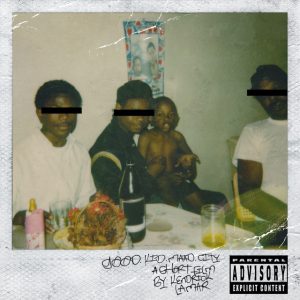
Episode 57
good kid, m.A.A.d city
Kendrick Lamar
Before the Super Bowl, the super beef, the Pulitzer, or PGLang, one good kid and king-to-be sojourned from South Central to the height of the American promise and rained down lightning that united one nation under a groove. You’ll feel the energy of this episode from two planets away — hop in the van real quick and let’s roll out.
Transcript
Kyle: Today, we’re talking about good kid, mad city by Kendrick Lamar.
Cliff: Everybody? Everybody?
Kyle: How long has this been on the list? As long as we’ve had a list if you had a Rolling Stone 500, I feel like this would be in the top 20. Is that fair to say?
Cliff: Oh, for sure. Yeah, easy.
Kyle: friends, thanks for joining us. talk about Pulitzer prize winner and proud son of Compton, California. Kendrick Lamar Duckworth. Just 37 tender years old, who you likely best know for his recent public execution of Degrassi star and suspected sex criminal, Aubrey Graham song of the summer owner 2024 with a diss track.
And now that it’s football season band sensation, not like us. I don’t feel off base and saying Kendrick owned the zeitgeist. And to some degree reset the culture in 2024 as was so desperately needed. So before you watch him in the Superbowl in February, we thought we would rewind a bit and use the opportunity the calendar has afforded us to, um,
observe his first lightning bolt moment in the zeitgeist, so to speak, I would say we’re going to go where no man’s gone before, but as the research has shown, plethoras of them have, my God, is this a well dissected album?
Cliff: What we’re gonna do together is everybody. Everybody. Everybody. Everybody is gonna sit your bitch ass down and listen to this true motherfucking story told by Kendrick Lamar on Rosecrans. That’s what we’re gonna do together, okay? And that way, if you’ve made the criminal mistake of never having listened to this record enough, what I just did will be in your head first. then you’ll hear it in the music.
Kyle: I am not so foolish as to assume anybody who would listen to a music podcast in the year 2024 or beyond has not heard this record or
Cliff: I would hope not. I would hope not. But this is one of those, uh, uh, it’s very easy to come in swinging from the very top of this episode, like, We will list off the accolades, but mostly this is one of those stop what you’re doing moments. If you somehow haven’t even paid a little bit of attention to this, I try our best to talk about why this album is important, but I think it’s also personal to both of us.
This, I mean, straight up, this excited me in a way no other record did for like years around this. And there was a lot of hip hop coming out then, gave me hope for the future for the type of hip hop that I love and continues to be probably my favorite modern hip hop record,
Kyle: Yeah.
Cliff: top three, definitely.
But
Kyle: Yeah, and for me, you’re right, it was very personal for us, and we connected over it but because culture is accelerating so much, it’s so easy to forget especially because he’s continued to put out Watershed. Albums great art. What a moment this was and what a like perfect artifact it is kind of of its own merit.
So, I think it’ll be nice for me personally to just have one little capsule to remember all there is to appreciate about this record and what was happening in the culture at the time and to think about what it might mean It’s like Kendrick has given us so much more and life has gotten so much weirder along the way.
2012, for all of its bullshit, really was a simpler time. In retrospect, things are only getting more complicated.
Cliff: this record was so good. The Mayans did not even come back.
Kyle: may, but some would argue they did. And that’s when, that’s why things got weird after that. We just, we didn’t notice the vibe shift. Ha
Cliff: Yeah. I was sad when they didn’t pull through. So this was released October 22nd, 2012. So we’re, about 12 years out, uh, from the release nowadays. A lot of accolades we can go through here, but I think it’s worth noting part of the reason why it’s personal and all of a sudden maybe this is just getting older or whatever that means, but you start to think about specific things a lot more and this record was released probably at the end of that block of time where whatever music we paid attention to got in our bones way deeper than almost anything can anymore.
for me personally, right, this was sort of, well, no, both of us, and we were kind of like a few years into trying to be whatever form of adults we have to be to survive. And we were exploring what that meant for both of us and doing the best we could, and also still deeply connected to our own personalities, history.
We’re seeing a ton of shows by then together all the time, just like we haven’t all the time since then. But I. I love thinking about the periods of time now where I can specifically notice, like, yeah, when music drops in like a five year period in your life there’s a way that it gets in there that it never really can again.
And for me, this was probably right there on that tail end where I can just like, I remember a place we were in, in a car together talking about this record specifically. And Folks that you knew at Georgia State who like were telling you about how much they loved this record and how like this became like everyone was talking to each other about it and we were listening to it with like truly great anticipation as soon as it was out.
One of the last times I can remember listening to an album with intention as soon as it was humanly available.
Kyle: And I got to thank our buddy Brandon Roan, who was like the first big acolyte. He, he did the hip hop show, the bomb at Georgia state and was a buddy of our is a buddy of ours and was big on section 80. He was like the first big Kendrick head. And I’ve always known with Brandon, like if he likes it, it’s quality hip hop.
He’s a student of the game. so I don’t necessarily want to gloss over all the accolades because that was the first thing where I was like, Oh my God. Just the, the order of magnitude of it because, uh, you know, there, there’s always two axes popularity or like cultural print penetration in quality or artistic progress or density or whatever.
And I don’t know that there’s been a thing Certainly not an artist in the 21st century. That has been as high, as up into the right as Kendrick has. So let’s just run through a few of the things. This is, we’ll call it his second album after section 80. You know, people will say this is his debut cause this is his first major label record or whatever you like.
And that’s another thing of the era is mixtapes and whatever. It all gets kind of foggy. But he put out five mixtapes in the two thousands, the first in April, 2003. So like the man’s put in is. 10, 000 hours. Uh, it’s deceptive to call it a debut. He’s a entry level with 10 years of experience type cat debuted at number two on the billboard, 200 sold almost a quarter million copies in its first week, you know, and this is in the, as the streaming era begins so.
Crazy amount of sales. It’s still on the chart to this day, 622 weeks later, the first hip hop record to stay on the charts more than a decade. Surpassing the Eminem show is the longest running hip hop entry. So that puts it in a category with Dark Side of the Moon, Nevermind, Thriller, Rumors, Bob Marley’s Legend Metallica’s Black Album, ACDC’s Black and Black, Back in Black, and Greatest Hits entries from The Beatles, Credence, Journey, Queen, Tom Petty, and others.
It had five singles, all of which charted, and now multiple billion plus streamed tracks on Spotify from this album, one in the two billion ish category, four Grammy nominations, including Album of the Year, Lost to Daft Punk’s Random Access Memories, and yes, this is also the record that Macklemore Texted and posted an apology over because the heist won over good kid that’s a fun one to go back and look up.
That was a moment Uh, it topped many of the best of 2012 lists and it’s already 12 years on Number 115 on rolling stone’s all time top 500 and if you know the politics of rolling stone, you know It’s crazy that there’s a hip hop record that high he made 2011’s double XL freshman list with Mac Miller, big crit, Lil B, Sci Hi to Prince, YG, Yellow Wolf, Meek Mill, and a few other guys.
Snoop Dogg, arguable King of the West Coast, hailed him live on stage as the new leader of the West Coast, made Kendrick cry over that on stage. Pharrell called him this era’s Bob Dylan, masterful storytelling. Listen to it. It will elevate you. And just like that, music has changed. that’s crazy. The billion streams thing, I think is one of the ones that got me because most of the songs on this record have more streams than nearly all 36 chambers. Most of them. I went back and looked at classic hip hop records. And I, you know, I know it’s not apples to apples because people are consuming generationally music different ways, but When you go to compare records in the hip hop pantheon, it’s, there’s an enormity that’s like almost difficult to comprehend.
Cliff: One of the better things I feel like I can say about this record at least from, well, This is my fucking half podcast, so of course it’s coming from my perspective. One of the best things I can say about it, though, is like, all the accolades that you just said, certainly well deserved, representative of the quality of the record, and the artist, representative of the growth that we’d see from Kindred.
All that stuff is true, and also, 100 percent regardless of any of those details, this record is a masterpiece worth listening to regardless of whether anyone had ever cared about it at all. And for me, Even as not the hip hop head in this duo for sure, have my own barriers to entry, uh, with hip hop and especially leading up until this point, I was much more in the how do I follow Jurassic Five and other very weird, stylish, uh, Types of hip hop into whatever it would become in the coming decades.
And like this one yanked me back towards popular hip hop for lack of a better term, because right around this time is what watched the throne, the Carter for the, there’s a lot of stuff that was coming out then. But like, I didn’t give a shit about take care. And like, everyone loved that record then, like, you know, around 2012.
and so this one. Yeah, it’s not the debut for all of the great reasons that you point out, but the kind of seismic ness of the way that it drops through Interscope brings people like me back over and have been able to keep me curious about hip hop for the next 10 years based on this singular album alone.
Because as we will Keep talking about like for me. It was the first listen was oh shit. That was really good But I think that there’s more there and then the second through the like 30th listen was oh he cared about this It’s deep. There’s a lot of stuff here. Not just uh, not just deep in the emotional sense in the like No, no, he like, mementoed this thing, uh, like, Christopher Nolan produced this hip hop record.
It’s really weird it
Kyle: did, I did think of the hand drawn Inception map when I was thinking about this record. There’s definitely that layer of intentionality.
I do want to quickly say, I think it’s interesting. You pointed out you called out Jurassic five and that sort of thing. This was such an important intersection point for us as friends and fellow music fans, because we sort of represented opposite polarities in hip hop up to that point.
Like you were, I don’t want to paint you as like a conscious rap guy, but I think That’s where you became the most activated. Jurassic 5, Common, stuff like that. And then, I was way on the other end with like, Project Pat and Gucci Mane and all that sort of thing. And it, it’s very hard, I think still to this day, to find good intersection points.
And this was the moment. the, the blog era, as we’ll continue to refer to it, where we found really crazy good intersection points, especially in Kendrick and to a slightly, but not much less extent, Big K. R. I. T. it was interesting that this was like a watershed. Oh, there’s something for everybody who loves hip hop or music element here.
Cliff: Partly my naivete about hip hop led me to think that conscious hip hop was my more interesting angle into everything. I think lyrically, yes. We will talk about it, but one of the reasons I love
Kyle: place lyrics matter for you, Cliff?
Cliff: Yeah, cause it fucking matters!
Kyle: It’s central to the form.
Cliff: It’s a whole story, but In the vein of lyrics mattering, this was one where I can appreciate when people tell a really interesting story through words. Cool. It’s interesting. Um, but production wise, I took a parallel path to you for sure because like, all of my stuff was like LP, I’ll Sleep When You’re Dead and then 2012 was the Rainforest EP too, from Clams Casino, which was On repeat for sure.
So yeah, speaking of a blog rap and all that like for sure but this was for me An album where those two types of things met, like lyrics that meant a thing because it was personal and interesting and intricate, um, but production, that was, I mean, there’s a whole lot of interesting things about the production, including the fact that no one person produced this whole album at all.
But it merged more of the. I mean the, the samples and the tonality and the just kind of loose weirdness of everything, uh, and everything’s got a, yeah, and it’s, yeah, it’s got atmosphere, it’s got a little odd reverb to things or loops a little funny and almost kind of reminds me of, you’ll have to jog my memory now, but what is it that we were talking about that, Took that sampled the mini Ripperton vocal and turned it into like a drone.
Kyle: Oh, tribe. Yeah. Tip. Tip did that on one of the songs toward the end of Midnight Marauders.
Cliff: Thank
Kyle: Where he like, he like, he, he pitched it up just slightly. And it, it was. Insane that he took a fall, a piercing falsetto vocal. And if you just play the clip, you’re like, this is the worst sample idea ever, because it’s literally like the dumb and dumber, most annoying sound in the world.
But he, he blends it, he loops it and blends it so beautifully there. There is a lot of that tip Dilla style sampling where they just take little things and they chop them in ways that are. Not intuitive.
Cliff: Yep
well said on that and then I would just add the even pointing back to an earlier episode of Tune dig like La Planette Sauvage, the weird, we’re going to pull down every odd noise directly into a hip hop song and somehow it’s going to click directly into place like that.
It’s not as abstract here on Good Kid Mad City, but it, it feels like it comes from that lineage in a way that I always got down to. Plus I’m sure there’ll be a more intricate and delicate way of saying this, but. The beats are hard as shit though under all of that I and I think that’s something that’ll be easy not to say about this record, but should definitely be pointed out directly is like it’s It may be sensitive and thoughtful and interesting and it’ll still blow the shit out of your speakers.
Kyle: Yeah. And, and I think you have to listen to the earlier Kendrick projects, like even before section 80 to get an appreciation for this really sounded like the first time he had kind of a vision for a sonic palette and worked with people that could, Blend those sort of two ideals of like, it’s gotta be atmospheric and it’s, it’s gotta be something that I can rhyme over, but it’s also got to like.
really super go hard. And, you know, there have been multiple episodes where we’ve, we’ve talked about the beat, the beat, the beat, and the role of bass and low end and how that frequency hits you in a certain way. And it just would not be the same album. It would not be as primally affecting without the base.
If it was just a bunch of like boom, bat shit with no disrespect to, to like MC rap it would not be the same without some of the. West coast, southern trunk type vibe. I do think it’s worth clicking in just a little more on the blog era bit. And then move on for anyone who wasn’t there living it.
And like you remember. Our buddy Elliot and I had a blog. We were participants in the blog ecosystem with good old boys. Where, with like, obviously the big ones, two dope boys, not right. Fake shore drive scores of others. You know, this was pre needle drop, pre video, you, YouTuber, TikToker, that sort of thing. And like Tumblr was a huge one for. Anybody could start a thing. I would encourage folks to listen to a little bit of, there is a podcast called the blog era. that dissects what this phenomenon was. But the thing to know about it, I think, is that, um, there was an authenticity that came with it.
people were starting to de regionalize because they were finding stuff from all over, not just the mixtapes from where you were from, which was like a huge, huge shift. And it was influencing the sound and sort of like bringing things back down from the first wave of hip hop, regional hip hop being like a big pop phenomenon, thinking about like.
You know, New Orleans and 3 6 winning an Oscar and outcast and obviously L. A. stuff in the 90s. just in a, in a like 12 ish month period, we had, like you mentioned, watch the throne. We had good music’s cruel summer. And that, that run of singles that they put out on a blog, we had you know, arguably two of the biggest breakout stars of the mixtape era was Khalifa and currency.
They’re worked separately and together. And like cushion OJ, when I think about the blog era and mixed tapes, I think about cushion orange juice. You add Titty Boy rebranded in his two chains and coming out as like one of the hardest rappers of that era. You had Lil B, whose influence is still felt in pop culture to this day, and especially how contents put out and videos are made and that sort of thing.
You had the, the double album from Death Grips, speaking of another Toondig episode. You had Donald Glover becoming, uh, uh, like actually really legitimate. rapper moving past the, the, the whatever, whatever of the early days and putting out royalty and being right on the eve of because of the internet, you had channel orange from Frank Ocean on the back of a handful of years of odd future dominating this space.
Odd future should probably be the most synonymous with this era. And their influence Tyler’s especially still pervasive to this day. To this day, but you also had the return of Earl Sweatshirt and he was on, uh, Elimination Chamber and a song on Channel Orange and that was a huge, huge, huge thing culturally.
You had the pre run The Jewels. Meet up in killer. Mike’s rap music. And then you had trash talk, the sensational hardcore band of the internet era in the early 2010s signed to the odd future label. So it was just like a crazy convergence culture while things happening, but 2012 also an election year, also sort of like a polemic, uh, lightning rod year.
Politically. With, you know, Romney Ryan against the second Obama era and all the feelings around the 2012 apocalypse. Like the air was really crackly then in a different way than it is now, but it, it felt like a big time, I think, even as we were living it and then at the end of October comes this record and it was a collective.
Immediately unanimous. I think this was the one that complex or somebody within a week or two of it dropping said, this is an instant classic and it should be regarded as such. And then there was blowback with that. But Kendrick himself was like wait 10 years. And here we are 12 years on. And he was right as shit.
Anyway, it’s also interesting that the most timeless stuff came from like. Ecosystems. So, you know, in the nineties there was Dungeon Family and Wu-Tang and stuff like that. But thinking about Top Dog, TDE, giving us Kendrick Absol school voice as a thinking about odd future, thinking about ASAP Mob, just like a really, a really potent time and still this came out almost immediately on top and has stayed there.
Cliff: It’s been fun to check out reviews, thought pieces, whatever from about this record from about the time it came out the year afterwards because of how many people said to your point. Basically, clock it. Come back in 10 years and tell me I’m not right about this. And uh, living in an age where people are constantly prophesying something that becomes immediately falsifiable 30 seconds after they fucking say it all
Kyle: that, what was that Twitter account? Coldest takes or something?
Cliff: it’s enough to make a smart person not want to be alive anymore. So, so it’s a nice relief to see like, no, no, no, there are moments where we can, some of us can still see a little bit in the future and go, no, I’m right about this. It’s good. that’s hard to pull. one thing that feels dorky to say, but also important to say.
And then I can just like kick the dorkiness to the curve and talk about it. I guess it’s worth saying about this record. It is a concept record, like in the sort of larger, vague sense of concept albums. And even though that’s perhaps more traditionally associated with weird ass genres like prog or something like that.
It’s worth mentioning one because it’s worth calling out all the details that are in here and we won’t touch all of them for sure But some of them that make them interesting But secondly like I don’t know There’s probably some people listening to this who hear the phrase concept album and will generally recoil at that idea At the risk of cheesiness.
I see you I feel you I hear you I think that that’s generally a good response to have this one’s fun, dude. This one’s like You Sort of like, if the MCU was cool to talk about.
Kyle: Is this the first concept album we’ve talked about on the podcast? Probably for all the reasons you’ve mentioned. Is ArchAndroid a concept album?
Cliff: yeah. I would say yes. Um, but this is definitely the, I had concepts of a concept album. this is the most sort of like Vaguely like we’re doing a thing but i’m not going to do it in order for you or make it easy for you to consume at all So yeah, I would definitely pull janelle monáe’s record into that category.
But this one takes you in the I enjoy the space this particular concept record occupies, because my favorite type of concept is just like a parties theme. This exists, and you can care about it, but if you don’t, no one will say anything to you. That’s exactly how I want my Halloween parties, and that’s how I like my weird records.
Kyle: It adds, but it doesn’t detract. You can still enjoy these as a collection of songs without thinking too hard about the story.
Cliff: Just like you could enjoy Human Clay without doing Creed Quest. It’s exactly like that, but Creed Quest, you know, really augmented the experience. so, when we say that it’s a concept album, there’s just a few things that help going into it if you’re not already aware of them. In the most basic sense, like, this is a story that Kendrick is telling about himself.
He is telling it though, and here are some very important details. It is extremely non linear and when I made like a memento reference earlier, that’s probably my best reference for sort of how this twists around it is It’s not nearly confrontational in the way that it orders its own story.
Um, but what it does instead, again, if you just kind of lean back and take it, what’s cool about it, uh, is that it’s just a story that comes to you just fine and piles up references as you go along that feel clever. You don’t have to follow every path if you don’t want to, but you can basically make this a choose your own adventure type of book.
Where you don’t choose the adventure, you just go to a page and then it tells you to go to another page, if you’d like to continue the story. But, it is, like it’s kind of hard to express this nuance it is not a fanciful or imaginary story about him, but it is also not entirely true. It’s not autobiographical.
It’s not designed to be a historical document, but it is very much about him and putting it sort of in the silliest sense. Like, it’s the story of K Dot, the character in the story, becoming Kendrick Lamar, the person who is telling you the story where he dips in and becomes present day himself on two of the tracks.
To tell you about the stories in which he’s past himself, telling you other stories. It’s all good stuff, man. But, you know, we can kind of walk through all the details of that and why it’s cool and exciting or whatever. But like, it’s an album that has a cover art with a Polaroid of Kendrick on it.
With his uncle and grandfather. In the middle of this story that he’s talking about. Uh, and then right there on the cover in the album. Scribble letters that you may not have noticed like good kid mad city is called a short film by Kendrick Lamar on the album itself So this is one of those nice moments.
I feel like we have these in episodes where it’s like, okay, like calm down Don’t get too nerdy. It’s not that big of a deal. It’s not rush But it is pretty cool, and it is from somebody who cared a lot about music and put a lot of details into it. And so if you want to go down that route, you can. That is one of the ways that you can enjoy this record for sure.
But it’s also it’s just good music. And you don’t have to think about it if you don’t want to.
Kyle: One thing also that strikes me about the concept is the importance of place. this record is super duper Compton. And I can’t think of many other records that are as about A literal place, grounded in a literal place as it is. And I, I learned in reading about his relationship with Compton, there’s, there’s tons of layers to it, but you know, he was six years old when the chronic came out, and obviously Dre e peed this. record. So it’s, it’s full circle in a lot of ways, but he has talked about a watershed moment for him was when he was eight, his dad took him to watch the filming of the California love video with Dre and Pac like in the neighborhood in Compton. And that being a super formative thing, thinking about that as like his Beatles Shea stadium moment, like that was for so many rock musicians is kind of incredible.
You know, when you think about the global transcendence of this record it’s also so local, it’s so steeped in place. And it adds to the storytelling, but it also adds to the sonic quality as well.
Cliff: That’s not only an awesome point, but I think a really cool segue actually. So the placeness of it is definitely real and truly visceral. Even with a halfway active, listen you can feel it. It’s street names, it’s album names and artists names, it’s places and things and everything that sets it in a particular moment.
So I think to that end, so. A couple of the things that we do for each other, uh, to help other people think about how to experience these records is. Talk about a couple specific exercises that we do for every album and one of them is How do you kind of take this one in fresh either again? Probably not for the first time but if it’s the first time in a long time, or if you’re just trying to go Kind of harder into it than you have before and give it some appreciation we talk about things that surprise us as we did that and then sort of interesting context to hear the record So i’d actually love to talk about then interesting context to hear the record because a Albums that have a placeness to them feel like they tend to have tend to be more sensitive to their context I think is a way to say it for me, that’s two almost opposite things that I found really interesting about this record As one I’ve listened to a lot over the years You know, 12 years now.
One is driving. It feels like driving. So if I want to feel like I’m driving, or if I am driving, and I like that feeling, this is the one. It’s really easy to put on, feels good, sounds good, and has a real, like, weather quality.
Kyle: Mm
Cliff: you can feel a temperature and a humidity to it. You can kind of feel like there are people around or not.
The other thing that’s interesting though, or the other context that’s interesting for this one, which usually doesn’t work this way, is I can really focus listening to this. And I usually have a lot of trouble with hip hop because I want to hear everything that’s being said. I think this one probably crossed the Rubicon into, you already know these words, we don’t need to think about this anymore.
Kyle: hmm.
Cliff: And At that point, it just, it recedes back to the level that Clam’s Casino occupies of just like driving it forward, helping me keep up with a little bit of a sense of time, but otherwise just sort of like thinking about what I’m doing and having a vibe that sits around me. But this one is definitely one that can be kind of stretched into either of those extremes for me.
Was curious how it hits you.
Kyle: I always love thinking about this prompt in particular for the episodes now. And I started with basically the two ends like you have, and then I kept listing contexts where it really worked for me, not forcing it. And I was shocked by how many places it worked. So it’s great for focus time, which is crazy for such a verbose like rap ass rap record where Kendrick really like demands your attention.
And I have some, I have some thoughts on maybe why you can slip back out of it as well. It works on a playlist for a party, bitch don’t kill my vibe and swimming pools, especially, but other things as well. It works for like lower key, more intimate, vibey, like kickback or just you and one person type of, you know, thinking about like poetic justice being on the same record.
It works for working out. It works for writing your, like, sparking your own creativity. You can play it on the PA at a sporting event or front of house at a show. There’s just a huge amount of versatility in it contextually. And I think that’s probably part of the secret is it does have a little bit of everything in it and, you know, thinking about.
all the huge records, iconic records that we listed off at the beginning from Billboard, thinking about it like a Nevermind where there’s Teen Spirit and Lithium or In Bloom and Polly. There’s a similar thing here and there’s double the amount of it. Like it’s, it’s over an hour, just the main record.
And then there’s a whole bunch of other songs that he made that belong to this period. So there’s a lot. There’s a lot you can do with it. And again, I’m hard pressed to think about records that stretch in that many directions.
Cliff: So to that end, being surprised at how wide it stretches and then how many directions. So I can still remember being surprised by this record the first times that I listened to it but then giving it fresh attention again. the way that you shift into is like the more attention you pay to it, the more you get a little bit back out of it.
Uh, and the first level you have fun paying enough attention and energy into, you get the reward back of like, Okay, he’s clever. He’s a good rapper. Okay. This is, this is fun. Okay. You know, good production is clever and it’s got like, kind of like a cinematic quality to it. He’s, he’s got something that makes it feel gritty and you can sort of experience a little bit of that.
And then it’s, whether it’s subsequent listens, whether it’s harder or different listens or whatever. You know, one of my, one of my favorite ways to go into the. Further level of a record is the next time you’re on an airplane. Don’t put your eyeballs on anything. Listen to a record until the plane takes off.
When you go deeper into this one, that’s like the story element that we’ve been talking about and then sort of teasing, like all of a sudden it’s like you put on, 3d glasses or whatever And in the things you were looking at before sort of have a new shape and start to point to each other in different ways And for me That’s exactly the type of thing I’m looking for in records is getting something back out of my like emotional and energetic investment into the real time listening of that music.
We talk about so many different levels of appreciating things, and there are so many ways to enjoy an album because of what it means or because of its history or its influences. And you can hear all of those things, but this one feels special while you’re listening to it. And you can tell because you get it back.
As soon as you put it in while this record’s going on and that probably more than anything is what still stands out to me
Kyle: I noticed a handful of things. It’s so fun with a record that you’re so intimately familiar with to try to reset your brain and do it for the first time. One, I think, in a loudness wars time and an attention wars time, When this came out, opening so atmospherically and to your point, cinematically, it was a clear choice, uh, it fades in slowly after the prayer, you know, after like a, a cutaway snippet, if you’re watching a movie and then it, fades from black and that’s, that’s just really interesting.
Especially when you have songs toward the end, like real and Compton that are like big but they’re more of an epilogue. And then it, it commands your attention or it has some level of hypnosis over you, depending on how presently you’re trying to listen. So a couple of specific things. One is. I didn’t really regard the production super seriously as part of the reason I love this record so much for a long time, but it really rewards repeat listens and headphone listens.
Um, there were more beat switches in this record than I ever remembered things that could have been separate songs on different projects for different artists. He, he mashed together like at least five times. And then there’s stuff like strings that I. I associate with like latter day Dr. Dre that’s big trying to go for kind of classic feel.
And then to the point of like, how can you lean out when there’s so much density to this record? Kendrick has a thing like three stacks to me where he has such an idiosyncratic His voice is unusual sounding talking and, and rapping and pseudo singing. His cadences are so unusual. So like the timbre of his voice is immediately recognizable and then he manipulates it in really interesting ways.
and. Like, so he’ll, he’ll lock in, he’ll like skate or ride on a beat in a way that kind of hypnotizes you. And then he’ll, he stacks his vocals, interestingly, it’s a bit like Alice in Chains where it’s like not quite a harmony or it’s a weird harmony. And it’s, it’s totally unique to him.
voice is such an instrument on this thing. So not only are the lyrics really powerful and what he does as a wordsmith, but the way he uses his voice as an instrument to deliver, doubles, triples, 10 X’s the impact. And the fact that he’s clearly thinking about the dimension of that, puts him in like the kind of top echelon hip hop wise.
Cliff: I have no credentials from which to agree with you, but I agree with you.
Kyle: okay. So we’ve started speculating on his intent a little bit or thinking about it. Clearly intent, uh, forethought is, um, it’s kind of a hallmark of who Kendrick is as an artist. So let’s talk a little bit more about his intent, his headspace,
Cliff: No,
Kyle: how, how it came to formulate the
thing.
Cliff: No. Yeah. No, that’s great He actually gives us quite a few quotes thanks to a complex interview at the time we like to oh, this is my favorite toondig thing. Let’s talk about how we talk about ourselves we try to avoid conjecture in the sense that Uh, it’s no fun to listen to two fucking strangers talk about what they think someone thought about while they were in the studio making a great record.
That’s boring. There’s
Kyle: I’m also hyper aware of the optics of two white guys who grew up in the suburbs, speculating on anything related to hip hop culture.
Treading
Cliff: authentic Compton experience?
Kyle: Yeah, we’re, we’re, we’re gentrifying just by opening our mouths.
Cliff: Like, I’m from Atlanta, but that doesn’t get you all the way to let’s talk about life in Compton. Yeah.
Um,
Kyle: I walked around downtown Atlanta barefoot while I was a student at Georgia State, but, uh, there’s still a huge, huge cultural barrier.
Cliff: I was gonna put on shoes, but I’m with the homies right now, One thing that’s great though about a concept record is it is going to channel a way for us to talk about What he says his intention is but also he sets it up pretty clearly such that we can just follow the story Without having to overly diagnose it, I think.
So he says, kind of all about this album, quote, These songs, they come naturally for me to write off of the experience I grew up with, and the things I had been around. It’s just what we were going through. It’s easy for me to write real stories, rather than making up stories. A crazy story. Okay. So again, that’s just sort of reinforcing what we were mentioning earlier.
It’s a story about himself. It’s clever. It’s interesting and it’s creative, but it’s not necessarily a fanciful version of himself in one way or the other. He’s trying to tell stories in a way that he experienced at the time. And so, in that sense, an important thing to draw out, uh, it’s a completely non linear story.
To the reference you just made kyle this record starts off on track this starts off with a song that has the Lord’s Prayer being uttered at the beginning, uh, and then later on in that song, there’s like a call from Kendrick’s mom to Kendrick’s cell phone. there is where you can start, if you give a shit about this aspect that we’re talking about, where you can start to connect really fun dots.
Cause immediately, uh, the, I mean, I guess this is a spoiler. I don’t know. But the Lord’s Prayer at the beginning is connected to later in the story, like the neighbors praying with them because someone just got shot. It’s tying together different songs. It does not come in order at all. The phone call that you hear at the end of, uh, Charain, that first track there.
Like that phone call is a reference to something Kendrick references throughout other songs in which he borrows his mom’s van for quote 15 minutes to go Meet up with Shireen. 15 minutes doesn’t work for anybody in that case. So you can tell that he was just lying to his poor mama. And his dad did not get his dominoes in time.
Kyle: My damn dominoes.
Cliff: But even like the, the last line of the song, like leads directly into Bitch Don’t Kill My Vibe. Like the whole thing is connected in a way that is both so direct that it is clearly intentional, but also so. Discombobulated that it’s clear that he’s not like playing 4D chess or whatever. He’s just making it interesting for you, uh, and letting you feel what it felt like to experience a pretty serious series of events.
You know, inside of his own head.
Kyle: It’s very Terrence Malick y to me. It’s very like, okay, so this is a short film. I was trying to think about what filmic qualities I get, and Memento is a good one, but you sort of have to reorder the linearity of that for it to make sense. Um, Terrence Malick is more like scenes and impressions, you know, that stack up into inviting you into a world.
But I also. It took me a long time before the prayers thing connected for me, because there are songs after sing for me where the prayer is and, you know, some people would say that that’s the end of the record, but there’s two more songs. It is a little confusing to know in the digital age because there’s 37 versions of this shit. and I could have sworn when this thing like I Mandela affected, uh, I have a memory of Sing for Me being the end of this record, maybe just because it’s 12 minutes long. It’s like where the brain kind of naturally stops. But I feel like I’m writing a letterbox review in my head when I’m like, well, the tone of the one at the beginning with just the young men doing it sounds like gearing up for battle or a pregame thing.
And then the one at the end is because they’ve grown and they’ve shed. The, uh, their young man’s foolishness. They’re relying on the wisdom and care of the elders in the older neighbor and it’s, it’s full circle in that, you know, they’ve, they’ve had to go through the Lord of the Flies darkness to get where they are into manhood and It’s an incredibly subtle way to, to signal that sort of a shift to me.
Cliff: Yeah, and plus we would, this podcast would literally spontaneously cease to exist if we did not mention this first track It’s very Atlantan Kendrick said he was in Atlanta when the business gave him the beat Which is a cool Sentence just period no matter how many things are capitalized inside of it moving into the next song In the non linear narrative story of this album. everybody’s favorite 2012 song, I’m sure. Bitch, don’t kill my vibe. Because we could all remember it, sing it, it felt good. All of those neat things. So here’s a fun moment where, okay, we’ve dropped in one song into a concept record that’s about an important story of his childhood.
This next song does not take place on that timeline at all Isn’t about it it it has little fun connections. Like I said with the with the lyrics in the pat in the You know just prior song and all that stuff so it’s still fun, right but uh, it is not about the story itself anymore There are two places where kindred basically steps outside of that past version of himself On this record and this is one of the two This one. Well, there’s a lot of fluffy useless shit. We can say about this song for sure Because everybody likes it, but this is one of those You Sample heavy songs that feel so good to go back and devolve back into their original and hear it. I don’t even know if I can say this correctly, um, but it samples, well, I can say boom clap bachelors correctly.
I can say that part. But they’re 2018 Teidenfleiver. They’re Danish. So we’re just going to say Teidenfleiver like that. Um, but it was a Danish electronic group. But like the, once you’ve heard the Kendrick song first and you go back and listen to this, this sounds like, uh, if like, the sound of music was hard, somehow, uh, it would feel like listening to this, I not only enjoy that, but also the, the odd ass trivia that Lady Gaga was supposed to be on the song, and was not.
Kyle: Incredible.
Cliff: Apparently for no bad or weird reasons, just didn’t happen. Okay. Okay.
Kyle: line. And they did that, uh, they did another song that never saw the light of day party, nauseous. Um, And then this is the, um, the boom clap bachelor sample. That she later used as. An interlude, like a live only interlude at the art pop ball.
The boom clap bachelor sample. The beach house sample. On I think money trees. And the lady Gaga feature is like, that’s such a relic of the. Um, 2012 cultural convergence. Moment. unusual for today and also super passe. So like, I don’t think we’re seeing quite as much weird mashup probably because so much of it was happening in this like specific small bottle moment.
Like I’m also thinking about, the Timu version of that would be the Miley Cyrus, Mike will track where she’s in a Michael Jordan Jersey. The, uh, the, this is the good. Quality version of that. And I think they, but I, like, I think it’s safe to say that because they both thought so. When the album came out, Gaga posted her version on Twitter and Kendrick said to double XL, I didn’t even know she was going to put that out, but I was cool with it.
It showed people we wasn’t playing with it. We was actually in the studio vibing out when we recorded for her to put it out even undone. That says a lot that says she’s confident not only about her work, but my work.
Cliff: That just feels rad. Maybe I’m projecting onto it, but that just feels rad. It feels like, I could never hear another Lady Gaga song and be fine, but I’m fine with her personally, whatever. As far as I’ve ever heard or seen, she’s someone who cares about the quality of her performances, uh, in the music that she’s writing, the performances she puts on, whatever, dude.
So
Kyle: She’s an immense natural talent, a truly committed craftsperson, and a rare original in this world. And to say that you worked with Kendrick Lamar and Tony Bennett those two creds alone, in addition to the scores of things she’s done culturally, uh, in being a culture shifter, I have a huge respect for Gaga.
Nothing but love for Gaga in this house.
Cliff: a hundred percent. Like has been a theme in these last many episodes lately when artists who are good talk about other artists being good pay attention Usually that means something cool And you can always smell the difference between that and a my publicist made me write this instagram caption because this is a sabrina carpenter feature on a schoolboy q album now or some shit like that Um You can always sense it.
Kyle: And the breeders going on tour with Olivia Rodrigo falls somewhere between. Also worth noting with this song there’s a J, there’s a remix with Jay Z on it and it’s a whole ass different song. Like he did different verses. In my opinion, far inferior to the original, which speaks to the quality and singularity of Kendrick.
people are obviously entitled to their opinions, but I love the single artwork when they put the remix out, it’s the photo of Kobe and Jordan next to each other with their hands on their knees between plays. And that, uh, that really says a thing about the headspace and the confidence, and it’s not wrong. extrapolating on that little bit is its own podcast episode. I’ll go get smoked for my hot takes.
Cliff: you know, one thing Kendrick said about this song, which I think supports the cover art that you were just mentioning, He was saying, uh, he kind of jumped into a quote here. He says, that’s really one big subliminal at everybody getting mixed in a situation where everybody wants to have creative control.
Okay. So what he’s trying to say is we’re in a situation a lot of times where everybody wants to have creative control over the thing. And he said, that’s the vibe I wanted to kill. That’s why I threw that record out like a past effort. And if you listen to some of the words, it’s real intricate, but it makes he wants to be great.
Stop fucking it up. Can we do that now? That’s why I like that song so much in my own way I understand this feeling quite a bit. Okay, I have I have suffered you as long as I possibly can I am done. I am ready to move forward. Can we keep this vibe
Kyle: Here’s a billboard hit single about why I will simply not pass the aux.
Cliff: Because you lost your privilege next track is awesome I love this because now we’re gonna drop right back into the narrative with basically like a prequel To the next song itself, but this is great because
Kyle: To know you is to know and still be jarred to this day by how often and out of context you say non sequiturs from this song. Where did that come from?
And it’s like very out of character, too. It’s like not of all the songs you could have picked to quote at random. Very, very uncliffed selection, but it’s part of what makes you you and I love you for it.
Cliff: Every now and then I like things and i’m not sure what to do It’s a fascinating moment.
Kyle: You have two modes. I love this thing or I’m going to Larry David about this thing for sure. But I’ll use loud noises for both of them.
Cliff: I probably identify specifically with the idea behind the song because of how visceral it is to make a 16 year old version of yourself and tell a story from that perspective. It’s like, there’s such a feel to it. Uh, and it comes with such a swirl of dumb emotions. I don’t know why, but this one in particular brings out the feeling of, um, Remembering what it was like to think dumb shit when I was 16, but think that it was smart shit.
And that feeling really kills me now. it is sandpaper on my soul to think about those moments before you even, like, woke up to anything. Um, and you were so full of hubris.
Kyle: Thank God Zanga got obliterated off the face of the earth, where most of those thoughts went, uh, faster.
Cliff: Yes, I am also glad. I do not need to add what I’m currently listening to when I write things about how sad I am. Those are not a combination of things that we need to give each other anymore. Anyway, Backseat Freestyle, Kendrick said, This is just me capturing the moment of being 16 and saying the most outlandish shit when you are around your homeboys and you’re around whoever, okay?
He said, It’s the stuff you really don’t care what you’re talking about. It’s the type of way that we used to talk. Mike. Well, let me complete the quote. That’s dope. Because that was me going as ignorant as possible and they are still analyzing it as ignorant as possible and putting national stats behind it.
That is funny.
Kyle: That is funny.
Cliff: end quote, don’t overthink it. It’s a song about the type I, the type of shit I would say when I was 16, like, oh, my dick is as big as the Eiffel Tower. Wow. That’d be neat. I feel bad for saying wow. I don’t like the way that I said that at all afterwards But yeah to be able to like step back and then take this little moment Into not only like I guess a little bit of vulnerability talking about being stupid when you’re 16 But like this actually sets really important context for everything else that happens to him like the overarching story That’s being told here is not overly nuanced.
It’s like it’s literally in the title like He’s a good kid. He’s trapped in a bad place. He’s realizing he’s trapped in a bad place, and is gonna have to figure out whether he wants to stay in the bad place and survive, or get out of the bad place and thrive. that’s the whole story. And so stepping back though this far, to where like, he’s freestyling in the backseat with his friends, as you will later find out, uh, as, uh, Part of a story that wouldn’t turn out so great.
This is the type of shit that they would say to each other. And like the way that it captures the true moment of like, no, I was 16 and an idiot. So remember that when I tell you everything else that’s about to happen, this is such a clever way to do it. Much better than either talking down on yourself or otherwise just trying to verbalize that experience at all.
Instead just being yourself and trying to speak and write from that moment will always connect with me. I think. I’m
Kyle: reasons that are not necessarily all bad frankly often necessary hip hop. Has tended to be a mask, a prison sometimes to make you bigger than you are. So where he deliberately Has these moments of like no i’m gonna do the mask the masculinity. I I want to make it clear That it’s a farce that like I I’m aware that i’m not Like i’m not really a gangster.
I don’t have it in me Again, interesting. And so like, rather than saying it out loud, he’s giving you he’s bringing you into a moment where he’s, he’s doing that. And where he’s under thinking air quotes lyrically. I think back to the me without you episode where we talked about like different players had the lead on different songs.
Like it was their moment at different times. This is a huge one from a production standpoint because hit boy. Great producer is arguably overthinking to, to the tune of flawless execution. he did a making of, for genius that, that breaks it down a bit. But I also, I remember like probably two years ago at this point, sending you a tick talk where they showed the intricacy of the sample.
There’s a, a version of your soy Cubano. There’s a little bit of an AC DC flip. And then an unlicensed sample from a Powerpuff Girls episode, which reminded me when we talked about Death Grips, that the one song has one of the Williams sisters grunting when she’s returning a serve. And it’s got the you know, the Metro Transit taking off, uh, from a YouTube video, like not even a field recording they got themselves.
So like really incredible work to dial in something really specific by Hitboy on this one.
Cliff: So going straight out of that, we keep dropping into songs that take us further along this narrative. But, uh, if you haven’t noticed the theme yet, uh, it’s always the story, but weird. So here, Art of Peer Pressure. First of all, I speaking of remembering the first times that I listened to records up until this point in listening to the album, I was pretty stoked.
We were good to go. This one was like, this is going to be one of my favorite records ever.
Kyle: Oh, man.
Cliff: the, he is telling me a story and he’s telling me. So many things so quickly that I can’t even, I don’t think, digest it while I’m listening to everything that he’s saying. I’m not a well read enough person to make an explicit author reference here.
Uh, but the people who give you tremendous amounts of detail, this is what that kind of feels like all of a sudden. Um, But it also Speaking of it being the story and weird Narratives picking up. It’s also basically two songs squeezed together there’s like a kind of Preamble, Kendrick telling you he’s about to start telling you the story.
And then the song kind of drops out, starts again, and then he starts the actual story. Which, again, if you were, you know, making everything as simple and easy as possible, theoretically, this is your first song. This is you kind of dropping into the whole story and going from there and actually telling the interesting things that are happening.
But, again Part of the reason we’re even sort of going track by track right now is, like, add in the really thoughtful, masterful context of, like, but instead of telling you a story either starting here or telling you a story leading up to this point, he’s sort of giving you a collage. Of things that he’s experiencing around this, before this, during this, through it, all of that, so that by the time you get to the actual story, you’re carrying some emotional weight with you at this point.
People mean things a little bit, uh, and you can, honestly, you start to get the sense of danger as this track goes along, which is Which is really cool.
Kyle: I saw him compared in multiple sources to James Joyce. So looking for author comparisons the stream of consciousness and kind of immersion of James Joyce among other authors. But yeah, it’s, very writerly.
Cliff: So this one samples another Danish group The Danish group suspect the song is held. I lean I think Again, we’re not gonna overthink very particular Danish pronunciations today but one of the things for me that I really love about this, aside from just the level of detail and the way that it brings you into the story.
One of the ways that it brings you into the story, I think in a really clever way it would be insufferable to dissect things at this level. On every hip hop song, it would be the worst version of, like, ARgenius. com that I can imagine. However One particular vignette to me, you can anchor people.
Well, you can anchor some people to points in time by referencing other music in your music and the way that in this one, they talk about bumping the first Jeezy album, and then later in the song, they quote it again. Last time I checked out was the man on these streets, like that’s from, let’s get it, thug motivation, one Oh one I, Cliff, was not riding around listening to Thug Motivation 101 in exactly this moment, but I know what he’s talking about, and I know about what time he’s talking about, and I know some of the stuff of that record, and I know enough to know the vibe and the feeling of it.
And like, now, someone who has never been a 16 year old in a car cruising around Compton probably about to get into trouble, I can at least share a little bit of that now. I get it. I can feel some of it. And I just, I love how both obvious and clever it is to just like reference the songs that are always on in the background when you were that age at that time.
Cause all we were ever doing was getting into cars and then going somewhere else to entertain ourselves. Cause we didn’t want to be at home and we had cars, but we lived in places where we had to be in them to get anywhere.
Kyle: Yeah. And there was also. Then Mr. Raymond Lederberg came on and, um, what was the other one you pointed out? Oh, E 40. Big ballin with my homies. But there’s like snippets and then he, he references, there’s like threads. He weaves little details like that through often more than once. Which is, is cool.
Because that’s when it’s your world, when it’s the stuff you’re into at that point, it’s a detail that doesn’t pop up just once out of novelty. And I guess if we’re comparing, uh, more filmic touchpoints, that’s very Richard Linklater, it’s about youth and it’s about connecting to little details.
Um, Like the music that was playing on the radio the day you got out of high school
Cliff: Money Trees has one of the heaviest lines I’ve lyrically.
Um. Which, again, the first time I listened to it, I didn’t clock the story, so the line, everybody gonna respect the shooter, but the one in front of the gun lives forever was enough on its own. To be a pretty memorable line, I would take away to begin with. Um, but then, again, like we were talking about, when you invest in the story, you understand he’s, he’s talking about the story. Um, and there are, sure, there are a lot of moments where the, the quips that he’s making are things that you can, you know, abstract away from it for sure. But, I mean, he’s, he’s talking about real stuff here, including real people that really died, um, that he really knew and were his family and friends. And so, that is the emotionally appropriate context in which to bring in a Beach House sample.
Kyle: Which is a, I didn’t think we’d be able to jump episode to episode on this one, but
beach house, the spiritual successor to the cocktail twins as evidenced by signing to Bella union and being the central artist at Bella union. So, Having her in Las Vegas in the Good Kid, Mad City makes it we just kept on baking it.
But again, a relic of the, a relic of the time that he came up, I also have associated that line with Nip since he got shot. and Kendrick and Nipsey both being from Compton. Um, it’s one of those, it’s, it took on a new dimension after a new thing happened, but you know, very much emblematic of the, the darker parts of the world that they came from.
And I know, Kendrick carries Nip with him in his heart and I know Nipsey would have been so blown away to see everything that has happened for Kendrick in the past few years. And Especially the past year and how, how he’s been a torchbearer for the culture and all the transcendent things that Nipsey was trying to do.
I’ll stop down to say like I don’t necessarily believe that Nip ever put out a project on the level of what Kendrick has done. But he’s one of the most important. Figures in 21st century music culture. and it’s just like a, a good ass human who was gone too soon. So, there are probably, while there are a lot of people who have listened to this record and know it really well and are revisiting things that they love and appreciate about it, I would suspect there are a lot of people who love this record.
Who also don’t know that much about Nip and his story, and that is a rabbit hole I would, I can’t encourage you strongly enough to go down he is something of a hero to me with the things that he did and he stood for and we would all do well to be a little more like Nip.
Cliff: Certainly your preview at the end of the episode where we tell you a million different directions to go in. It’s going to be bad this time, folks, but Nipsey Hussle is a pretty good local exit if you’d like to get off the interstate. That’ll take you in the right direction for
Kyle: 405.
Cliff: My mind just, uh, cycled through at least ten very funny things that I’m choosing not to put on tape that would allow us to transition into the song that has Drake on it.
Kyle: Ah.
Yeah, speaking of R. I. P. Aubrey Graham.
Cliff: He doesn’t get more space than, than we’ll allow here. Um, so, so here’s, here’s how this little segment is going to go. Um, so this is exactly why we avoid conjecture and try to just speak about the thing. Okay. So here was the thing at the time where this song was recorded. Kendrick and Drake were okay making music together.
Okay, Kendrick was on tour with Drake. He was on take care This was a little basic reciprocal thing And even though i’d argue that drake’s verse here is literally the weakest part of this entire album it’s still a really cool song It adds to the narrative we’ve talked about this before, much to Kyle’s chagrin looking at my face while I say this.
Uh, I really do appreciate a good sexy hip hop song. Uh, like, one that’s written eloquently. And this Well, Kendrick says the song is about a chick saying her legs are poems. Alright, good enough for me, man. I can follow you down that path.
Kyle: I respect that. Women are great.
Cliff: yep. And without, again, going too far down the concept album rabbit hole this is a song about Theraine the main woman in the story itself.
And so this is, it’s giving you some interesting mental tracks into what was going on for him. Again, emotionally and, uh, intellectually, uh, if you want to go that far during this time. But, again, another good m opportunity to point out how visceral it feels to talk about the things that you felt when things were happening as opposed to trying to judge them and tell a story about them now.
Once again, this does an awesome job and probably has the most obvious sample on the album, the
Kyle: But god, such a good one. Oh, A Janet classic.
Cliff: Anytime, anyplace.
Kyle: I saw somebody call this song a spiritual successor to electric relaxation. that’s a little more like hollering honey. This is a little more like one on one, you know, his house you’re going to type thing. But, same, but you’re talking about growing a sexy hip hop to two great examples spanning across decades.
Cliff: Next song. Good kid.
Kyle: Yeah. Then now you get into like the core
of the, of the story, the, the like linchpin end of second, beginning of third act, this is the climactic part.
Cliff: Yes, and increasingly, on this track and the next one especially, ones where we don’t have to tell you what he’s saying too much. If you want to know, you can read them this time. Like he’s actually talking about the song in the song, but One fun little, for lack of a better term, kind of Easter egg.
Again, he’s always throwing a level of detail extra on top, if you’ll go back and notice. So this is, you know, name of the album is Good Kid, Mad City. This song is Good Kid. The next song is Mad City. This song has no profanity in it. Little details like that. Where it’s just like, if we can give it one more element of making the point of whatever story element we’re talking about right now.
we’re going to do it and go a little bit further into it. And here is a, is our best way of saying this, that it’s an interpolation of, we live in Brooklyn or would you describe it a different way?
Kyle: Yeah, I think it’s an interpolate. I’m thinking of that, uh, that luxury guy that is always talking about, is this a sampler or an interpolation? Pharrell produced this one. He is singing the interpolation of Roy Ayers. We live in Brooklyn, baby Which I think is an interesting choice because that’s another super place based place minded song Uh, and the the sort of charge in that one is our time is now It is now and future minded so May you know easy to speculate hard to know maybe a little bit of a like Toss off thing, but uh, Roy Ayers, I think cosmically very much going for the same thing as a Kendrick.
Roy Ayers we also invoked on the Erykah Badu episode because he has featured on a song. And certainly everybody loves the sunshine being like a, a big staple of the Black experience. Roy Ayer is another great rabbit hole used to great effect here.
Cliff: We’re eventually going to need a meme that’s like Pharrell mentioned. That’s kind of like turning into our, uh, he’s, he’s one of the top three characters that we talked about that we talk about that we haven’t talked about yet.
Kyle: Yeah. Yeah, yeah. The Toondig Cinematic Universe is kind of turning into like that Simpsons poster with all the little minor characters. he’s definitely up near the front. Ha
Cliff: You make a song, says we’re running on the top of a cop car, Cliff and Kyle are gonna be fans, so.
Kyle: Ah.
Cliff: So out of Good Kid and into Mad City, for what it’s worth, if you are following along with this, uh, MCU ass saga in order going through Good Kid and Mad City is going to dump you out before Money Tree Swimming Pool and Sing About Me. So you’ll have a little bit of fun order to go in, uh, if you want to follow it that way.
But. Mainly, I think, the thing worth pointing out on this one is all the samples, yeah?
Kyle: 13 of them by who sampled’s count and because it is essentially two songs you have The kind of more soul part bb king’s change and chains and things Uh, and then there’s a five stair steps sample or portion of a sample, but then there’s like a a lot of almost feels like kendrick His personal Rushmore type thing because there’s samples or interpolations of Kanye of Ice Cube of orangey and eight dogs regulate of reset by outcasts for by big boy from speaker box and a lot of other little pieces as well.
probably more important than that nugget, though, is that M. C. Eight. Is on this as a feature. And I think of like all the LA people that he could have put on this, especially with access to Dre. He could have had Snoop on this. He could have had Cube on this. He chose like a more authentic to the story type of character.
MCA was 159th Street Compton Crip. He was in the group Compton’s Most Wanted. He was the de facto leader of that group of MCs. probably most notably played AWACS in Menace to Society in 93. He extended that cred by playing a character called Ryder in GTA San Andreas. Which was all about gang factions.
And there was a content most wanted song on one of those radio stations. He had a notorious and longstanding beef with LA’s DJ quick. So like, I don’t know that it’s fair to call him the sunny barger of the Crips, but he’s a little bit of a, there’s a little bit of an analog there because he’s a pop culture figure who represents authentic gang life.
In South Central LA. I mean, he’s also just a, just a good ass MC. He’s nice. And so when you’re talking about mad city, I think it was a, it was a surgical choice to have MC eight of all the people he could have had. Uh, gotta be real, gotta be raw, gotta be somebody who can really tell the story authentically.
Cliff: I also like that you mentioned that, he’s nice. Nice people get fuckin promo’d on Toondig. Bring
Kyle: I meant like he’s nice on the mic, but yeah, I, I think by all accounts he seems like, uh, he seems like a nice dude. He’s made it this far.
Cliff: Yep. Alright, next up, another one that I love. Swimming pools. Drink. Why do I love it? I love it cause it’s a
Kyle: Known alcoholic Cliff Seal, that’s why.
Cliff: Yup. Why
Kyle: Cliff Seal.
Cliff: a song that sounds like a drink party drink song. That’s mostly about, Hey, drink is not so good for you song. I like that a lot. It’s also got a killer hook. It’s awesome. This is the number one or the first single off of this record at all.
Did a pretty good job, I think of. Hinting at the subversion that would come through the rest of the songs on this record. But in Kendrick’s words, quote, I wanted to do something that’s universal to everybody, but still true to myself. And what better way to make something universal than to speak about drinking?
Um, but then he goes on to talk about basically that drinking was a big part of growing up, uh, in his family. A lot of people drank, uh, and he was basically saying either you’re casually drinking or you’re drunk and those are, you know, pretty much the only two options, but since this is a lot of what the record was about, was his experience of growing up in that time and in that place with his family and all the things that, impacted his story and what happened, alcohol played a huge part about it, uh, and so that in a sense, uh, is a lot of what this particular one is about, but it’s also just a banger.
Kyle: And part of that is the music, which I think you’d be right to assume it’s just a cool synth pattern. that they found. It is actually a sample of a group called Chrome that was a cult late 70s, early 80s, post punk band, really mostly based in the Bay Area that had like random obscure subsets success in the UK and Germany.
Uh, and we’re like, not, not really known in their time, but the main dude in that group who was known as Damon Edge, uh, was a graduate of Inglewood High School and of Cal Arts. Um, so there’s a bit of like deep LA lore in that sample choice. That song produced by T Minus who produced a number of big things and, and like reinforces the Drake connection there, because he produced I’m On One, the DJ Khaled track, and five songs On take care, uh, including a couple of the big hits.
So another very of the time choice deployed to unusual effect.
Cliff: And this otherwise fantastic song, by all accounts, would not be complete without a skit at the end in which someone dies in a fucking shooting, because that is how this record is going to go every single time. At the end of Swimming Pools, we get the skit that basically fills in the details about, uh, at this point, Kendrick and crew are going back for some payback after basically Kendrick got jumped, trying to go over to somebody’s house, uh, and then Dave turns up shot, man That again is another moment where up until then if you’ve only been doing the surface level or halfway attention paying You start to get some dots forcibly connected for you That kind of forces you to pay attention to how deep things must be going on this record And I hope again like to me there’s 20 moments throughout this record that make you go Well, I’ve got to listen to this again like soon
Kyle: It’s crazy that it comes so late in the record and it hits in such an anguished way, the way he says, my brother got shot it’s so pained. And if you were just vibing out as you would have been on that song, it, it Grabs your gut and ties it in a knot and sends you into the, the third act, right.
You know, or the fourth side depending on your context, which is sing about me. I’m dying of thirst in all. Its 12 minute glory.
Cliff: yep into that end. That has that next song sing about me i’m dying of thirst Has the other line that I remember going. Oh shit Like you just you got me with this. I need to do the whole thing again. This is incredible it’s going to sound right I think to verbalize it, but that’s fine in this song, you know kendrick is telling You The perspective of Dave’s brother, which this is just another good moment to remember Kendrick like is connecting his own dots He cares about all this stuff.
He’s telling from the perspective of Dave’s brother Dave who just got shot then also Keisha’s sister who is a character from section 80 That he’s like pulling back and referencing directly for as far as we know like the first time on this record at all So he’s kind of reaching back and connecting in general but then he also gives his his own perspective in the other part of the song but when he’s in that first part and he’s he’s giving sort of dave’s Perspective Dave is the person it turns out who is saying, oh, I want you to sing about me, you know, and there’s just this line where he says, you know, if I die before your album drops, I hope, and then gunshots come in and the line ends.
And it’s like, I Oh shit, okay, and then in, in this sort of weird inverted version of the Miles Davis, you never play the wrong note, it’s the note afterwards. The thing that made it so impactful wasn’t just that line, it was that Kendra just picks right up and keeps going
Kyle: Yeah. It goes right back into the hook or whatever.
Cliff: Yeah, and it really pushes back into you the like, this is a record about the hood, dude, someone died, like this is about family and friends and life and death and really, really serious shit that happens.
And the way that that not only shocks you, but that the story must go on immediately. Um, it’s just these little moments that aren’t overthought, but that really drive home the entire thing that this record is trying to do, um, that makes it not only interesting, but like really impactful.
Kyle: And then you have a similar thing with the second verse. Where it’s from the perspective of Keisha’s sister, and it slow fades out as if to signify that it’s waning in importance and people are ceasing to pay attention to the story and it’s tragic in its own way, You know the that old saying about two deaths when your body dies and the last time somebody says your name uh, and he captures both of them in the two verses and it’s It’s devastating like I talked to multiple people About this record.
I talked to brandon. I talked to elliot and I talked to a couple other folks and everybody said I forgot how emotional this record made me And it’s interesting because it is such a vibe record for so much of it. And then when you study it, it’s so gripping. And I think that’s really what is at the core of the, the cinematic quality of it is the story as a human story, it’s an emotional story and you meet these characters and you get invested and then they’re.
They’re ripped from frame and in a way that reminds you of every tragedy that’s ever happened in your life. And I, I think I can say with confidence, neither of us with all the things that we’ve experienced have ever had anything on this level. But you can certainly also connect to the pain and the grief that he’s processing in this,
Cliff: There is such a division between the portions and thoughts and perspectives on the song that it is effectively. Two different songs smashed together. First of all each song portion Was produced by two different people but even the even the music video itself when released was actually split into two totally different parts so Worth keeping that in mind here, especially again, if you’re keeping score a little bit with the, okay, that’s interesting.
Why is it this way or that way? Well, here’s another thinker for you. And then by the end of this one, which again is the whole album is emotionally heavy. This song is probably the pinnacle of that emotional heaviness. the length being a part of it for sure. But by the time you get to the end of this one, Now you are hearing the prayer that you heard at the beginning of the record and you’re finding out that you had only heard like one of the tracks of the conversation thing that was actually happening as a part of that prayer.
And it starts filling in something much deeper and richer for you after you’ve made it through 12 minutes of a really intense song about what it means to die and be alive at all to begin with.
Kyle: just your casual hip hop there.
Cliff: Well, don’t roll over too soon because there’s two more songs left to go for some, for some terrible reason,
Kyle: it does remind me of the part of Dark Side where they say, I’ll see you on the dark side of the moon. It’s got that same emotional arc.
Cliff: for sure.
Kyle: Let me not get choked up talking about fucking Pink Floyd.
Cliff: You won’t be too sad. They just sold all their rights for 400 million dollars to somebody else anyway. Yeah, good
Kyle: in all, we’re just another brick in the wall.
Cliff: Once again, they don’t get to occupy space. They’re in the column with Drake now. Okay, Roger Walters is an insane person.
Kyle: But that just reminds me of when we took my brother to see Drake in Future. Uh for his first concert Now i’m thinking about the floating pink hotline bling balls that they had going up and down in the ceiling Being being like minimalist pigs from animals Oh my god. Okay, I have a whole bit evolving in my head where Drake and Roger Waters are on tour together.
Oh
Cliff: Give me some Kid Rockin Traps and you have a whole tour. We’re good to go.
Kyle: my god, did you see that picture of Trapped performing for like six people at a sports bar?
Cliff: Oh no.
Kyle: I long for the day where I see a picture like that of Drake.
Cliff: They’re headstrong.
Kyle: Just, like Nicely done. Picture, okay, we’ll get back into it, but, uh, picture Drake performing for seven people poolside at Mar a Lago like Uncle Baby Billy.
Cliff: Now that’s, that’s a good character analogy. Thank you for that very specific one there. Um, that’s gonna help me a lot.
Kyle: Yeah, Uncle Baby Billy naked in the outside bathtub is the Chris D’Elia Drake crying in the shower a bit. There’s, there’s an, and now there’s two things you can smash
Cliff: Yes. Oh no, I am connecting way too many dots between those two at the moment. next track on this record is Real, and this is the, um, as Kendrick says, quote, That’s the start of me recognizing that everything I was doing throughout that day, it wasn’t real. And I, God bless me, I am not going to try to tell you what he means by that, because he tells you that in the song.
But it is. appreciably deeper than either it didn’t exist or It wasn’t me. It is something different. He is kind of defining a word in real that I think is worth embracing and encountering Uh in the way that he tells it and thinking about what real means and what your version of real might be for yourself I realized in Reading those lyrics that
Kyle: Realize, realize, realize.
Cliff: Now you go ahead. That’s your segue. You go ahead.
Kyle: I don’t have a seg. I don’t have a segue from that. No one should have a segue from that. Remember getting folded notes past you and when you were 14 or whatever. That’s the last time I remember seeing that. Or an aim away message. Eject, eject, eject. Back to the record. Mm-Hmm.
Cliff: No, I didn’t get notes. My, I was asleep on the desk. It is a cool song and moment to draw out once again. Uh, I mean, in case it’s not clear that a lot of this stuff is intentional throughout the record through many different facets of the music, then I don’t know what to tell you, but here you can definitely see like Kyle, you mentioned early on in this episode, the way that he would have a particular kind of vocal range, sharpness, intensity, all that stuff.
Well, by the time you get to real, you realize that he. Has either been doing something like a bit the whole time is doing a bit now or is capable of just Existing across a spectrum of vocal styles that are pretty impressive Because on this track when he’s trying to talk about what real means relative to his own life Like he’s the his voice is different.
It’s lower. It’s controlled and generally speaking, he sounds older You And it doesn’t sound nearly as urgent or frantic as the songs that have come before it. And finally, finale, we finally do have Dr. Dre. You mentioned earlier he had access so he could have done anything. Well, this is what he did. Last track is Dr. Dre produced
Kyle: The song Mega Megalopolis from the Musical Megalopolis, where the city is a character, ladies and gentlemen. Content concrete jungle where dreams are made of, that’s the one. Right,
Cliff: but this is the other song I mentioned on, uh, Bitch Don’t Kill My Vibe that there’s only two moments where he steps out of the character of basically being himself at the time, uh, and this is the other one. It’s basically an epilogue of sorts and sort of like, Present day perspective back on the story that he’s been telling this entire time.
But he mentioned that he, he wrote the lyrics the day he met Dre. Uh, he got really easily inspired and it was the first studio session he had with Dre and it’s the last song on the album for a reason, even though it’s the first song that he did with Dre and he felt like it was the start of his new life.
Which, if I’m recording a song with Dr. Dre, that would probably mark the beginning of my new life as well. So that makes sense.
Kyle: Interesting. There’s so much reference to water and baptism and, and rebirth in that sense. I’m not trying to read too much into that, but I just really like his use of that sort of imagery. Yeah.
Cliff: Well, I mean, I’m sure we’ll talk about this soon too, but, we are focusing in and honing in on a really particular record from Kendrick, uh, but the idea of using long term metaphors really well, especially things like water that have crossover with, um, deep, religion and spirituality and history and things like that.
Yeah, like he would, uh, he would do that quite a bit. So we can save some of that discussion for our, uh, 18 hour episode of all of the other albums that he’s done since then. But even just, just bringing it back since we’ve mentioned this so many times, by the end of Compton he’s telling his mom that he’ll be back in 15 minutes.
Referencing the phone call that you hear in the first track and then throughout where he’s borrowing his mom’s car to ostensibly make a booty call and ends up in the middle of this storyline that becomes Good Cat and Mad City. it is, yeah.
Kyle: I’m now also picturing, you know, like the, at the end of the coming of age movies where they do a montage and they stop on a still frame of each character and then have like the golden text of what happened to them. Kenny Duckworth never did get his damn dominoes.
Cliff: I am First of all, glad that we just went through all of that to just draw out maybe even the top 5 percent of the stuff that’s like available to you if you give a shit
Kyle: For the record, that’s how much we love this record because As a rule, we would never, we never want to go track by track on a record. And this I would borderline say demands it
Cliff: If you want to go back and listen to very early Toondake episodes, you can hear us mentally anguishing with the idea of whether we should go track by track or not. Uh, and so yeah, to your point by this, by this time we have pulled up around the, yeah, we don’t ever really need to do that. And yet. We had to do some of it here, but yeah, uh,
Kyle: over under on the next time we do that 20, 25 episodes.
Cliff: well, this was like a, uh, I have the sincere privilege of giving like public talks pretty often. Uh, and one of the things I do now is I bring, uh, I usually bring like a transcript of what I want to say actually, even though I spent a lot of years just, you know, doing the traditional here is a slide, let me try to remember what to say thing.
And I love talking to people about it because You know, they’re like, are you, like, worried you’ll forget what to say? No. No. No. Not at all. This is a framework to keep me from talking for seven hours to you about some shit. Okay? And so, similarly, track by track on this one kept us from talking about anything.
every hair brain thing that’s come up between us and the last 12 plus years of talking about this record in particular.
Kyle: If I could summarize cliff brain in a phrase, it would be remember too much.
Cliff: I can only sift through all the thoughts faster, so let’s do the most fun part of this turn in general though. Cause I, if it’s okay with you want to, an exercise that I think we can just kind of skip. We usually talk about like what to focus on and isolate when
Kyle: We just gave you 45 minutes of that
Cliff: please. Okay. So yeah, if you’re curious, if you really need to go on advanced mode, you can go find this album in a playlist in chronological order and listen to it that way if you want to.
Short of that stuff, what we’d rather do is spend the rest of our time here telling you literally infinite directions to go in that will all be cool. should we start?
Kyle: my god how do I avoid talking for a half hour about this as my brain shoots off like a box of fireworks? well I think first and most notably, it bears calling out that if Kendrick rabbit hole because he goes on a three album run that starts with this that I would put up against. Any artist discography, hip hop or otherwise, you know, you talk about those first three tribe records.
You talk about the four outcasts records. You talk about God, the four Zeppelin records the first seven Sabbath record. Like this is, this is, you know, Pantheon staying at a high level, the highest possible high level for a very long time. In addition to that, though, along the way, and especially between the fame of Good Kid and a Butterfly a few years later, he went on a run of Historic features the big one being the control verse, which you’ll just see Referred to as the control verse in the sphere and that’s its own rabbit hole and story But that’s what big sean and jay electronica he killed on one train, which was like a friendly frenemy Competitive posse cut on the second A$ AP Rocky record.
He’s on Lemonade, one of the most important records of the 2010s. He’s on a damn Taylor Swift song, which is crazy. The song Bad Blood. He’s on the remix to Mask Off. Which is a huge moment of the decade rap wise. He’s on all of his heroes records. He’s on the the tribe return record. He’s on an Eminem record.
He’s on Dre’s record Compton. He’s on a Wayne record and it goes on and on and on, you know, Isaiah Rashad, blah, blah, blah. He’s on tons of stuff. But every time he appears, it’s like, this is easy to forget if you weren’t in the moment, but when Ludacris showed up on guest versus for a run there in the early two thousands and killed everybody.
on their song. Kendrick does that, but like on pop crossover stuff too. think the other thing to like take with you as you move forward with Kendrick’s catalog is noticing the vulnerabilities and imperfections that he is so adamant about putting on display, like especially when you get all the way to Mr.
Morale. He’s not trying to be a savior or the hip hop guy or whatever. He’s just a, a human being trying to be real in a beautiful and poetic way.
Cliff: Okay. Okay. Okay.
Kyle: according to some moving goalposts. But also in, in hip hop where there’s so much of a code where you have to behave a certain way to be in the Pantheon.
He shows so much dimension I think that’s really worth lauding. And it’s also just a great reminder in your own life that outside narratives flatten people and everyone’s a perfect, and frankly, everyone’s kind of a piece of shit but to really, truly love humanity and to have music remind us what human beings are capable of at their best.
You to quote our man Project Pat, gotta take the good with the bad, smile with the sad. And Kendrick gives it all to you, and you should appreciate the ugliness, some of which belongs to him and some of which belongs to the world from which he was born. But it’s just a good reminder that everybody culturally is having a tough time with.
Right now. So I’m, I’m really grateful for that. And he himself said at the end of the day, my success is because people perceive me as a human being rather than an action figure that can’t be touched. And that’s the thing I really appreciate about him. What else? more musical stuff. What’s on your mind?
Cliff: I’m going to let you take me in a direction but I just want to make sure it’s noted. Like I think we were already believers in the traditional sense but we went to one music fest last year and saw Kendrick and like that shit was spiritual, man. I had a good hip hop show in Atlanta is a good hip hop show in Atlanta for sure.
But like, that was, I was on another level and, uh, re reinforced to me the idea that, uh, you don’t necessarily need to be a hip hop head to get rewarded going deep into an artist catalog here. And that’s definitely true for Kendrick. Everything you said about his other albums, especially were true for me as well.
Yep.
Kyle: that like, how do so many, there were like 80, 000 people in Piedmont Park and it was like, how do you. On just a raw word count alone. How did this many people know this many words?
Cliff: It sounded so good.
Kyle: Memorize at a bone deep level. I’m still stunned by it to this day.
It’d be like, it felt a little bit to me like, If Coltrane was going to do a Love Supreme in the park and people could sing along with the melody lines for the whole record, we’re just like, how are you following this? There’s so much to it. Truly outstanding. That like a like an all time live music pinnacle moment and I’m glad that we got to share it Sitting under a tree in piedmont park where the allman brothers got their start
Cliff: Yep. My favorite musical moments are rarely happening in 80, 000 person crowds and parks these days, so
Kyle: I will say yeah, I I walked to the uber that night thinking i’m so glad I did that I don’t want to be around that many people again for a long time,
Cliff: Cumulatively, ever. Thank you.
Kyle: Right. Yeah, i’ve exceeded the quota vastly and then I saw travel ron at lalapalooza and was like that is my nightmare Yep
Cliff: Alright, so, uh, maybe let me throw this tennis ball in a direction and I’ll see if you like chasing it this way. Like, so, Kamasi Washington is somebody who came more clearly into my purview thanks to Kendrick. mean he has some association with, with the West Coast, yeah?
Kyle: Yeah, yeah. Kumasi, Washington, another great live experience that we shared. Some of the only jazz I’ve seen standing up. But damn, he’s good. Oh, we’ve seen him twice now, haven’t we? We saw him, we saw him seeded that second time. God, he’s so good. Yeah, there’s, there’s a group colloquially referred to as the Wu Tang of Jazz, the West Coast Get Down Collective Kumasi being part of that, but really anchored by the cousins known as Thundercat and Terrace Martin.
Also I would count Brandon Coleman on the keys. As another favorite from that group of, I don’t know, I want to say like 10, 12 cats. Really it’s been like them and bad, bad, not good that have brought modern jazz to the four as a popular format and have gone totally different directions with it.
But they’ve maintained such a core of like really high integrity, thought provoking music, and they’re so fucking good. Yeah. At playing music, everyone in that crew. Kamasi Washington is really just outstanding in person. And like Thundercat, you can watch any 10 second clip of him playing a bass and you’re just like, how does the human mind even begin to approach?
Where do you even learn to make a bass like that? It’s the step before that New ZZ Top bassist bass, the like 17 string smash 3 djent guitars together thing. Thundercat thrives on absurdity, but he’s, he’s one of the greatest. musical figures of the 21st century, I would argue as well.
And you know, those tentacles extend to things like Flying Lotus and Brain Feeder to Mac Miller, May He Rest In Peace, to, they’ve worked with like George Duke and Stevie Wonder Thundercat played bass in Suicidal Tendencies for a little while, I, I only recently learned, which is the coolest shit I’ve ever heard.
They’ve had so many good. People cycle through that band in the past handful of years and are still really cooking. Uh, and then like Zach Fox, who is really funny, but it’s also a tremendously good artist of multiple disciplines in their orbit. Also fun to know about Thundercat his main like teacher in school, his music teacher co wrote let it whip.
By the Daz band and his dad drummed for the Temptations of the Supremes and Gladys Knight. And he was mentored into a solo career by Erykah Badu and by Flying Lotus. So like, I think the highest possible pedigree of musicality happening right now is those guys. It, almost everything good that’s happened in the last five to 10 years is no more than three degrees away from Thundercat.
Cliff: Feels like the spiritual successor to the Soulquarians. Our, our best aversion that we could have these days.
Kyle: 100%. I love that analogy. Thank you. And I love that you invoke the Soulquarians because this just reminded me of the pure childlike joy of hip hop as an art form.
Cliff: Yep.
Kyle: And like, I love that shit. I’m getting emotional thinking about it right now because I, I don’t, you know, as a kid that grew up on rock and the blues and other forms, I don’t know.
I have a single creative form in any medium that has enriched my life and taught me as much about the history of the place that I grew up in as much as hip hop did. So like studying the music and the culture as a lifelong practice and a reward. And as we’ve learned through this podcast, the joy comes from the discipline and the repetition of study.
And nowhere is that more true than hip hop, the sampling aspect, the MCing aspect, the reflection of. Of not only of history, but of the times and context they exist in. Hip hop is like capital I important, especially if you’re an American of any race or ethnicity or gender. And it’s just good.
It just like, it’s true soul food. And so the same way a few episodes ago, we were like, you know, botch may not be your shit, but if there’s one heavy record you’re ever going to listen to, please make it this one. Just becoming a student of hip hop and finding the joy in it is one going to make you love music more in a number of ways.
And two is going to give you so many points of connection with other people. Because it, it has created so much history and so many artifacts in such a short time. And it’s also still today, the most right now music. There is. And obviously nobody in the world is doing it better and more completely than Kendrick.
Cliff: I was just reflecting that listening to this record makes me want to listen to more hip hop. So, um, yeah. Yeah.
Kyle: Yeah,
Cliff: more or less what you’re pointing out here. And I, I love our two different degrees of said hip hop scholarship, uh, and it has benefited us both respectively to those degrees.
I think it’s really cool to be kind of just two different people who can say there are multiple ways to engage with hip hop. Especially that one genre of music that gave us so much, especially historically, this just draws it out again. I always appreciate that about us.
Kyle: I agree, man. It and thinking about in the context of a very special form like hip hop, why this record is so important in hip hop and beyond is one again, it is has become important almost immediately in recognition of its quality, uh, and reflection of its context. In a time of great cultural acceleration, things are moving faster.
It’s harder to appreciate things or think things are going to last. Everything’s a fast fashion world, but this one has just stuck. It stuck right away and has continued to stick. So I think thinking about how time is moving faster. But things that transcend time are more important as a result, makes this record really important.
So appreciating the, the lightning in a bottle, not only of this record, but of Kendrick as a generational artist and wanting to strive for more timeless things and reset culture in our own lives whenever we possibly can. Just, and you can do that in like small ways in the day to day. Like if some bullshit happens, just stopping the momentum of the moment.
And saying like, nope I bristled against that and I want to represent not that anti that in my own life. That’s a small way to be like Kendrick in, in the art that is your life. and like you said, it gives me hope that records like this can exist now in the shitty ass internet age gives me hope that it’s still possible to make something timeless.
If and only if you diligently commit to something transcendent and you stay deeply true to yourself in the process, vulnerabilities and all.
DAILY ALBUM CALENDAR
We’ve curated an entire year’s worth of albums to spin, one for every single day.
If you’ve listened to TuneDig, you already know these 366 picks span history, genres, and cultures. Each day presents an album that’s fundamentally different than the one that came before it, and the one that comes after.
LATEST EPISODES
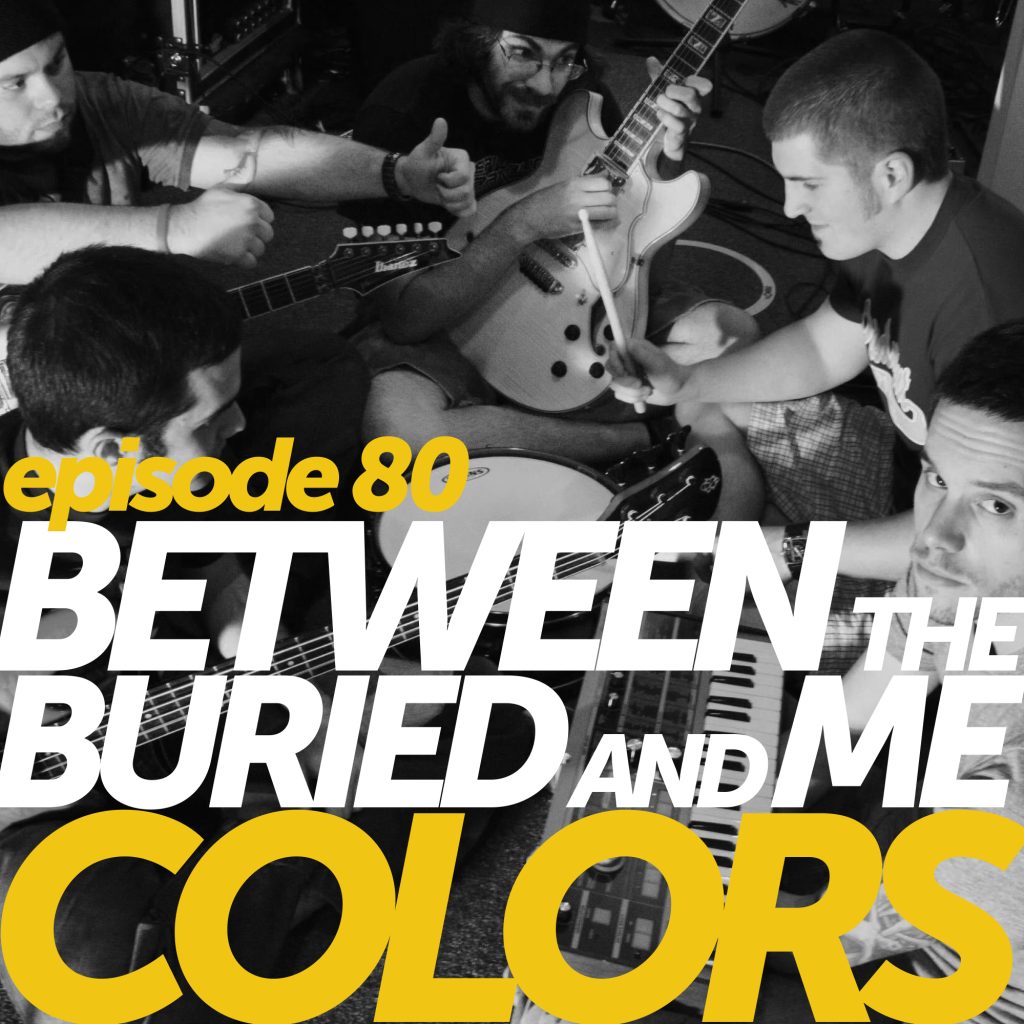
Episode 80: Between the Buried and Me’s “Colors”
Music can be this?! Five North Carolina dudes took the full range of the human spirit and musical styles into the woodshed, and from the loom came a technicolor dreamcoat of power, precision, and progress that we’ve worn with pride through nearly 20 years of long, strange trip. Join us in looking back with gratitude for getting to be there during a special band’s watershed moment and looking ahead with renewed enthusiasm for the boundless possibilities still beyond the dark side of the moon.
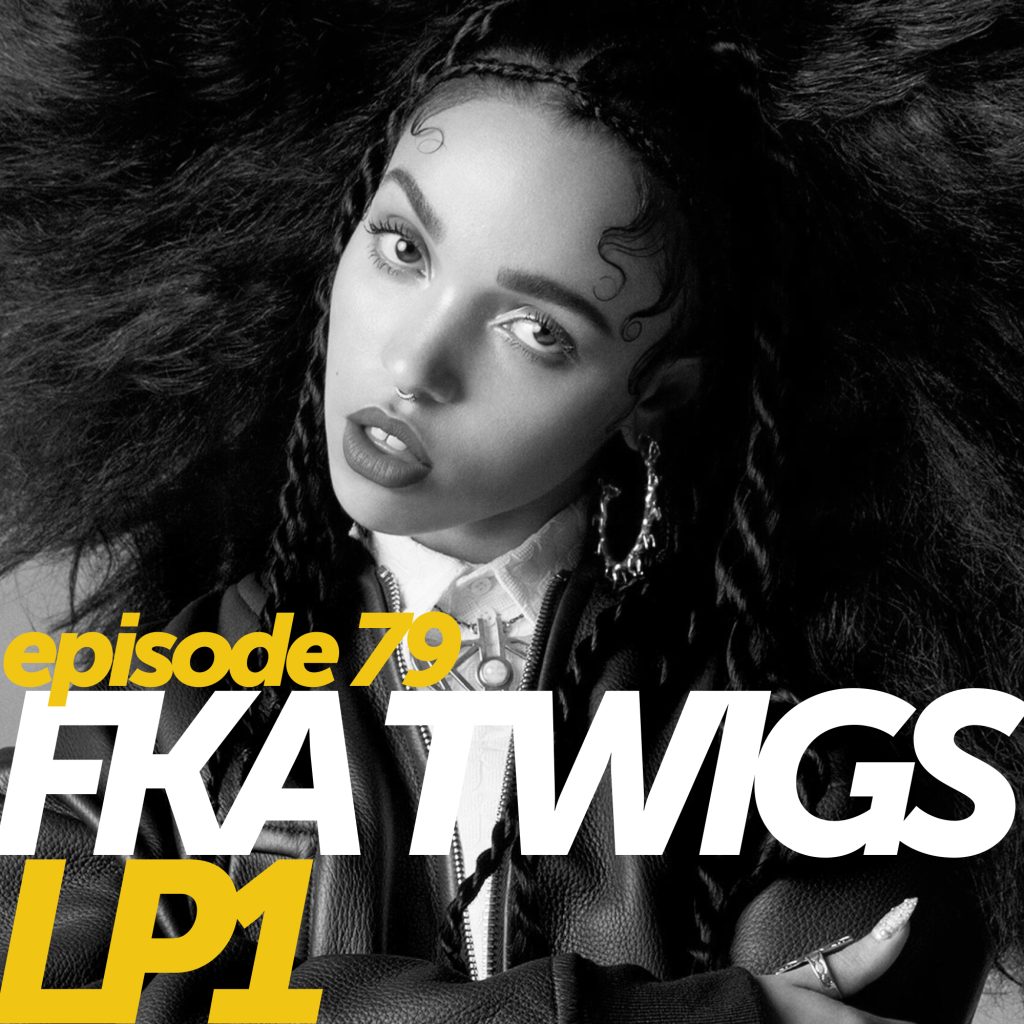
Episode 79: FKA Twigs’s “LP1”
As the 2010s cleaved culture into fractals and alienated humans from their being, Tahliah Barnett beamed down from the cosmos, a biblically accurate angel contorting into shapes embodying pure emotion. Her singular, decade-defining debut offers prescient wisdom for our AI age: the path to the world begins back in our bodies. When (FKA) Twigs moves, you move.
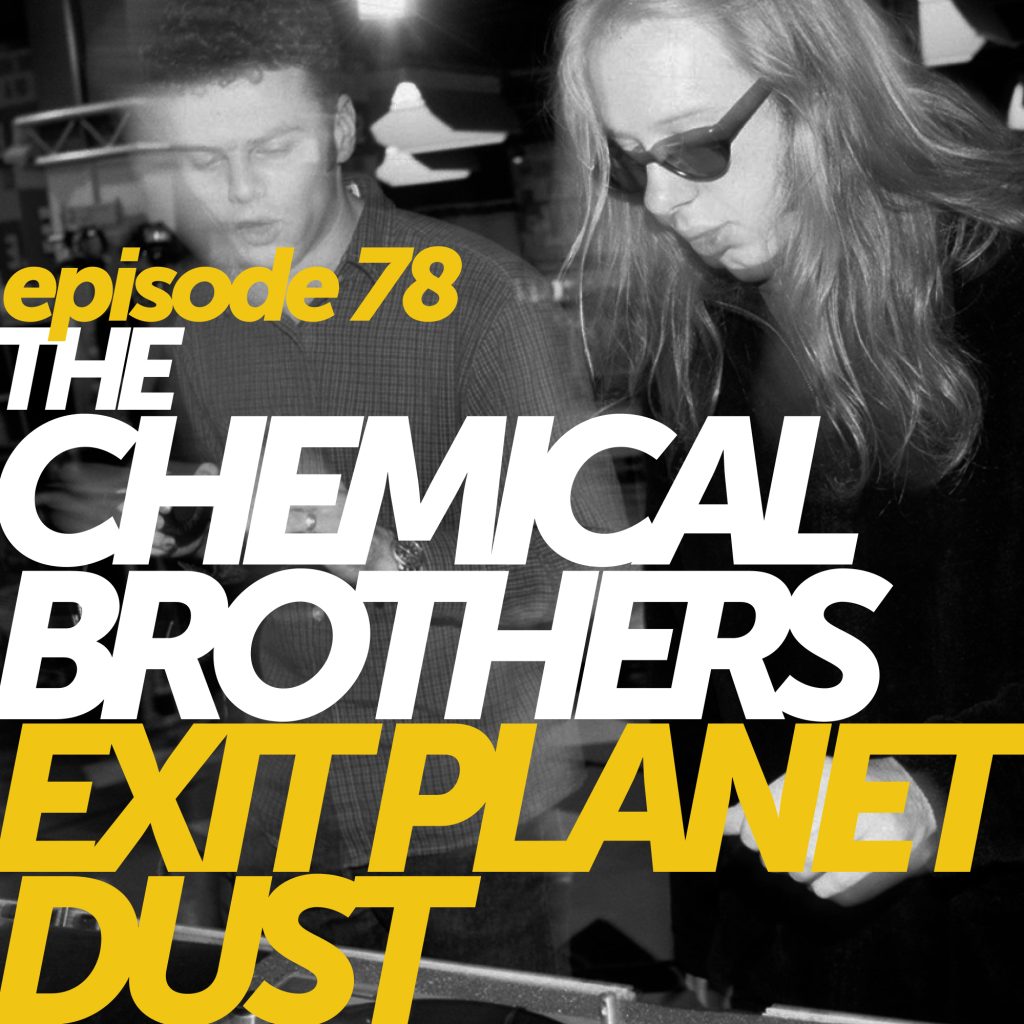
Episode 78: The Chemical Brothers’s “Exit Planet Dust”
Time's funny, innit? As today's youth excavate the nineteen hundred and nineties for the ecstasy of seemingly simpler times, here lies a fossil record containing so much of the DNA of how it was done — layers upon limestone layers of cultural source code. Keep digging and you might just find a place to get off your biscuits. The Big Beat goes on.
Episode 77: Otoboke Beaver’s “Super Champon”
For our money, this is what running through the halls of your high school and screaming at the top of your lungs actually feels like. And why *shouldn’t* the unreal world be a 250-BPM confetti cannon of primal-screaming sweetness? Take 21 mere minutes to blast-beat your brain and body into a fireworks show and then let’s shopping after.
Episode 76: Chic’s “C’est Chic”
This episode’s meaning is neither deep nor hidden: the Nile is a river. To good times, that is. If the savoir faire, stellar musicianship, and seismic influence of Nile Rodgers and Bernard Edwards’ organization don't suit you, then to cite a very wise t-shirt: “disco doesn't suck; you just can't dance.”
Episode 75: Nas’s “Illmatic”
Illmatic’s impact on hip-hop is a foregone conclusion — one listen and it ain’t hard to tell why. But as we unpacked the lyrical density, the layered samples, and the hyperlocal lens of Nas taking us to the Bridge, we found they represent, represent something deeper in the American mythos and our cultural consciousness. In the land of the free and home of the brave, life may be a bitch, but the world is yours.
Episode 74: N.E.R.D’s “In Search Of…”
It may be true that No One Ever Really Dies, but at the turn of the millennium, a young, wild, and free new wave in culture most certainly came alive. Whether or not you were around and aware in the moment of the Neptunes’ cultural dominance—and the decidedly counter-cultural bomb N*E*R*D planted underground—it's worth the star trek to the 21st century sound and style’s Big Bang.
Episode 73: Odetta’s “It’s a Mighty World”
Odetta — a must-know titan of American music and culture — once noted that young people “learn about American history through battles.” But her dream of liberation was shaped much differently: “I learned about the United States through this music, through the songs that I sing.” As we live through the kind of historical moment that makes most folks want to lie down and die, we can — like many heroes before us, from MLK to Maya Angelou — look to the legacy of 1964 and Odetta for strength to insist upon our lives.
Episode 72: R.D. Burman’s “Shalimar”
Once upon a time in Bollywood, one magical man made enough music to fill a million moments—and made space for hundreds of other artists along the way. Of the 331 scores “Pancham” composed in his lifetime, 1978's “Shalimar” is a uniquely compelling introduction to his technical prowess, transcendent alchemy of cultures, and tremendously joyful love of a life full of song.
Episode 71: Marianne Faithfull’s “Broken English”
“That’s the thing about pretty faces… We don’t expect them to belong to the fighters— the junkies and monks and cockroaches who’ll survive every atomic bomb and suicide attempt and outlive us all.” - Lindsay Zoladz Broken English is searing, singular snapshot of surviving to spite the devils (who’ve gotten far too much sympathy in the story so far). You’ll love it forever with its good and bad weather. We may have lost Marianne Faithfull this year, but not before she outran the darkness. As we close out a dark year and look ahead for light, there’s a lesson to...
Episode 70: Sade’s “Love Deluxe”
Any denier that all art is political need look no further than the smoothed-out soul slipstream of Sade, a group defined by its economics. Rare output, minimal arrangements, reserved volume, and, of course, the premium implied by “Love Deluxe”—a title derived from the idea that true love is among a precious few luxuries that can’t be bought. Our world’s clearly longing for more longing, and we discovered a truly transcendent delicacy as we unboxed Sade’s brand of desire.
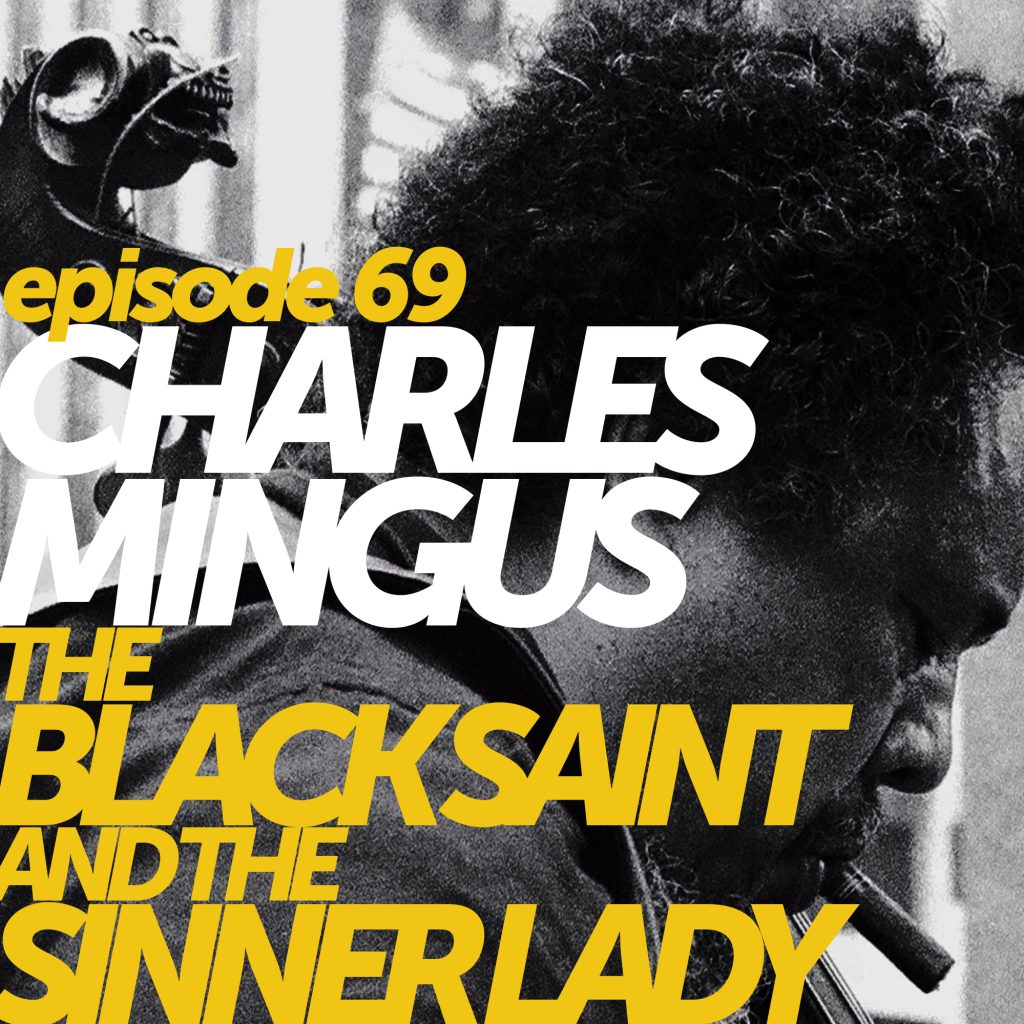
Episode 69: Charles Mingus’s “The Black Saint and the Sinner Lady”
When you think of true "artists" in music, who comes to mind? Charles Mingus embodied its romantic ideal, for better and for worse. His magnum opus "Black Saint" is more than even jazz's cosmic form can hold—it's the full-bodied essence of a master composer, peerlessly inventive bassist, and clairvoyant critic of the real America. In it, you’ll find what his collaborator Gunther Schuller called "the widest ranging musics you can find composed by one single human being."
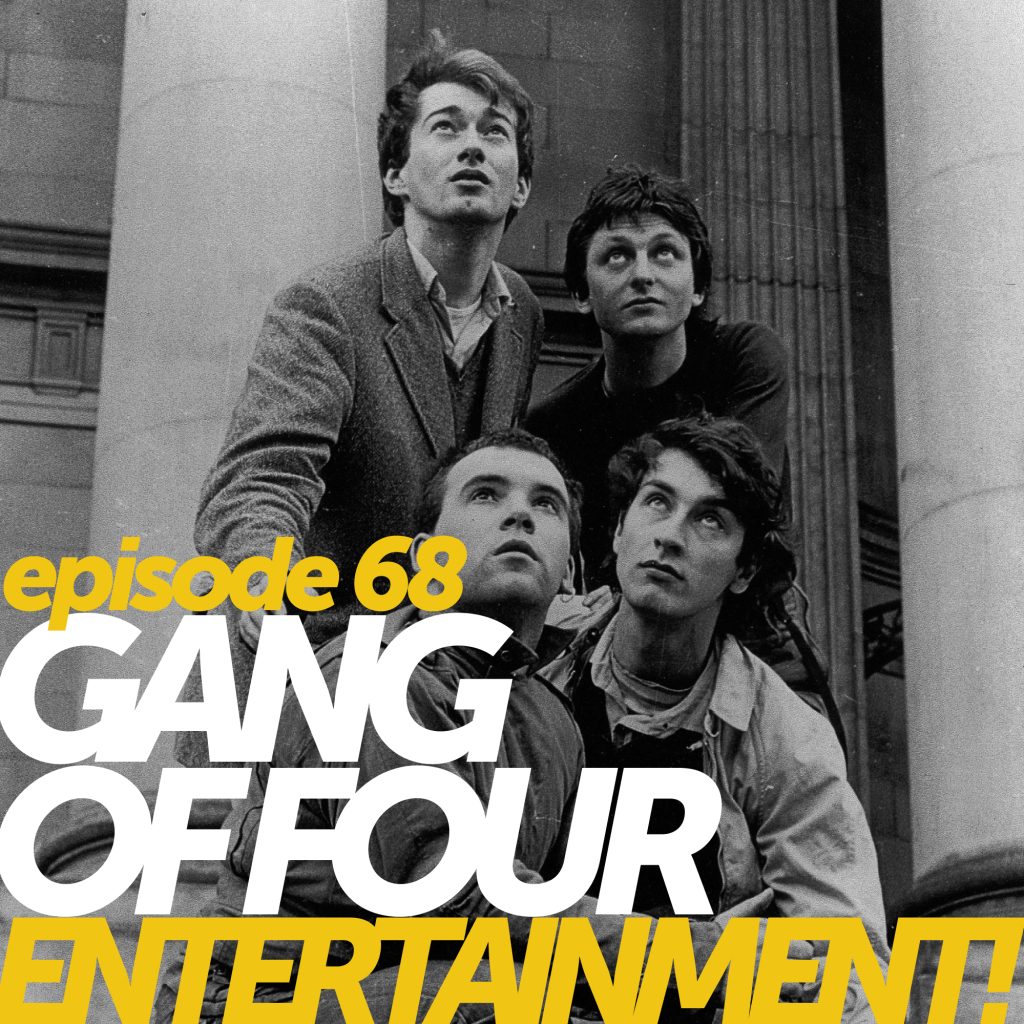
Episode 68: Gang of Four’s “Entertainment!”
“Entertainment!” is described by Gang of Four’s Jon King as “a record about young people smiling and dancing in the face of disaster.” Uh oh, sound familiar? This Leeds-born slab of Brechtian boogie reminds us that to navigate a world where everything is (small-p) political, dancing and dialectics belong together. Free your ass and your mind will follow.

Episode 67: Brooks & Dunn’s “Brand New Man”
This is the tale of two lonesome cowboys who got down, turned around, and went to town catching lightning in a bottle on their first try together. Whether or not their decade-defining country anthems lit a flame in your eye in the 90s like they did ours, Ronnie and Kix offer a lens through which outlaws, in-laws, crooks, and straights alike can look for ways to learn to love again.
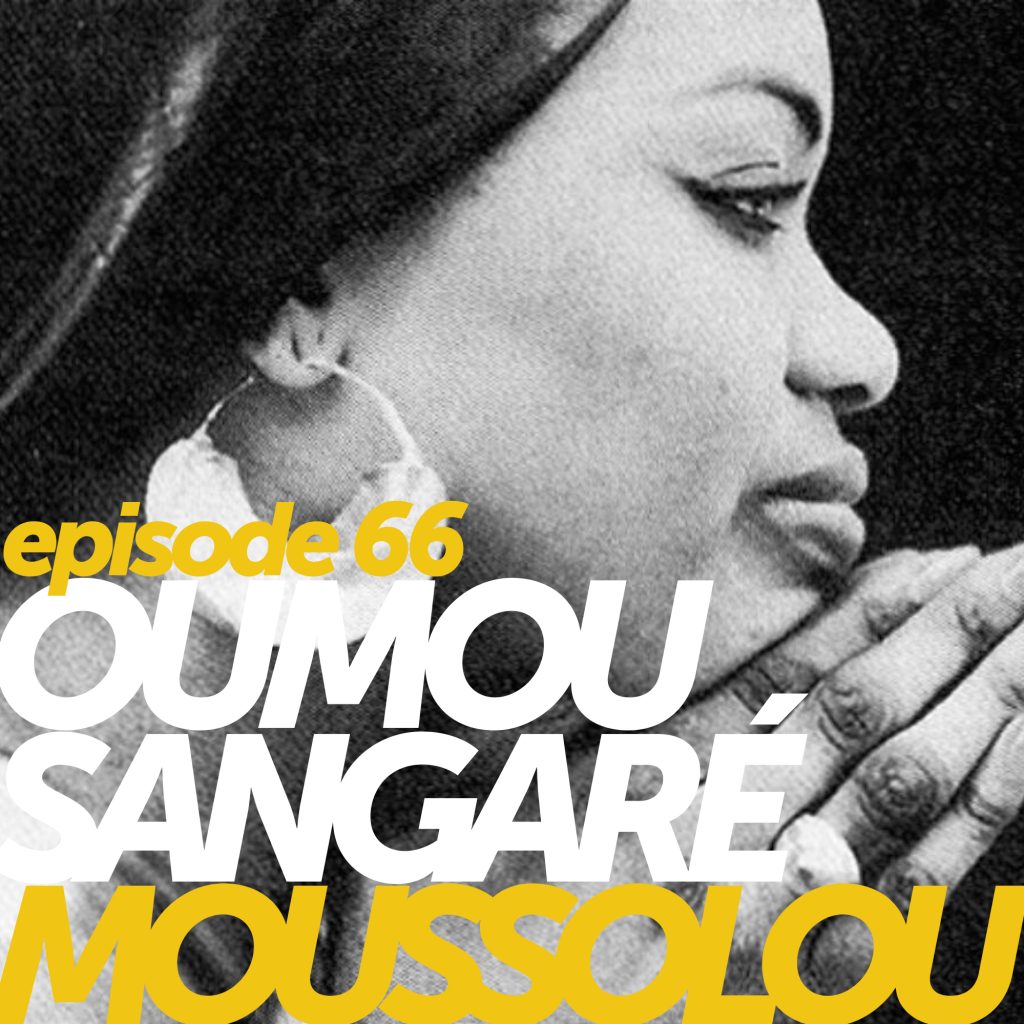
Episode 66: Oumou Sangaré’s “Moussolou”
The name "Oumou" derives from an Arabic word meaning "mother of." It is associated with dignity, wisdom, and maternal strength. Southern Mali’s Oumou Sangare has come to embody her namesake for millions around the world, and it all began when she was just 19 years old, channeling the magical music of hunters through her powerful and purposeful voice and creating a moment that captivated an entire country. Hers is a story everyone should know.
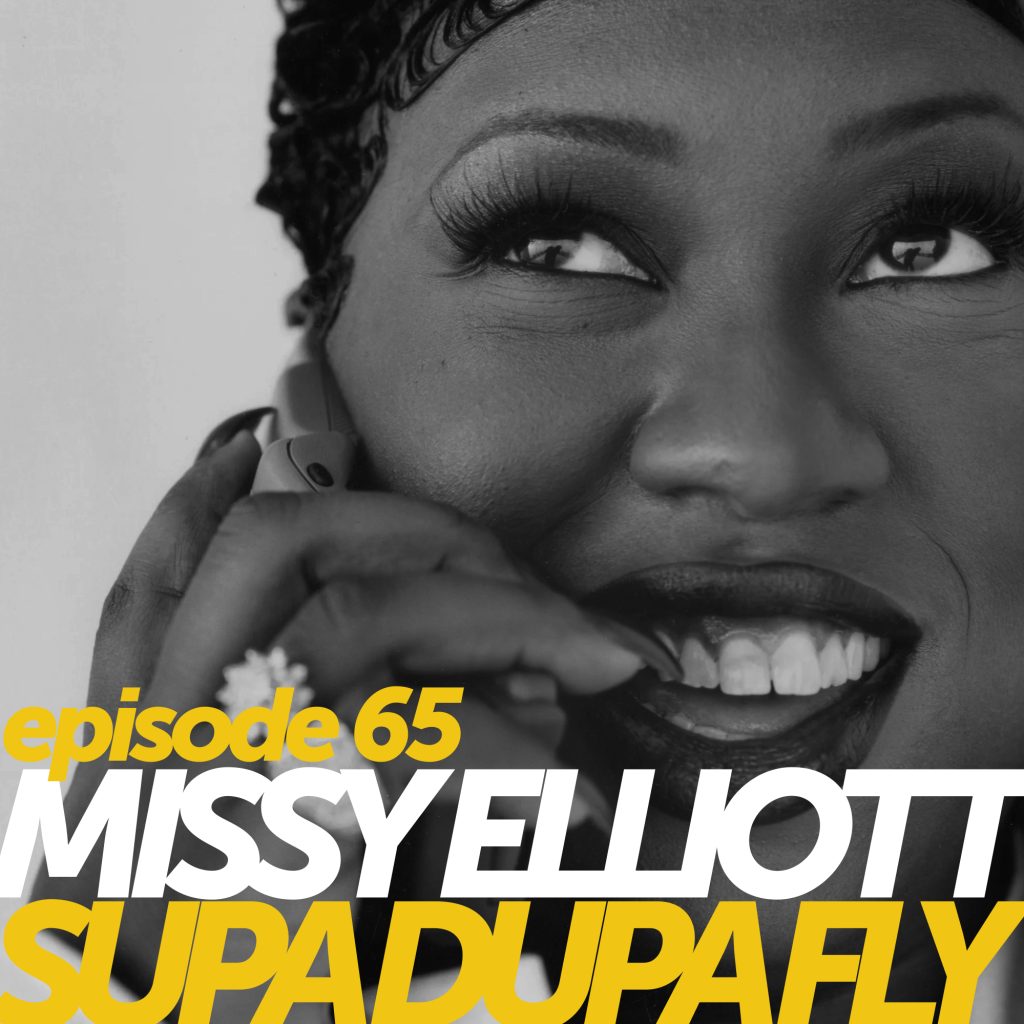
Episode 65: Missy Elliott’s “Supa Dupa Fly”
In the words of one of her groundbreaking forebears, “You feel free? You want to try some wild s**t? Thank Missy.” Since the very first frame of “The Rain” entered our eyeballs, Missy has made the avant-garde accessible, pointing us to a future full of more funk and more fun simply by standing fully in the splendor of her space-age self. Come (supa dupa) fly with us back to the moment where Missy’s magic began.
Episode 64: The Cramps’s “…Off the Bone”
God is a woman and she plays the guitar loud … y’all come catch some Holy Ghost in your hips. Hear our hallelujah for the love story of the queen of rock ‘n roll and the mad daddy holy rollin’ on a river—upstream all the way—and boot scootin’ through a fun and freaky heaven and earth of their own design. The Cramps were Dionysian, devilish, dangerous, and damn good, and they remind us that life can be, too. If you can’t dig this, you can’t dig nothin’.
Episode 63: Black Moth Super Rainbow’s “Dandelion Gum”
Life’s a bit heavy to chew on these days, so we reached into the pocket of our mid-2000s jeans and found an old piece of Dandelion Gum to chew on instead. As soon as its neon syrup hits your tongue, you’ll wonder why you hadn't let this "future pop for now people, today" melt you, melt you, melt you yet.
Episode 62: Project Pat’s “Mista Don’t Play: Everythangs Workin”
This life we're livin' is oh so beautiful. Take it from Patrick Houston, who has spread the gospel of the real for three decades, followed by a discipleship that has shaped 21st century culture in his image. For those still alive in 2025 by the grace of God, let us give flowers to the man from the North North.

Episode 61: Grace Jones’s “Nightclubbing”
Not a woman. Not a man. A revolution. Music’s long history is littered with larger-than-life characters whose mythology shapes reality for the masses — and few loom larger than the mighty Grace Jones. “Nightclubbing” without context is a tremendous body of songs worth anyone’s time, but after a deep dive into Grace’s time at Compass Point, you’ll agree that it’s a vital work.

Episode 60: Paramore’s “This Is Why”
The menace and melancholy of modern life have sentenced scores of young people to the gilded prison of nostalgia — but much to our surprise, a band of recovering Southern pop-punks have an antidote. For anyone willing to “sit still long enough to listen to yourself,” their new music’s sharp rhythmic angles and sharper lyrical reflections frame a doorway through which to free our big feelings and forge ahead.

Episode 59: Ennio Morricone’s “The Good, The Bad and The Ugly”
You know that five-note coyote howl. You may even know the classic film it helps power. But what do you know about the man behind those iconic moments? For our final exploration from our 2024 calendar, reflect with us on the genius of a maestro who could make magic with a mere fistful of notes, who poured forth from his soul a foundation upon which much of 20th century popular culture was built.

Episode 58: TLC’s “CrazySexyCool”
Vision. Bravery. Originality. The 30th anniversary of the ATL-exported opus — by the highest-selling girl group of all time — offered us a chance to reflect on all the ways our hometown heroes ran so some of the 21st century’s most iconic artists could fly.

Episode 57: Kendrick Lamar’s “good kid, m.A.A.d city”
Before the Super Bowl, the super beef, the Pulitzer, or PGLang, one good kid and king-to-be sojourned from South Central to the height of the American promise and rained down lightning that united one nation under a groove. You’ll feel the energy of this episode from two planets away — hop in the van real quick and let’s roll out.

TuneDig Episode 56: Cocteau Twins’s “Heaven or Las Vegas”
Dream of ethereal waves of sound swirling around you—and words you can’t make out saying more than you could imagine—as you float back upstream with us toward the warmth of Cocteau Twins’ decade-defining masterpiece, which still ripples across a vast pool of influences 25 years on.

TuneDig Episode 55: Jeff Buckley’s “Grace”
Once upon a time, “your favorite artist’s favorite artist” wasn’t a Midwest princess, but a “mystery white boy” beloved by Bob Dylan and Adele alike. Jeff Buckley’s signature Grace is on the shortlist of transcendent albums every living being should experience, because, as one industry vet put it: “it’s all in there, isn’t it? It’s just all in there.”

TuneDig Episode 54: Botch’s “We Are the Romans”
"We Are the Romans" is a visceral, vital document guaranteed to make you feel something from its first notes — and there’s never been a better time to stop and smell the roses from a group just now getting its long-overdue flowers.

TuneDig Episode 53: Ravi Shankar’s “Three Ragas”
Ravi Shankar lived one of the twentieth century’s most extraordinary lives, bearing witness to—and making—history all around the world. To many (especially in the West), he personified an extraordinarily complex style of music and the cultures from which it was borne, and he worked hard to make it look easy.

TuneDig Episode 52: Alain Goraguer’s “La Planète Sauvage”
Gather ’round, sommeliers of the strange and crate-digging boogie children, for something “Strange! Frightening! Fascinating!” awaits. The soundtrack to Cannes 1973’s Jury Prize-winning film is a dazzling, surreal, avant-garde hymn to cosmic knowledge and compassion and a secret handshake among real heads. If you’re after a trip to a new dimension, here’s your one small step for man.

TuneDig Episode 51: Marvin Gaye’s “I Want You”
Marvin Gaye’s well of soul power ran mighty deep, and deep into his career, he pulled up a bucket of ice-cold, silky smooth champagne called “I Want You.” Come for the lush instrumentation, vocal harmonies, and Leon Ware clinic; stay for the stories. For our return from hiatus, we observe a titan in his element, reflect on the pain that built him into one, and consider how to reconcile our feelings when complicated messengers deliver beauty to our door.
SEASON 6

TuneDig Episode 50: Funkadelic’s “Maggot Brain”
Before uniting one nation under a groove, the lysergic lords of chaos in Funkadelic harnessed wild lightning into an amulet called Maggot Brain, bestowing the bearer with raw, dark power stronger than any force known to man. Between reaching our 50th episode and coping with the “maggots in the mind” of today’s universe, it felt like the right time to free our minds. We hope y’all’s asses will follow.

TuneDig Episode 49: Alice Coltrane’s “Journey in Satchidananda”
The story of Alice Coltrane — an accomplished bebop pianist from Detroit who transcended into something far greater before walking away from public life altogether — is a glimpse into what it means to be truly free. Alice’s masterpiece "Journey in Satchidananda" is a cosmic dance that sparked creation from destruction. And in a time when we’re all desperately searching for a spark of meaning and hope, Journey abides abundantly.

TuneDig Episode 48: Heart’s “Little Queen”
Take a moment to appreciate Ann and Nancy Wilson, who kicked down the doors of rock ‘n’ roll’s boys’ club with their peerless guitar work, soaring soul vocals, and tight songcraft. 1977’s Little Queen — an oft-overlooked gem in the classic rock canon — offers a snapshot of those elements at their most urgent and pure, powered by the Wilsons’ simple motivation (as described by their producer): “It was a war.”

TuneDig Episode 47: Tangerine Dream’s “Phaedra”
When you think of “electronic music,” what comes to mind may not be a genre you deeply love — hip-hop, house, new wave, or even dub reggae — but all of it owes some debt, scientifically or otherwise, to Tangerine Dream. Dig in with us as we study a prime example of the band’s brand of effortful innovation, where they patiently and persistently labored at the cutting edge of electronic technology to open a portal to new worlds in our minds.

TuneDig Episode 46: Olivia Rodrigo’s “SOUR”
Did you catch one of 2021’s biggest albums, or like us, did you almost overlook it? If you have any expectations of pop music, "SOUR" will likely subvert them. Teenage dream this is not; it’s an exquisitely universal portrait of a weird time to be alive.

TuneDig Episode 45: Fela Kuti’s “Expensive Shit”
The story of Fela Kuti — one of the most famous people on an *entire continent* passionately struggling to liberate power to more people — is absolutely one worth deeply knowing, regardless of whether you find yourself drawn to Afrobeat or (cringe) “world music.” But once you know it, it’s almost impossible not to fall in love with Fela and Afrika 70 as their revolutionary grooves rewire your brain in magical and meaningful ways.

TuneDig Episode 44: Meshuggah’s “ObZen”
Meshuggah’s ObZen—an artifact of human creativity pushing the limits of what’s possible—will quite literally make you hear music differently. If you’re looking for a new musical adventure, and especially if you don’t think you like “heavy” or “weird” music, consider this your sign to push past your comfort zone.

TuneDig Episode 43: mewithoutYou’s “Catch For Us the Foxes”
A misunderstood wise man once said “Let him who seeks continue seeking until he finds.” In our most personal and vulnerable episode yet, we do some seeking through the lens of songs that fill us with the bravery and sincerity to love ourselves and others fully. Dig deep with us as we fish for words about our tiny place in the universe and dance with gratitude for our ability to do so.

TuneDig Episode 42: Erykah Badu’s “Mama’s Gun”
Y’all tryna raise your vibrations? Erykah Badu is here to help. Season 6 kicks off with a meditation on realness and what being on “your own wavelength” really means. (Spoiler: it ain’t a single frequency — it’s a whole spectrum.)
FRIDAY HEAVY
For lifelong headbangers and the musically curious alike, a new podcast from TuneDig is here to push your palette with aggressive, abrasive art. Each short, fast-paced episode offers (1) a new metal, punk, noise, or experimental release we recommend, (2) a related playlist we’ve curated, and (3) a heavy issue to consider and an organization doing something about it. Join us in the void.

Friday Heavy: End of Year Review 2022
It was a great year in heavy music. In this episode, we look back at all the new releases we featured and the curated playlists they spawned.
It was a NOT great year in many other ways. We leave you with a parting message of encouragement to connect your energy and angst to on-the-ground organizations doing the work in your community.


Friday Heavy: November 11, 2022
This week, we discuss:
- He Is Legend – Endless Hallway
- Curated playlist sussing out the depths of He Is Legend’s roots, weirdness, and attitude
- Protect Our Winters (POW)

Friday Heavy: October 28, 2022
This week, we discuss:
- Witch Fever – “Congregation”
- Curated playlist of eclectic, high energy that might get your inner goth stoked on (briefly) going out
- Housing Justice League

Friday Heavy: October 14, 2022
This week, we discuss:
- The Lord † Petra Haden – “Devotional”
- Friday Heavy playlist densely packed with thick, meditative vibrations across the spectrum of drone
- Multidisciplinary Association for Psychedelic Studies (MAPS)

Friday Heavy: September 30, 2022
This week, we discuss:
- Escuela Grind – “Memory Theater”
- Friday Heavy playlist dedicated to the absolutely fucking hostile energy that powerviolence can bring to radical inclusion
- Zealous

Friday Heavy: September 16, 2022
This week, we discuss:
- Holy Fawn – Dimensional Bleed
- Friday Heavy playlist showcasing the incalculably extensive and wildly diverse Shoegaze Cinematic Universe (aka post-rock)
- MTB Atlanta

Friday Heavy: September 2, 2022
This week, we discuss:
- The Callous Daoboys – “Celebrity Therapist”
- Friday Heavy playlist confronting the under-appreciation of Atlanta’s heavy and weird music scene
- Mississippi Rapid Response Coalition – Water Fund

Friday Heavy: August 19, 2022
This week, we discuss:
- Osees – “A Foul Form”
- Friday Heavy playlist fuzzed out on oddball punk that smells like cigarettes just thinking about it
- Women on the Rise GA

Friday Heavy: August 5, 2022
This week, we discuss:
- Chat Pile – “God’s Country”
- Friday Heavy playlist with, uh, a bunch of very pissed off songs directed at christofascist terrorism
- The Grocery Spot

Friday Heavy: July 22, 2022
This week, we discuss:
- WAKE – “Thought Form Descent”
- Friday Heavy playlist that anchors its sound in modern production of sludge, blackened death, and post-metal
- The Planetary Society

Friday Heavy: July 8, 2022
This week, we discuss:
1. Vomit Forth – “Seething Malevolence”
2. Friday Heavy playlist that’s unsettling in the best way, leaving you feeling a little off your axis
3. Trees Atlanta

Friday Heavy: June 24, 2022
This week, we discuss:
1. CANDY – “Heaven is Here”
2. Friday Heavy playlist packed with off-the-beaten-path punk and hardcore from bands that deserve space on your battle jacket
3. Round Rock Black Parents Association

Friday Heavy: June 10, 2022
This week, we discuss:
1. Sasquatch – “Fever Fantasy”
2. Friday Heavy playlist of heavy grooves for late desert nights and hazy generator parties
3. Feed Buffalo

Friday Heavy: May 27, 2022
This week, we discuss:
1. Decapitated – “Cancer Culture”
2. Friday Heavy playlist stacked with bands putting their unique and modern spin on (occasionally tech) death metal
3. PropelATL

Friday Heavy: May 13, 2022
This week, we discuss:
1. Primitive Man – “Insurmountable”
2. Friday Heavy playlist full of SLOW, enveloping, massive and crunchy tone and big feedback
3. National Network of Abortion Funds

Friday Heavy: April 29, 2022
This week, we discuss:
1. Heriot – “Profound Morality”
2. Friday Heavy playlist packed with mid-tempo, huge guitar tone, big atmosphere and lots of industrial grit and grind
3. Invisible People

Friday Heavy: April 15, 2022
This week, we discuss:
1. Greyhaven – “The Bright And Beautiful World”
2. Friday Heavy playlist for fans of more choatic + melodic combinations
3. Campaign for Working Families

Friday Heavy: April 1, 2022
This week, we discuss:
1. Meshuggah – “Immutable”
2. Friday Heavy playlist full of high quality Meshuggah aping that AIN’T “djent”
3. The Bail Project

Friday Heavy: March 18, 2022
This week, we discuss:
1. Soul Glo – “Diaspora Problems”
2. Friday Heavy playlist with 20+ songs in under 40 minutes, (almost) all under 2 minutes each
3. Equality Texas

Friday Heavy: March 4, 2022
This week, we discuss:
1. Vein.fm – “This World Is Going To Ruin You”
2. Friday Heavy playlist exploring more of Will Putney’s work
3. Books to Prisoners
SEASON 5

TuneDig Episode 41: Miles Davis’s “Bitches Brew”
Let’s be clear: "Bitches Brew" is a challenging record, even to some of the best musicians in the world — but all of them say it’s worth the investment. It’s the kind of trip that, even if we *could* draw a map, it wouldn’t take you there. Let go of the need for meaning and enjoy the ride with us. We can promise you’ll be pleasantly surprised where you end up.

TuneDig Episode 40: Fiona Apple’s “Tidal”
On the heels of one of 2020's most acclaimed albums — Fiona Apple’s Fetch the Bolt Cutters — we revisited Apple’s debut Tidal and wound up working to extract ourselves from the mostly male gazes that made its reception … much different. We arrive at a question much like writer Jenn Pelly had: “People would constantly prod Fiona on how an 18-year-old could write songs as mature as these ... Why did they not ask instead how she became a genius?”

TuneDig Episode 39: Death Grips’s “The Money Store”
The modern world is accelerating beyond our control, shaping our reality in ways we can’t yet perceive or understand. Enter Death Grips, an art project capturing the chaotic energy and illustrating the absurdity of our hubris in trying to harmonize the surreal and extremely real — never more perfectly than on 2012’s prescient "The Money Store".

TuneDig Episode 38: Augustus Pablo’s “King Tubbys Meets Rockers Uptown”
Reggae music is easy to take for granted, but its impact is underappreciated and massive — in the case of dub in particular, everyone from Radiohead to Johnny Rotten to Run-DMC owes it a debt. Augustus Pablo and King Tubby together created what’s regarded as “one of the finest examples of dub ever recorded.” Join us as we dive into the culture, history, and unique engineering experiments that made it possible.

TuneDig Episode 37: Rihanna’s “ANTI”
By every measure — sales, awards, chart-toppers, global name recognition — Rihanna is objectively as big as the Beatles ever were. In fact, ANTI is so big it’s still on the charts, a record five full years later. Take a closer look with us at “the record you make when you don’t need to sell records”, and get a taste of the true freedom that comes from focusing on your inner voice when faced with insurmountable expectations.

TuneDig Episode 36: Son House’s “Father of Folk Blues”
All American music traces back to the blues, and deep at the root sits Son House. That the recordings on "Father of Folk Blues" even exist is something of a gray area that cuts to the heart of the great American myth, but wherever you land after hearing these stories, you’ll find that what matters most is what the great Muddy Waters once said of House: “That man was the king.”

TuneDig Episode 35: Melvins’s “Stoner Witch”
The futility of describing the Melvins has stretched critics in the direction of absurd words like “Dadaist” for nearly 40 years now. They’ve belligerently flogged any attempt to pinpoint their essence simply by being themselves, but "Stoner Witch" remains a reliable mall directory for the Melvins’ vast and wild discography. Grab yourself some pretzel bites.

TuneDig Episode 34: Dolly Parton’s “Jolene”
We should talk about Dolly the way we talk about Prince. Her extraordinary kindness and unique kitsch both make her universally loved, but what gets left out of the conversation is the very thing that made her famous: the music. Join in as we focus attention on the sonics and songwriting of the low-key masterpiece "Jolene".

TuneDig Episode 33: The Allman Brothers Band’s “The Allman Brothers Band”
Six enlightened rogues out of Macon, Georgia birthed an entire genre simply by being their soul-powered selves. We have not come to testify, but we’re still hung up on the dream The Allman Brothers Band helped us see. By the end of this episode, you will be, too.
TUNEDIG RADIO


SEASON 4


SEASON 3


SEASON 2




SEASON 1


BONUS TRACK EPISODES

BONUS TRACK: How We Got Here
We got a bunch of interesting listener feedback in our off-season, and it encouraged us to shed some light on why we do things the way we do ‘em. Also, we reflect on our first writeup, which was ... interesting.
WHO WE ARE
We're Cliff (right) and Kyle (left). We’re two dudes born and raised in ATL with day jobs in tech and sustainability, respectively.
We met in middle school, and in one way or another, music’s been the thing that’s kept us close for the two decades since — whether it’s sharing and talking about new music (like this podcast, except in our texts or over beers), going to shows, or working with our favorite record stores to help them survive and thrive.
We started TuneDig as a little art project that connects us more deeply ourselves and to the world through the infinite gift of music. We hope you’ll join us for the conversations, let us know what you think, and share discoveries of your own.
More About TuneDig
TuneDig began as a little something called MusicGrid.me, which we created after realizing there was no place online to directly exchange music recommendations with your friends. Our aim was simple: to make rating albums simple, useful, and social. We got some love from places like Mashable, Wired, Evolver.fm, and Hypebot. We managed to foster conversation between music lovers, get thousands of reviews, and meet great people.
Along the way, we realized that record stores were an essential part of the music lovers’ community. After many a conversation about how we could helpfully connect them to the people who loved them, we began helping them leverage technology to create new revenue streams and embrace streaming services without giving up what’s unique to them: expertise and curation. (Long live the counter clerk who knows exactly which record will be the right introduction to jazz fusion!)
TuneDig is our vision to connect music lovers with the music they love, because no matter how much has changed in the way we discover and enjoy music, recommendations from people you trust and respect will always be the best way to find new music you’ll dig. With this podcast, we’re channeling the spirit of trusted curation pioneered by record stores, and bringing you something to take you deeper into music you can love.